Planning Pavement Marking Around Peak Facility Hours
Mastering the logistics of facility maintenance to ensure safety, compliance, and minimal operational disruption.
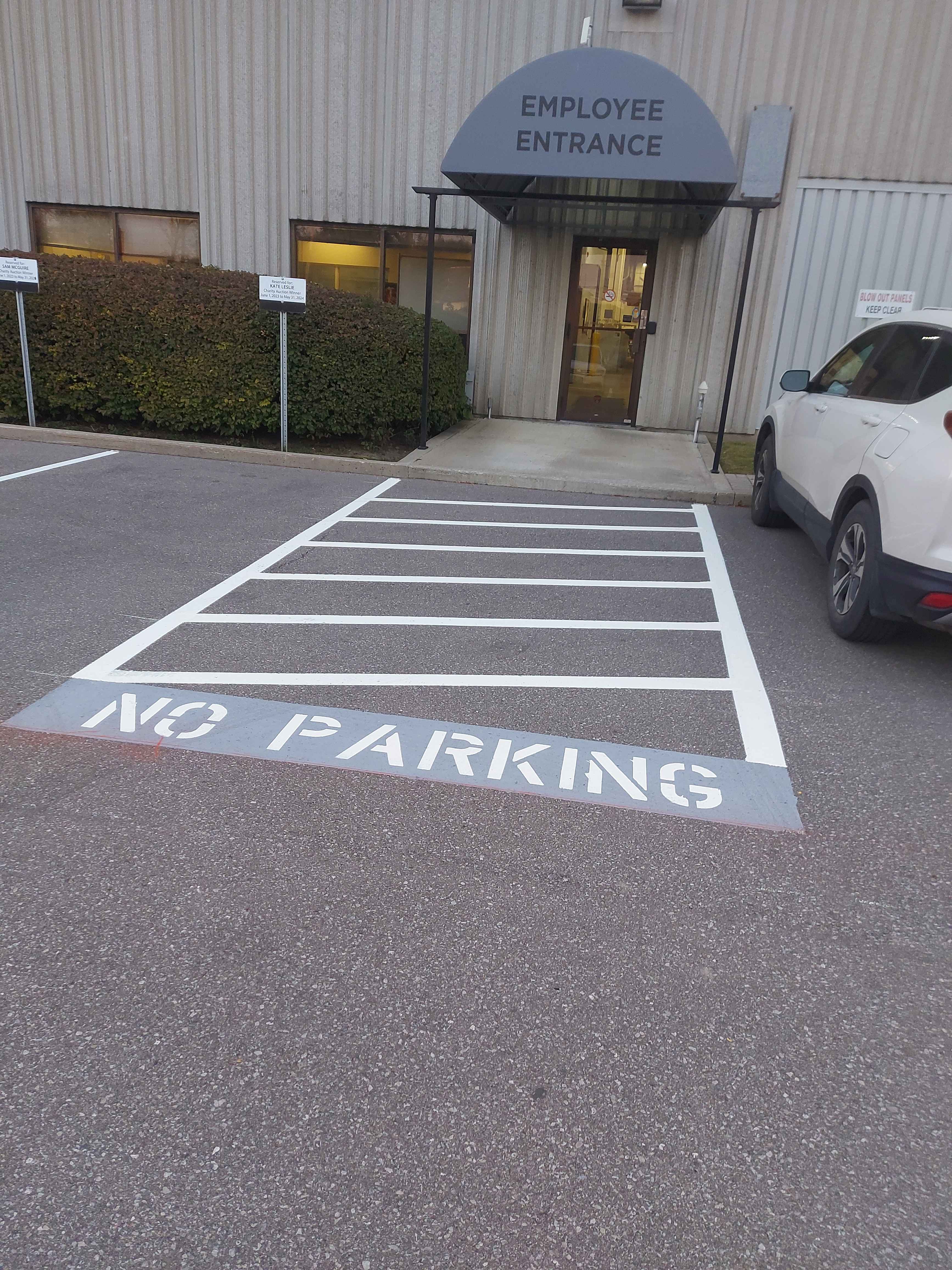
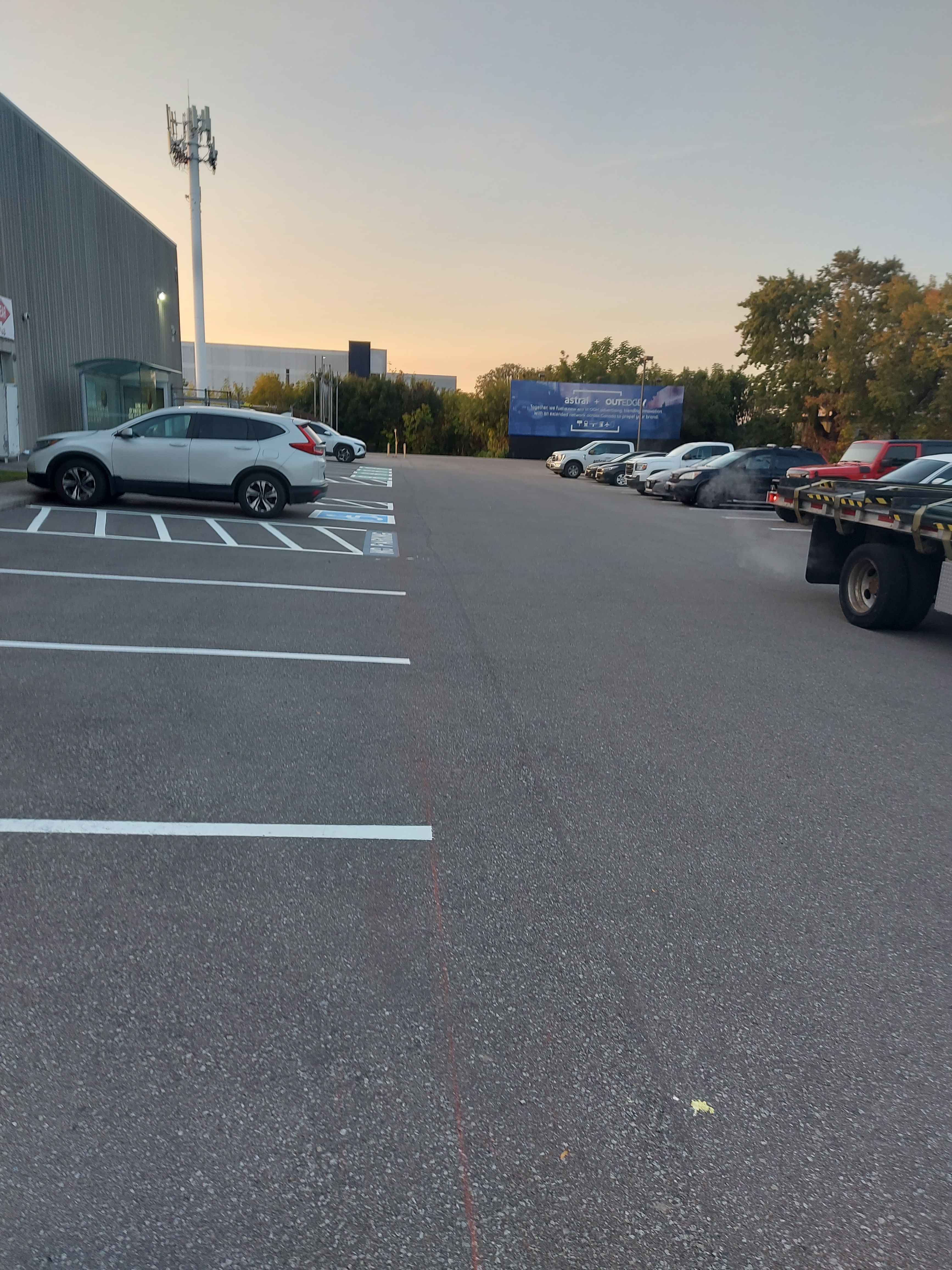
For facility managers, business owners, and municipality planners, the parking lot is more than just a patch of asphalt; it is the primary gateway to your operations. Whether you are managing a retail complex in Richmond Hill or a large industrial warehouse, the clarity of your pavement markings dictates the efficiency of your traffic flow. However, a major challenge arises when these essential updates are needed: how do you perform high-quality line marking without paralyzing your daily operations?
Timing is everything. Attempting to refresh markings during peak business hours can lead to congestion, customer frustration, and potential safety hazards. At Capital Parking Lot Line Painting, we specialize in strategic scheduling that respects your operational rhythm while delivering high-visibility results.
The High Stakes of Timing in Line Painting
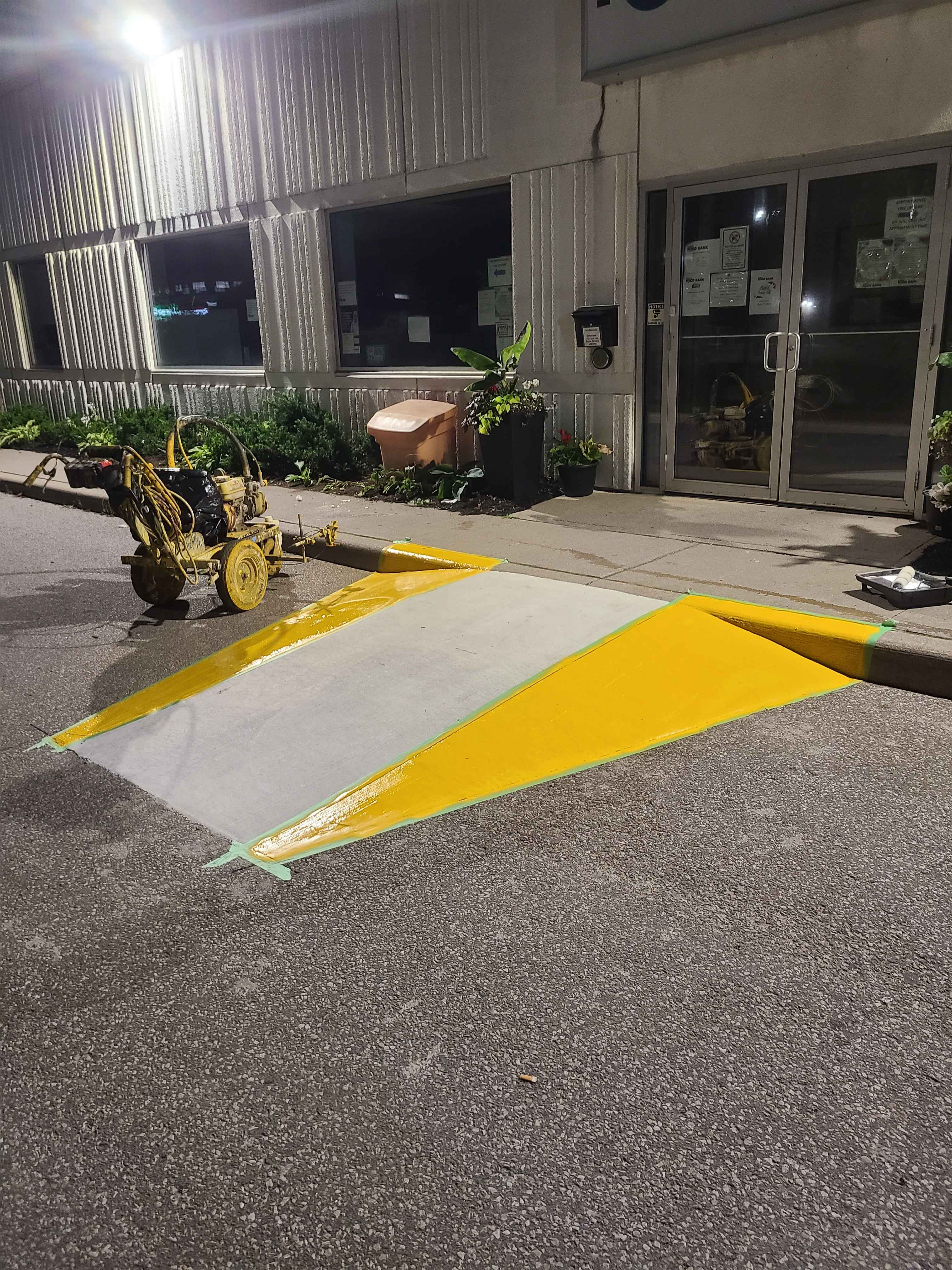
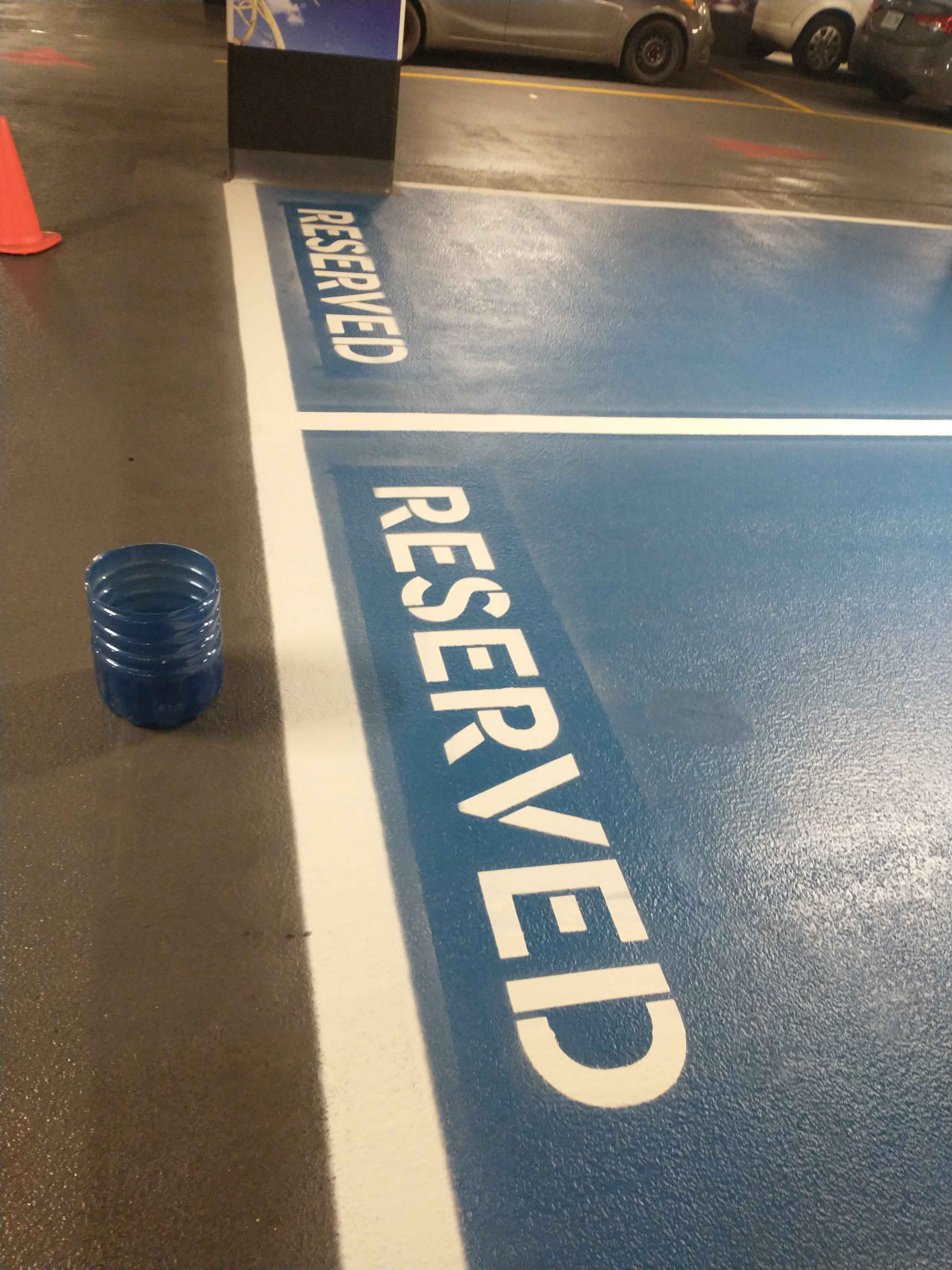
When a facility undergoes line painting, certain areas must be completely vacated to allow for proper application and drying times. If this is done during peak hours, the consequences can be significant:
- Customer Dissatisfaction: Drivers arriving to find blocked entrances or confusing temporary markings can lead to negative reviews and lost revenue.
- Safety Risks: Wet paint on a high-traffic lot creates slip hazards and can cause vehicles to skid or veer into unauthorized zones.
- Operational Delays: For logistics hubs or delivery centers, even a two-hour delay in parking availability can disrupt entire supply chains.
- Reduced Longevity: If vehicles drive over markings before they are fully cured, the quality of the work is compromised, leading to premature wear.
Strategic Planning Strategies
To avoid the pitfalls mentioned above, facility managers should adopt a proactive approach to pavement maintenance. Successful projects in busy areas like Richmond Hill often rely on the following three-step planning framework:
1. Data-Driven Scheduling
Analyze your facility's traffic patterns. When are your busiest arrival windows? When does your loading dock experience the most activity? By identifying these "red zones," you can schedule your line marking during off-peak windows, such as late evenings, weekends, or early morning hours.
2. Phased Implementation
You don't always have to close the entire lot at once. A phased approach allows Capital Parking Lot Line Painting to work on specific sections (such as one row of stalls or one corner of the lot) while keeping the rest of the facility accessible. This "zonal" method minimizes the impact on your customer base.
3. Clear Communication
Never surprise your tenants or customers. Use signage, email blasts, or social media updates to inform stakeholders of upcoming maintenance. Clear communication manages expectations and helps people plan their arrivals accordingly.
Why Professional Expertise Matters
While it might be tempting to attempt minor line marking in-house, the complexity of modern traffic management requires professional precision. A professional crew understands the chemical drying times of various materials and the importance of strict adherence to local municipal standards.
When you partner with Capital Parking Lot Line Painting, you aren't just buying paint; you are investing in a logistical plan. Our team works closely with you to assess your site's specific needs, ensuring that the line marking is completed with minimal downtime and maximum durability.
Summary of Best Practices
Remember: The best time for maintenance is the time that protects your revenue. By planning ahead and choosing a professional partner, you ensure your facility remains safe, compliant, and easy to navigate.