Planning Pavement Marking Around Peak Facility Hours
Effective facility management requires more than just maintaining the building; it requires strategic timing for external maintenance to ensure seamless operations.
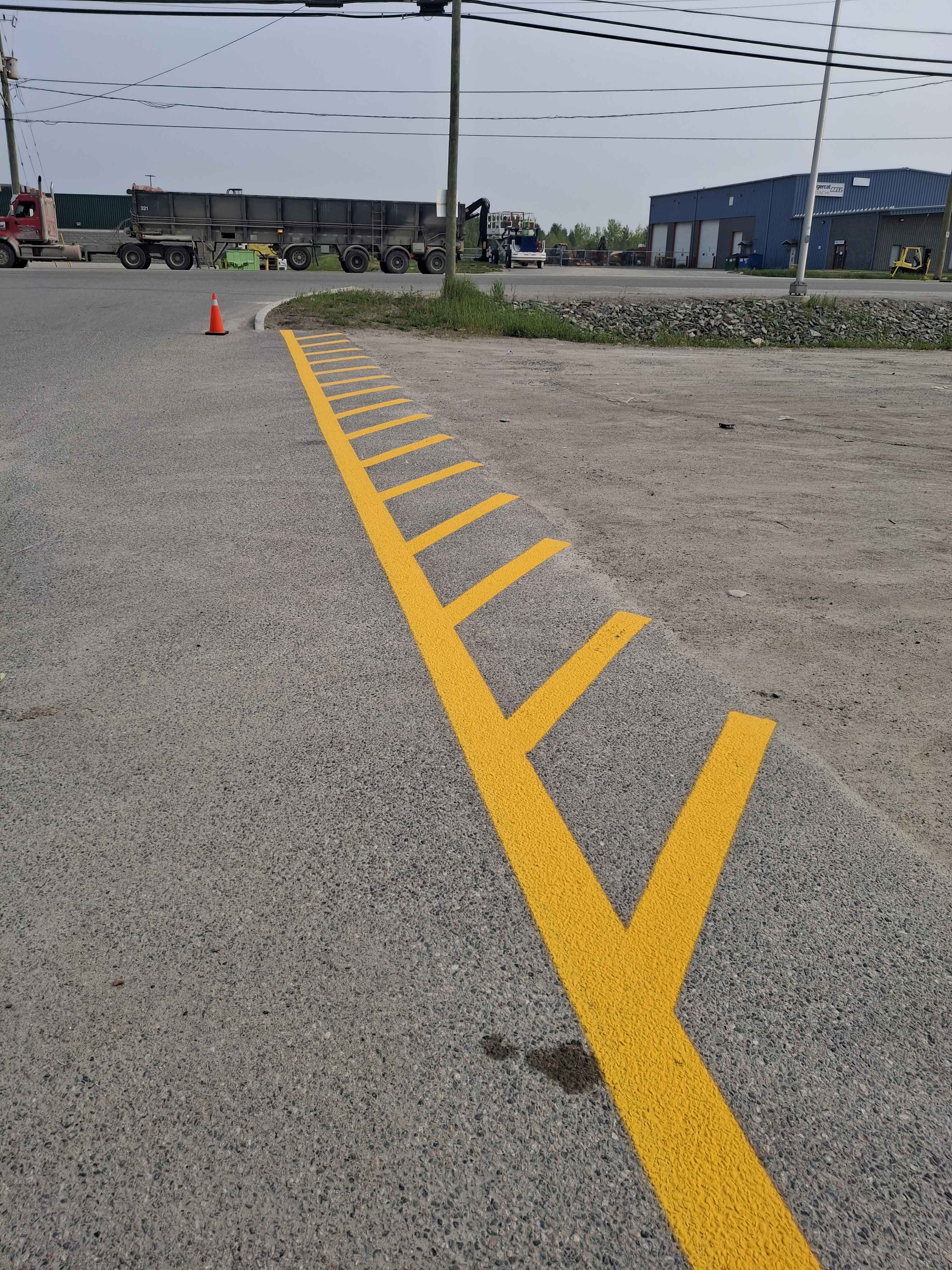
For businesses operating in high-traffic areas like Toronto, every square foot of parking and every minute of accessibility matters. When it comes to maintaining the safety and organization of your property, professional line marking is essential. However, the biggest challenge facility managers face isn't the maintenance itself—it's the timing. Executing a line painting project during peak hours can lead to congestion, frustrated customers, and potential safety hazards.
At Capital Parking Lot Line Painting, we understand that your facility never truly stops moving. Whether you run a retail complex, a medical center, or a corporate campus, the goal is to refresh your markings without halting your revenue stream.
The Importance of Strategic Scheduling
Pavement markings serve as the silent conductors of your facility's traffic. They direct the flow of vehicles, designate pedestrian walkways, and ensure that handicapped spaces are clearly identified. When these markings fade, chaos ensues. But rushing into a line marking project during a busy Monday morning can create more problems than it solves.
Strategic scheduling allows for proper drying times, minimizes the need for temporary signage, and ensures that your staff isn't dealing with a bottleneck of angry drivers. By partnering with a professional team like Capital Parking Lot Line Painting, you can develop a maintenance calendar that aligns with your facility's natural ebb and flow.
Key Considerations Before Starting Line Painting
Before you call in a crew, there are several logistical factors you must evaluate to ensure the project goes smoothly:
- Peak Traffic Windows: Identify the exact hours when your parking lot reaches maximum capacity.
- Curing Times: Different types of paint require different drying windows. Plan for the aftermath, not just the application.
- Weather Forecasts: In a city like Toronto, unpredictable weather can derail a project instantly. Always have a contingency plan.
- Communication Strategy: How will you inform your tenants or customers that certain sections of the lot will be closed?
- Staging Areas: Where will the equipment be stored so it doesn't obstruct emergency access?
Minimizing Operational Disruption
The most successful maintenance projects are the ones that the public barely notices. To achieve this, we recommend a phased approach. Rather than closing an entire parking structure for line painting, consider section-by-section execution.
Night and Weekend Shifts
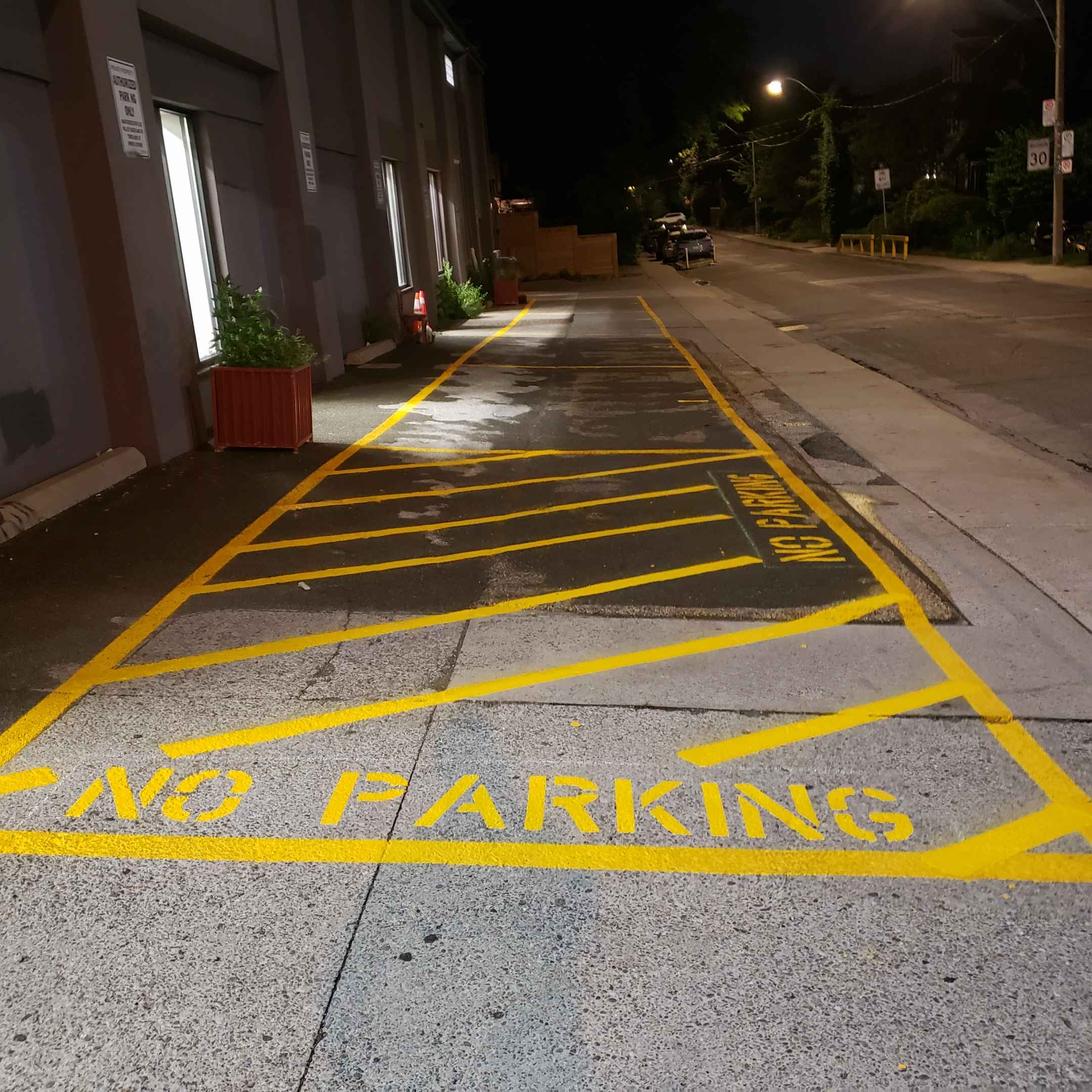
For many high-volume facilities, the only viable option is after-hours work. Night shifts allow for maximum drying time before the morning rush. While this may require coordination with specialized crews, the benefit of zero daytime disruption is invaluable for customer satisfaction.
Phased Implementation
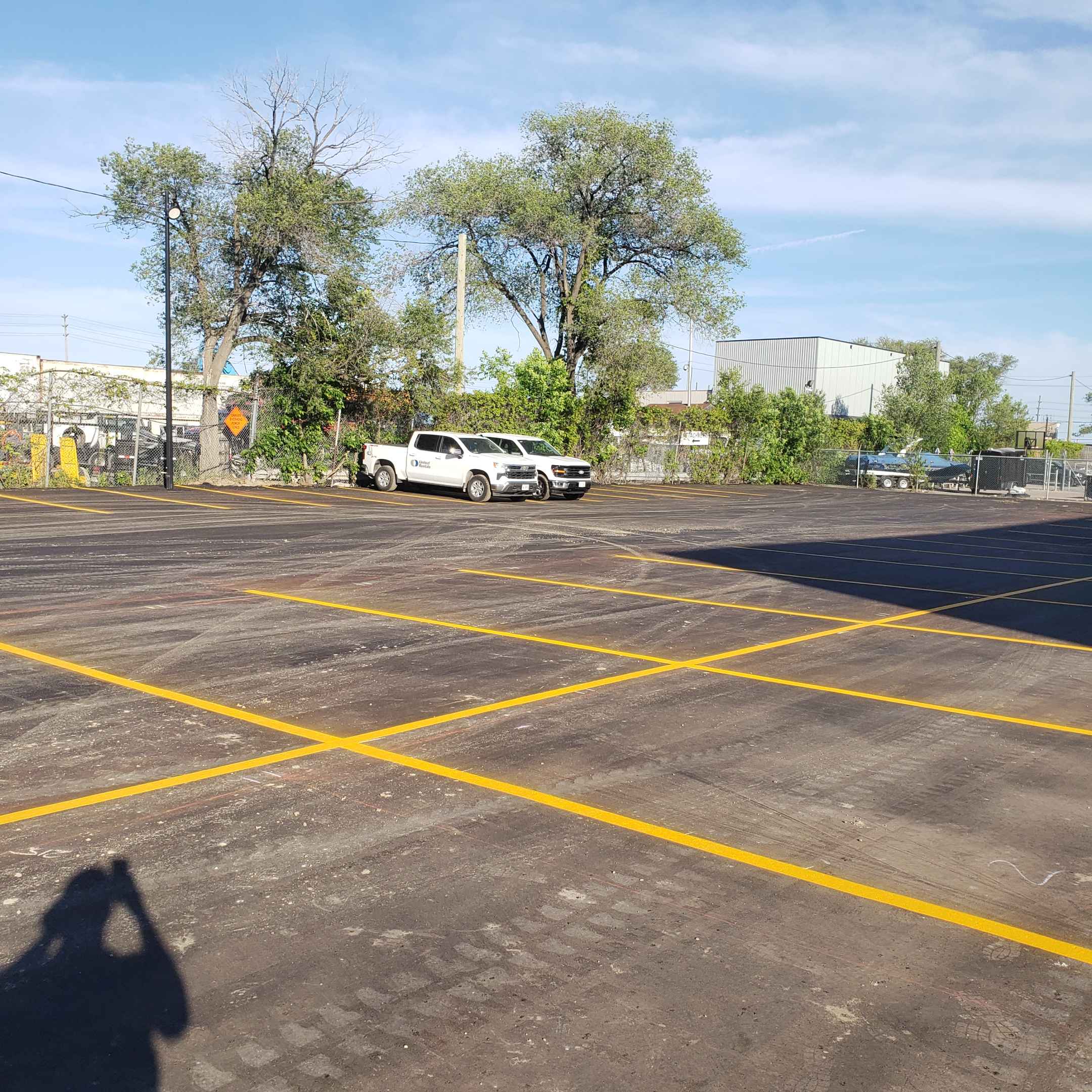
If night work isn't an option, phasing is your best friend. By dividing the lot into zones, you can keep 75% of your capacity available while the other 25% undergoes line marking. This keeps the facility functional while still allowing Capital Parking Lot Line Painting to complete the job with precision.
Common Mistakes to Avoid
Many facility managers make the mistake of prioritizing the lowest immediate effort over long-term efficiency. Here are a few pitfalls to watch out for:
Ignoring Drying Requirements
Opening a lot too early can lead to tire tracks through fresh paint, ruining the job and creating a mess.
Poor Communication
Failing to use temporary cones or signage can lead to drivers entering work zones, creating liability issues.
Project Preview
Precision in every stroke.