Do You Need to Power Wash Before Sealcoating?
Maintaining a professional-looking parking lot requires more than just applying a fresh layer of sealant; it requires meticulous preparation to ensure the job lasts for years.
The Importance of Surface Preparation
When property owners in Brampton look to refresh their asphalt, the most common question we receive is whether the cleaning process is truly necessary. The short answer is: Yes, absolutely.
Sealcoating is designed to act as a protective barrier against UV rays, water penetration, and oil spills. However, for this barrier to work, it must bond directly to the asphalt aggregate. If there is a layer of dirt, sand, or organic debris between the asphalt and the sealant, the bond will fail, leading to premature peeling and cracking.
At Capital Parking Lot Line Painting, we emphasize that the quality of your sealcoating is only as good as the cleanliness of your surface. Skipping the cleaning phase is one of the most common mistakes in asphalt maintenance.
Why Power Washing is Non-Negotiable
Power washing serves several critical functions that go beyond simple aesthetics. It isn't just about making the lot look "clean"; it is about structural integrity.
1. Removing Contaminants
Over time, asphalt accumulates a variety of substances that prevent sealant adhesion. These include:
- Oil and Fuel Spills: These chemicals can break down the sealant if not thoroughly removed.
- Organic Matter: Dirt, leaves, and moss hold moisture that can trap underneath the sealant.
- Fine Dust and Sand: These particles create a "slip plane" that prevents the sealer from grabbing the surface.
- Salt Residue: Especially in Ontario climates, salt buildup can interfere with the chemical bonding process.
2. Exposing the Aggregate
A good sealcoating job needs to penetrate the top layer of the asphalt. Power washing strips away the loose, weathered top layer of debris, exposing the healthy, porous aggregate underneath. This allows the sealant to seep into the crevices, creating a mechanical bond that is much harder to break.
The Professional Workflow
When you hire a professional team like Capital Parking Lot Line Painting, you aren't just paying for the application of liquid; you are paying for a systematic approach to maintenance. A standard professional workflow typically follows these steps:
- Site Inspection and Crack Repair
- Deep Power Washing to remove all debris
- Drying period to ensure no moisture is trapped
- Application of high-quality sealant
- Follow-up with professional Line Painting or Line Marking to restore visibility
Don't Forget the Finishing Touches
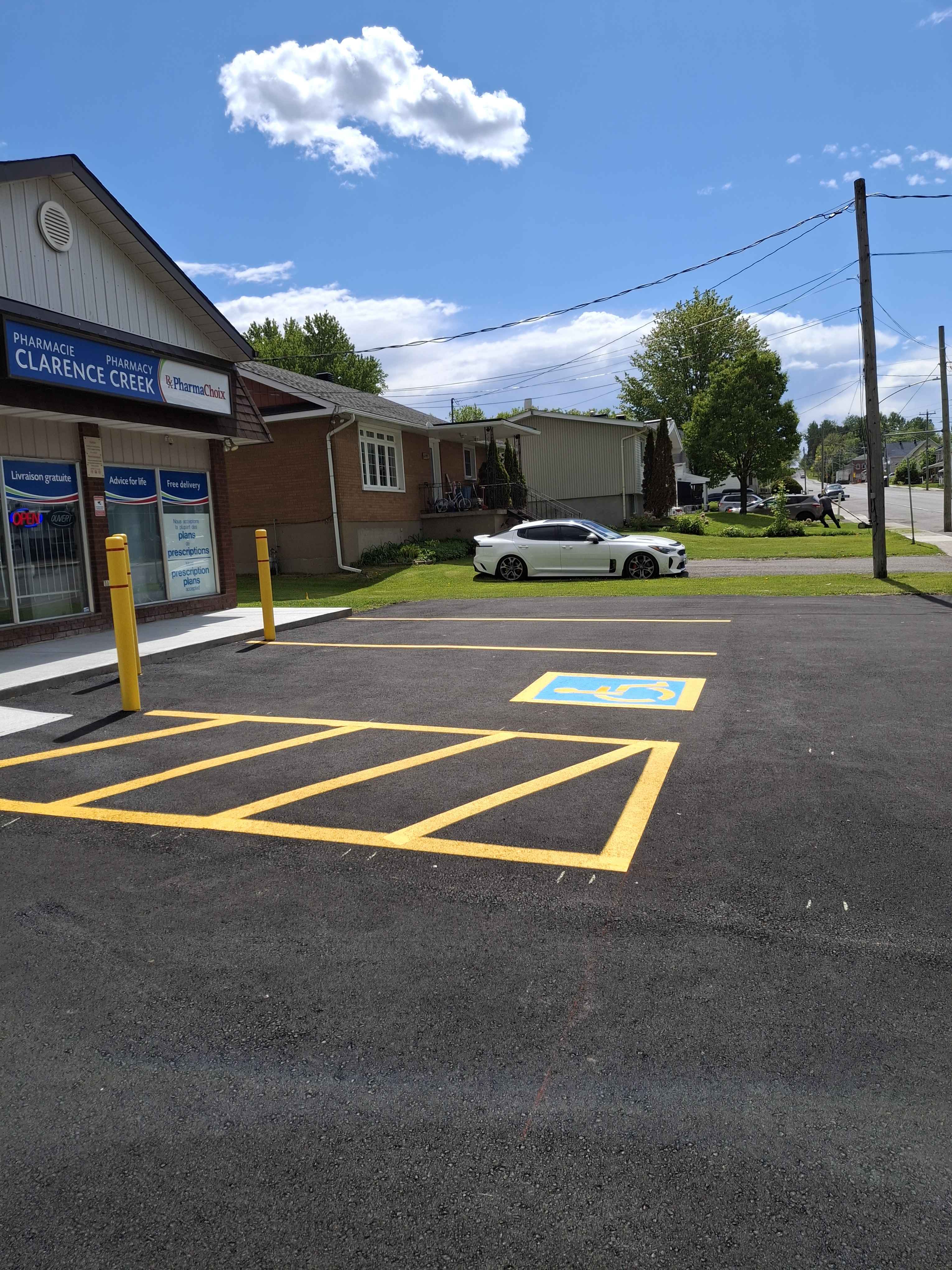
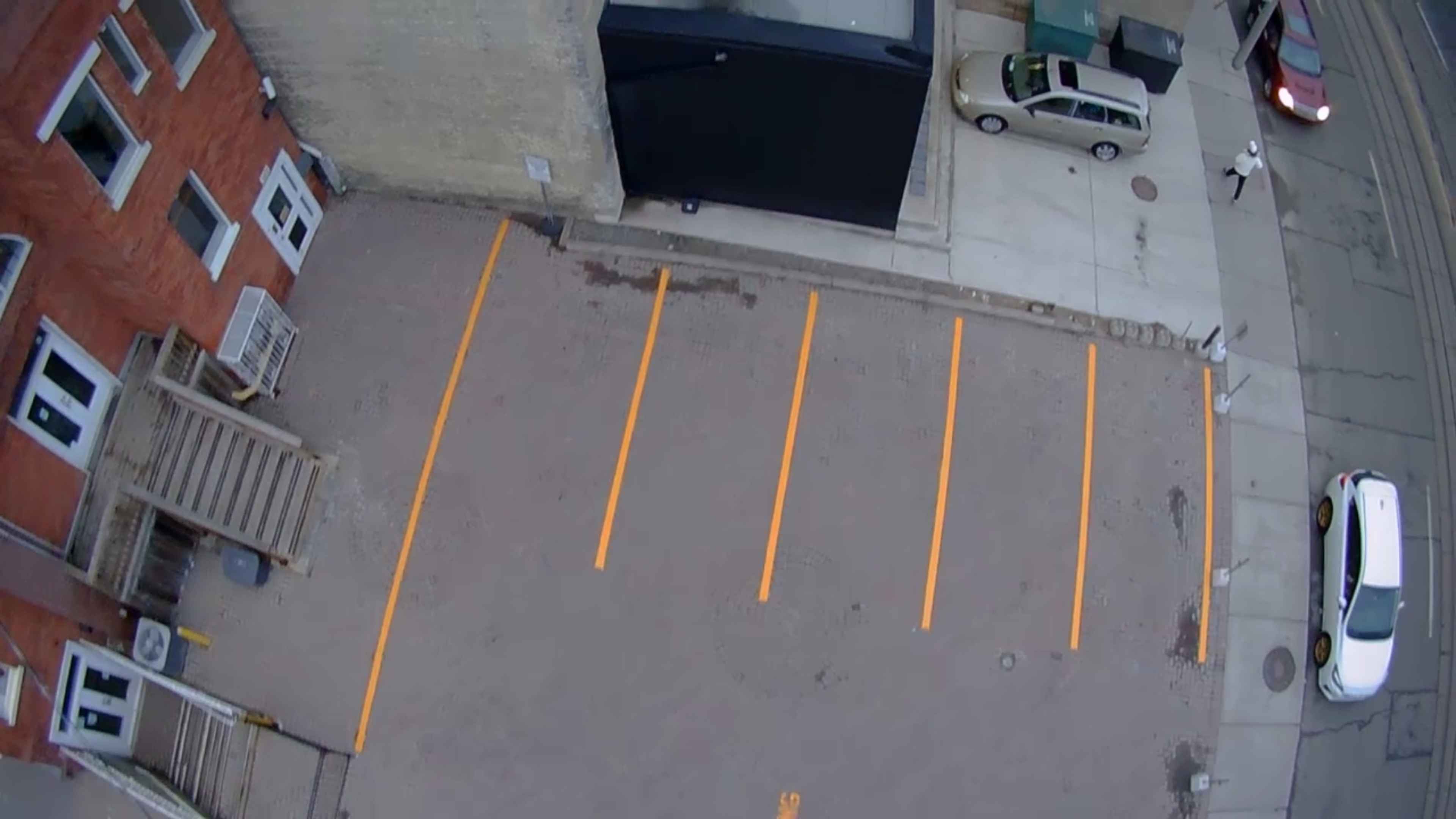
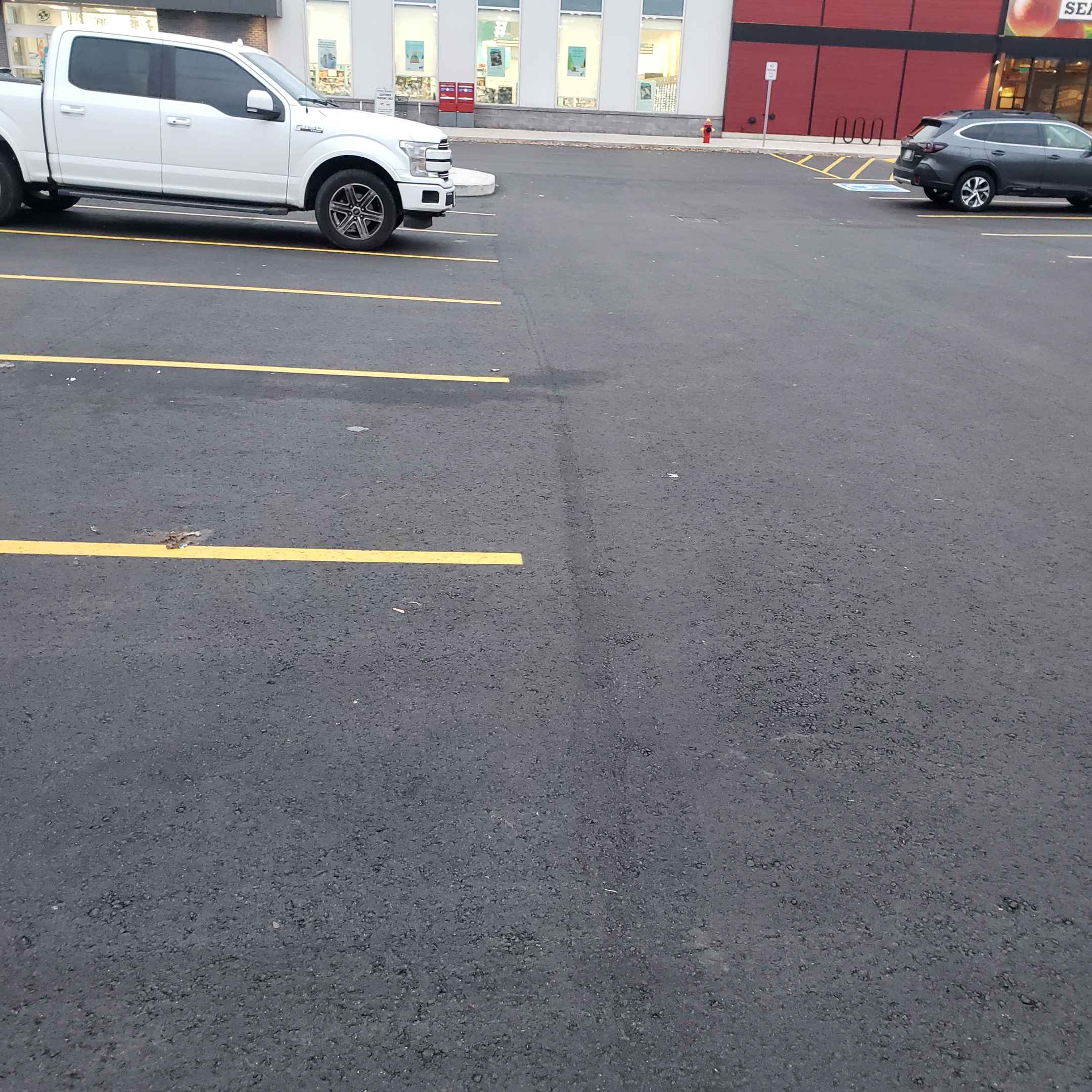
Once the sealcoating is complete and cured, the final step to a rejuvenated lot is high-visibility Line Painting. A freshly sealed black surface provides the perfect high-contrast background for crisp, white or yellow Line Marking. This combination not only improves the curb appeal of your property in Brampton but also ensures safety and compliance with parking regulations.
Common Mistakes to Avoid
If you are considering a DIY approach or hiring an uncertified contractor, watch out for these pitfalls:
- Using too much pressure: Excessive pressure can actually strip the binder from the asphalt, causing more damage.
- Applying sealant to a wet surface: Even after power washing, the asphalt must be completely dry.
- Ignoring cracks: Cleaning is great, but if you don't fill cracks before sealing, water will eventually get under the new coat.
For guaranteed results, we recommend consulting with the experts at Capital Parking Lot Line Painting. We understand the specific environmental challenges faced by asphalt in Ontario and provide solutions that stand the test of time.
Connect With Us
Follow us on social media for more tips, project updates, and professional asphalt maintenance insights!