Do You Need to Remove Old Paint Before Repainting Parking Lines?
Understanding the science of adhesion and surface preparation for professional line marking.
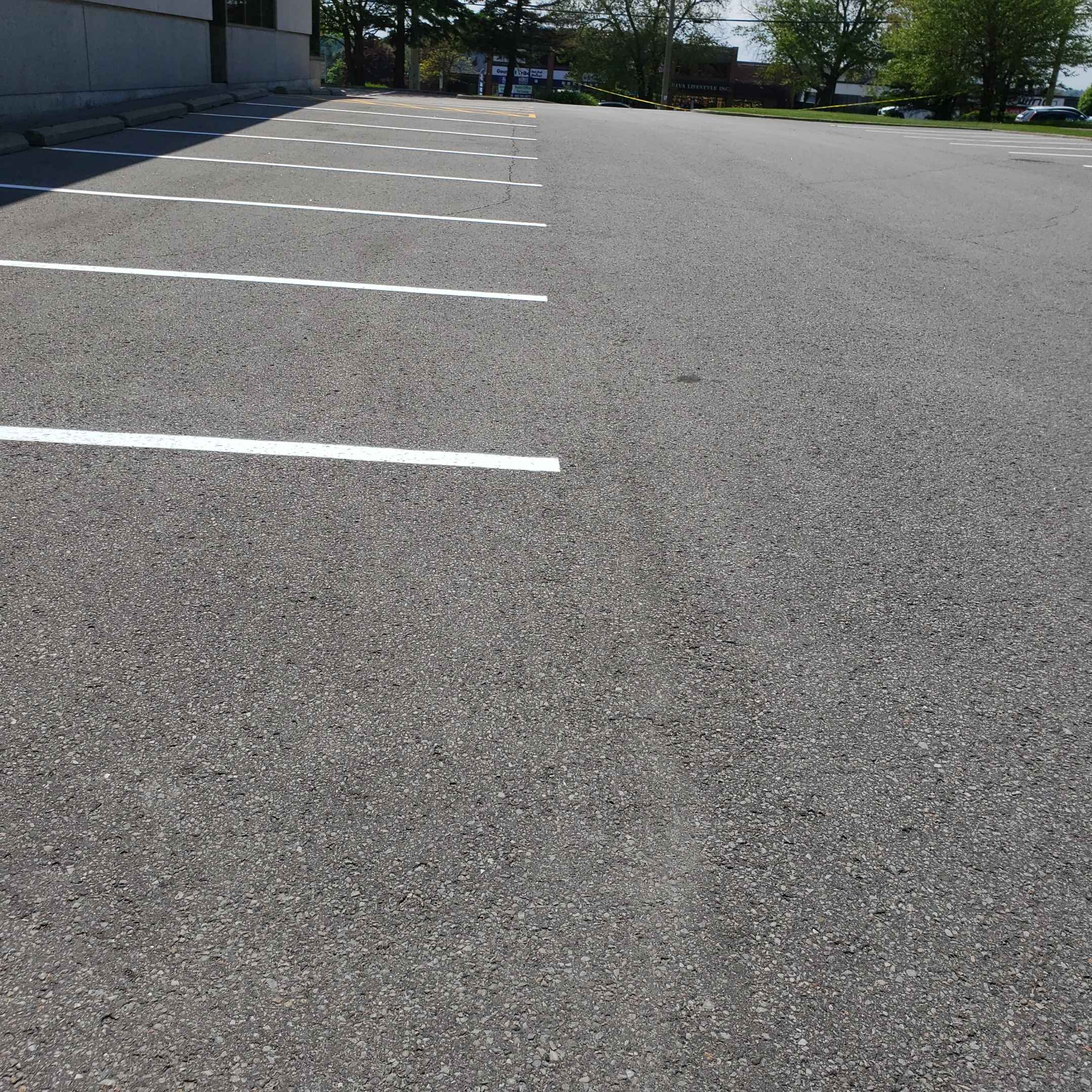
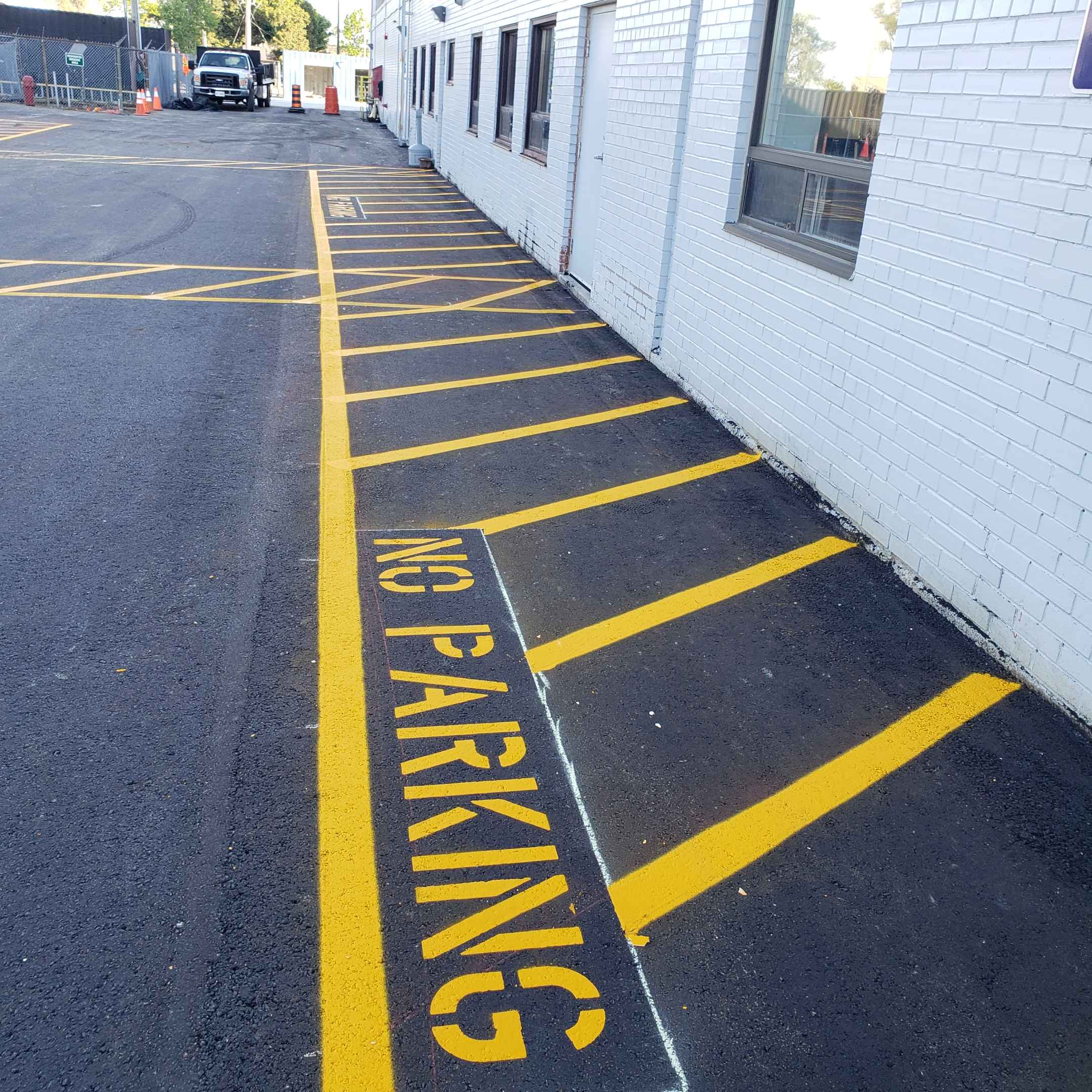
When managing a commercial property in a bustling hub like Hamilton, maintaining the appearance and safety of your parking lot is a top priority. One of the most common questions property managers ask is: "Do I really need to scrape off the old, faded markings before applying new ones, or can I just paint right over them?"
While it may seem like a shortcut to simply layer new paint over the old, the answer isn't always a simple "yes" or "no." It depends heavily on the condition of the existing markings, the type of paint being used, and the substrate of the pavement. At Capital Parking Lot Line Painting, we have seen firsthand how improper preparation can lead to premature peeling and costly re-work.
The Risks of Layering Paint Over Old Markings
In the world of professional line marking, adhesion is everything. For paint to last, it must bond effectively with the asphalt or concrete surface. When you apply fresh paint directly over old, thick layers of weathered markings, you aren't actually bonding to the pavement; you are bonding to the old paint.
1. Reduced Adhesion and Peeling
Old paint is often brittle, cracked, or partially delaminated from the surface. If you apply new material on top of this unstable base, the entire "stack" of paint is prone to flaking off under the pressure of vehicle tires and environmental changes. This is especially common in Ontario, where extreme temperature shifts can cause materials to expand and contract.
2. Uneven Thickness and Texture
Layering paint can lead to an uneven surface. This can result in "clumping" where old lines intersect, creating bumps that can catch debris or even cause minor tripping hazards in pedestrian walkways. Professional line painting requires a smooth, uniform application to ensure visibility and safety.
When is it Okay to Paint Over Old Lines?
There are specific scenarios where skipping the removal process might be acceptable, but these should be determined by an expert. Generally, if the existing markings are still firmly adhered to the pavement, are not excessively thick, and the surface is clean and free of loose debris, a fresh coat of high-quality line marking paint may suffice.
However, if the old paint is flaking, bubbling, or has become significantly raised, removal is non-negotiable. Capital Parking Lot Line Painting recommends a thorough inspection of the surface before any project begins to determine the best course of action for your specific lot.
Common Mistakes in Parking Lot Maintenance
- Applying paint to a dirty or dusty surface.
- Ignoring cracks or potholes and painting over them.
- Using low-grade paint that lacks UV resistance.
- Failing to account for moisture in the asphalt.
- Attempting to layer paint without checking the integrity of the old lines.
The Benefits of Professional Surface Preparation
Investing time in proper preparation—whether that involves mechanical grinding, pressure washing, or complete removal of old markings—yields significant long-term benefits. For property owners in Hamilton, this means a better return on investment and a safer environment for customers.
Enhanced Durability
When the paint makes direct contact with the clean, porous surface of the asphalt, it creates a much stronger mechanical bond. This ensures that your line marking stays crisp and visible through heavy traffic and harsh Canadian winters.
Improved Visibility and Safety
Clean, freshly applied lines provide the highest level of contrast. This is critical for ADA compliance, directing traffic flow, and ensuring that parking stalls and pedestrian crossings are unmistakable to drivers and pedestrians alike.
"Don't settle for temporary fixes. Ensure your parking lot is maintained with precision and professional standards. Contact Capital Parking Lot Line Painting for a consultation on your next project."
Conclusion: Making the Right Choice
Deciding whether to remove old paint is a balance between immediate aesthetics and long-term structural integrity. While layering might save a small amount of time upfront, the risk of premature failure often outweighs the benefits. By prioritizing proper surface preparation, you ensure that your line marking remains a durable, high-quality asset for your property.