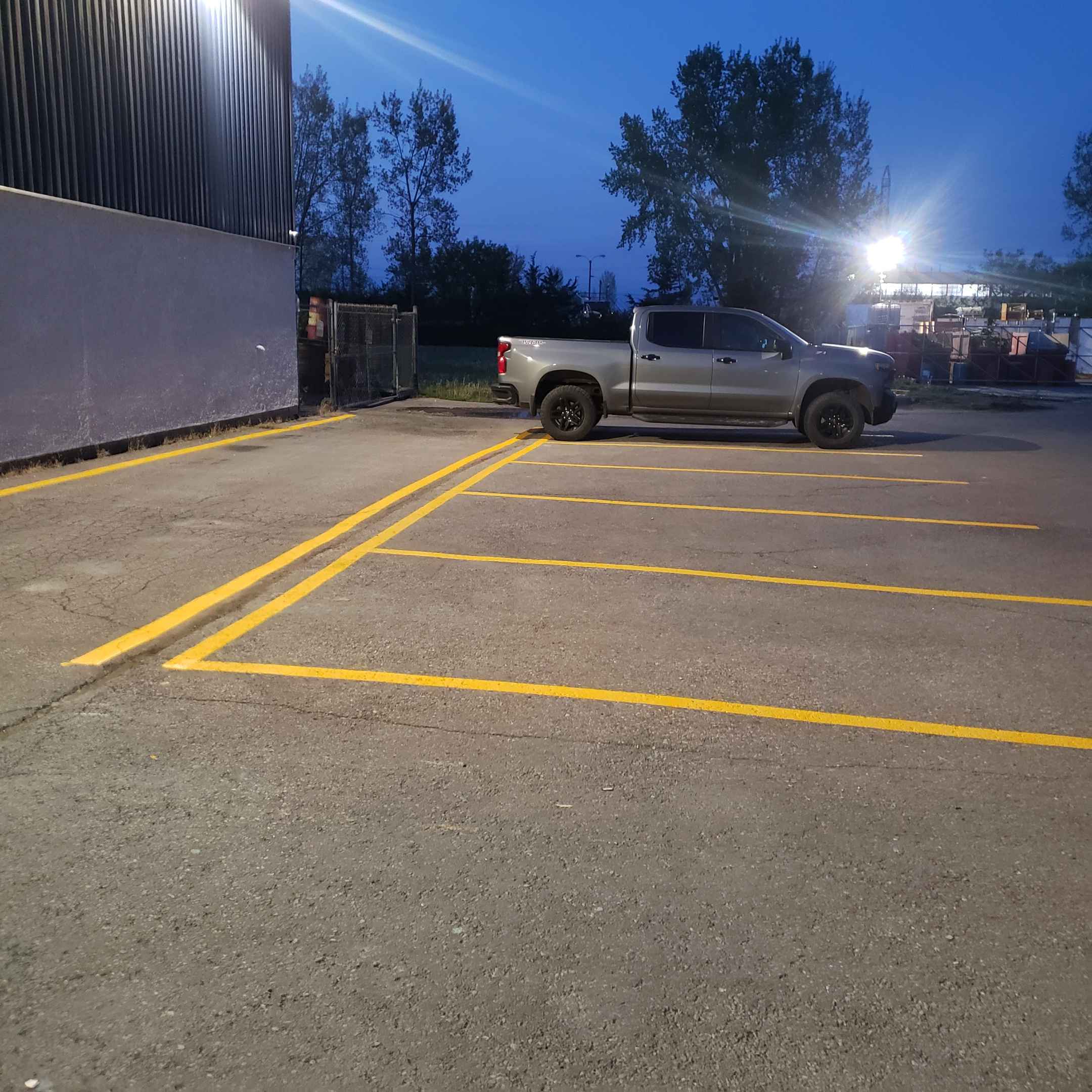
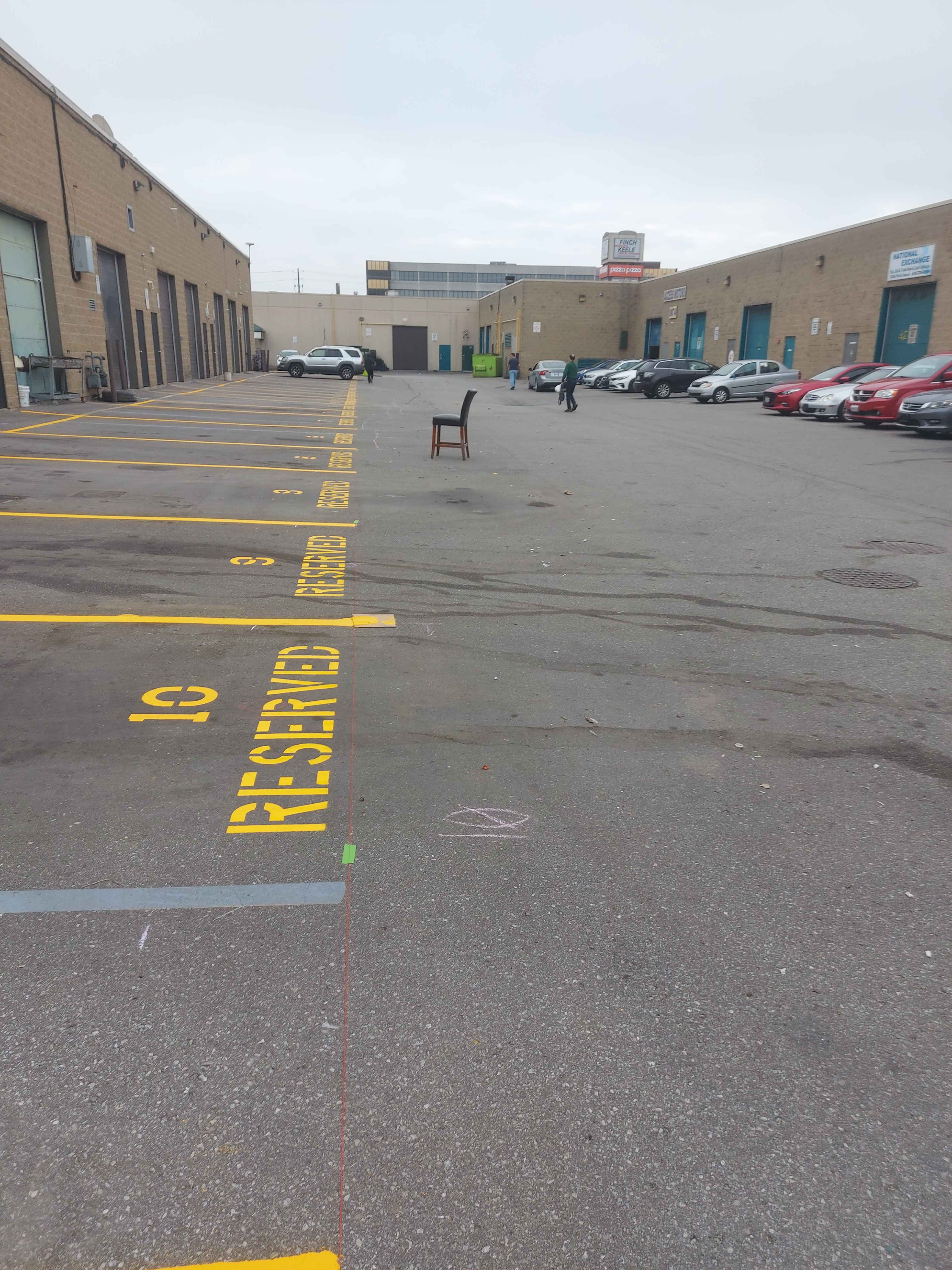
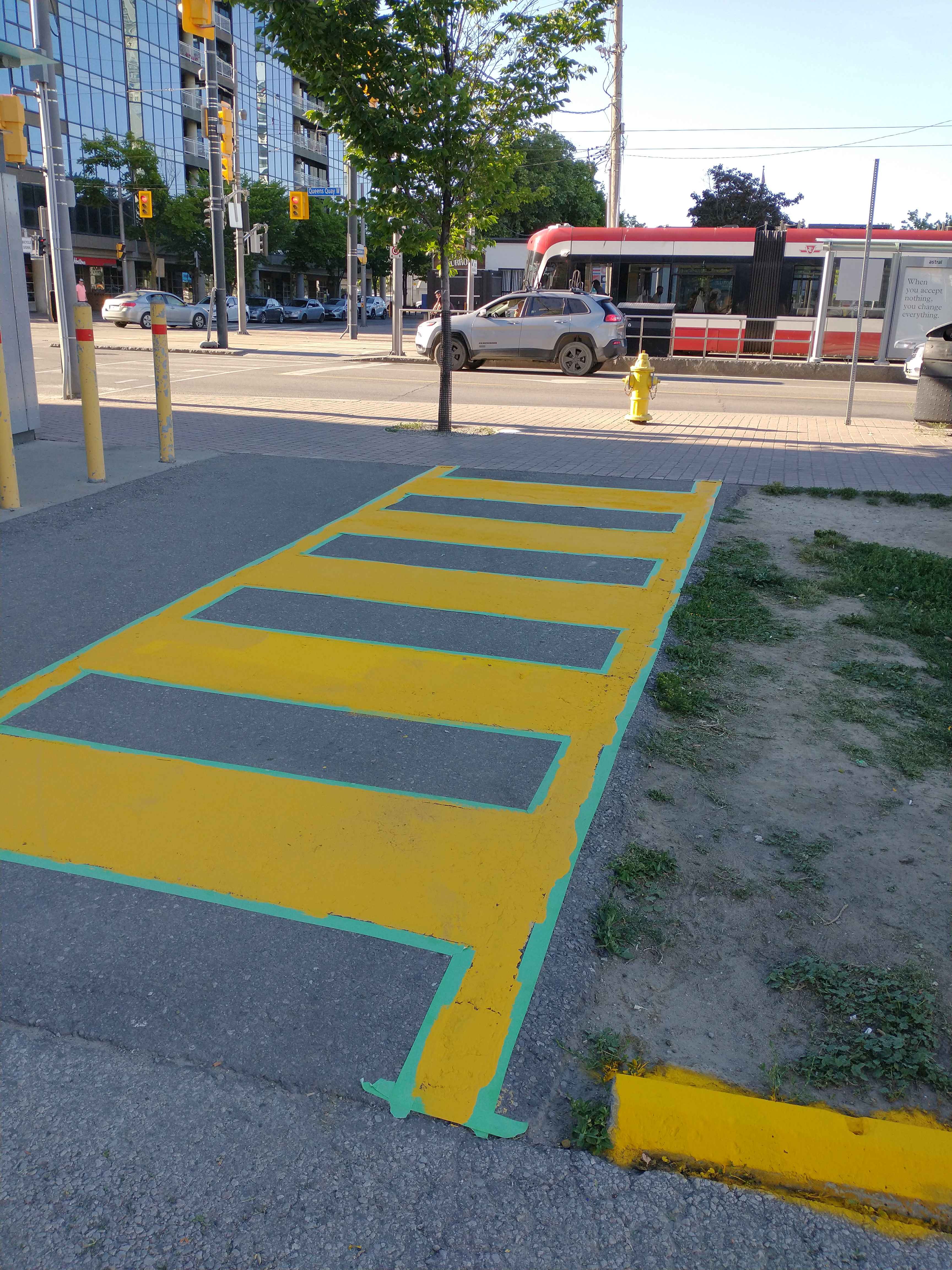
Do You Need to Remove Old Paint Before Repainting Parking Lines?
Maintaining a clean, professional-looking parking lot is essential for property owners, yet one of the most common questions we face involves the preparation process: Should you strip the old markings, or just paint over them?
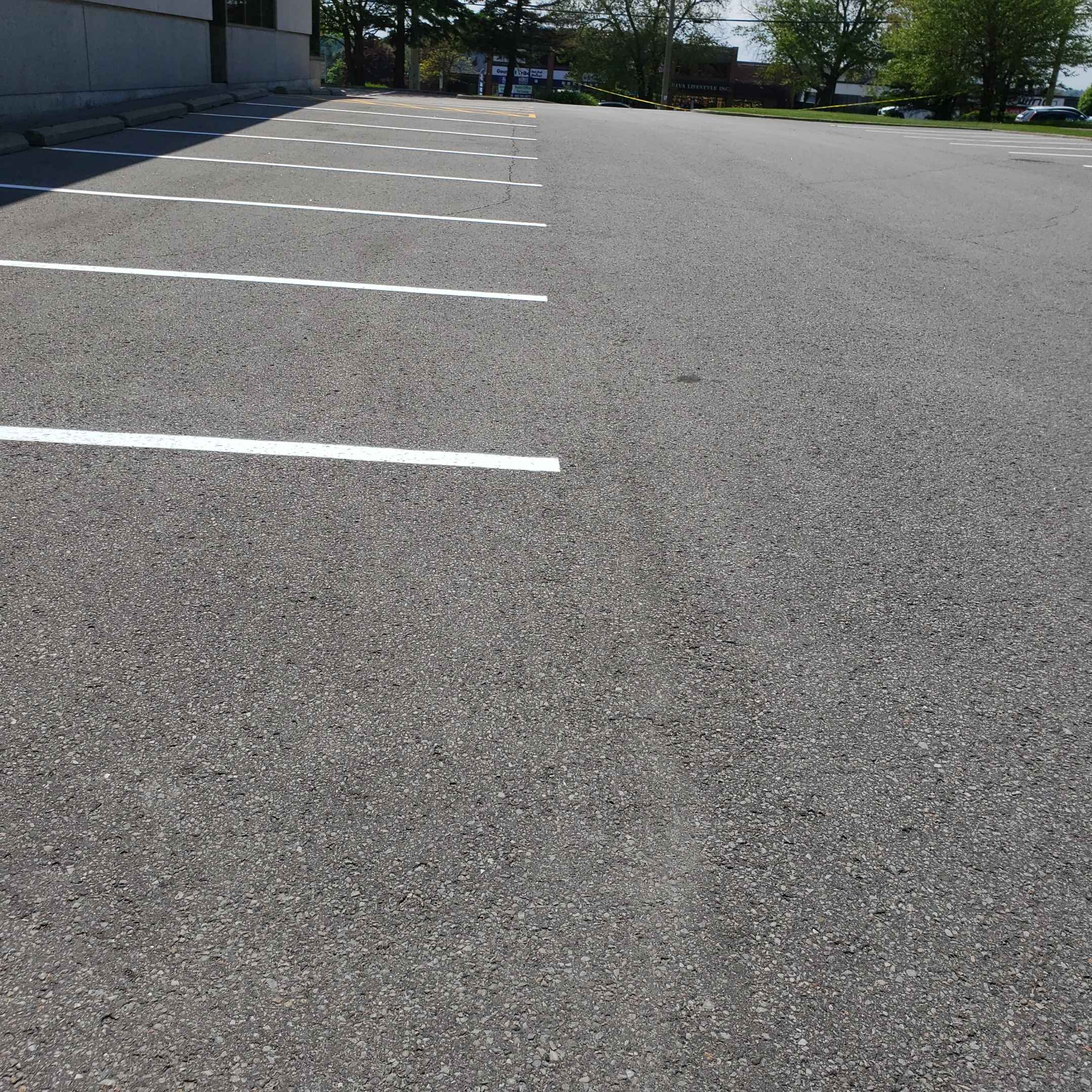
When it comes to curb appeal and safety, the condition of your asphalt tells a story. Faded, peeling, or cluttered lines can make a commercial property in a bustling area like Mississauga look neglected. If you are planning a refresh, the first technical hurdle is deciding how to handle the existing layers of pigment. At Capital Parking Lot Line Painting, we believe that understanding the science behind adhesion and surface preparation is the key to a long-lasting finish.
The Case for Removing Old Paint
In many scenarios, removing old paint is the superior choice. This is particularly true if the existing markings are heavily layered, chipped, or if the layout of the parking lot is changing. If you simply apply new line marking over old, thick layers, you run several risks.
Why Removal Matters
Old paint, especially if it has been weathered by harsh Ontario winters, can lose its bond with the asphalt. If you apply fresh, high-quality paint over a failing base, the new layer will only be as strong as the old layer beneath it. When the old paint eventually peels, it will take your brand-new investment with it.
- Prevents Peeling: Ensures the new line marking adheres directly to the textured asphalt surface.
- Cleaner Layouts: Allows for precise new configurations without "ghost lines" from previous markings.
- Uniform Thickness: Avoids the unsightly "clumping" effect caused by multiple layers of buildup.
- Improved Visibility: A clean surface allows the pigment to sit evenly, maximizing reflectivity.
When Can You Paint Over Old Lines?
It isn't always necessary to perform a full striping of the surface. If the existing lines are still firmly bonded to the pavement and the layout of the parking lot remains exactly the same, painting over them can be a viable option. This is often referred to as "refreshing" the lines.
However, Capital Parking Lot Line Painting recommends a thorough inspection before choosing this route. If the old paint is flaking, bubbling, or has become a thick, rubbery mess, painting over it is a recipe for premature failure. In a top 30 city like Mississauga, where traffic volume and weather fluctuations are high, your parking lot markings need to withstand significant stress.
Professional Assessment is Key
Deciding between removal and refreshing requires professional expertise. A technician can evaluate the substrate integrity and the type of paint used previously (water-based vs. solvent-based) to determine the best course of action for your specific asphalt condition.
Common Mistakes in Line Painting Preparation
Many property managers attempt to save time by skipping the preparation phase, but this often leads to increased long-term costs. Here are the mistakes we see most often:
- Ignoring "Ghost Lines": Painting over old, faded lines that are in the wrong place, creating visual confusion for drivers.
- Applying Paint to Dirty Surfaces: Failing to clean dust, oil, or debris before starting the line marking process.
- Ignoring Moisture: Attempting to paint over damp asphalt, which prevents proper bonding.
By partnering with Capital Parking Lot Line Painting, you ensure that these technical nuances are handled by experts who prioritize durability and precision.
Conclusion
Should you remove old paint? If the lines are thick, peeling, or the layout is changing, the answer is a resounding yes. If the lines are thin, intact, and in the correct position, a refresh may suffice. Regardless of your choice, the goal is always the same: clear, safe, and professional line marking that enhances your property's value.