The Role of Sealcoating in Your Asphalt Maintenance Plan
Protecting your investment starts from the surface up. Discover why sealcoating is the unsung hero of pavement longevity.
For property managers, business owners, and homeowners alike, an asphalt parking lot or driveway is more than just a way to park vehicles; it is a significant capital investment. However, asphalt is a living, breathing material that is constantly under siege from environmental stressors, heavy traffic, and chemical spills. Without a proactive approach to maintenance, even the highest quality pavement will succumb to the ravages of time.
One of the most critical, yet often overlooked, components of a comprehensive maintenance strategy is sealcoating. At Capital Parking Lot Line Painting, we have seen firsthand how regular sealcoating can extend the life of an asphalt surface by years, if not decades. In a climate like Greater Sudbury, where seasonal shifts are extreme, this protection is not just a luxury—it is a necessity.
What Exactly is Sealcoating?
Sealcoating is the process of applying a protective liquid coating to the surface of your asphalt. This coating acts as a sacrificial layer, meaning it takes the brunt of the environmental damage so that the structural asphalt underneath remains intact. It fills in the microscopic pores of the asphalt, creating a barrier against moisture and oxidation.
When asphalt is exposed to the sun, UV rays begin to break down the bitumen (the "glue" that holds the rocks together). This causes the asphalt to turn gray and become brittle. Sealcoating replenishes this binder and provides a fresh, dark aesthetic that makes any property look well-maintained.
The Essential Benefits of Regular Sealcoating
Investing in sealcoating provides several layers of protection and value. Here are the primary reasons why it should be a recurring item in your maintenance budget:
- UV Protection: Blocks harmful ultraviolet rays from oxidizing the asphalt binder.
- Moisture Barrier: Prevents water from seeping into the sub-base, which is crucial for preventing freeze-thaw damage.
- Chemical Resistance: Protects the surface from oil, gasoline, and salt spills that can dissolve asphalt.
- Aesthetic Enhancement: Restores the deep black color of new asphalt, significantly improving curb appeal.
- Crack Mitigation: Helps seal small hairline cracks before they expand into costly potholes.
The Greater Sudbury Challenge: Weather and Salt
Being located in Greater Sudbury, a top 30 city in Ontario, presents unique challenges for asphalt longevity. Our region experiences intense summer heat followed by brutal, freezing winters. This cycle of expansion and contraction is the primary enemy of pavement. When water enters small cracks and freezes, it expands, widening the cracks and eventually creating potholes.
Furthermore, the heavy use of road salt during our long winters introduces corrosive elements to your parking lot. Capital Parking Lot Line Painting recommends a consistent sealcoating schedule to ensure that these corrosive elements cannot penetrate the surface and compromise the structural integrity of your lot.
Integrating Sealcoating with Line Marking
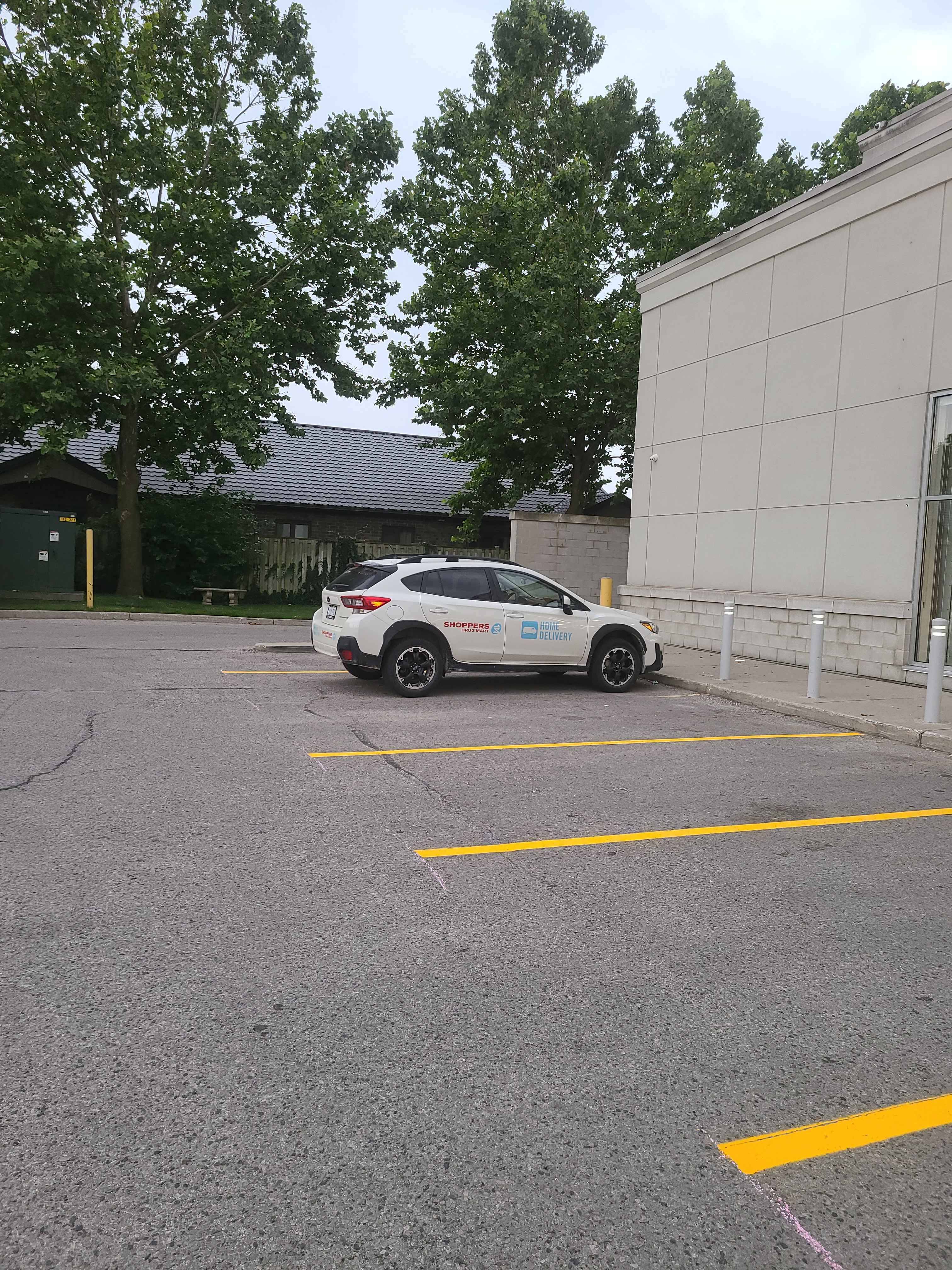
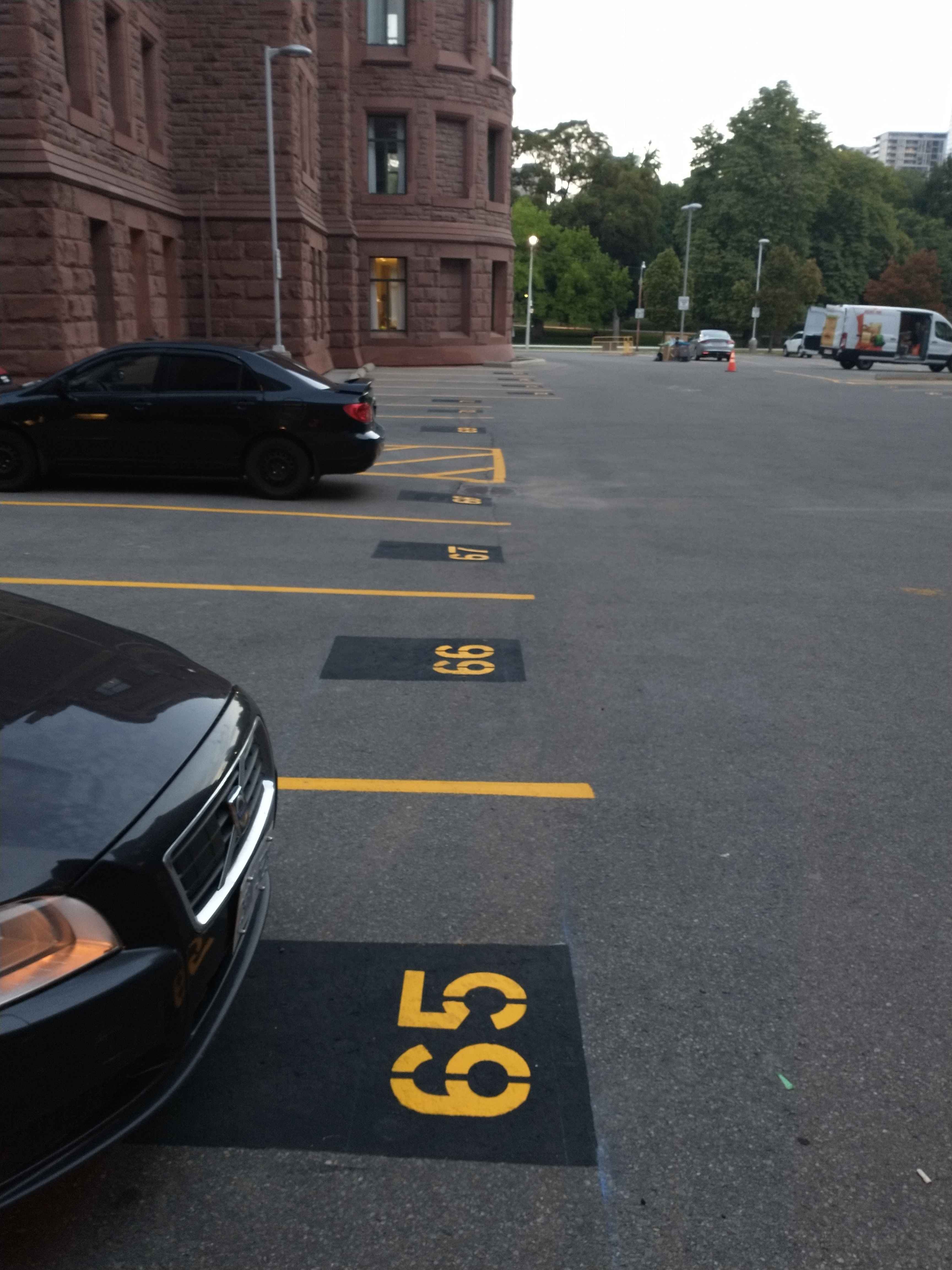
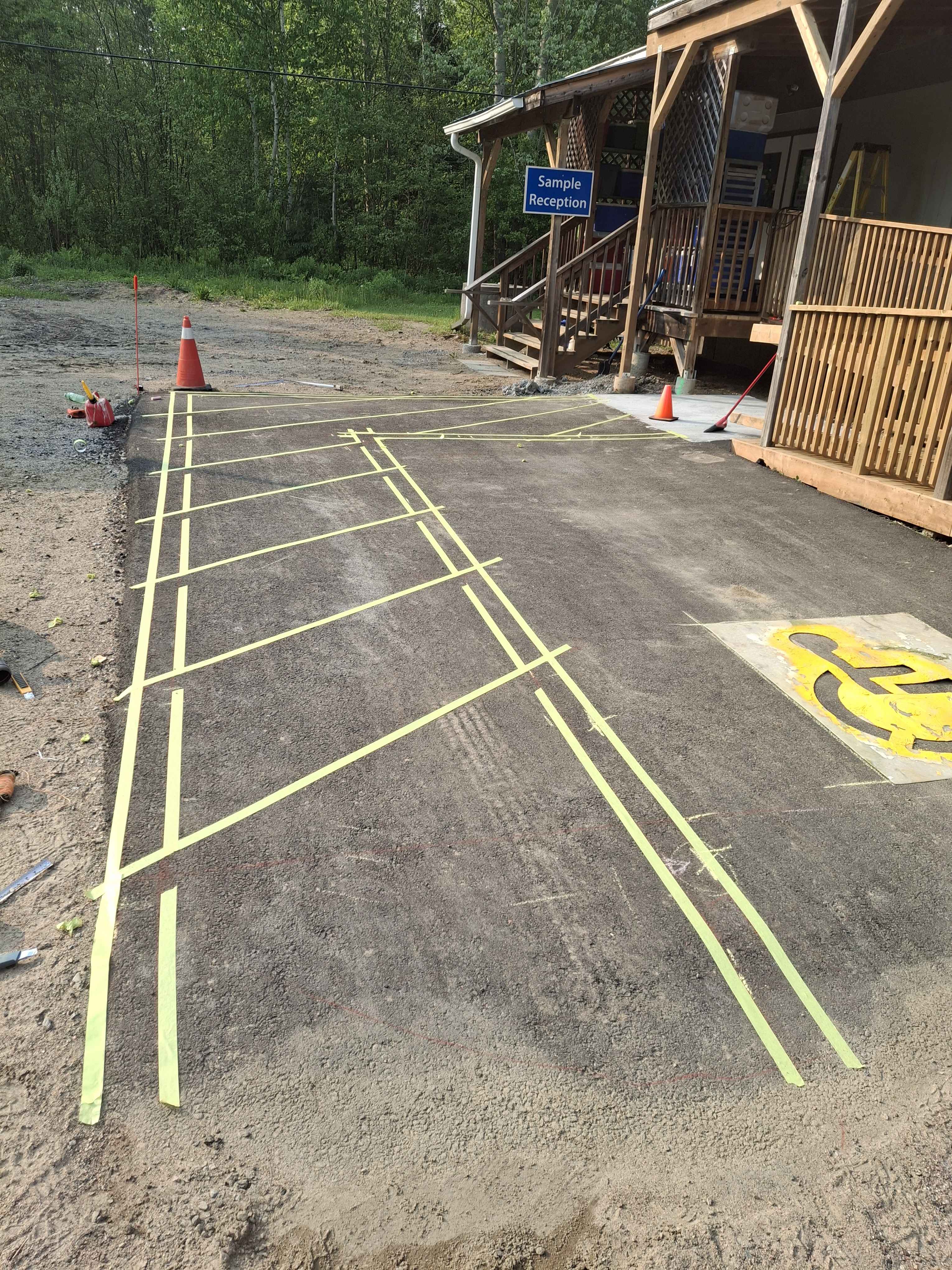
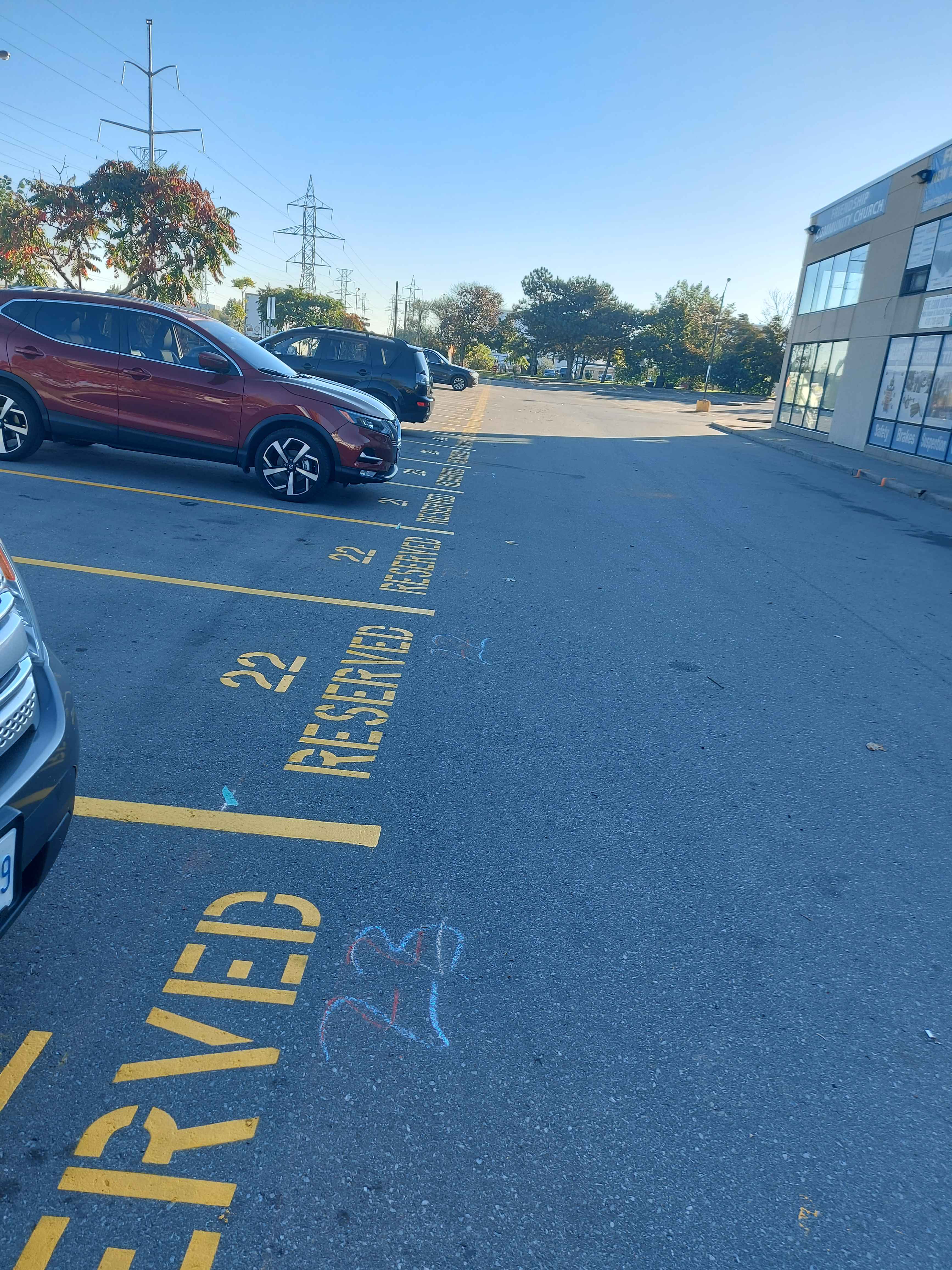
A maintenance plan is not complete with sealcoating alone. To ensure safety and compliance, your parking lot must also feature clear, visible markings. We highly recommend coordinating your sealcoating with professional Line Marking or Line Painting services.
Applying fresh Line Painting over a newly sealcoated surface provides a high-contrast, professional look that guides traffic, designates handicap stalls, and ensures pedestrian safety. This combination of a protected surface and crisp markings provides the ultimate professional appearance for any commercial property.
Common Mistakes to Avoid in Asphalt Maintenance
To maximize your return on investment, avoid these common pitfalls:
1. Waiting Until the Damage is Visible
By the time you see large cracks or potholes, the damage is already structural. Sealcoating is a preventative measure. If you wait until the asphalt is crumbling, you are no longer maintaining; you are repairing, which is significantly more intensive.
2. Neglecting Surface Cleaning
Sealcoat will not adhere to a dirty surface. Professional crews ensure that all debris, dirt, and oil are removed before application. Attempting a DIY approach without proper preparation often leads to premature peeling.
3. Skipping Regular Inspections
An annual inspection of your pavement can help you determine if you need a simple sealcoat or if more advanced repairs are required. Capital Parking Lot Line Painting provides expert assessments to help you stay ahead of the curve.
Summary of Maintenance Steps
Step 1: Inspection
Identify cracks, wear patterns, and drainage issues.
Step 2: Preparation
Clean, power wash, and repair existing cracks.
Step 3: Application
Apply sealcoat and follow with professional Line Marking.
Ready to protect your pavement?
Don't wait for the cracks to appear. Contact the experts at Capital Parking Lot Line Painting today to schedule your professional maintenance assessment.