The Role of Sealcoating in Your Asphalt Maintenance Plan
Maintaining a professional and durable parking lot requires more than just periodic repairs; it requires a proactive strategy designed to combat the elements.
Understanding the Importance of Sealcoating
Asphalt is a resilient material, but it is not invincible. Constant exposure to UV rays, water penetration, oil spills, and the harsh seasonal shifts we experience in St. Catharines can quickly degrade the binder that holds your pavement together. Without a protective barrier, asphalt becomes brittle, leading to cracks, potholes, and eventual structural failure.
This is where sealcoating comes into play. Sealcoating is the process of applying a protective liquid coating to the surface of your asphalt. Think of it as a high-quality sunscreen for your parking lot. It fills in tiny pores and hairline cracks, creating a smooth, waterproof shield that prevents oxidation and moisture from seeping into the sub-base.
At Capital Parking Lot Line Painting, we emphasize that sealcoating is not merely an aesthetic upgrade; it is a fundamental preventative maintenance step that preserves the integrity of your investment.
The Core Benefits of Regular Sealcoating
When you integrate sealcoating into your annual or biennial maintenance schedule, you unlock several key advantages for your property:
- Extended Asphalt Lifespan: By preventing oxidation and moisture damage, you delay the need for expensive resurfacing or total replacement.
- Enhanced Curb Appeal: A freshly sealed lot provides a deep, rich black finish that makes your property look well-maintained and professional.
- Improved Safety: Sealcoating helps smooth out minor surface irregularities, reducing the risk of trips and falls.
- Resistance to Chemicals: The coating acts as a barrier against oil, gas, and chemical spills that would otherwise eat away at the asphalt binder.
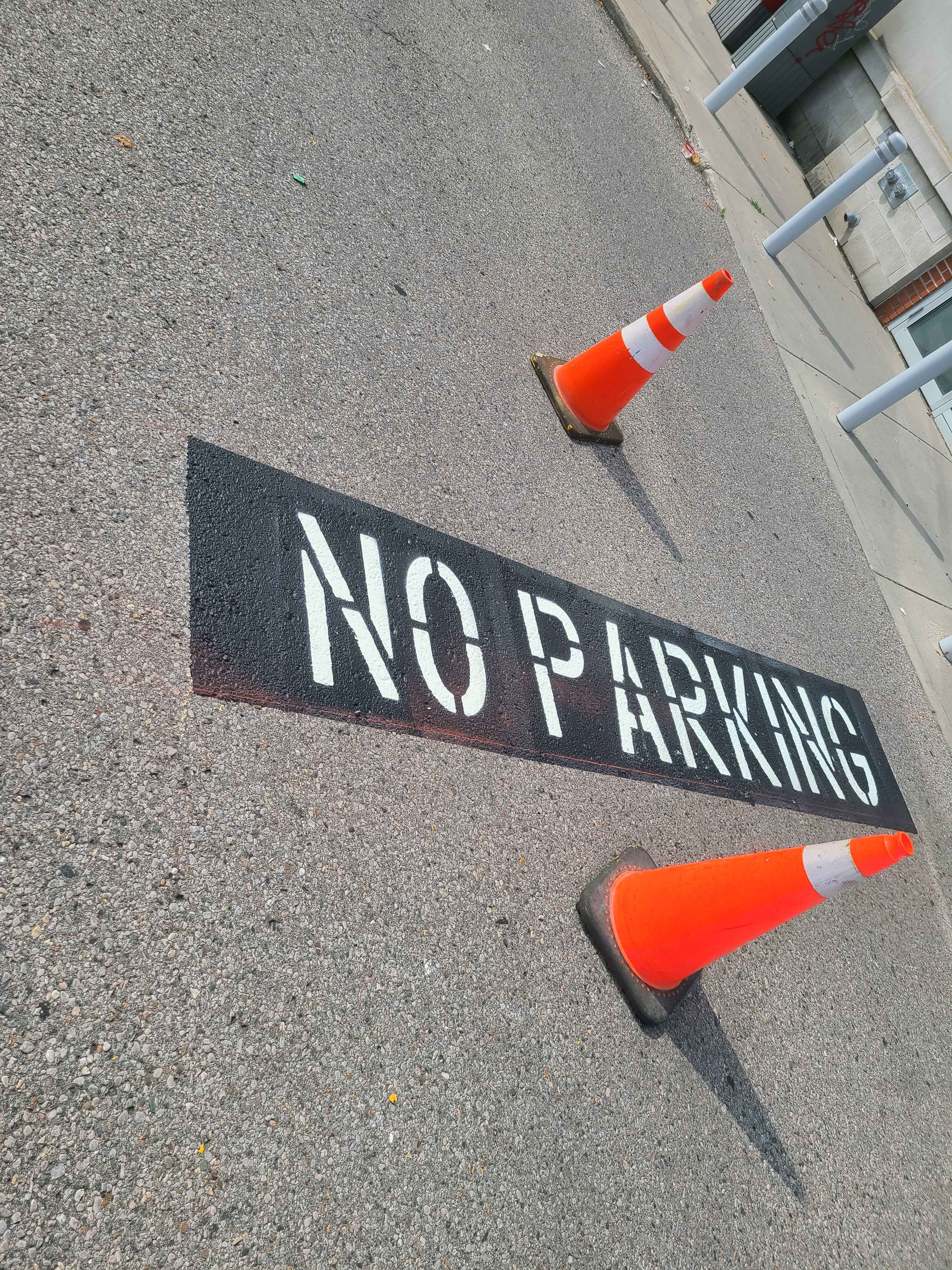
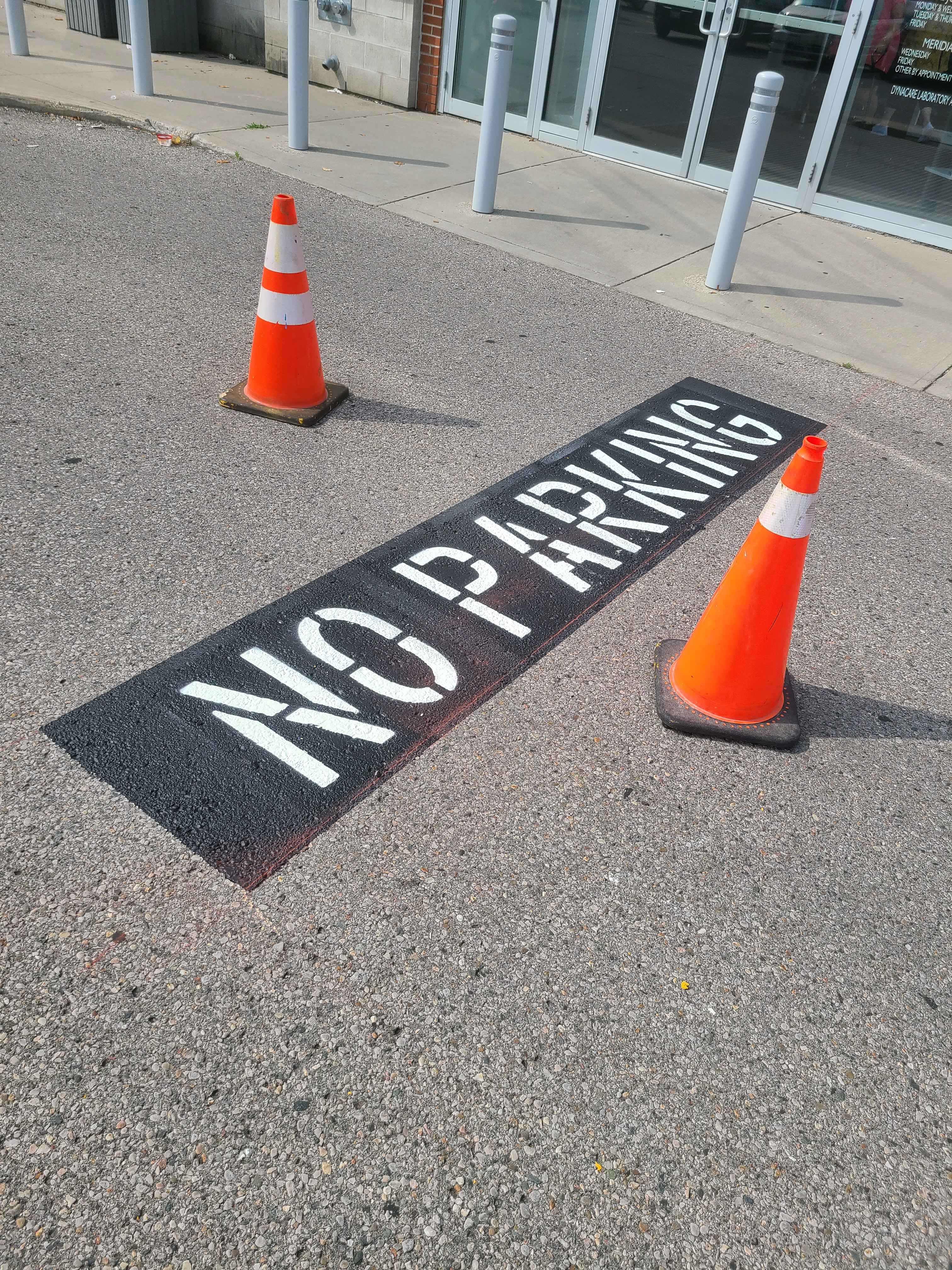
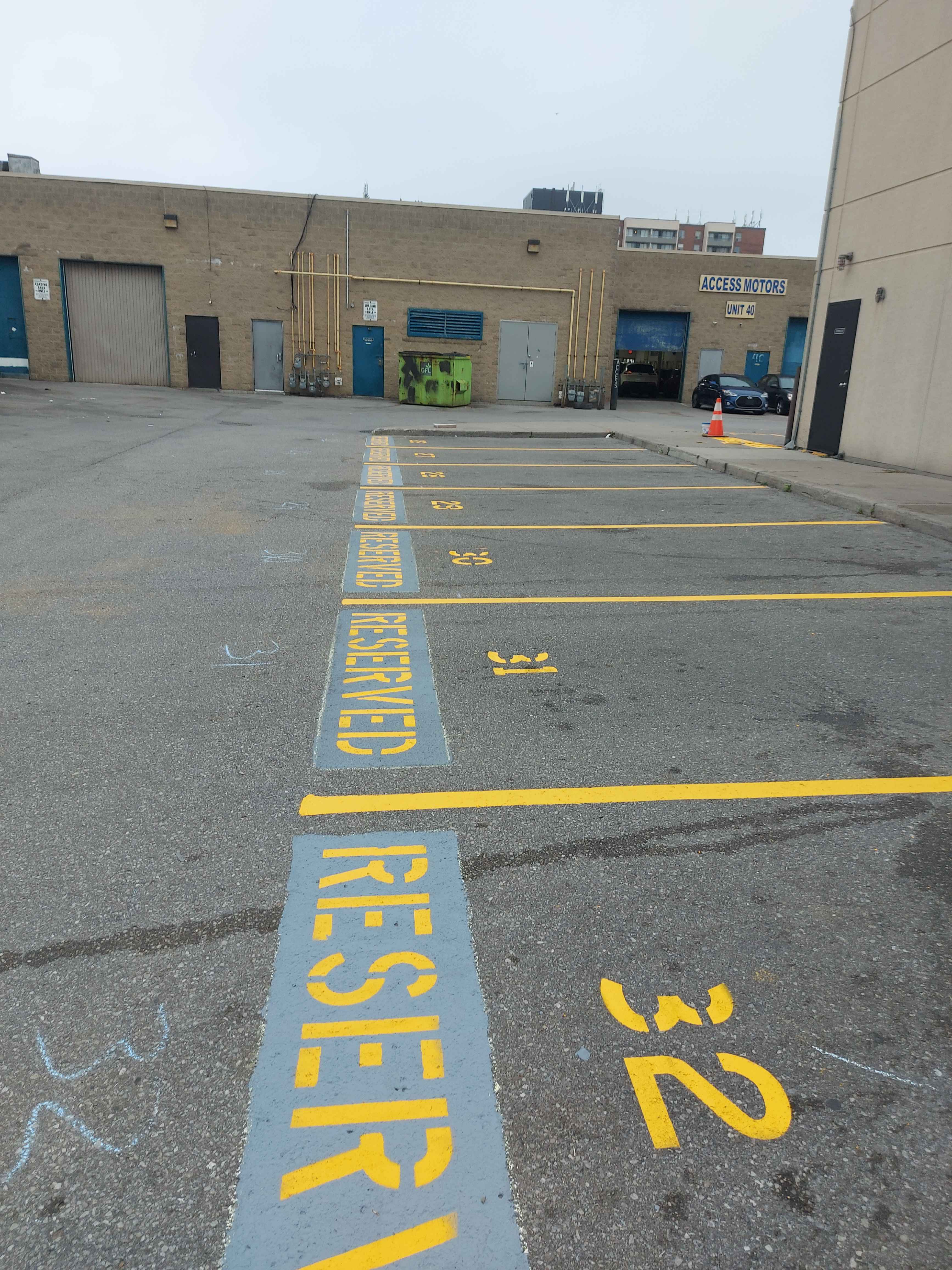
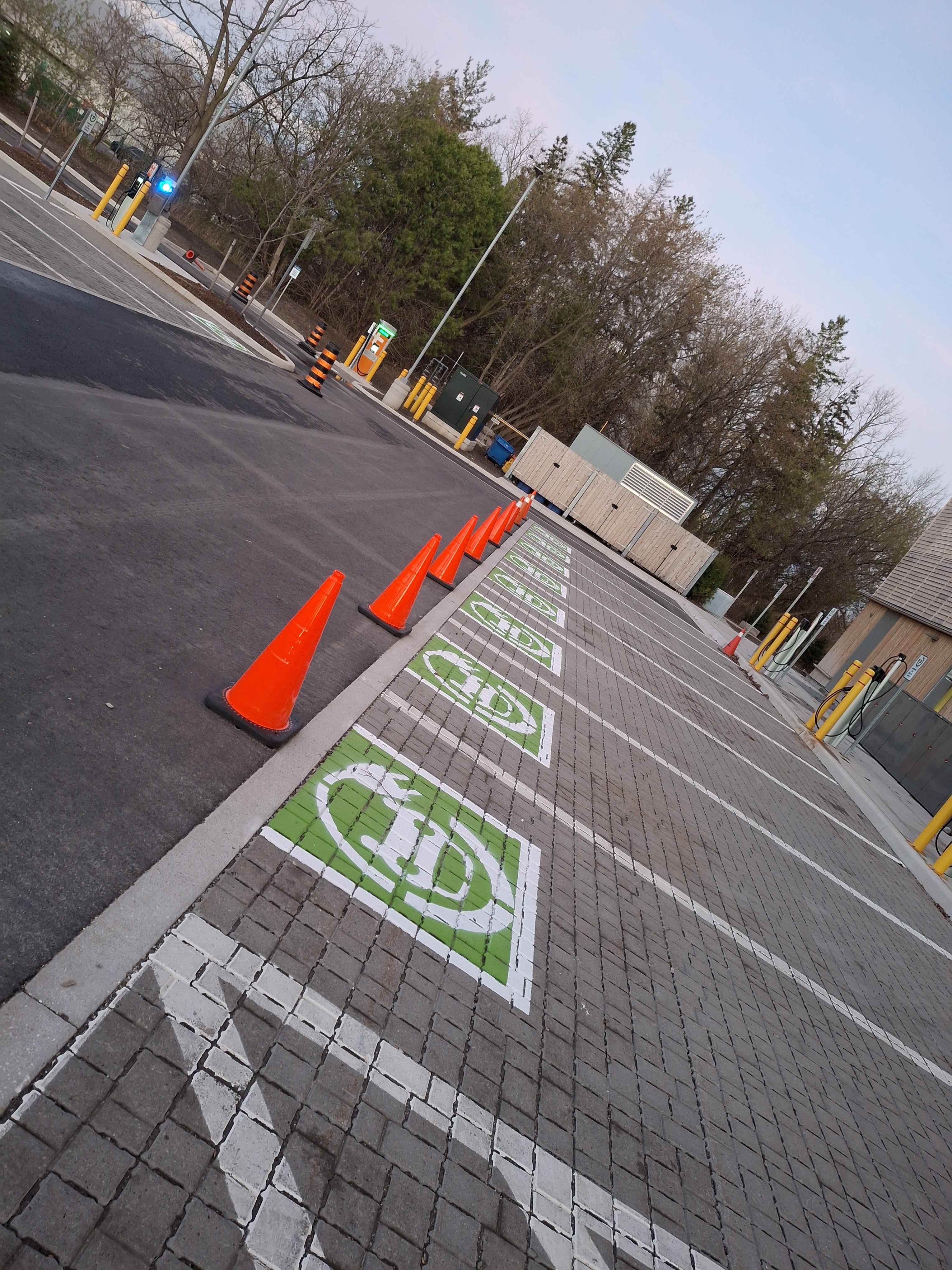
- Better Visibility for Line Marking: A dark, clean surface provides the perfect high-contrast backdrop for professional Line Marking, ensuring your parking stalls and directional arrows are highly visible.
Sealcoating vs. Patching: A Proactive Approach
Many property managers make the mistake of waiting until they see significant damage before calling for service. While patching is necessary for existing potholes, it is a reactive measure. If you only patch holes, you are treating the symptoms rather than the disease.
By the time a pothole forms, the structural integrity of the asphalt has already been compromised. By implementing a sealcoating schedule through Capital Parking Lot Line Painting, you address the surface vulnerabilities before they escalate into deep structural issues. This proactive approach is especially vital in St. Catharines, where freeze-thaw cycles can turn a small crack into a major hazard overnight.
Maximize Your Investment
A comprehensive maintenance plan should always include a combination of sealcoating and Line Painting. While the sealcoat protects the surface, fresh Line Marking ensures traffic flows safely and efficiently. Together, these services ensure your lot remains functional, safe, and visually appealing for years to come.
Common Mistakes to Avoid in Asphalt Care
To get the most out of your maintenance budget, avoid these common pitfalls:
1. Neglecting Regular Inspections
Don't wait for a customer to complain about a bump in the road. Conduct regular walk-throughs of your parking facilities.
2. Applying Sealcoat Over Dirty Surfaces
Sealcoating requires a clean, dry surface to bond properly. Professional crews like those at Capital Parking Lot Line Painting ensure proper cleaning and preparation before application.
3. Skipping the Line Marking
Even a perfectly sealed lot looks neglected if the lines are faded. Always coordinate your sealcoating with fresh Line Painting for the best results.
Conclusion
Sealcoating is the most cost-effective way to protect your asphalt and ensure the longevity of your parking lot. By preventing the inevitable wear and tear caused by the environment, you save significant resources in the long run. Don't wait for the cracks to appear—plan ahead and keep your surfaces pristine.