The Science Behind Asphalt Cracking and How to Stop It
Understanding the molecular and environmental forces that degrade your pavement is the first step toward long-term preservation.
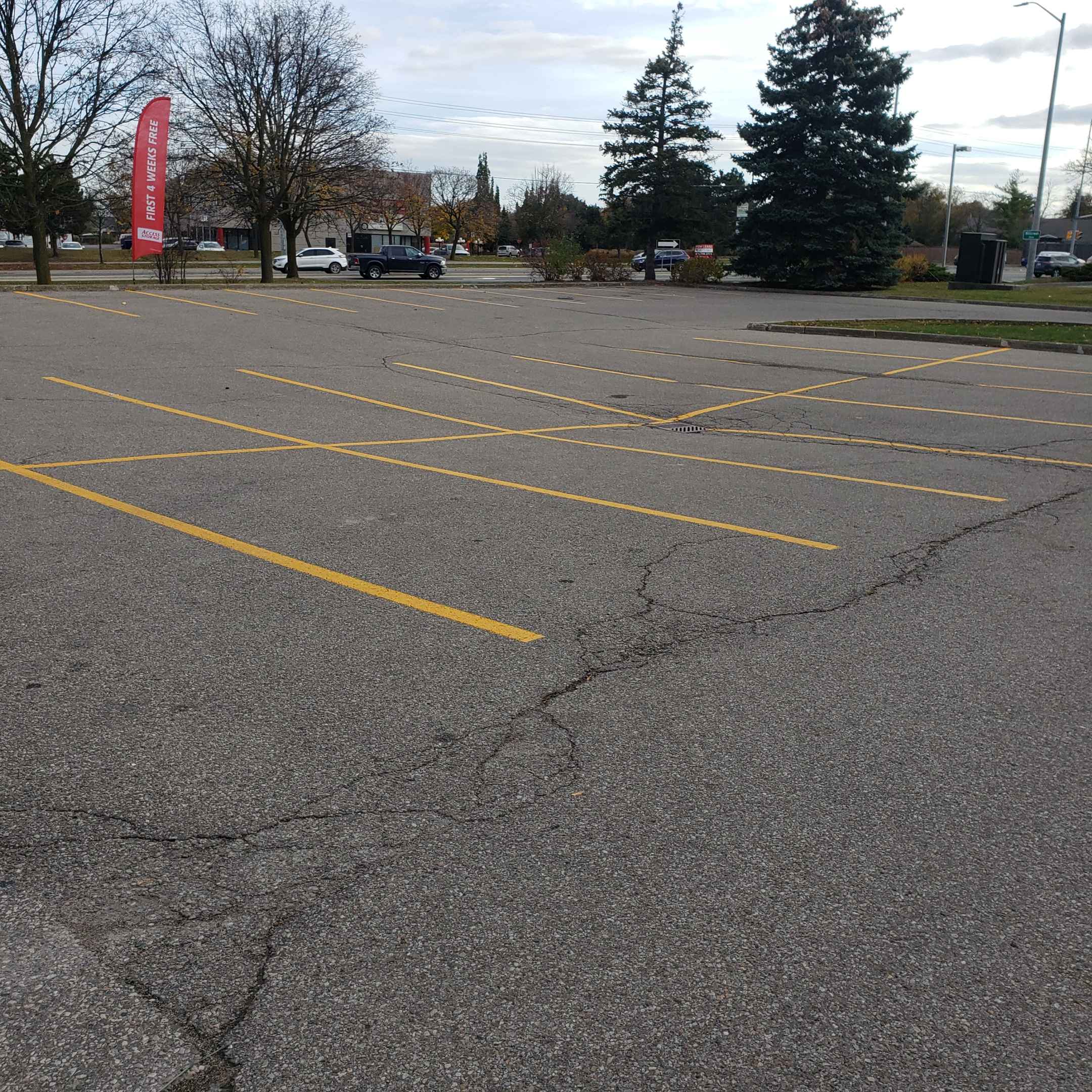
To the untrained eye, a crack in a parking lot is simply an eyesore. However, to a pavement professional, a crack is a symptom of a complex chemical and physical process. For property owners in Greater Sudbury, one of the top 30 cities in Ontario, these cracks are often exacerbated by extreme seasonal shifts. Understanding the science behind these failures is crucial for making informed decisions about maintenance and longevity.
At Capital Parking Lot Line Painting, we see firsthand how neglected asphalt can quickly transition from a minor nuisance to a structural failure. By understanding the "why," you can implement the "how" to prevent costly reconstructions.
The Chemistry of Asphalt: Why It Fails
Asphalt is a composite material consisting of mineral aggregate bound together by bitumen. Bitumen is a viscous, black, and sticky substance derived from petroleum. The health of your pavement depends entirely on the integrity of this binder.
1. Oxidation and UV Degradation
Asphalt is constantly bombarded by ultraviolet (UV) radiation from the sun. This radiation triggers a chemical reaction known as oxidation. As the bitumen oxidizes, it loses its volatile oils, causing it to become brittle. Once the binder loses its flexibility, it can no longer move with the pavement, leading to surface cracks.
2. Thermal Expansion and Contraction
In regions like Greater Sudbury, the temperature swings between summer and winter are dramatic. Materials expand when heated and contract when cooled. If the asphalt binder is too brittle due to oxidation, it cannot accommodate this movement, resulting in thermal cracking.
3. Moisture Infiltration and Hydrostatic Pressure
Water is the greatest enemy of asphalt. When water enters small fissures, it creates a pathway for deeper damage. In colder months, this water freezes and expands (the freeze-thaw cycle), acting like a wedge that pushes the asphalt apart from the inside out.
Common Types of Asphalt Cracks
Not all cracks are created equal. Identifying the type of crack can help you determine the severity of the issue:
- Alligator Cracking: Small, interconnected cracks that look like reptile skin. This usually indicates structural failure of the base layer.
- Longitudinal Cracking: Cracks that run parallel to the direction of travel, often caused by poor joint construction or subgrade issues.
- Transverse Cracking: Cracks that run perpendicular to the direction of travel, typically caused by thermal contraction.
- Block Cracking: Large, rectangular cracks caused by the aging and oxidation of the asphalt binder.
How to Stop the Cycle of Decay
Preventative maintenance is significantly more effective than reactive repair. Capital Parking Lot Line Painting recommends a proactive approach to keep your surfaces intact.
Sealcoating: The Protective Shield
Sealcoating is not just about aesthetics; it is a chemical barrier. A high-quality sealant protects the bitumen from UV rays and prevents water from penetrating the surface. Regular sealcoating can add years to the life of your asphalt by slowing the oxidation process.
Crack Filling and Sealing
Once a crack appears, it must be addressed immediately. Filling cracks prevents water from reaching the subgrade. By sealing these openings, you stop the freeze-thaw cycle from turning a small crack into a massive pothole.
Professional Line Marking
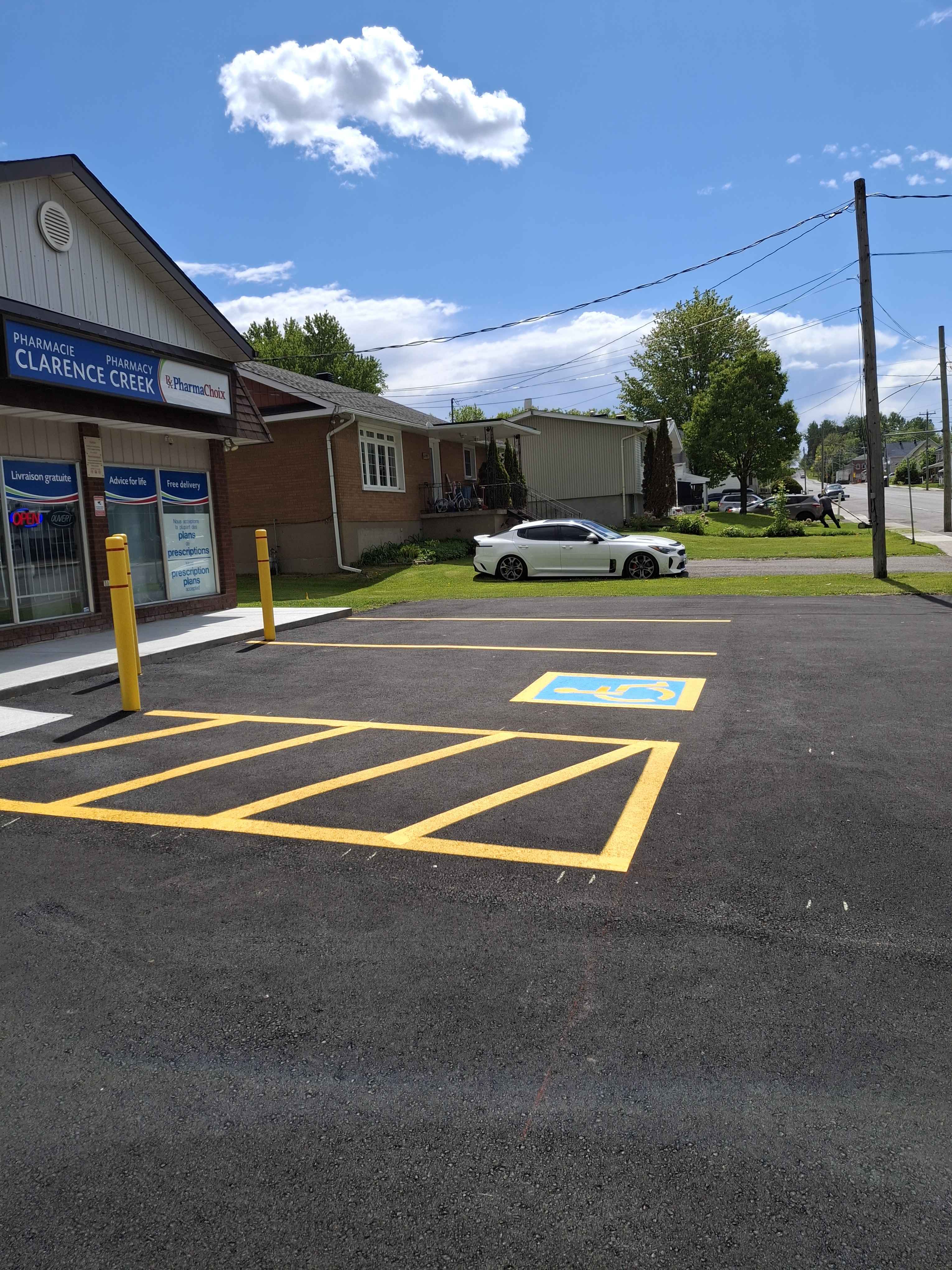
While not directly related to the structural integrity of the asphalt, regular Line Marking is essential for safety and organization. Clear, bright lines help direct traffic flow, reducing the likelihood of vehicle-related damage to curbs and edges. Capital Parking Lot Line Painting specializes in providing crisp, durable Line Painting that enhances both the safety and the professional appearance of your facility.
Summary of Best Practices
To maintain your pavement, keep these key steps in mind:
- Inspect your lot at least twice a year (Spring and Fall).
- Sealcoat every 2-3 years to prevent oxidation.
- Fill cracks as soon as they are detected.
- Ensure proper drainage to prevent water pooling.
- Schedule regular Line Painting to maintain compliance and safety.
Don't wait for the pavement to fail. By working with experts like Capital Parking Lot Line Painting, you ensure that your asphalt receives the scientific treatment it needs to withstand the harsh Canadian climate.
Quick View: Maintenance Overview
Proactive maintenance saves time and resources.