Why Sealcoating and Pavement Marking Should Go Hand-in-Hand
Maintaining a commercial parking lot is more than just a chore; it is a critical component of property management that impacts safety, liability, and visual appeal. While many property owners view sealcoating and line marking as separate tasks, the most effective maintenance strategy involves treating them as a unified process.
The Dual Role of Asphalt Maintenance
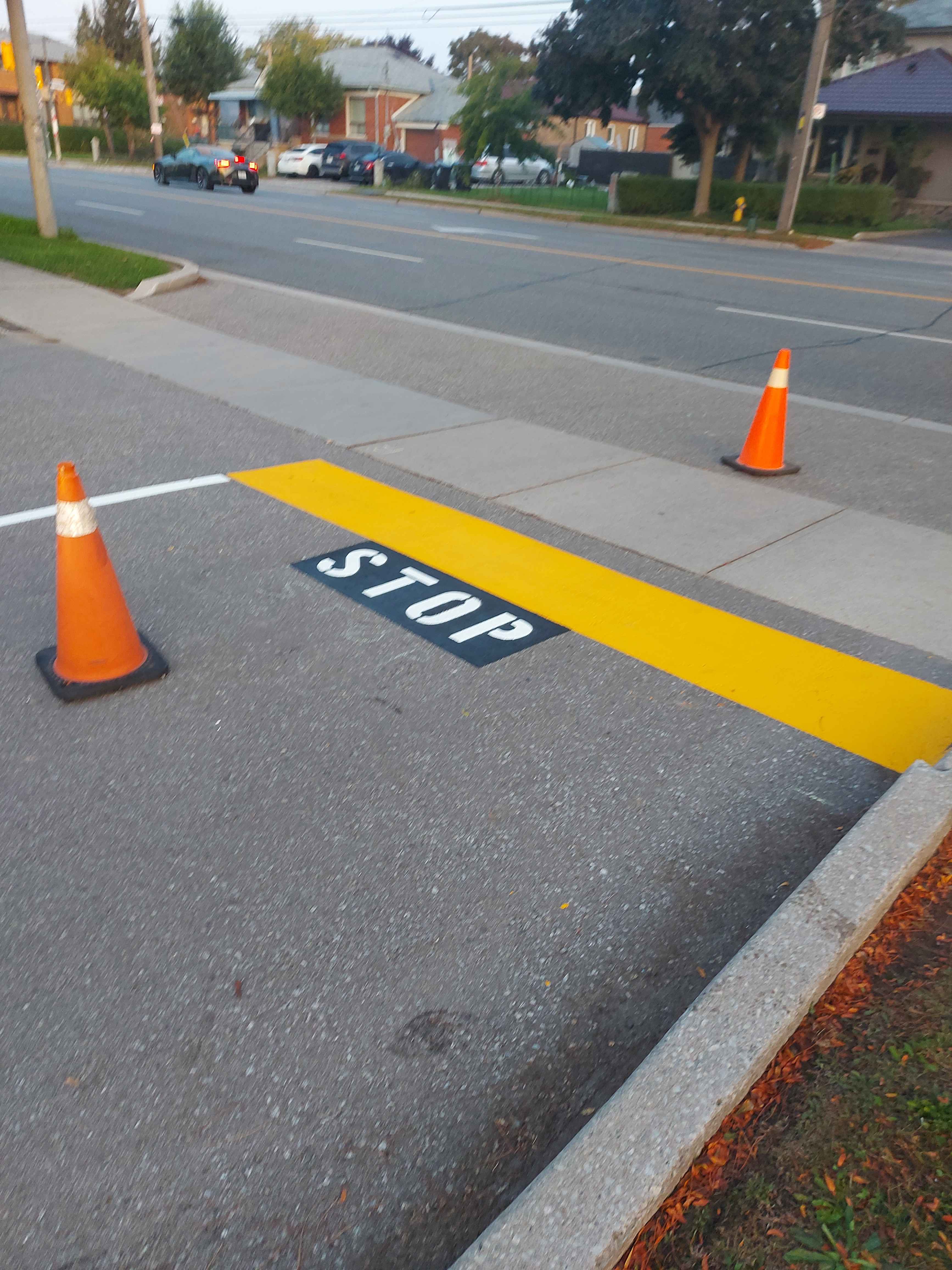
When you look at a pristine parking lot, you are seeing two distinct services working in harmony. Sealcoating acts as the protective shield, a liquid barrier that prevents oxidation and water penetration. On the other hand, professional line marking provides the organizational structure, guiding traffic flow and designating safe spaces for pedestrians and vehicles.
At Capital Parking Lot Line Painting, we have observed that clients who treat these services as a single maintenance cycle see significantly better long-term results than those who stagger them haphazardly. In a growing hub like Oakville, where weather transitions can be harsh on asphalt, synchronization is key.
Why Synchronization Matters
Attempting to perform line marking on an old, weathered surface is often a wasted effort. If the asphalt is cracked, faded, or crumbling, the fresh paint will not adhere correctly, leading to premature peeling. Conversely, applying sealcoat over existing, faded lines can obscure the markings entirely, creating a safety hazard.
The Benefits of a Combined Approach
- Enhanced Adhesion: By cleaning and prepping the surface for sealcoating, you create a fresh, uniform canvas that allows line marking to bond deeply with the surface.
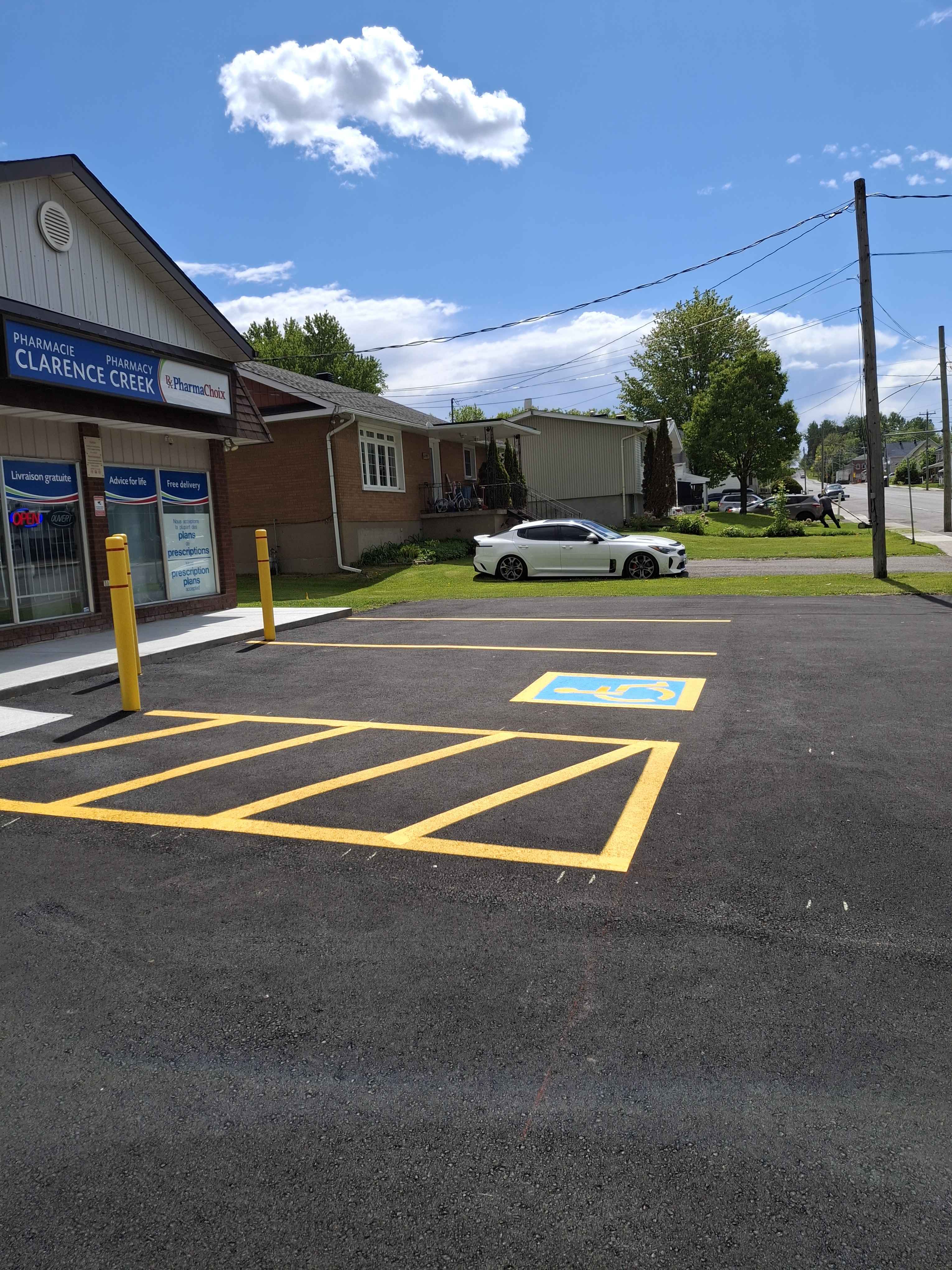
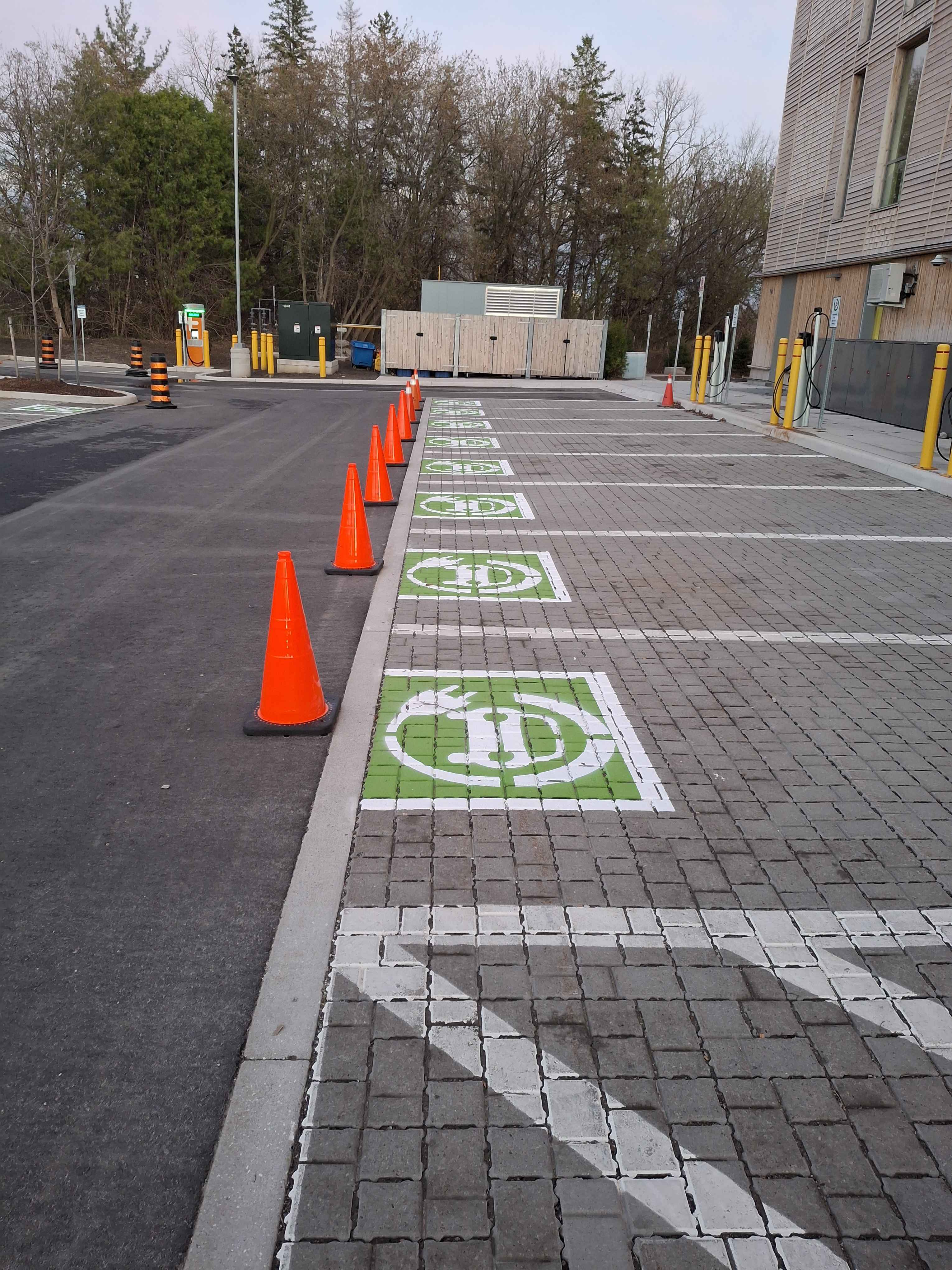
- Visual Consistency: A fresh black sealcoat provides the perfect high-contrast background for bright white or yellow line marking, making your lot look brand new.
- Operational Efficiency: Scheduling both services at once minimizes the downtime of your parking facility, reducing disruption to your tenants or customers.
- Cost-Effective Longevity: Addressing both the structural protection and the visual organization simultaneously ensures that neither service is undermined by the neglect of the other.
The Lifecycle of a Well-Maintained Lot
To understand why Capital Parking Lot Line Painting recommends this combined approach, one must look at the lifecycle of asphalt. Asphalt is a flexible pavement, but it is susceptible to the elements. UV rays break down the bitumen, causing the surface to turn gray and brittle. Water seeps into small cracks, expands during freezes, and creates potholes.
By applying a high-quality sealcoat, you halt this degradation. Once the surface is stabilized and protected, applying fresh line marking ensures that the lot remains compliant with local regulations and safety standards. This is particularly important for businesses in Oakville, where professional presentation is a hallmark of local commerce.
Common Mistakes to Avoid
Many property managers fall into the trap of "reactive maintenance." They wait until a pothole appears or a parking stall becomes invisible before calling in a professional. Here are a few mistakes to watch out for:
1. Neglecting the Surface Prep
Applying sealant or paint over dirt, oil, or loose debris is a recipe for failure. Always ensure a professional company performs a deep clean first.
2. Poor Timing
Applying these services during improper weather conditions—such as high humidity or imminent rain—can ruin the finish of both the sealcoat and the line marking.
Ready to Refresh Your Property?
Don't leave your asphalt to chance. Whether you need a protective sealcoat or precise line marking, Capital Parking Lot Line Painting provides the expertise needed to keep your lot safe and beautiful.