What Facility Managers Should Know About Sealcoating Curing Times
Mastering the timeline of asphalt maintenance is essential for minimizing operational disruption and protecting your investment.
For facility managers, the parking lot is more than just a place to park cars; it is the first impression your property makes on clients, employees, and visitors. Maintaining this surface requires strategic planning, specifically when dealing with sealcoating. One of the most overlooked aspects of asphalt maintenance is the distinction between "drying time" and "curing time." Understanding this difference is vital to preventing premature wear and ensuring that your investment lasts for years to come.
At Capital Parking Lot Line Painting, we understand that facility managers in North Bay face unique challenges, from fluctuating temperatures to high-traffic demands. A rushed job or a misunderstanding of how long a surface needs to remain untouched can lead to costly re-work and unnecessary downtime.
Drying vs. Curing: The Critical Distinction
It is a common misconception that once a sealcoat looks dry to the touch, the job is complete. This is where many property managers run into trouble. To manage your facility effectively, you must distinguish between these two phases:
Drying Time
This is the period when the moisture or solvents in the sealcoat evaporate, leaving the surface feeling firm. Usually, this happens within a few hours of application, depending on the weather.
Curing Time
Curing is a chemical process where the sealcoat hardens and bonds with the asphalt. This process takes much longer than drying and is when the material reaches its maximum durability.
If vehicles enter a parking lot after it has dried but before it has fully cured, the tires can pick up the soft material, leading to "tracking" and permanent damage to the finish.
Factors Influencing Curing Speed
In a top 30 city like North Bay, weather conditions play a massive role in how quickly your asphalt can return to service. Capital Parking Lot Line Painting recommends considering the following variables when scheduling your maintenance:
- Temperature: Warmer temperatures generally accelerate the chemical curing process, while cold snaps can stall it entirely.
- Humidity: High humidity slows down evaporation, extending the drying phase.
- Sun Exposure: Direct sunlight can help dry the surface, but excessive heat can sometimes cause the sealcoat to dry too quickly on the surface, trapping moisture underneath.
- Material Type: Different sealants (coal tar vs. asphalt emulsion) have different chemical profiles and curing requirements.
Coordinating with Line Marking Services
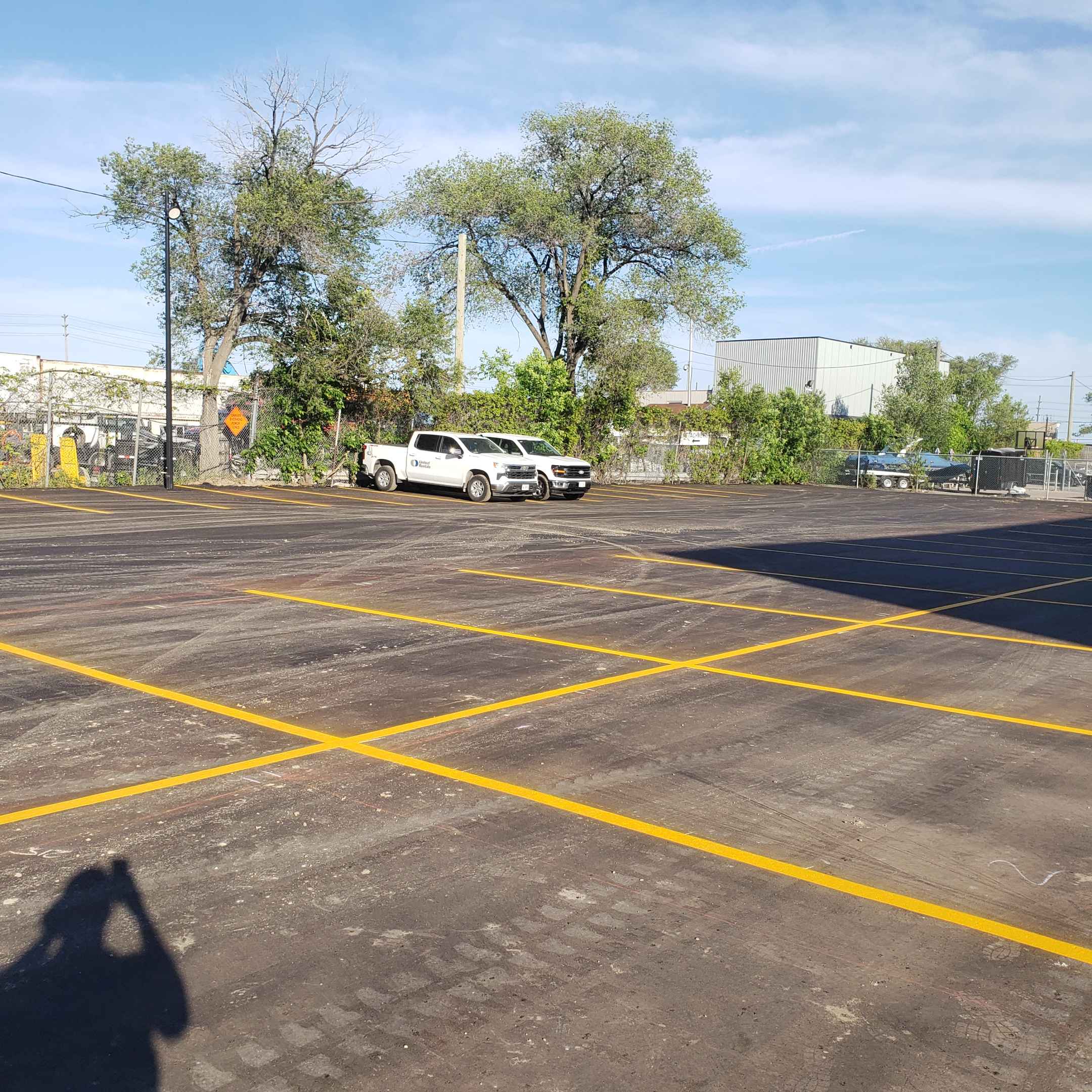
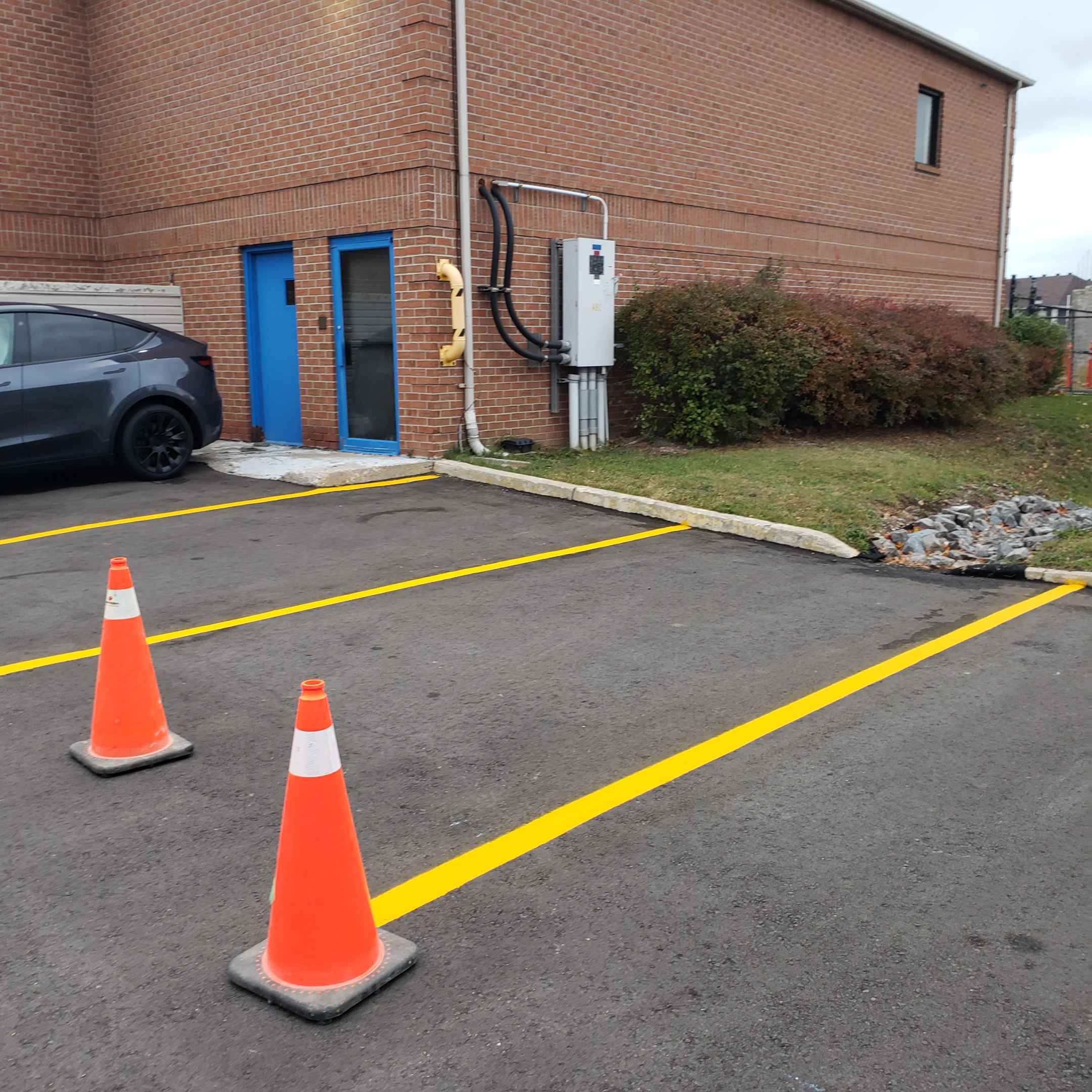
A common mistake in facility management is scheduling Line Marking too early. For a professional finish, the sealcoat must be fully cured before any new markings are applied. If you attempt to perform Line Painting on a surface that hasn't stabilized, the paint will not adhere correctly, leading to peeling and fading within months.
By working with a comprehensive provider like Capital Parking Lot Line Painting, you can synchronize these services. We ensure that the sealcoating is applied, the curing window is respected, and the Line Painting is executed only when the substrate is ready to receive the pigment.
Best Practices for Facility Managers
To ensure your asphalt maintenance project is a success, follow these strategic steps:
- Plan Ahead: Schedule maintenance during seasons with predictable weather to avoid delays.
- Communicate Early: Notify tenants and staff well in advance about the expected downtime.
- Verify the Schedule: Ask your contractor for specific "no-drive" times and do not permit vehicle entry early.
- Inspect the Work: Once the curing period is over, perform a walkthrough to ensure the finish is uniform.
Ready to refresh your pavement?
Don't leave your asphalt to chance. Contact Capital Parking Lot Line Painting to schedule a professional assessment and maintenance plan tailored to your facility's needs.