What Facility Managers Should Know About Sealcoating Curing Times
Mastering the timeline of asphalt maintenance is essential for minimizing disruption and maximizing asset longevity.
For facility managers, managing a commercial property is a delicate balancing act between aesthetic appeal, safety, and budget optimization. One of the most critical maintenance tasks in the annual cycle is sealcoating. While the application process may seem straightforward, the science behind how that sealant dries—known as curing—is where many projects succeed or fail. Understanding these timelines is not just about knowing when you can drive on the lot; it is about ensuring the chemical bond is permanent and durable.
At Capital Parking Lot Line Painting, we have seen firsthand how rushing the process or miscalculating environmental variables can lead to premature wear. For properties in high-traffic areas like Oshawa, precision in scheduling is paramount to avoid costly re-work.
The Difference Between Drying and Curing
It is a common misconception among property owners that once the surface is no longer "tacky" to the touch, the job is done. However, there is a significant distinction between drying and curing that every manager must grasp.
Drying (Evaporation)
Drying refers to the evaporation of the liquid carriers in the sealant. This is the stage where the surface becomes dry enough to resist immediate smearing. This usually happens within a few hours under optimal conditions.
Curing (Chemical Reaction)
Curing is a much more complex chemical process. It is the stage where the polymers and binders in the sealant undergo a reaction to create a hard, protective shield over the asphalt. This process can take anywhere from 24 to 72 hours, depending on the product used. If heavy vehicles enter the lot before full curing is achieved, they can cause "tracking" or permanent indentations in the soft sealant.
Factors That Influence Curing Speed
Environmental variables play a massive role in how quickly your asphalt recovers. When planning a project in a top 30 Ontario city like Oshawa, you must account for the local climate.
- Temperature: Warmer temperatures generally accelerate the chemical reaction, while cold snaps can stall the curing process entirely.
- Humidity: High humidity levels slow down the evaporation of moisture, extending the drying phase significantly.
- Sunlight Exposure: Direct UV exposure can help dry the surface, but extreme heat can sometimes cause the sealant to dry too quickly on the surface, trapping moisture underneath.
- Material Composition: Coal tar-based vs. asphalt-based sealants have different chemical profiles and curing requirements.
Strategic Planning for Facility Managers
To minimize the impact on your tenants and customers, you should integrate sealcoating into your long-term maintenance calendar. Capital Parking Lot Line Painting recommends a phased approach to minimize total site closure.
The Importance of Line Marking Integration
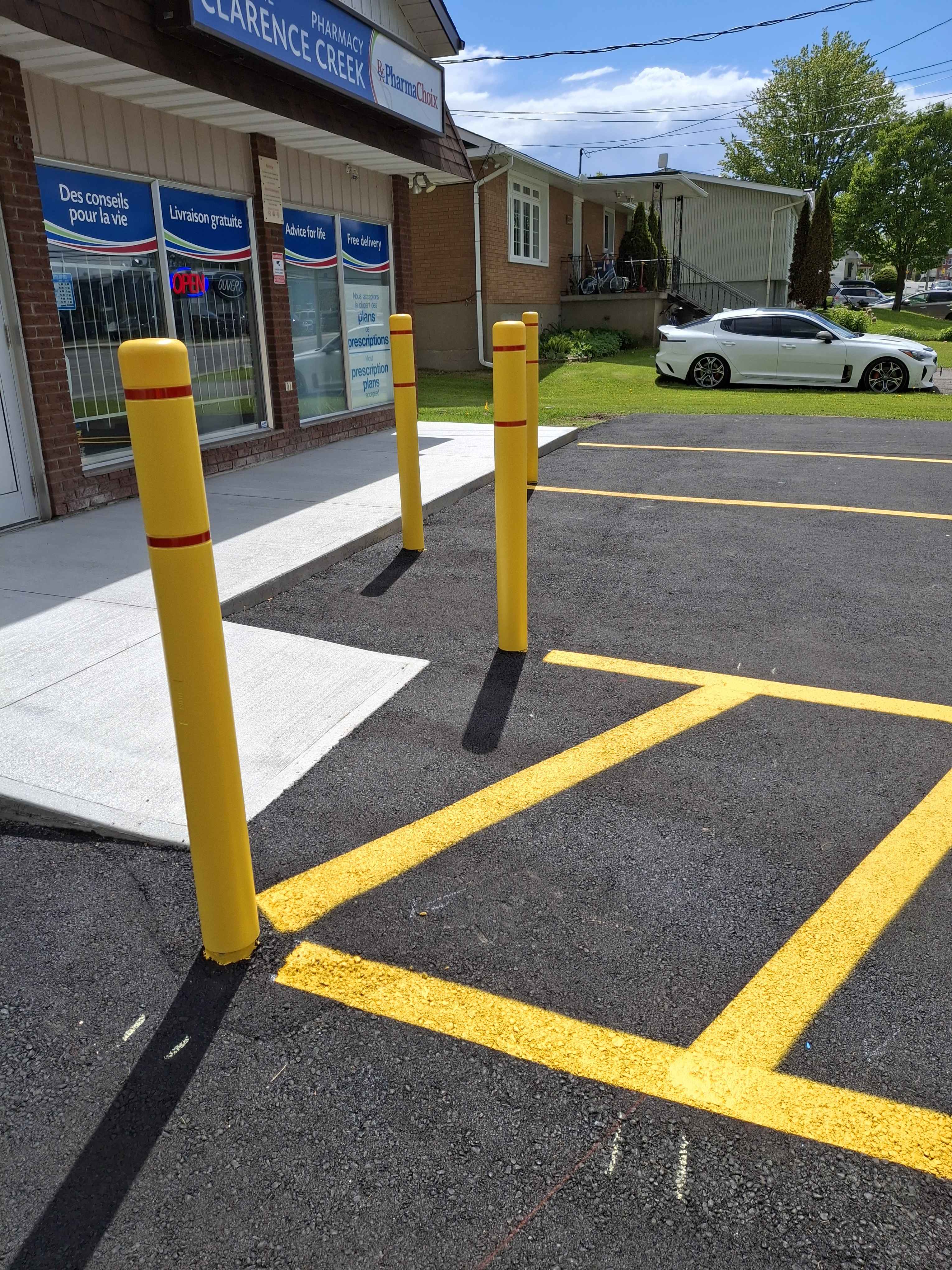
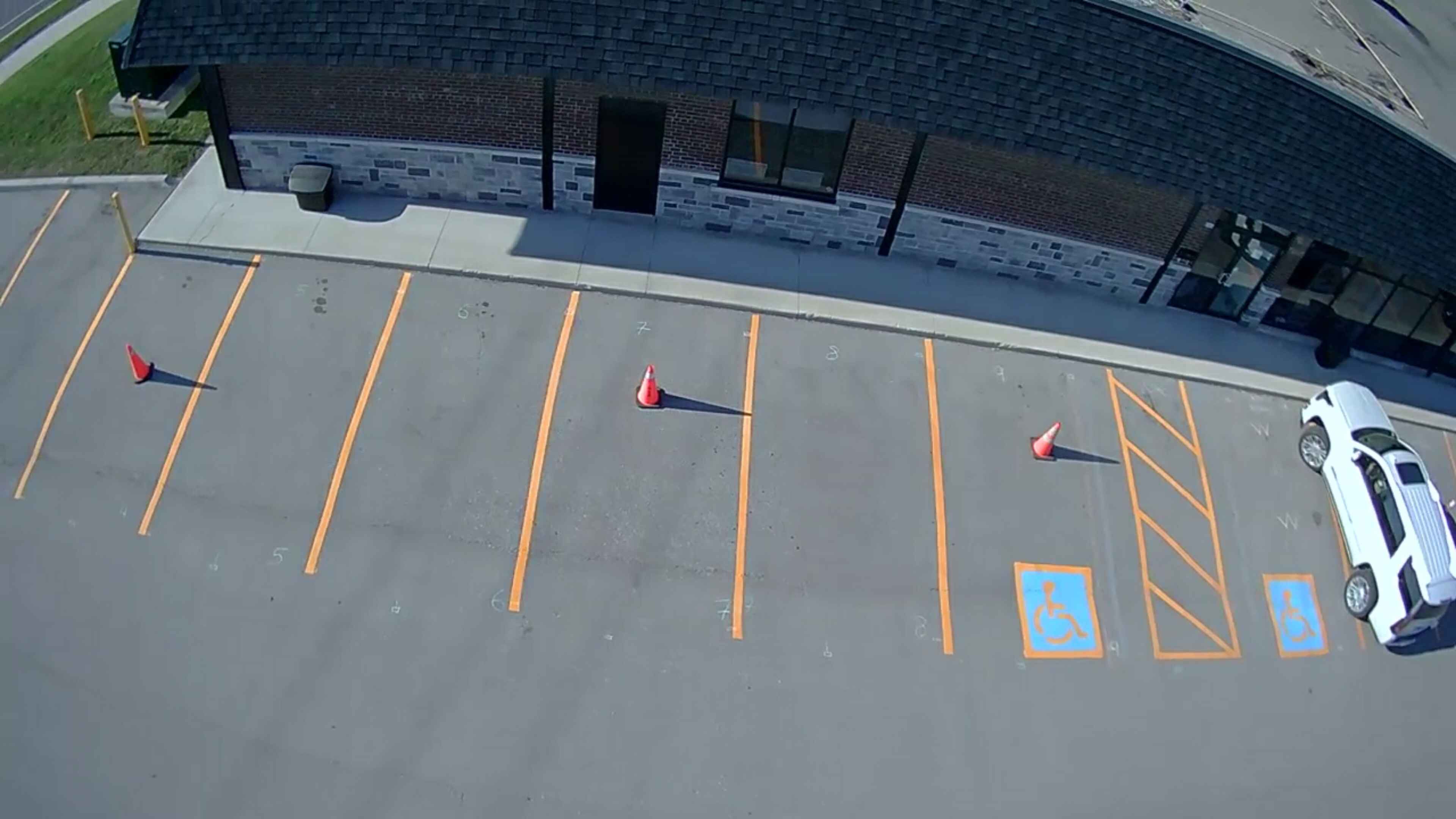
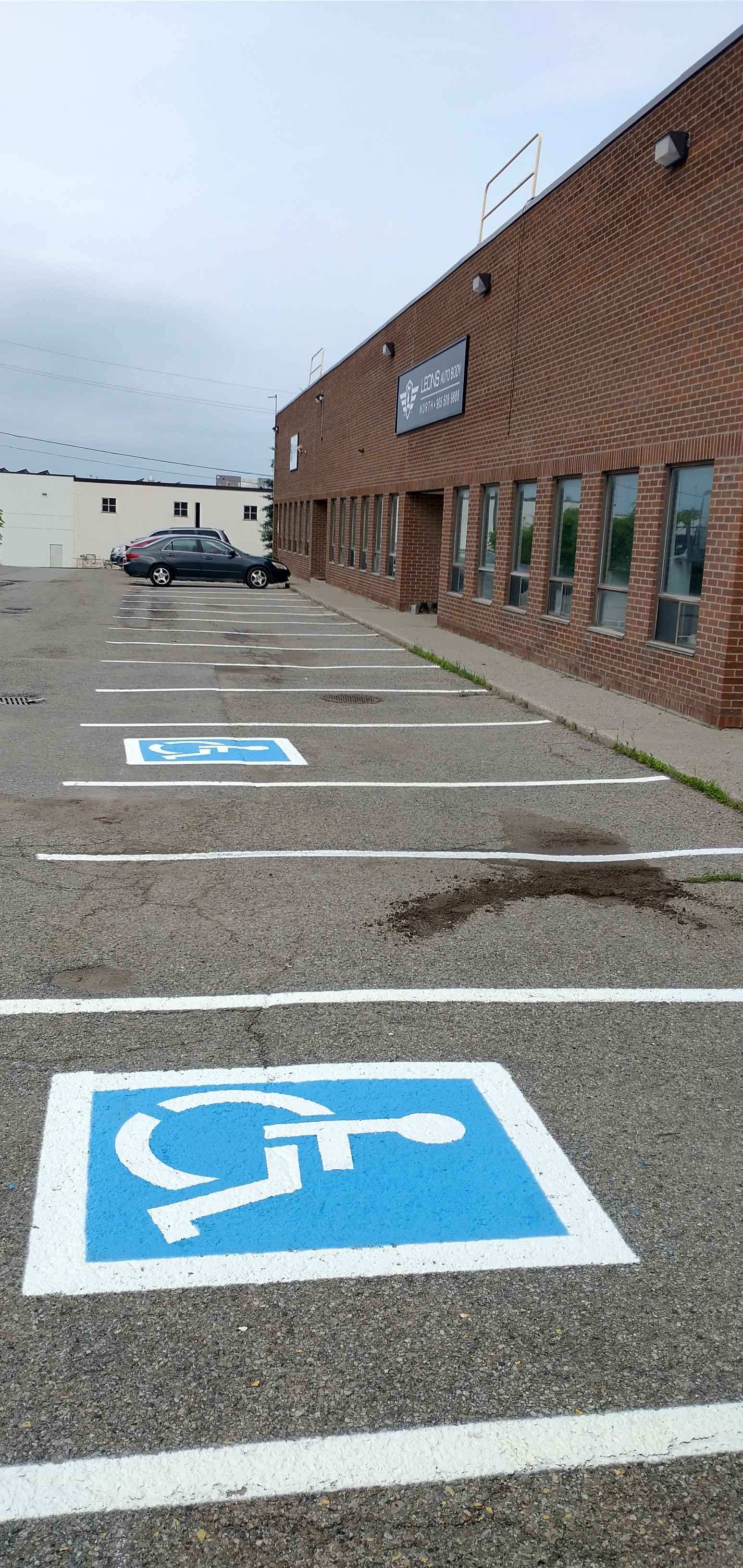
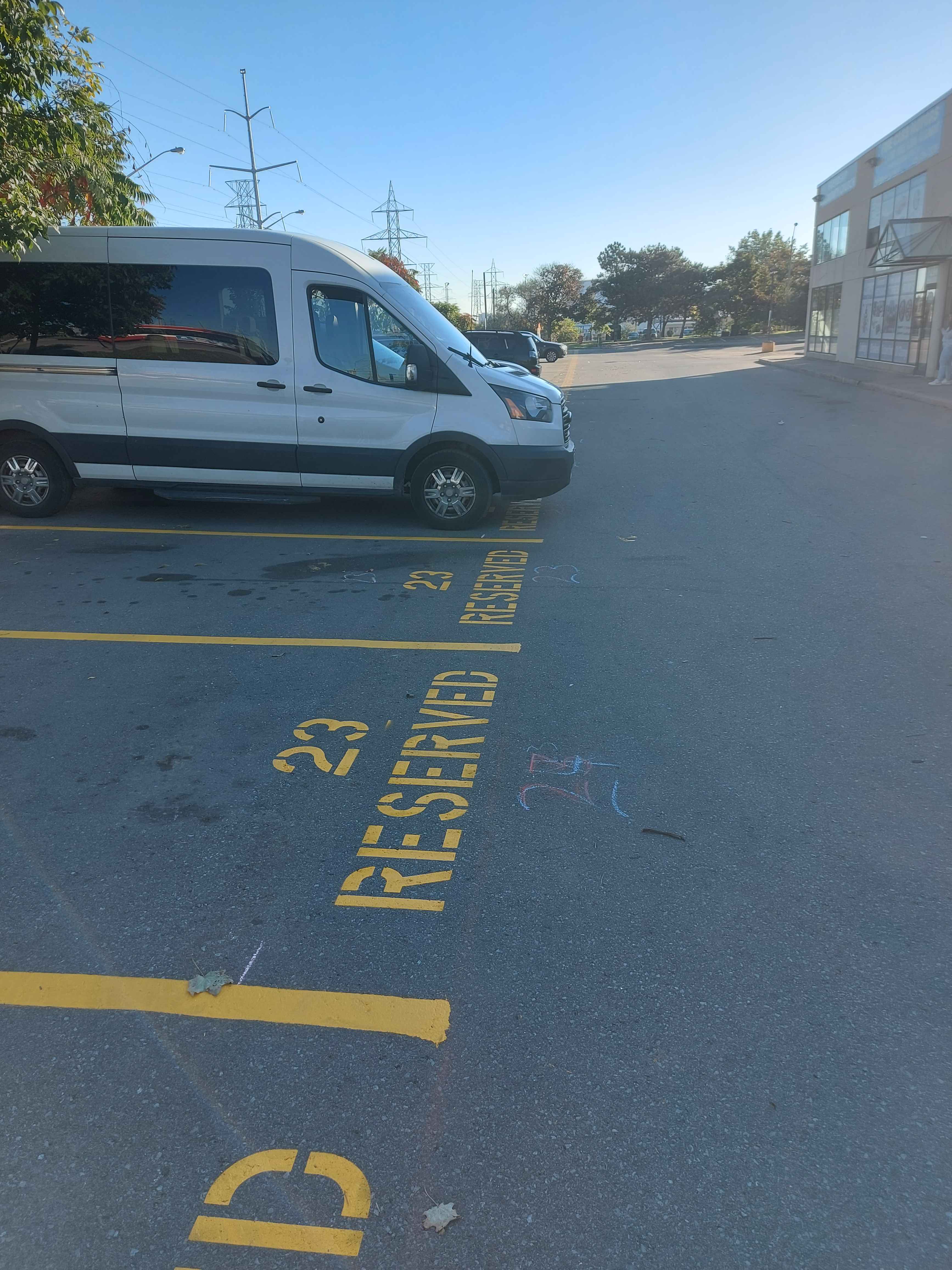
A common mistake is scheduling Line Marking too early. If you apply your Line Painting while the sealant is still in the curing phase, the pressure from the application machines can disturb the surface. Always ensure the sealant has reached a stable state before bringing in the Line Marking crews to refresh your parking stalls and directional arrows.
Pro-Tip: The "Weekend Window"
Whenever possible, schedule sealcoating for a Friday evening. This provides a natural 48-to-72-hour window for the material to cure before the Monday morning rush. This reduces the risk of vehicle damage and ensures the longevity of the application.
Common Mistakes to Avoid
When managing contractors, keep an eye out for these red flags that indicate a potential curing issue:
- Applying sealant during or immediately before rain.
- Ignoring the manufacturer's specific cure-time recommendations.
- Allowing heavy machinery or delivery trucks on the lot too soon after application.
- Failing to coordinate Line Painting with the sealcoating schedule.
Partnering with Professionals
The complexity of asphalt chemistry is why working with an experienced team is vital. Capital Parking Lot Line Painting specializes in navigating these technical requirements, ensuring that your property in Oshawa or the surrounding GTA remains safe, professional, and durable. By understanding the science of curing, you protect your investment and ensure your parking facilities stand the test of time.
Expert Asphalt Maintenance
Don't leave your property's longevity to chance. Trust the experts to handle your sealcoating and Line Marking needs with precision and professional care.