Can You Sealcoat in Early Spring? Pros and Cons
As the snow begins to retreat and the ground starts to thaw, property managers and homeowners in Ontario often ask the same question: Is it time to sealcoat my asphalt yet?
The transition from winter to spring is a volatile period for pavement. In a top 30 city in Ontario like Barrie, the weather can swing from freezing temperatures to mild sunshine in a matter of hours. While the urge to repair damage caused by the harsh winter freeze-thaw cycle is strong, timing is everything when it comes to sealcoating. At Capital Parking Lot Line Painting, we understand that a successful application depends heavily on environmental conditions.
Sealcoating is a preventative maintenance measure designed to protect your asphalt from UV rays, water penetration, and oil spills. However, applying this protective layer too early in the season can lead to subpar results that may actually shorten the lifespan of your parking lot.
The Pros of Early Spring Sealcoating
There are certainly advantages to getting a head start on your maintenance schedule before the summer heat arrives.
- Beat the Summer Rush: Scheduling your maintenance early ensures you secure a spot on the calendar before the peak summer demand hits.
- Immediate Protection: Applying sealant early can help fill small cracks caused by winter ice, preventing water from seeping deeper into the sub-base during spring rains.
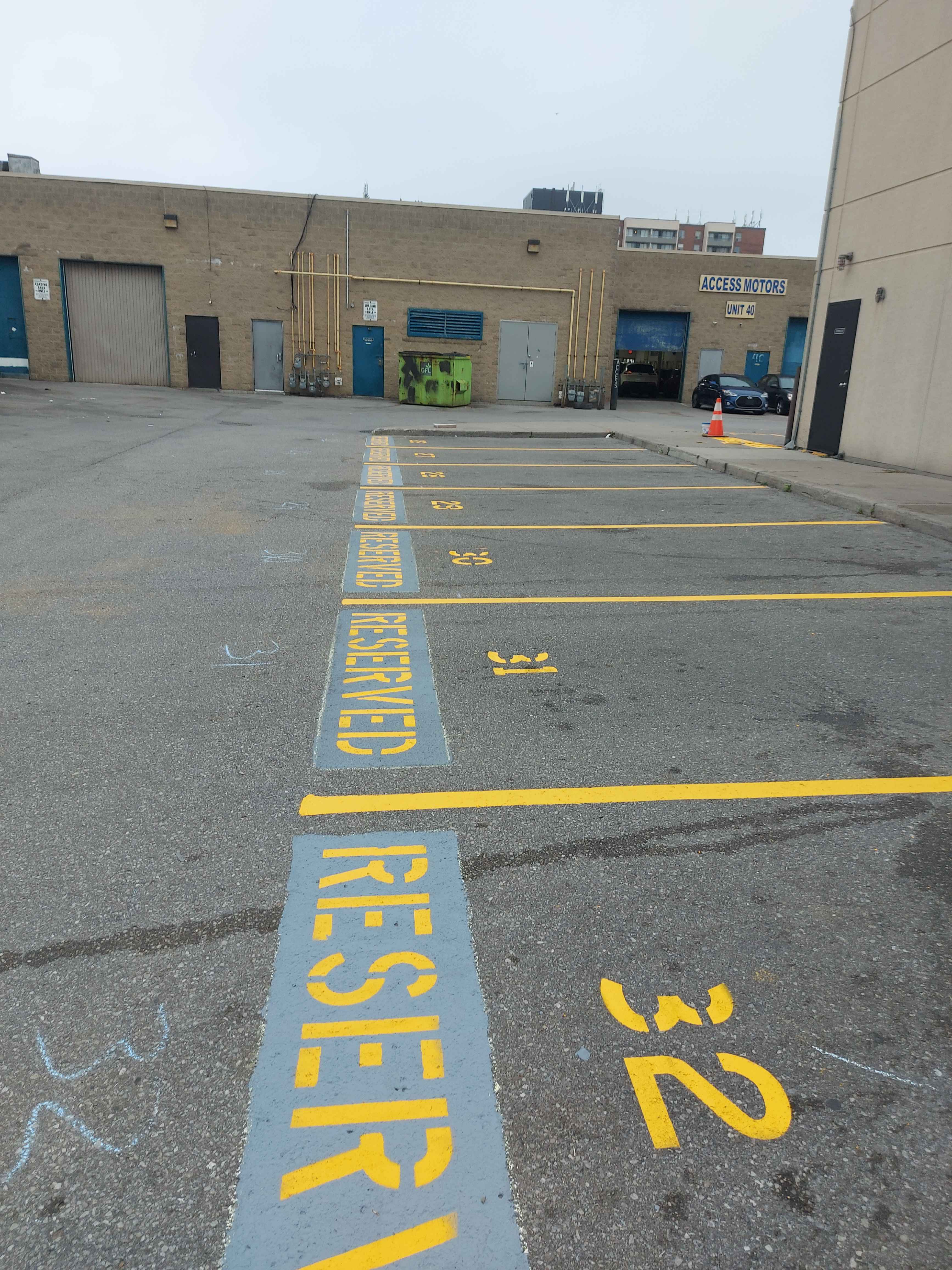
- Preparation for High Traffic: Getting the surface ready early allows you to schedule Line Painting or Line Marking immediately after the sealant cures, ensuring your lot is organized for the busy season.
The Cons and Risks of Early Spring Application
Despite the benefits, the risks associated with early spring application in regions like Barrie cannot be overstated. The primary enemy of a good sealcoat is moisture and temperature.
1. Temperature Fluctuations
For sealcoating to bond correctly, the asphalt surface must remain at a consistent, warm temperature for several hours. In early spring, nighttime temperatures often drop below freezing. If the sealant freezes before it has fully cured, it can crack, peel, or fail to adhere entirely, wasting your investment.
2. Moisture and Humidity
Spring is notoriously wet. If there is residual moisture in the pores of the asphalt or if rain falls shortly after application, the sealant will not penetrate the surface. This results in a patchy, uneven finish that lacks the protective qualities you are paying for. Capital Parking Lot Line Painting always recommends waiting for a window of stable, dry weather to ensure maximum longevity.
3. Sub-surface Saturation
After a long winter, the ground is often saturated with water. If you sealcoat over asphalt that is still holding significant moisture underneath, that moisture can become trapped. When the sun eventually warms the pavement, that trapped moisture can expand, causing the new sealcoat to bubble or blister.
Ideal Conditions for Sealcoating
To achieve the best results, we recommend looking for the following environmental indicators before booking your service with Capital Parking Lot Line Painting:
- Surface temperatures consistently above 10°C (50°F).
- A forecast showing no rain for at least 24 to 48 hours.
- Low humidity levels to allow for proper evaporation and curing.
- A dry, clean asphalt surface free of debris and standing water.
The Importance of Professional Execution
Whether you are managing a commercial lot or a residential driveway, the sequence of operations matters. Often, sealcoating is followed by Line Painting to restore visibility and safety to the lot. Doing these tasks in the correct order—and at the correct time of year—is the difference between a surface that lasts ten years and one that fails in two.
In a growing urban center like Barrie, maintaining professional-grade pavement is essential for curb appeal and liability management. Waiting just a few extra weeks for the weather to stabilize is always better than rushing into a failed application.
Quick Summary
Don't rush the process!