Can You Sealcoat in Early Spring? Pros and Cons
Understanding the delicate balance between seasonal timing and asphalt longevity.
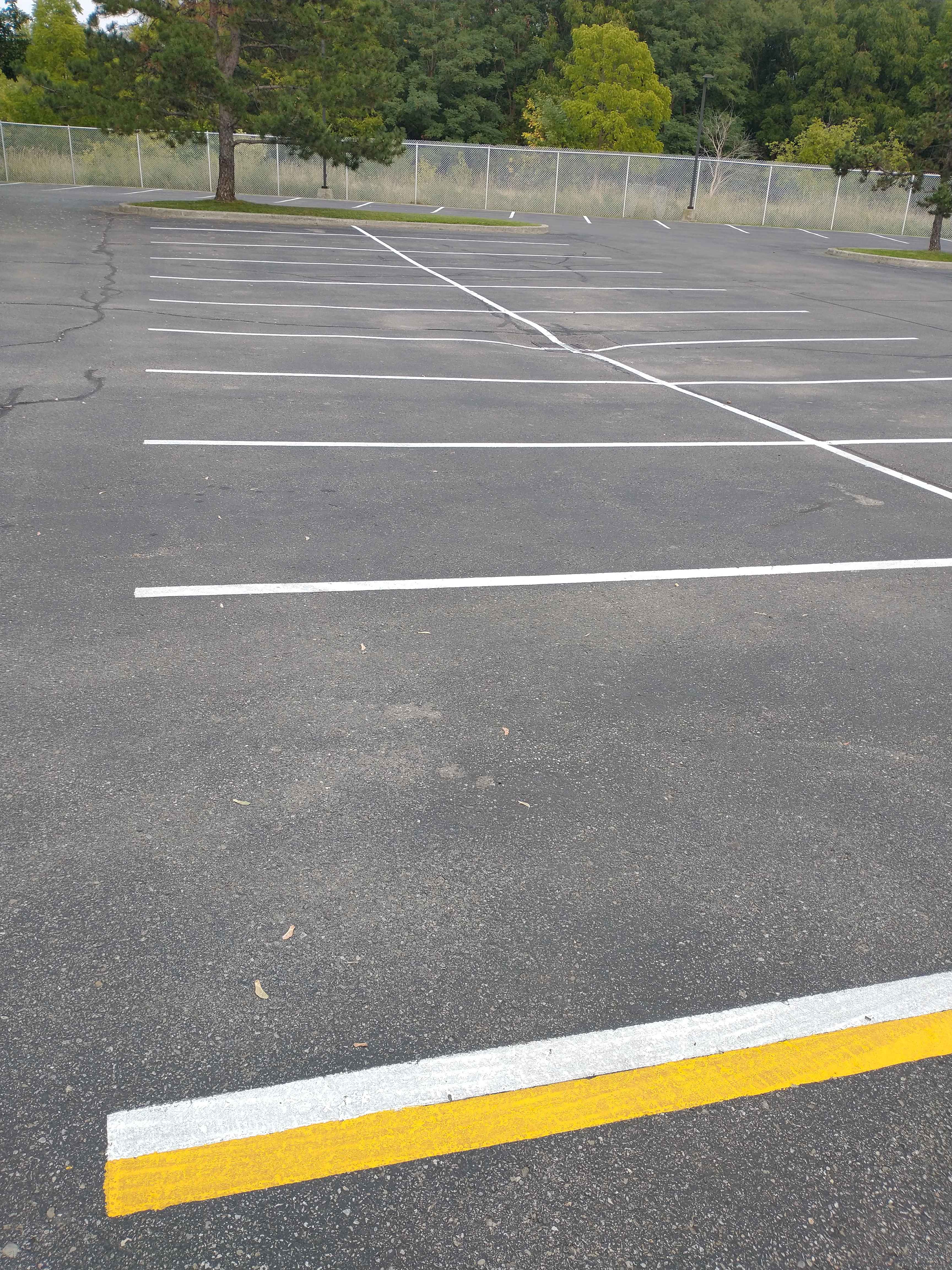
As the snow melts and the frost begins to retreat, property managers and homeowners in Brampton often find themselves looking at their asphalt surfaces with a sense of urgency. The winter months can be brutal on pavement, leaving behind cracks, potholes, and a faded appearance. This leads to the most common question of the season: "Can I start sealcoating as soon as the ground thaws?"
The answer isn't a simple yes or no. Sealcoating is a science that relies heavily on environmental variables. While the urge to jumpstart your maintenance schedule is understandable, performing this task too early can lead to costly failures. At Capital Parking Lot Line Painting, we believe in doing things right the first time to ensure your investment lasts for years.
The Science of Sealcoating Timing
Sealcoating is more than just applying a black liquid to a surface; it is a chemical process that requires specific conditions to bond correctly with the asphalt. The primary enemy of a successful sealcoat in early spring is moisture and temperature instability.
The Temperature Factor
For sealcoat to cure properly, the ambient temperature generally needs to remain above 10°C (50°F) for several consecutive days. If the temperature drops too low during the curing process, the sealer may not harden, leading to a tacky, sticky mess that attracts debris and ruins the finish.
The Moisture Problem
Spring in Ontario is notorious for unpredictable rain showers. If moisture is trapped in the pores of the asphalt when the sealer is applied, it will prevent the product from adhering. This results in peeling, flaking, and a shortened lifespan for your protective coating.
Pros and Cons of Early Spring Application
Pros
- Beat the summer rush and secure your spot on the schedule.
- Address winter damage before it worsens during summer heat.
- Prepare the surface for upcoming Line Painting needs.
Cons
- Risk of frost heave damaging the new sealcoat.
- High probability of rain disrupting the curing process.
- Inconsistent temperatures leading to poor adhesion.
Common Mistakes to Avoid
When property owners attempt to rush the process in Brampton, several common mistakes often occur. Avoiding these can save you significant time and hassle later in the year.
- Applying over damp asphalt: Even if the surface looks dry, the sub-base may still hold moisture from the spring thaw.
- Ignoring the forecast: A sunny morning can quickly turn into a rainy afternoon, ruining a fresh application.
- Skipping the cleaning phase: Debris, sand, and salt left over from winter must be completely removed before sealcoating.
- Rushing Line Marking: Applying Line Marking too soon after sealcoating can cause the paint to peel if the sealer hasn't fully hardened.
Professional teams like Capital Parking Lot Line Painting monitor local weather patterns meticulously to ensure the window of opportunity is perfect.
Thumbnail Preview
Quality sealcoating requires patience. Don't let the desire for a quick fix compromise the structural integrity of your parking lot. Wait for the right conditions to ensure a professional finish.
The Professional Advantage
Why trust a professional for your asphalt maintenance? At Capital Parking Lot Line Painting, we understand the local climate of Ontario. We don't just show up and pour; we assess the moisture levels, check the forecast, and ensure the surface is prepared for both sealcoating and subsequent Line Painting.
By waiting for the optimal window, you ensure that your parking lot remains a safe, clean, and professional-looking asset for your business or residential complex.