Can You Sealcoat in Early Spring? Pros and Cons
As the frost begins to thaw and the heavy snowbanks in Hamilton start to recede, property managers and homeowners alike begin to look at their asphalt. The black, weathered surface of a parking lot often stands out against the fresh green of spring, prompting a common question: Is it too early to sealcoat?
The Spring Dilemma: Timing is Everything
In a top 30 city in Ontario like Hamilton, the transition from winter to spring is notoriously unpredictable. While the calendar might say it is spring, the ground temperature and atmospheric moisture often tell a different story. Sealcoating is a protective layer applied to asphalt to prevent oxidation, water penetration, and damage from oil and chemicals. Because this process relies heavily on specific environmental conditions, timing is the most critical factor in ensuring a long-lasting finish.
At Capital Parking Lot Line Painting, we frequently receive inquiries from clients eager to get their properties looking pristine as soon as the sun comes out. However, applying sealcoat at the wrong time can lead to premature peeling, bubbling, or failure to bond with the asphalt surface.
The Pros of Early Spring Sealcoating
While there are risks, there are also distinct advantages to getting a head start on your maintenance schedule during the early months of the season.
- Beating the Summer Rush: By scheduling your service in early spring, you avoid the peak demand period of mid-summer when many commercial properties are competing for service windows.
- Immediate Protection: Spring brings increased rainfall. Applying a sealcoat early can help shield your asphalt from the erosive effects of spring showers and melting snow.
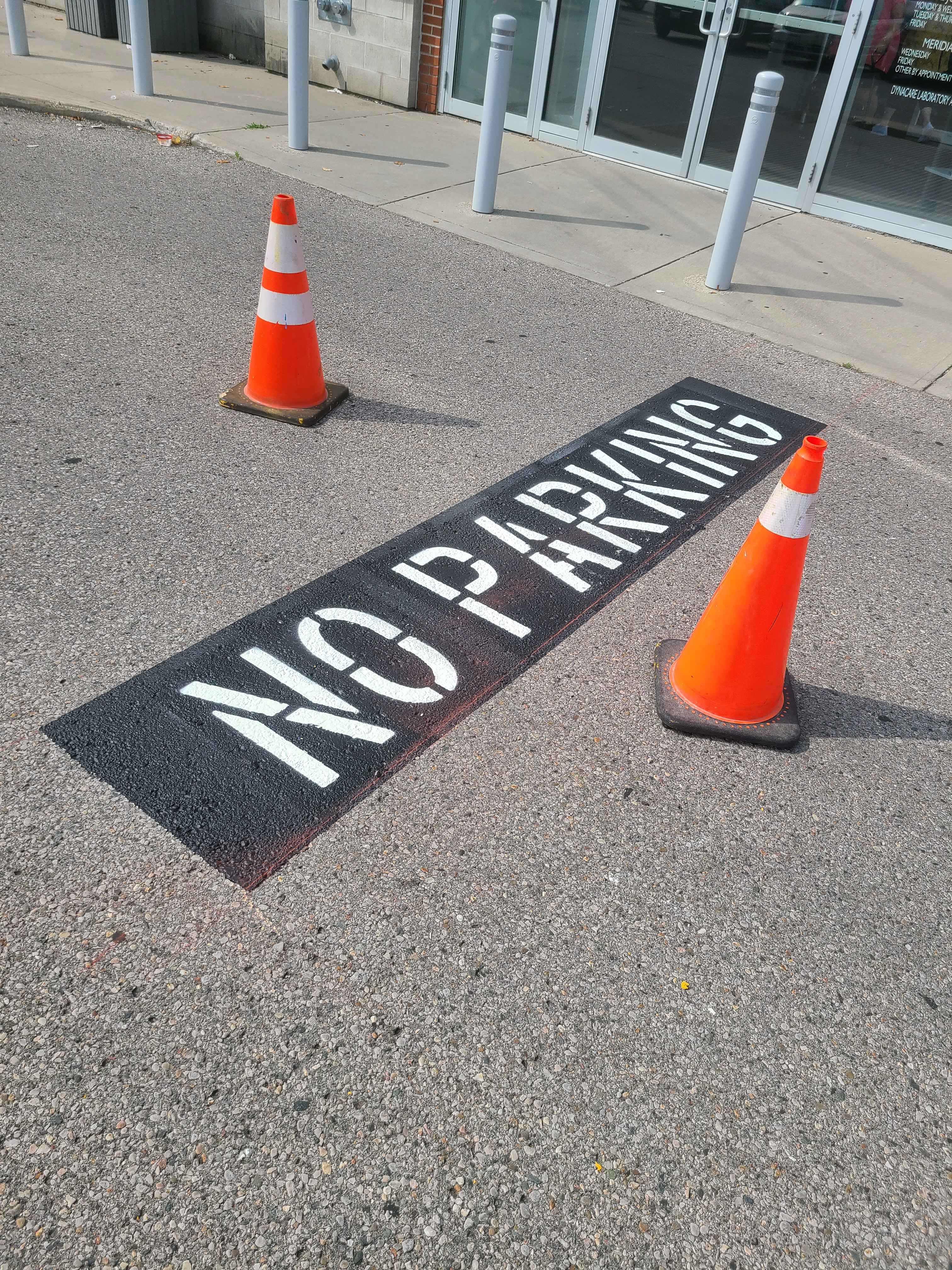
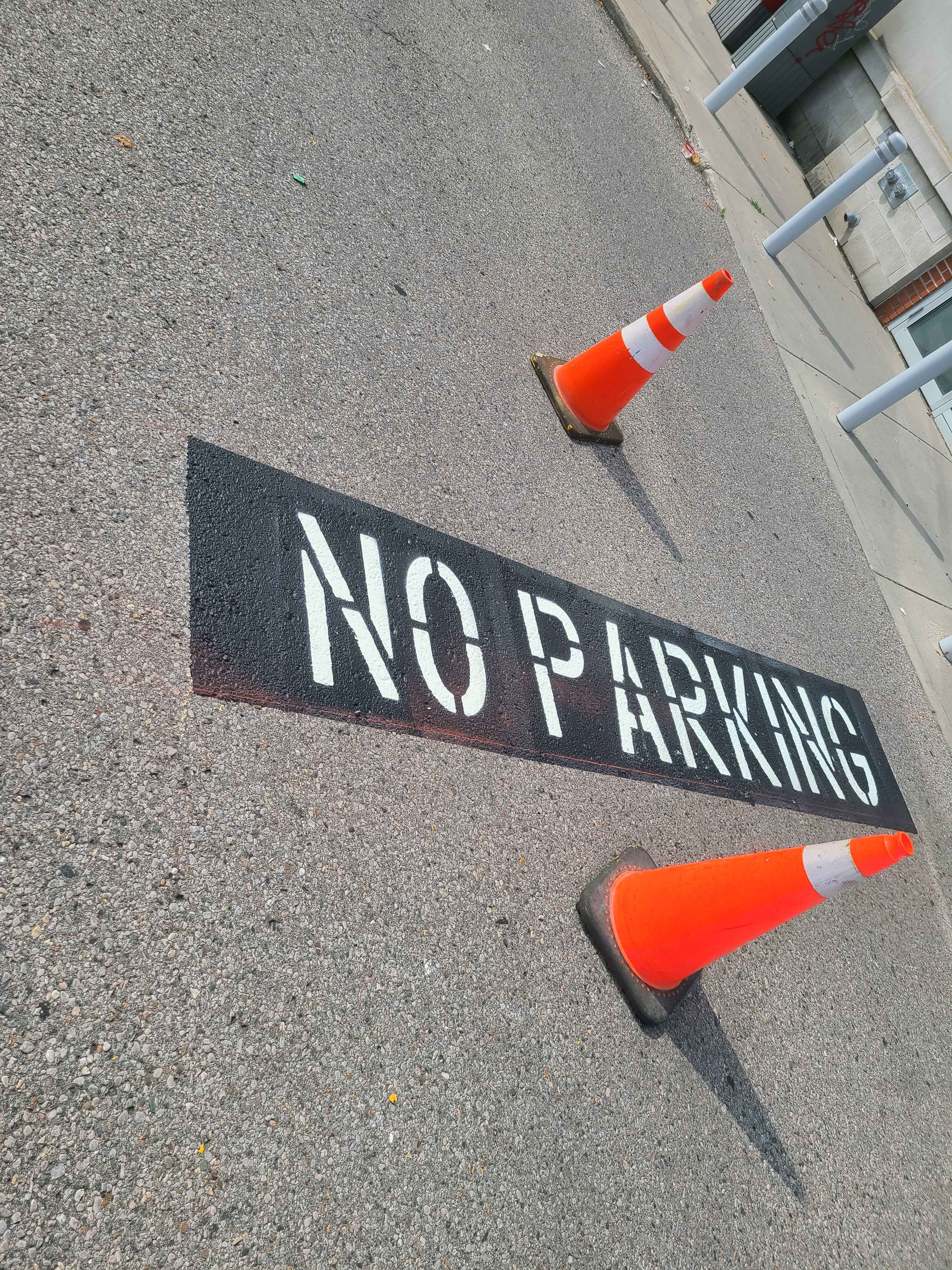
- Enhanced Visibility: Fresh sealcoating provides a dark, uniform backdrop that makes your recent Line Painting stand out, significantly improving safety and aesthetics.
- Property Readiness: For retail businesses, a refreshed lot signals to customers that the property is well-maintained and open for business.
The Cons and Risks of Early Spring Maintenance
The primary drawback to spring applications is the volatility of the weather. Asphalt maintenance is a science, and the variables in early spring can be challenging to manage.
1. Moisture and Humidity Issues
Sealcoat requires a dry substrate to adhere properly. In the early spring, the ground often retains significant moisture from the snowmelt. If the asphalt is damp underneath, the sealcoat will trap that moisture, leading to cloudy finishes or even widespread delamination. Capital Parking Lot Line Painting emphasizes that surface dryness is non-negotiable for a professional-grade result.
2. Temperature Fluctuations
For a successful application, the ambient temperature and the temperature of the asphalt itself must remain within a specific range (typically above 10°C) for several consecutive days. Early spring in Ontario can see a warm afternoon followed by a freezing night. If the temperature drops too low before the sealcoat has properly cured, the protective layer can crack or fail to harden.
Expert Tip
Don't rush the process. A professional assessment of your lot's moisture levels and the local weather forecast is essential before any application begins. It is better to wait two weeks for a stable weather window than to ruin a surface in a single afternoon.
Preparing Your Lot for Success
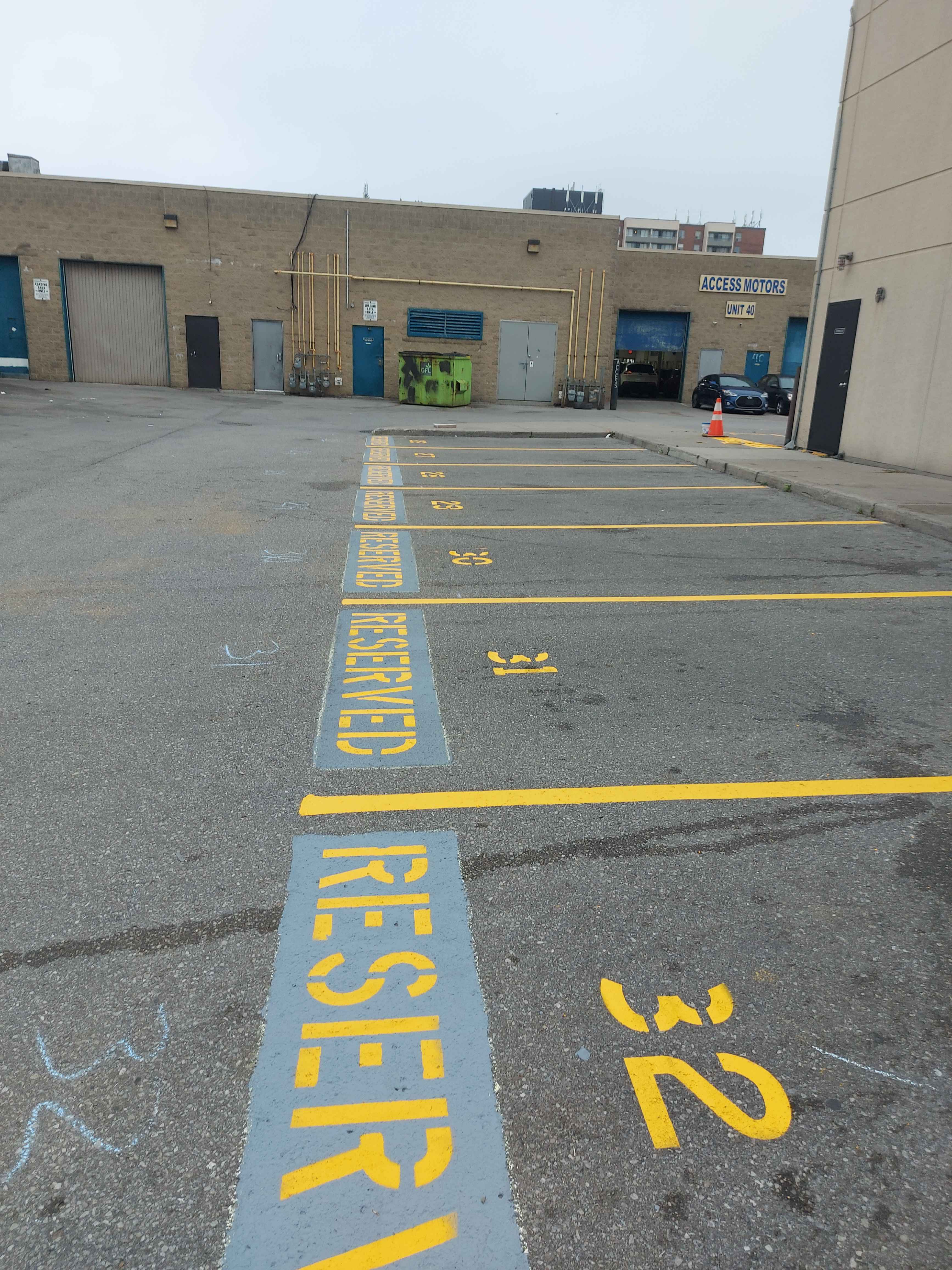
If you decide to move forward with spring maintenance, there are several steps that must be taken to ensure the longevity of the work. This is especially important if you are planning to combine sealcoating with new Line Marking to refresh your parking stalls.
The Essential Checklist:
- Deep Cleaning: All dirt, debris, and organic matter must be removed via high-pressure sweeping or washing.
- Crack Repair: Any cracks caused by the winter freeze-thaw cycle must be filled with hot rubberized crack sealant before the sealcoat is applied.
- Oil Spot Treatment: Oil and gas spills prevent sealcoat from bonding. These areas must be treated with a primer or cleaned thoroughly.
- Weather Monitoring: Ensure a window of at least 24 to 48 hours of dry weather is forecasted.
Conclusion: Should You Do It?
Can you sealcoat in early spring? The answer is yes—but only if the conditions are met. It is not a decision to be made based on the date, but rather on the temperature, humidity, and the dryness of your pavement. Working with experienced professionals like Capital Parking Lot Line Painting ensures that your property receives the care it needs without the risk of a failed application.
By balancing the desire for a beautiful lot with the technical realities of the Ontario climate, you can ensure your asphalt remains durable and attractive for years to come.