How Sealcoating Shields Asphalt from Freeze-Thaw Cycles
Understanding the science of pavement preservation in Ontario's volatile climate.
For property owners in Ontario, the changing seasons bring more than just a shift in temperature; they bring a significant threat to the structural integrity of asphalt surfaces. One of the most aggressive forces acting upon your parking lot or driveway is the freeze-thaw cycle. Without a protective barrier, your asphalt is essentially a sponge for moisture, leading to rapid deterioration.
At Capital Parking Lot Line Painting, we see firsthand how much damage can be prevented through proactive maintenance. Sealcoating is not merely a cosmetic upgrade to make your pavement look black and new; it is a critical defensive layer designed to combat the unique environmental stressors found in cities like Ajax.
The Science of the Freeze-Thaw Cycle
To understand why sealcoating is necessary, we must first understand the physics of water. Asphalt is a porous material. While it looks solid, it contains microscopic voids that allow water to seep into the surface. When the temperature drops below freezing, that trapped water turns into ice.
When water freezes, it expands by approximately 9% in volume. This expansion creates immense internal pressure within the asphalt structure. As the sun comes out and the ice melts, the pressure is released, leaving behind a microscopic void. This process repeats hundreds of times throughout a typical Ontario winter. Eventually, these tiny voids merge into larger cracks, which then lead to potholes and total pavement failure.
How Sealcoating Acts as a Shield
Sealcoating provides a specialized liquid barrier that fills the pores of the asphalt and hardens into a protective skin. This shield works in several key ways:
- Moisture Impermeability: By sealing the pores, it prevents liquid water from penetrating the asphalt surface, effectively stopping the expansion process before it starts.
- Oxidation Resistance: UV rays from the sun break down the bitumen (the "glue" in asphalt), causing it to become brittle. Sealcoat contains additives that block UV damage.
- Chemical Protection: It shields the surface from oil spills, gasoline, and road salts, which can chemically dissolve the asphalt binder.
- Structural Reinforcement: A high-quality application helps bind the surface aggregates together, providing a more cohesive top layer.
The Importance of Professional Application
While many DIY enthusiasts attempt to seal their own driveways, commercial-grade asphalt requires a more sophisticated approach. Capital Parking Lot Line Painting utilizes industrial-strength sealants that are far more durable than the products found at local hardware stores. Our team ensures that the surface is properly cleaned and prepared, which is the most vital step in the process.
In a top 30 Ontario city like Ajax, where commercial traffic and weather patterns are demanding, a subpar sealcoating job can actually trap moisture inside the asphalt, causing even faster damage. Professional application ensures the sealant sits *on top* of the surface rather than being absorbed too deeply into the base, which can soften the pavement.
Beyond the Surface: Complementary Maintenance
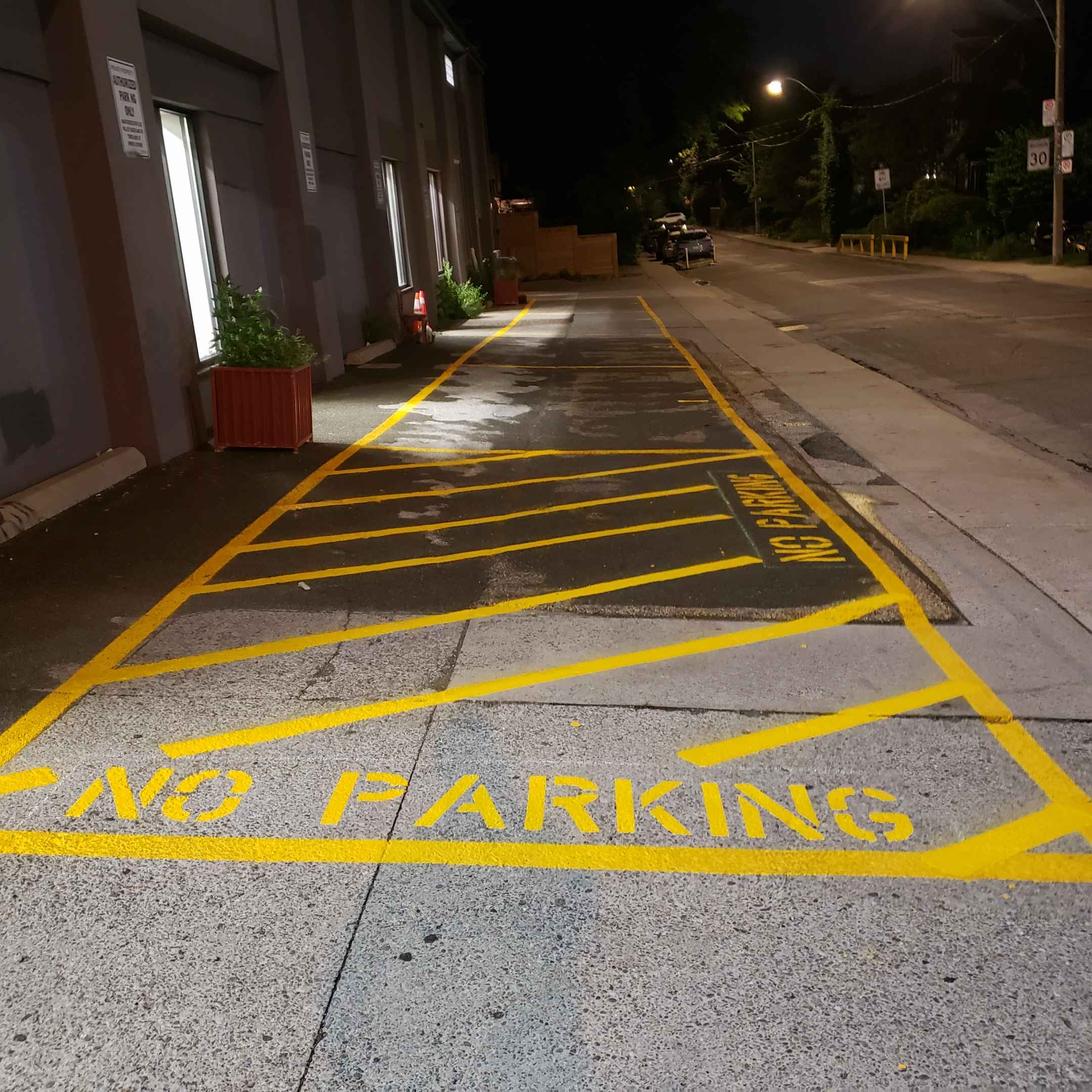
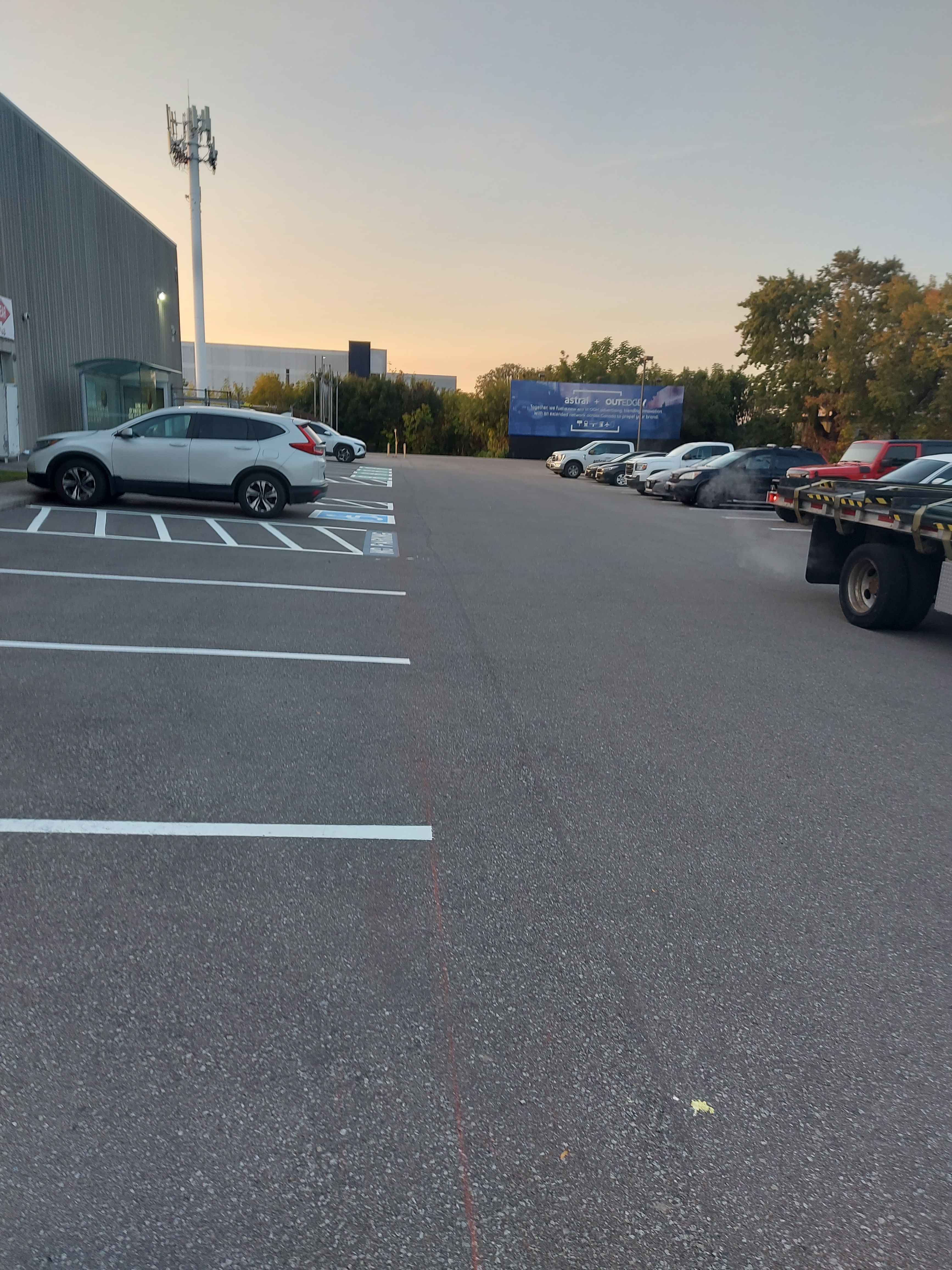
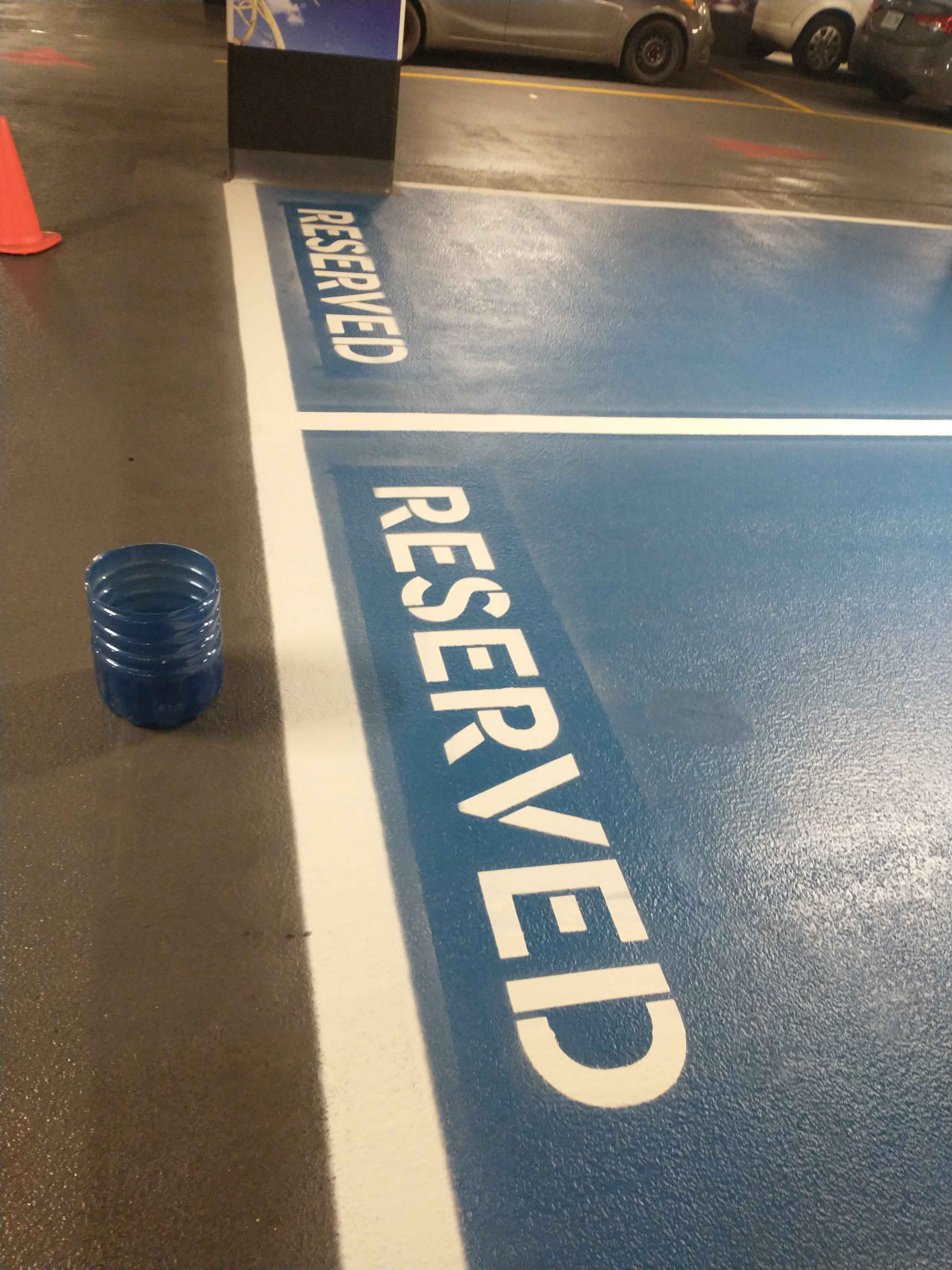
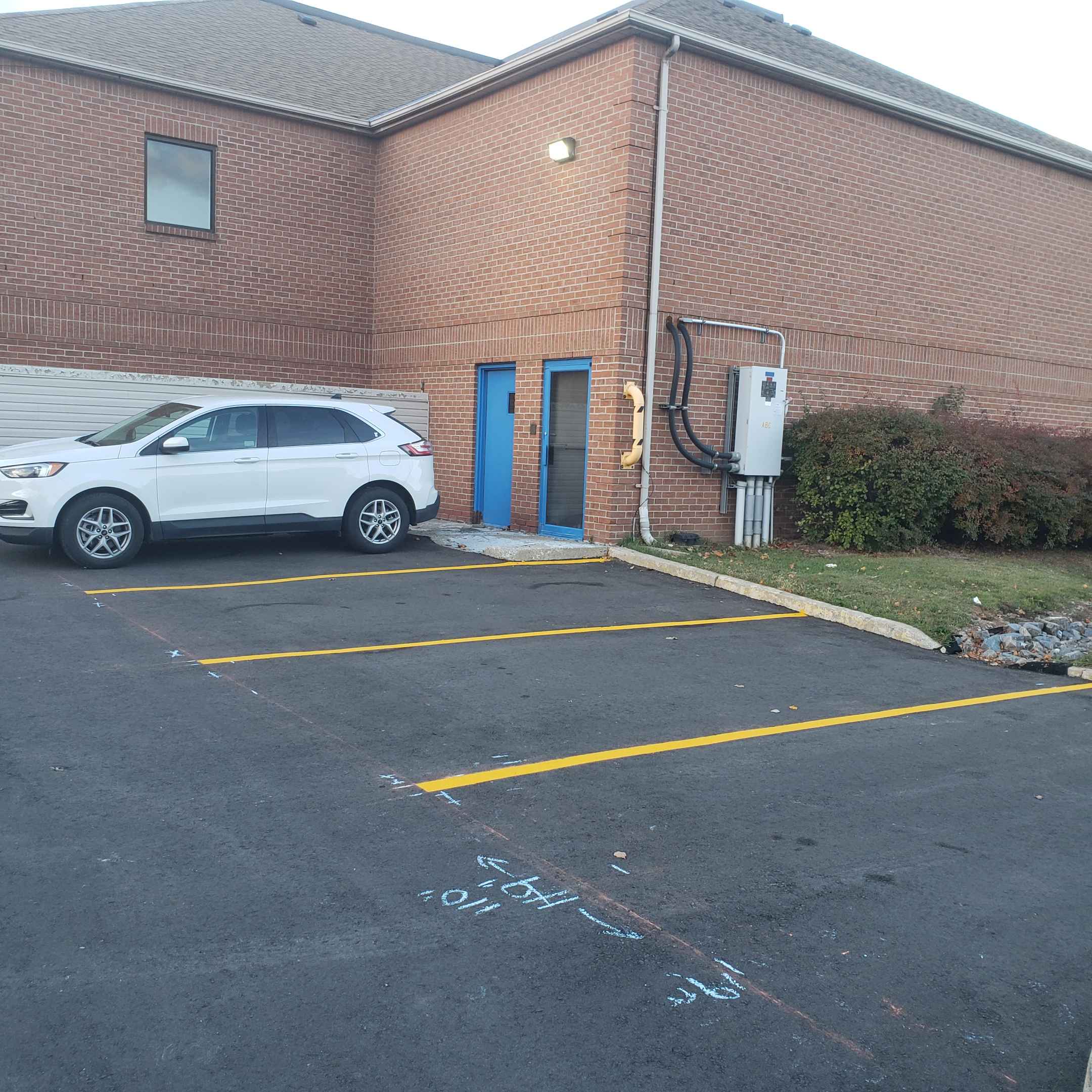
Sealcoating is most effective when part of a comprehensive maintenance plan. Once your sealcoating has cured, the next step in maintaining a professional and safe appearance is often Line Marking. Freshly sealed asphalt provides a perfect, dark canvas for crisp, high-visibility Line Painting.
By combining sealcoating with professional Line Marking, you ensure that your parking lot is not only structurally sound but also compliant with safety regulations and aesthetically pleasing to your customers. Capital Parking Lot Line Painting offers these integrated services to provide a complete solution for your property.
Protect Your Investment Today
Don't wait for the first crack to appear. Regular sealcoating is the most cost-effective way to extend the life of your asphalt and avoid the massive expense of a full repaving project.