Can You Sealcoat in Humid or Damp Conditions?
Understanding the critical relationship between moisture and asphalt protection to ensure your investment lasts.
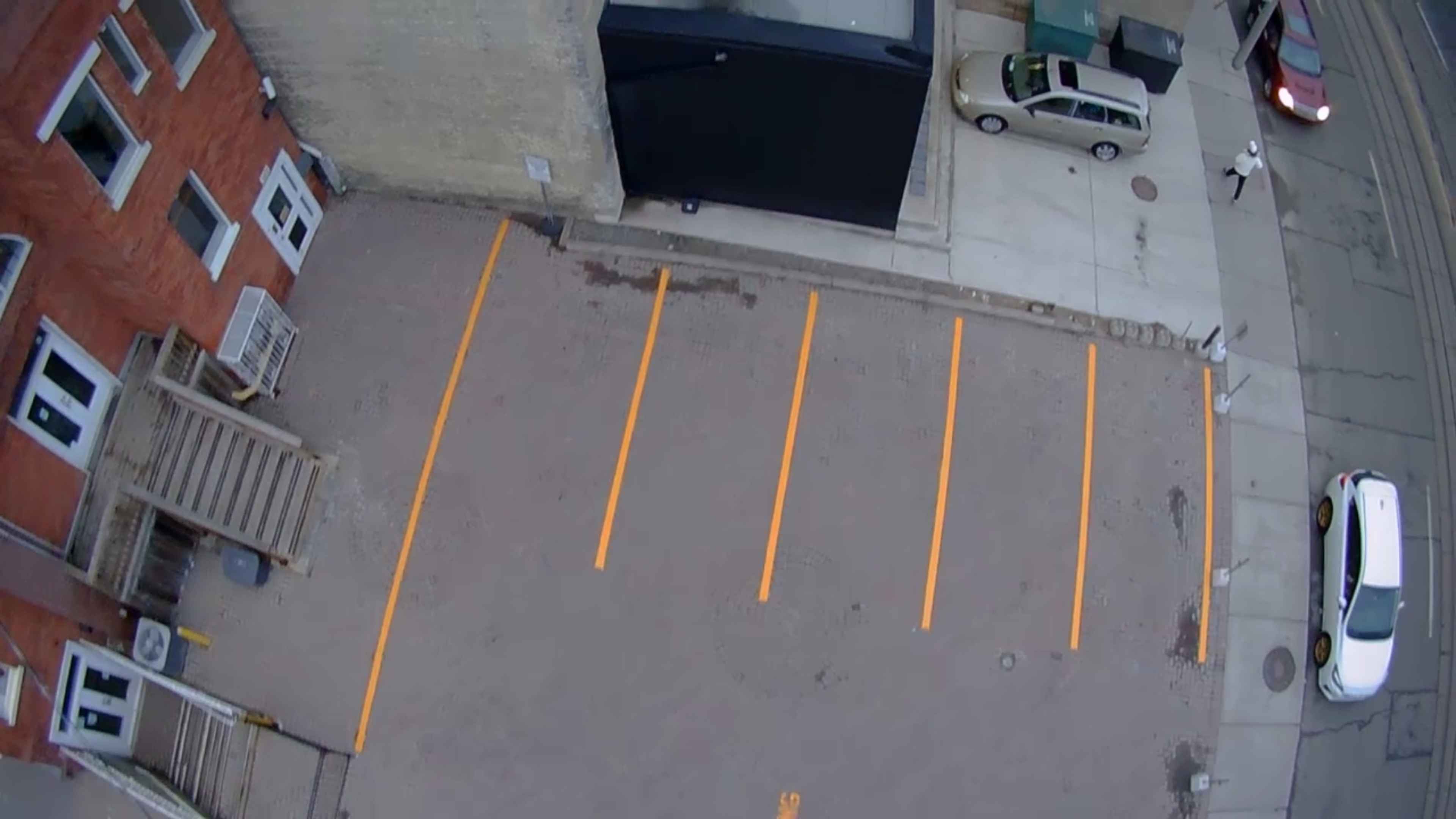
If you own a commercial property or a large residential driveway, you know that asphalt is a significant investment. One of the most effective ways to protect that investment is through regular sealcoating. However, as any property manager in London knows, the weather can be incredibly unpredictable. One of the most frequent questions we receive at Capital Parking Lot Line Painting is: "Can I sealcoat when it is humid or damp outside?"
The short answer is: proceed with extreme caution. While sealcoating is designed to protect your pavement from the elements, the elements themselves—specifically moisture and humidity—can dictate whether your application succeeds or fails miserably.
The Science of Sealcoating and Moisture
Sealcoating is not just a cosmetic upgrade; it is a protective barrier. The sealant is designed to bond with the top layer of the asphalt, creating a waterproof and UV-resistant shield. For this bond to occur, the surface must be bone-dry, and the ambient air must allow the sealant to cure properly.
Why Humidity is the Enemy
Humidity refers to the amount of water vapor in the air. When humidity levels are high, the evaporation process slows down significantly. Since sealcoating relies on the evaporation of solvents or water (depending on the product used) to harden, high humidity can trap moisture beneath the surface of the coating.
If the sealant cannot "breathe" and dry out, you may encounter several issues, including:
- Softness: The coating may remain tacky or soft for days or even weeks.
- Cloudiness: Moisture trapped during the curing process can cause a milky, unsightly appearance.
- Peeling: If moisture is trapped against the asphalt, it can prevent a proper bond, leading to premature peeling or flaking.
- Cracking: Uneven drying caused by localized humidity can lead to structural weaknesses in the sealcoat layer.
Damp Surfaces vs. High Humidity
It is important to distinguish between a damp surface and high humidity. A damp surface—caused by recent rain or morning dew—is an absolute deal-breaker. Applying sealant to a wet or damp asphalt surface is one of the most common mistakes in the industry. The water acts as a barrier, preventing the sealant from ever reaching the pores of the asphalt.
At Capital Parking Lot Line Painting, we emphasize that even if the ground looks dry, high humidity can still cause issues. In a major Ontario hub like London, where summer storms can follow humid mornings, timing is everything. Professional contractors monitor dew points and humidity percentages to ensure the window of opportunity is perfect.
Common Mistakes to Avoid
When attempting to manage your own asphalt maintenance or overseeing a crew, avoid these pitfalls:
- Ignoring the Dew Point: If the temperature is dropping and the dew point is rising, moisture will settle on the pavement overnight, potentially ruining a fresh application.
- Rushing the Job: Trying to beat a forecasted rainstorm often leads to applying sealant too thick, which exacerbates drying issues in humid air.
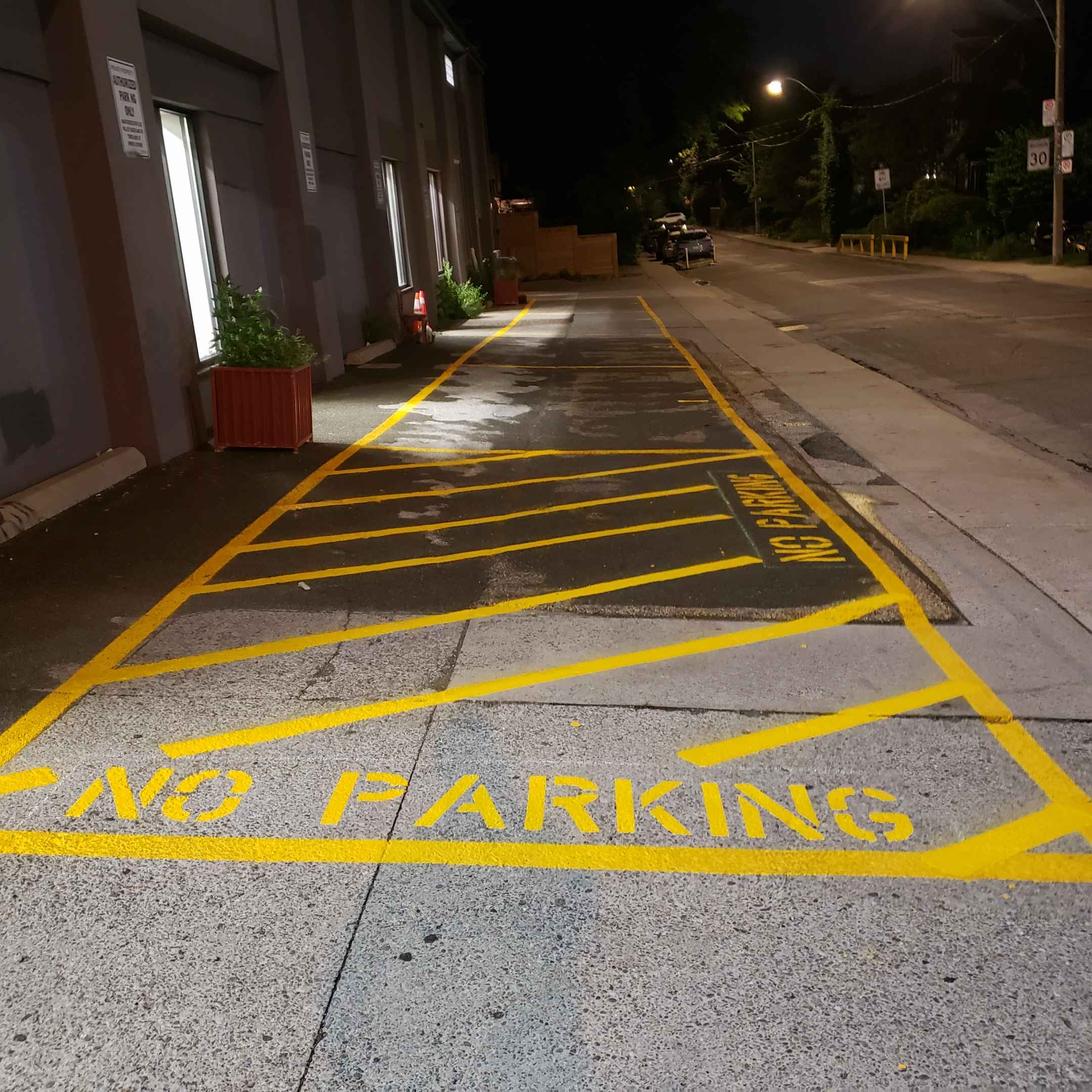
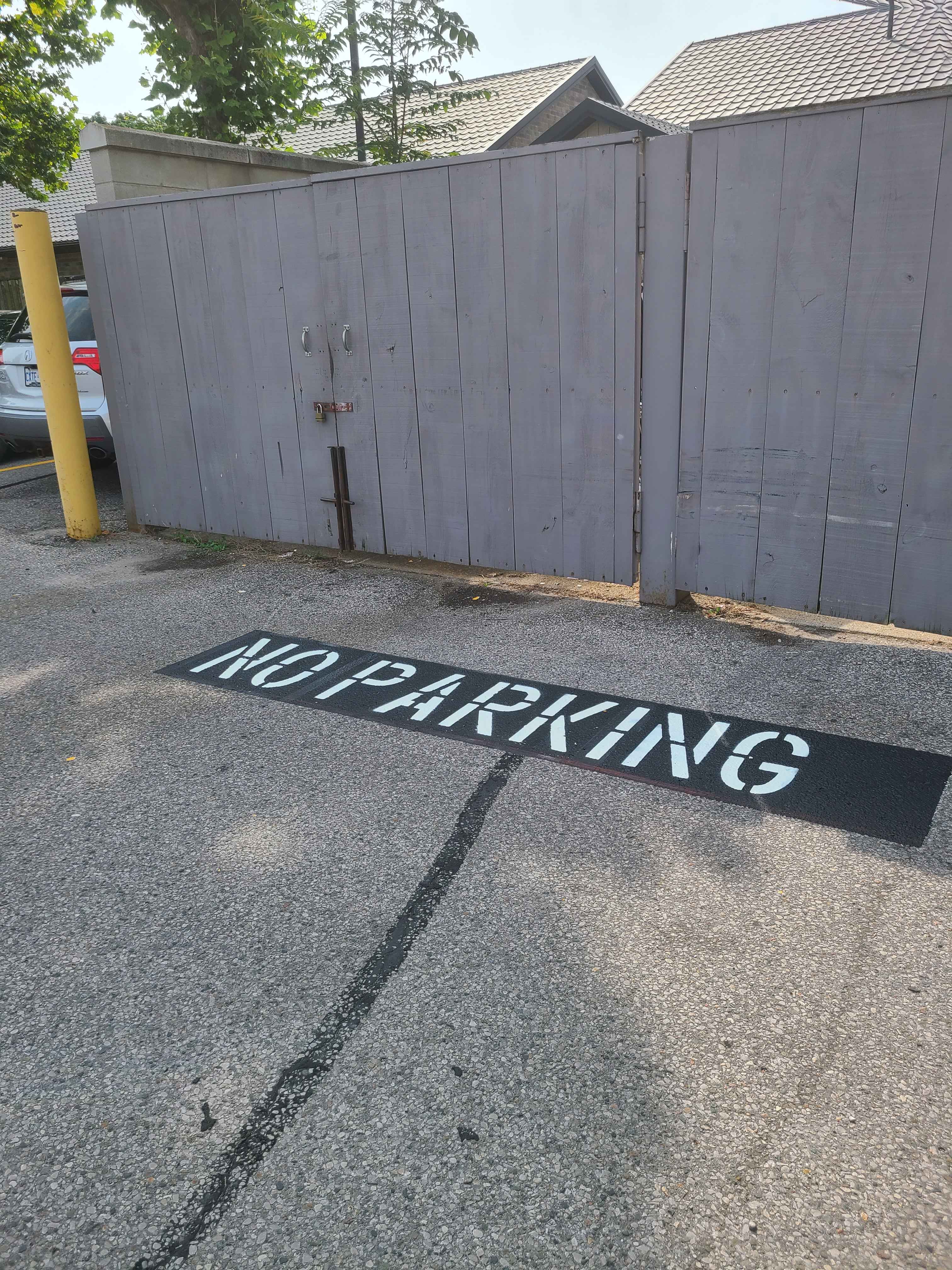
- Neglecting Line Marking: Many people forget that sealcoating must be coordinated with Line Painting. If you sealcoat in damp conditions, your new Line Marking may not adhere properly to the tacky surface.
How Professionals Handle Variable Weather
Professional companies like Capital Parking Lot Line Painting use advanced forecasting to mitigate these risks. We don't just look at whether it is raining; we look at the atmospheric pressure, the humidity levels, and the predicted evaporation rates. This ensures that when we arrive at your site, the conditions are optimal for a long-lasting finish.
A proper application involves several stages that are all sensitive to moisture:
- Deep cleaning and debris removal (moisture can turn dust into mud).
- Crack filling (requires dry cracks to ensure the filler adheres).
- The sealcoating application itself.
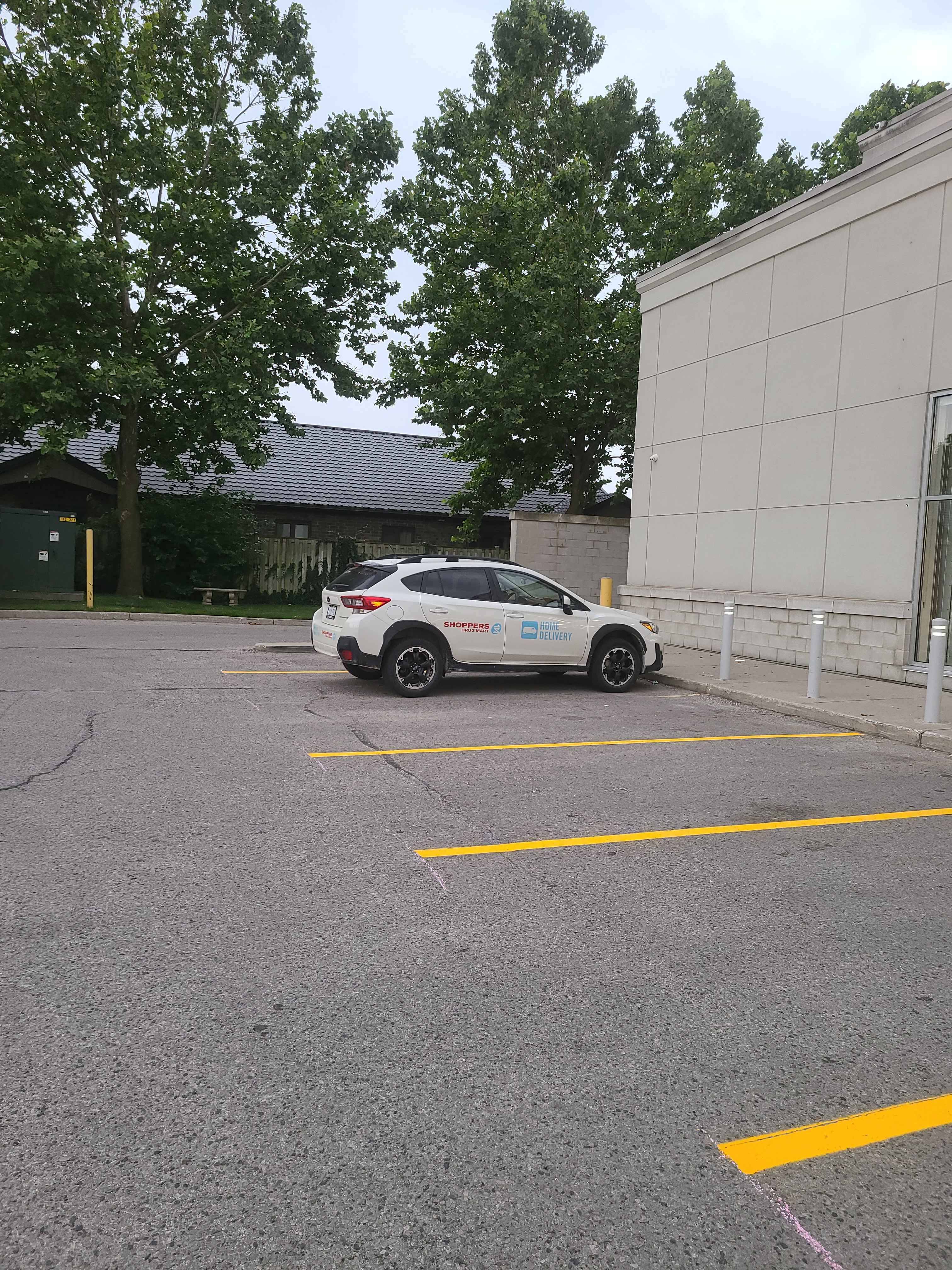
- The subsequent Line Painting to define parking stalls and walkways.
Conclusion
Can you sealcoat in humid or damp conditions? Technically, you *can* apply the product, but you *shouldn't*. The risk of a failed application, wasted material, and a ruined aesthetic is simply too high. To ensure your parking lot or driveway remains durable and visually appealing, always wait for a window of low humidity and completely dry surfaces.
If you are unsure about the best time to refresh your pavement, consult with the experts at Capital Parking Lot Line Painting. We take the guesswork out of asphalt maintenance so you can enjoy a beautiful, protected surface for years to come.
Expert Asphalt Care
Don't let the weather dictate the quality of your pavement. Work with professionals who understand the science of asphalt protection.