Signs That Your Parking Lot Needs Emergency Crack Repair
Don't let minor fissures turn into major structural failures. Learn how to identify the warning signs before your pavement becomes a liability.
As a property owner or facility manager, your parking lot is often the first thing a customer sees. It serves as the gateway to your business, setting the tone for the entire customer experience. However, many managers overlook the subtle signs of deterioration until a small crack evolves into a massive pothole. In a bustling area like Vaughan, where heavy traffic and fluctuating weather patterns are common, pavement maintenance is not just an aesthetic choice—it is a necessity for safety and longevity.
At Capital Parking Lot Line Painting, we have seen firsthand how delaying simple crack repairs can lead to astronomical reconstruction costs. Understanding the warning signs can save you time, stress, and significant structural damage.
1. The Appearance of Hairline Fractures
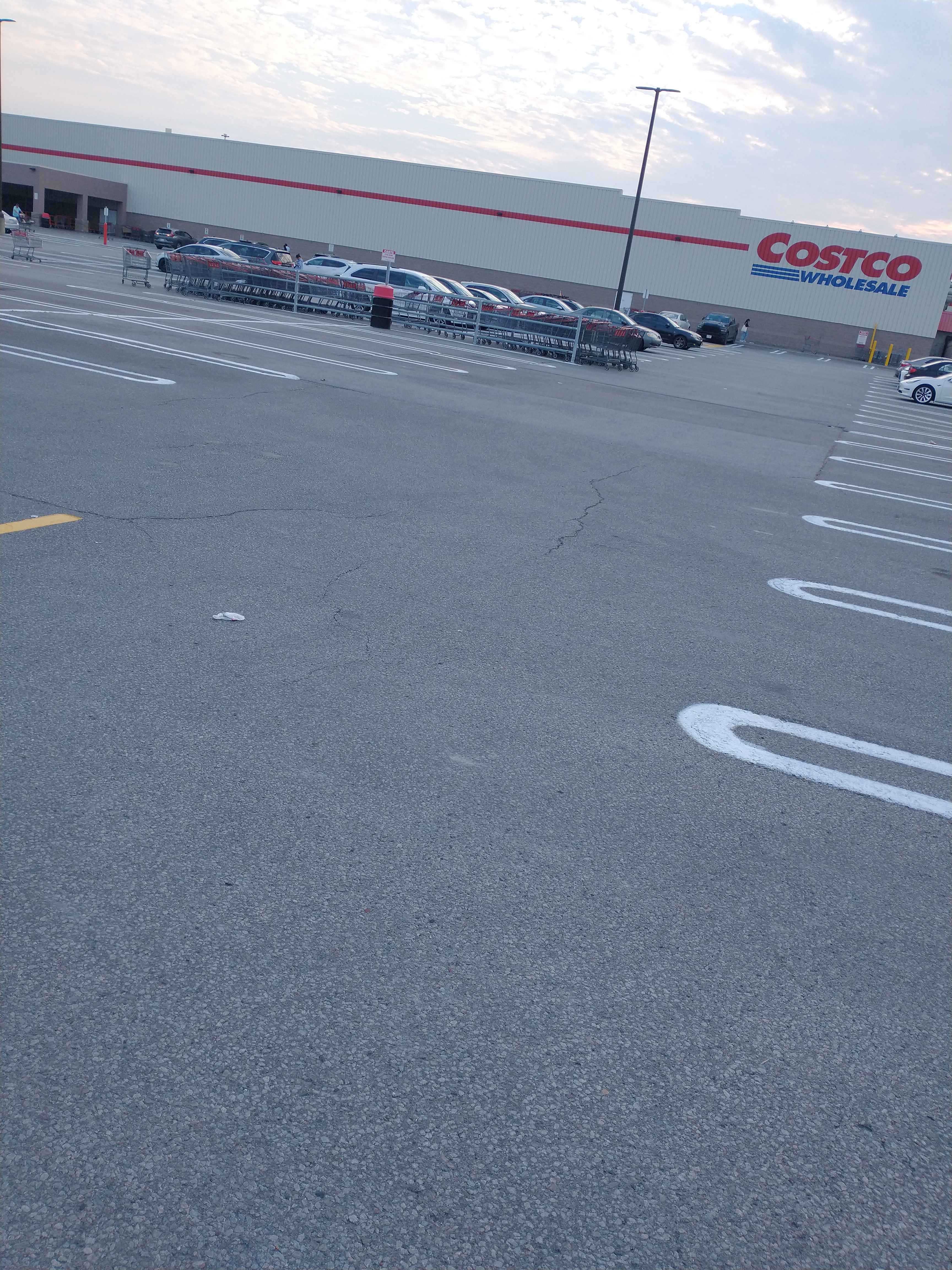
The most common sign of trouble is the appearance of thin, hairline cracks. While they might look superficial, these are the early warning signals of the pavement's aging process. These cracks allow water to seep into the sub-base of your parking lot. In Ontario, where freeze-thaw cycles are aggressive, that trapped water expands as it freezes, forcing the crack to widen from the inside out.
If you notice these fine lines spiderwebbing across your asphalt, it is time to call in the professionals at Capital Parking Lot Line Painting to seal them before the winter season hits.
2. Alligator Cracking (Fatigue Cracking)
One of the most critical signs of emergency repair needs is what experts call "alligator cracking." This pattern resembles the scales on an alligator's back—a series of interconnected cracks that form a web-like pattern. This is not just a surface issue; it indicates that the base layer of your parking lot is failing.
When you see alligator cracking, the structural integrity of the asphalt has been compromised. This usually happens due to heavy load stress or poor drainage. If left unaddressed, these sections will quickly crumble into potholes, creating a significant tripping hazard for pedestrians and a damage risk for vehicles.
Why Proactive Maintenance Matters
Addressing cracks early prevents water infiltration, preserves the sub-base, and maintains the overall professional appearance of your property.
3. Potholes and Surface Depressions
Potholes are the final stage of unaddressed cracking. Once a crack has widened and the underlying base has been washed away by water, the surface asphalt collapses under the weight of vehicle tires. In a top 30 city like Vaughan, the volume of commercial vehicles can accelerate this process rapidly.
A pothole is more than an eyesore; it is a liability. It can cause tire blowouts, rim damage, and even personal injury to pedestrians. If you see depressions in your parking lot that collect standing water, you are in the "emergency repair" zone.
Common Mistakes in Parking Lot Maintenance
Many property owners attempt to manage their asphalt through DIY methods or by ignoring the signs. Here are some common mistakes to avoid:
- Ignoring Drainage: Allowing water to pool near cracks accelerates the damage.
- Using Incorrect Sealants: Using the wrong material for the specific type of crack can lead to immediate failure.
- Delaying Line Marking: While crack repair is structural, failing to perform regular Line Marking makes it harder to see where pavement degradation is most severe.
- Waiting for Total Failure: Waiting until the entire lot needs repaving instead of performing targeted repairs.
How to Implement a Maintenance Schedule
The best way to avoid emergency repairs is to have a proactive plan. A healthy parking lot requires a combination of structural care and visual clarity. Capital Parking Lot Line Painting recommends a three-pillar approach:
- Annual Inspections: Walk your lot every spring to check for new cracks or shifting.
- Crack Sealing: Perform professional sealing every 2-3 years to prevent water ingress.
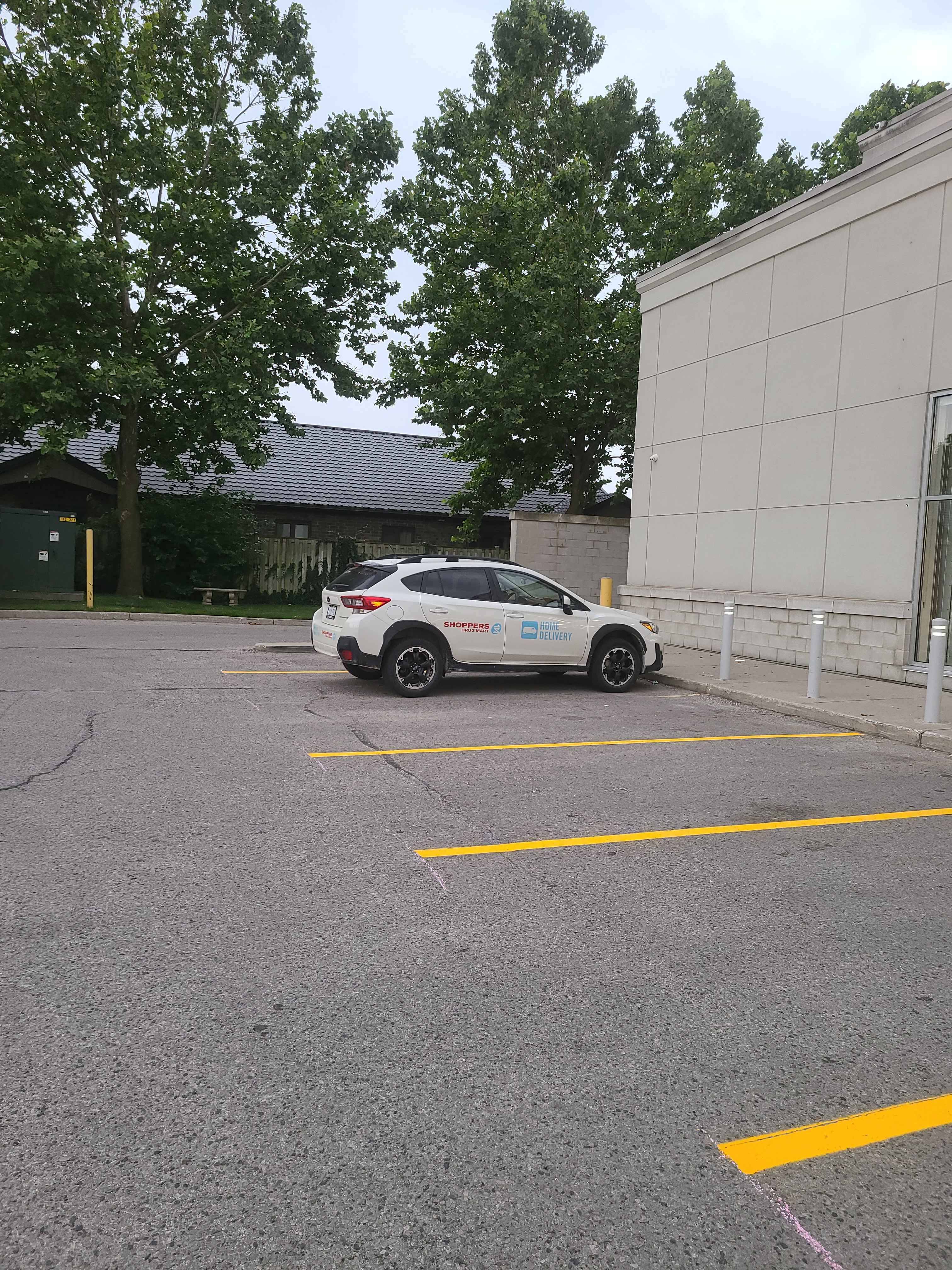
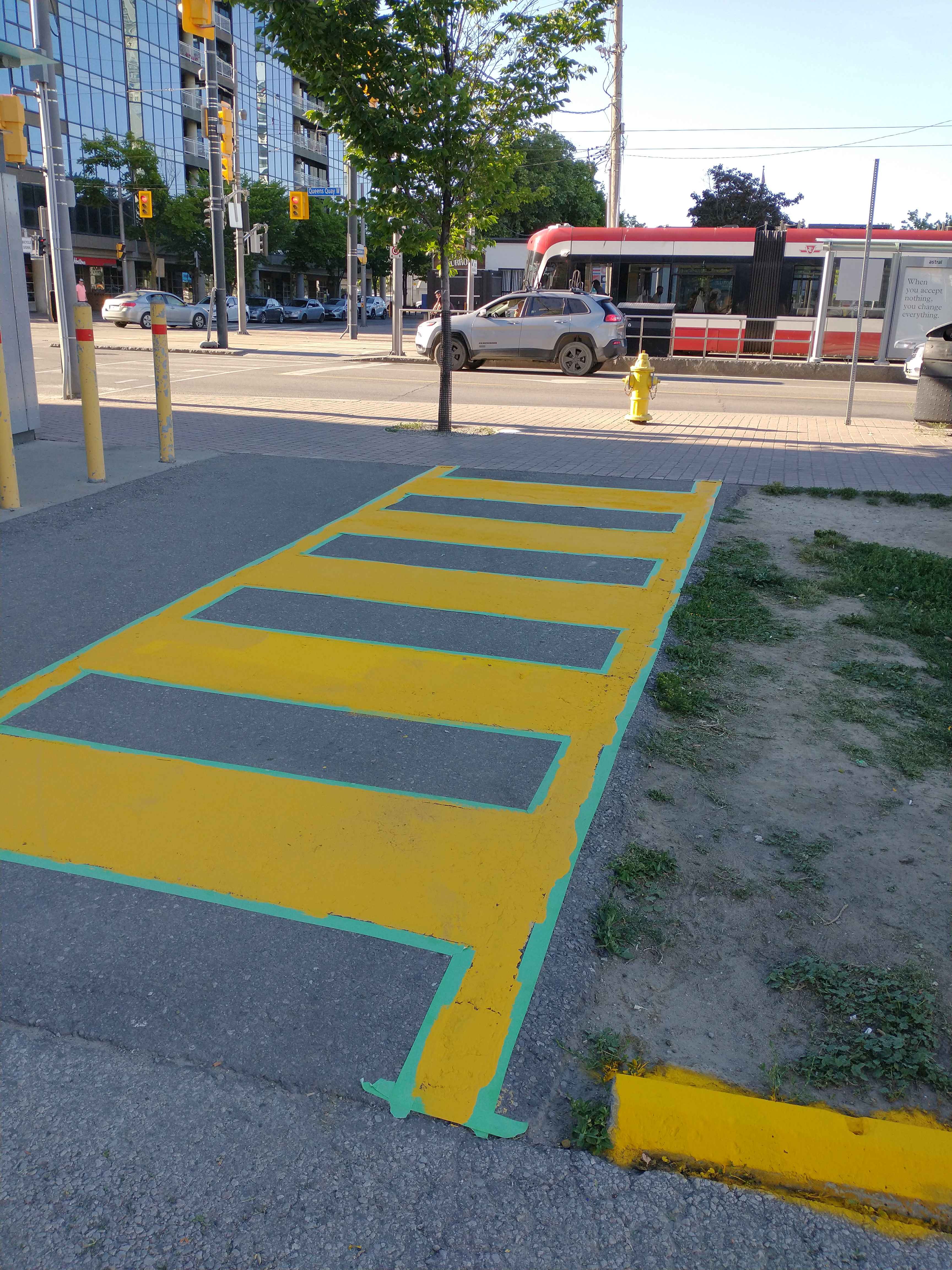
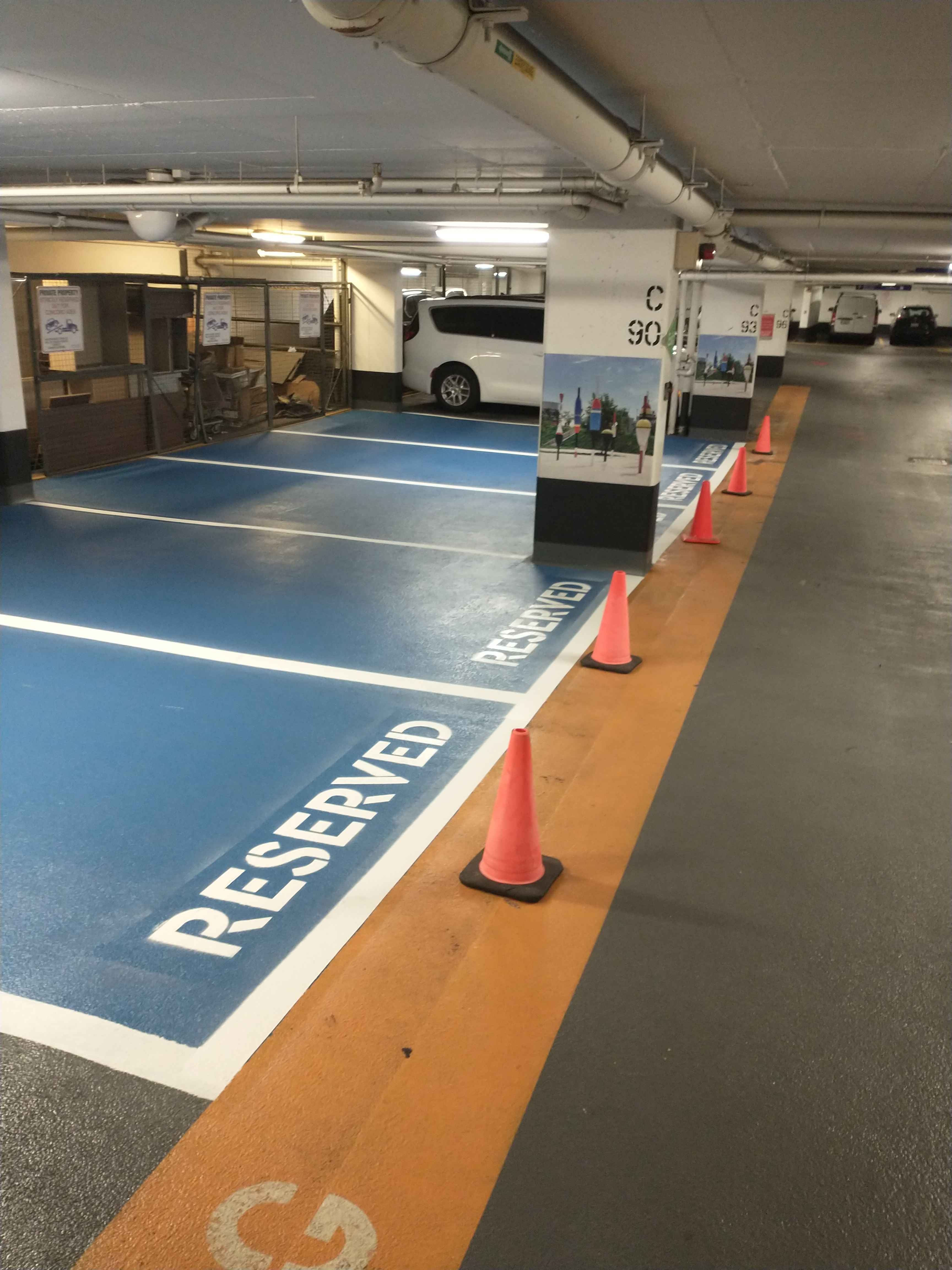
- Visual Updates: Schedule regular Line Painting to ensure parking stalls, ADA accessibility, and traffic flow markings remain highly visible and compliant with local regulations.
Conclusion
Your parking lot is an investment. By recognizing the signs of fatigue cracking, alligator cracking, and potholes, you can take decisive action to protect that investment. Don't wait for a minor crack to become a major liability. Contact the experts at Capital Parking Lot Line Painting today to ensure your pavement remains safe, functional, and professional.