The Role of Sealcoating in Long-Term Asphalt Maintenance
Understanding how to protect your investment through proactive pavement care and professional maintenance strategies.
Asphalt is a resilient material, but it is not invincible. Whether you manage a commercial parking lot in a bustling business district or a private driveway, the surface you drive on is constantly under siege. From the intense UV rays of summer to the corrosive salt used during Ontario winters, the environmental stressors are relentless. This is where sealcoating becomes an essential part of your property management toolkit.
At Capital Parking Lot Line Painting, we have seen firsthand how regular maintenance can mean the difference between a pavement that lasts decades and one that requires a costly complete replacement in just a few years. Sealcoating acts as a sacrificial barrier, absorbing the brunt of environmental damage so your asphalt doesn't have to.
What Exactly is Sealcoating?
Sealcoating is the process of applying a protective liquid coating to the surface of asphalt. This coating is typically composed of coal tar or asphalt emulsion mixed with additives like sand (to provide traction) and pigments. Unlike a simple paint job, sealcoating penetrates the top layer of the asphalt, sealing the pores and creating a waterproof, UV-resistant shield.
In cities like Whitby, where seasonal temperature swings are extreme, this protective layer is vital. The expansion and contraction caused by freeze-thaw cycles can quickly turn small surface cracks into deep potholes if the asphalt is left exposed and unprotected.
The Key Benefits of Regular Sealcoating
Investing in sealcoating provides multiple layers of protection and aesthetic value. Here are the primary reasons why property owners should prioritize this service:
- UV Protection: Sunlight breaks down the chemical bonds in asphalt (oxidation), causing it to turn gray and become brittle. Sealcoating blocks these harmful rays.
- Waterproofing: Water is the enemy of asphalt. Sealcoating prevents moisture from seeping into the sub-base, which prevents structural failure.
- Chemical Resistance: Oil, gasoline, and hydraulic fluids can dissolve the binder in asphalt. A sealed surface prevents these fluids from soaking in.
- Enhanced Aesthetics: A fresh sealcoat gives your pavement a deep, rich black finish, instantly boosting the curb appeal of your facility.
- Improved Safety: Many sealcoating mixtures include grit to increase surface friction, reducing the risk of slips and skids.
The Synergy of Sealcoating and Line Marking
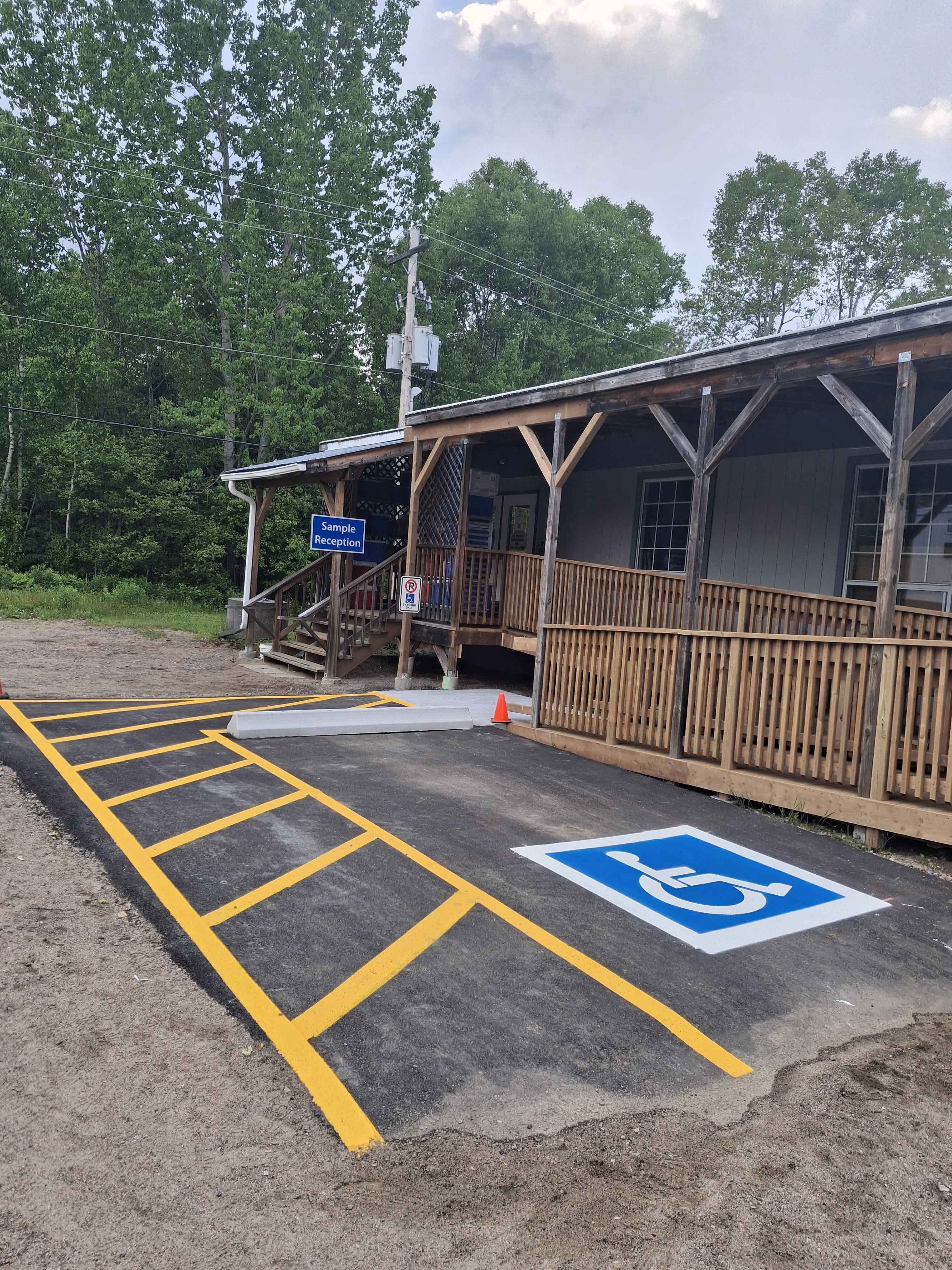
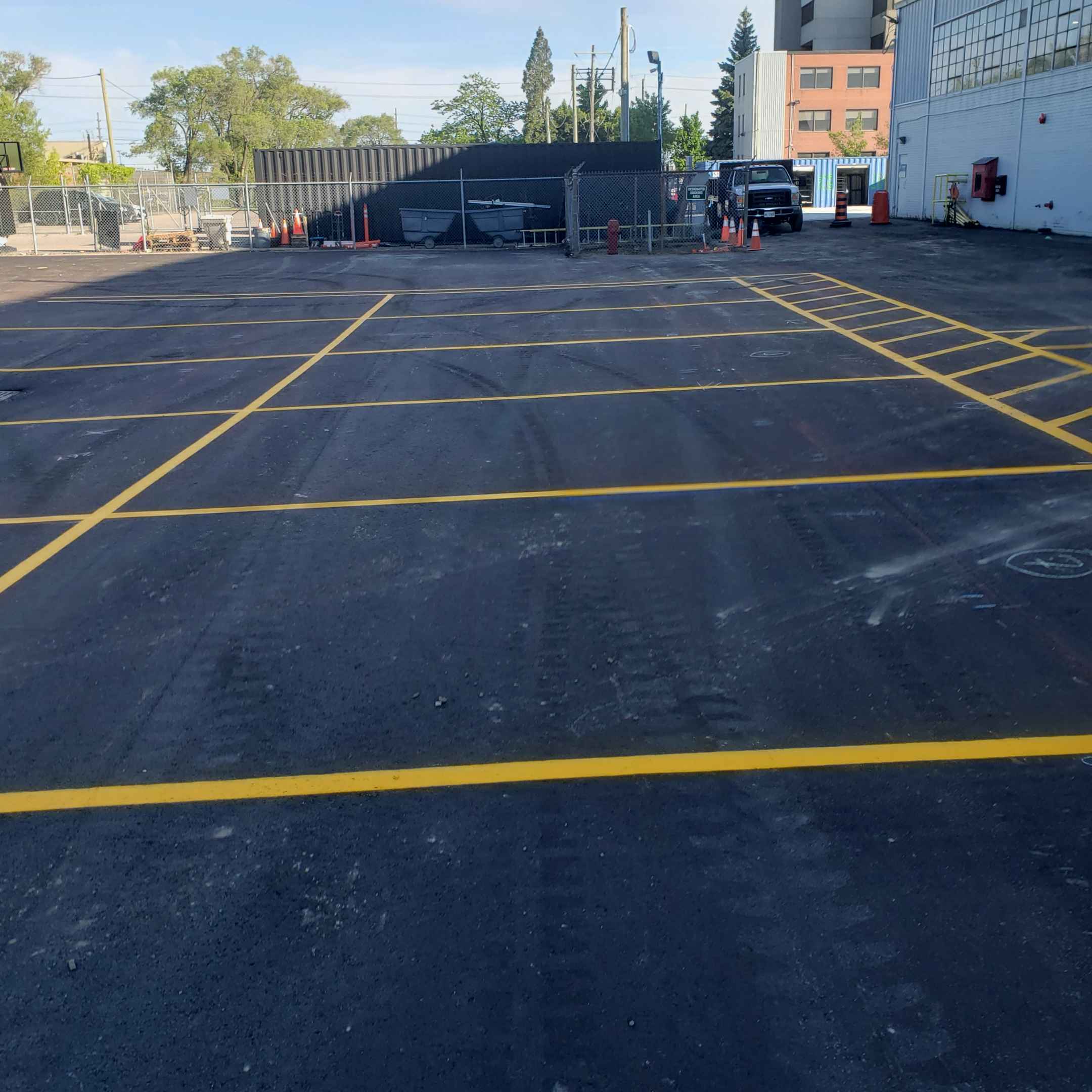
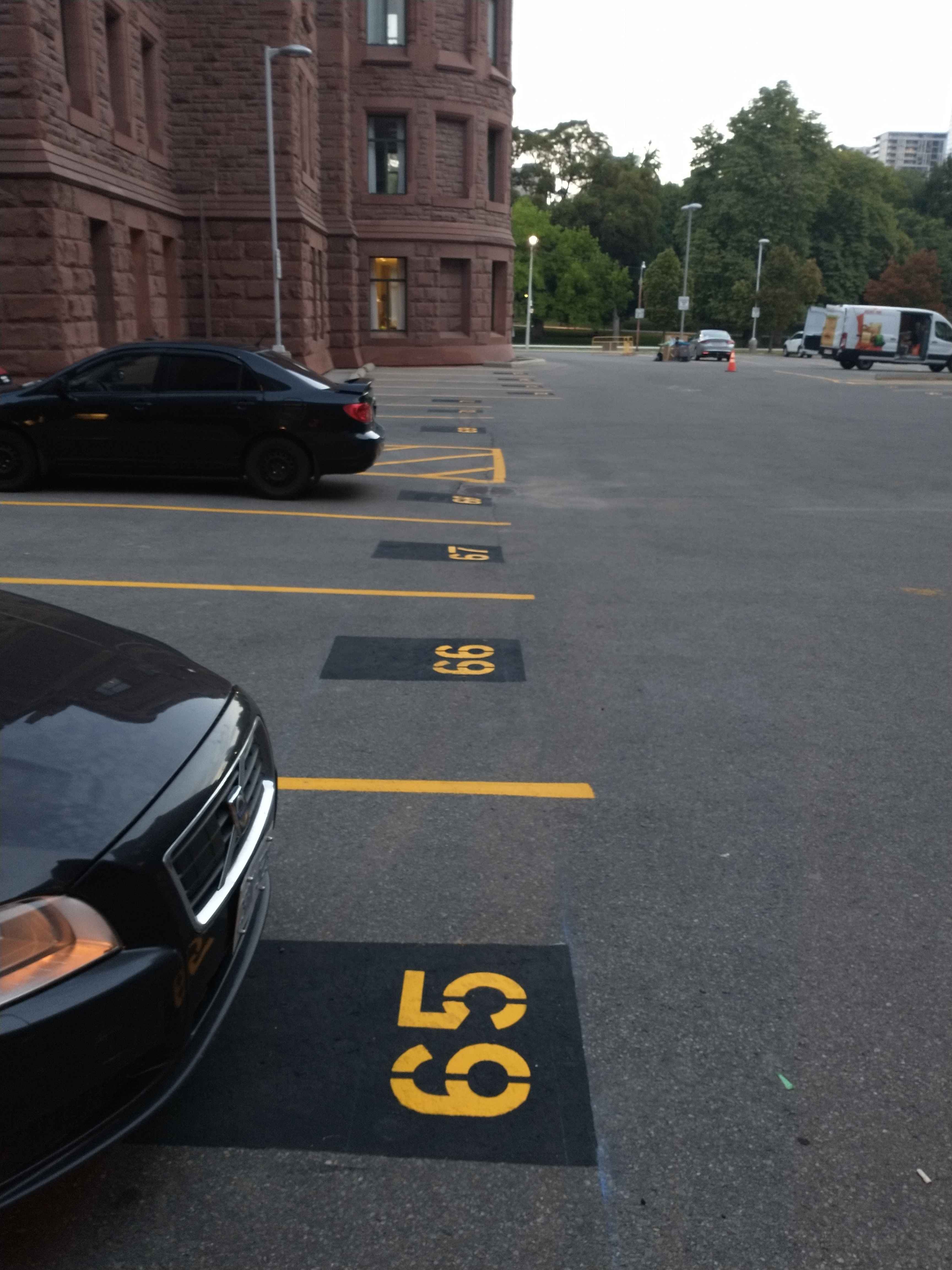
A well-maintained parking lot is not just about the black surface; it is about organization and safety. Once the sealcoating process is complete and the surface has cured, the next logical step is professional Line Marking. High-contrast lines ensure that parking stalls, fire lanes, and pedestrian walkways are clearly defined.
Capital Parking Lot Line Painting recommends coordinating your sealcoating and Line Painting to ensure the best results. Applying fresh lines over a newly sealed surface ensures maximum adhesion and a professional, high-end look that guides traffic efficiently and reduces liability.
Common Mistakes to Avoid
Many property owners in Whitby attempt to DIY their maintenance, only to find that the results are uneven or the coating peels within months. Avoiding these common pitfalls is crucial:
1. Neglecting Surface Preparation
Applying sealer over dirt, oil, or loose debris is a recipe for failure. The surface must be meticulously cleaned for the sealer to bond.
2. Poor Timing
Applying sealer when it is too cold or when rain is imminent will prevent proper curing and lead to premature degradation.
Why Choose Professional Services?
While it may be tempting to cut corners, professional application ensures that the thickness is uniform and the additives are correctly proportioned. Capital Parking Lot Line Painting utilizes industrial-grade equipment and materials designed to withstand the unique climate of Ontario. Our team understands the technical nuances of asphalt chemistry, ensuring your pavement remains a durable asset for your business.
Ready to Protect Your Asphalt?
Don't wait for cracks to become craters. Contact the experts at Capital Parking Lot Line Painting today to schedule your maintenance assessment and ensure your parking lot remains in peak condition.