What Facility Managers Should Know About Thermoplastic Marking
Ensuring safety, durability, and clarity in high-traffic environments requires more than just standard coatings; it requires the precision of thermoplastic technology.
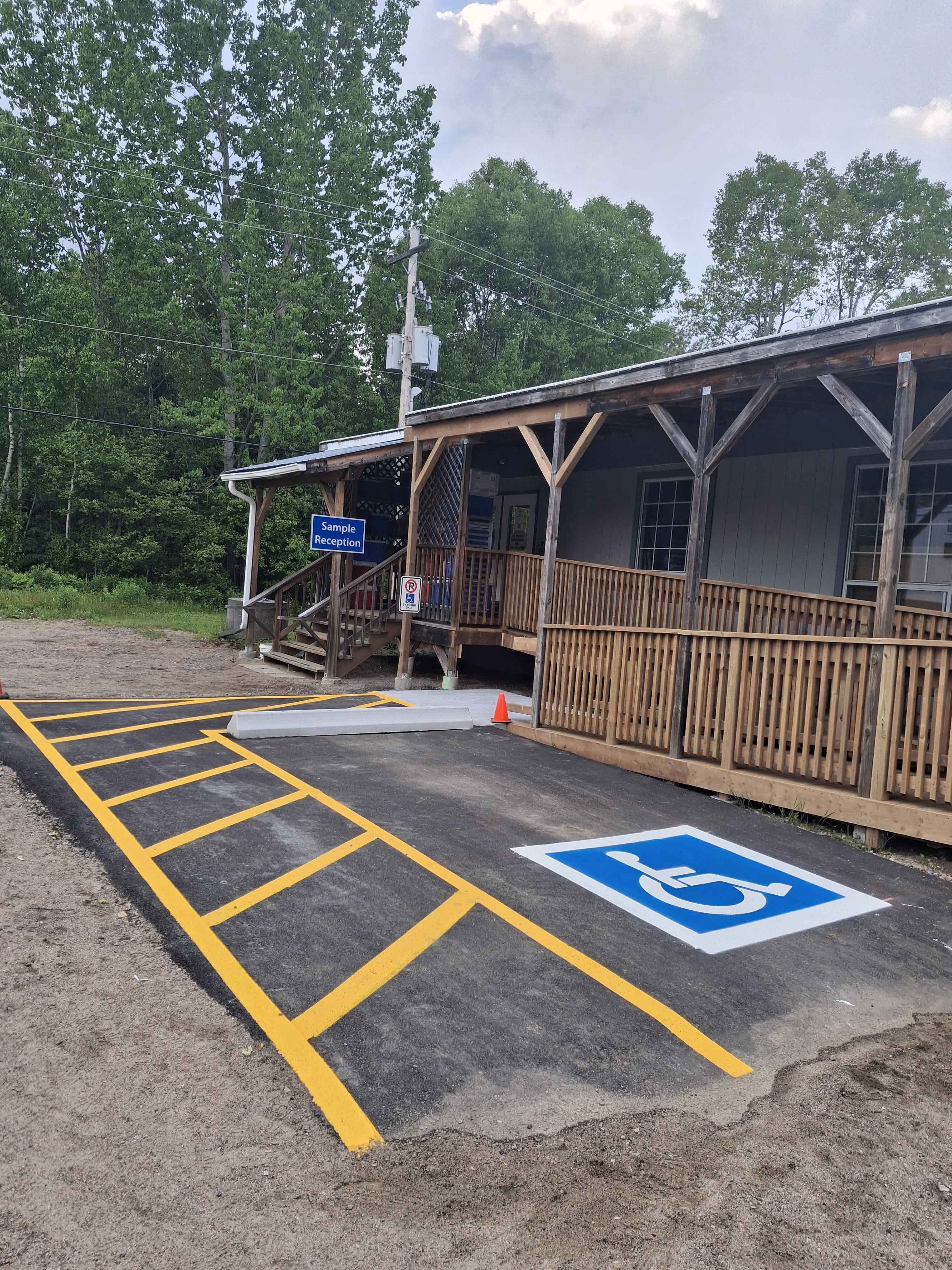
For facility managers overseeing large commercial properties, industrial complexes, or municipal parking lots, the maintenance of surface markings is a critical component of risk management. Whether it is guiding pedestrian traffic, defining parking stalls, or marking hazardous zones, the visibility and longevity of these markings can make or break a facility's safety compliance. While many options exist for surface application, thermoplastic marking has emerged as the gold standard for high-performance environments.
At Capital Parking Lot Line Painting, we understand that facility managers are not just looking for a quick fix; they are looking for long-term assets that withstand the rigors of heavy traffic and harsh Canadian weather. This is particularly true in growing urban hubs like Ajax, where increased vehicle density puts immense pressure on existing infrastructure.
Understanding Thermoplastic Technology
Unlike traditional liquid-based line marking, thermoplastic is a solid material that is heated to a molten state and then applied to the surface. Once it cools, it bonds intensely with the pavement, creating a thick, durable layer that is significantly more resilient than standard paint.
This material is often infused with glass beads, which provide retroreflectivity. This means that when headlights hit the lines at night, the markings glow, providing much-needed guidance for drivers and pedestrians in low-light conditions.
Key Benefits for High-Traffic Facilities
When deciding on the best method for your facility, consider the following advantages that thermoplastic offers over traditional line painting methods:
- Extreme Durability: Due to its thickness and bonding properties, it resists wear from heavy vehicle tires and snowplows.
- Superior Visibility: The integration of glass beads ensures high reflectivity, essential for safety during night operations.
- Rapid Cure Time: Once applied and cooled, the markings are ready for immediate traffic, minimizing downtime for your facility.
- Weather Resistance: It stands up exceptionally well to the freeze-thaw cycles common in Ontario.
- Color Retention: Thermoplastic maintains its vibrancy much longer than standard paint, reducing the frequency of re-application.
Strategic Implementation: When to Choose Thermoplastic
Not every marking project requires the heavy-duty nature of thermoplastic. However, facility managers should prioritize this method in specific high-impact areas. If you are managing a facility in a top-tier Ontario city like Ajax, you likely deal with significant seasonal shifts and heavy commercial vehicle use. In these scenarios, standard line painting may fade within a single season, leading to increased maintenance costs and safety liabilities.
Capital Parking Lot Line Painting recommends thermoplastic for:
- Main arterial lanes in large parking lots.
- Pedestrian crosswalks and high-visibility safety zones.
- Loading docks and industrial warehouse floors.
- Municipal roadway markings.
Invest in Longevity
Choosing the right marking material is an investment in your facility's lifecycle. By selecting thermoplastic, you are reducing the long-term labor required for maintenance and ensuring a safer environment for everyone on your property.
Avoiding Common Pitfalls in Line Marking
Even with high-quality materials, the application process is vital. Facility managers should be aware of common mistakes that can compromise the results of their line marking projects:
- Improper Surface Preparation: If the pavement isn't clean and dry, even the best thermoplastic won't bond correctly.
- Inconsistent Material Temperature: Thermoplastic must be heated to precise temperatures to ensure the correct viscosity for application.
- Ignoring Environmental Conditions: Applying markings in high humidity or during rain can lead to premature failure.
Partnering with professionals like Capital Parking Lot Line Painting ensures that these technical variables are managed with precision, providing you with peace of mind and a product that lasts.