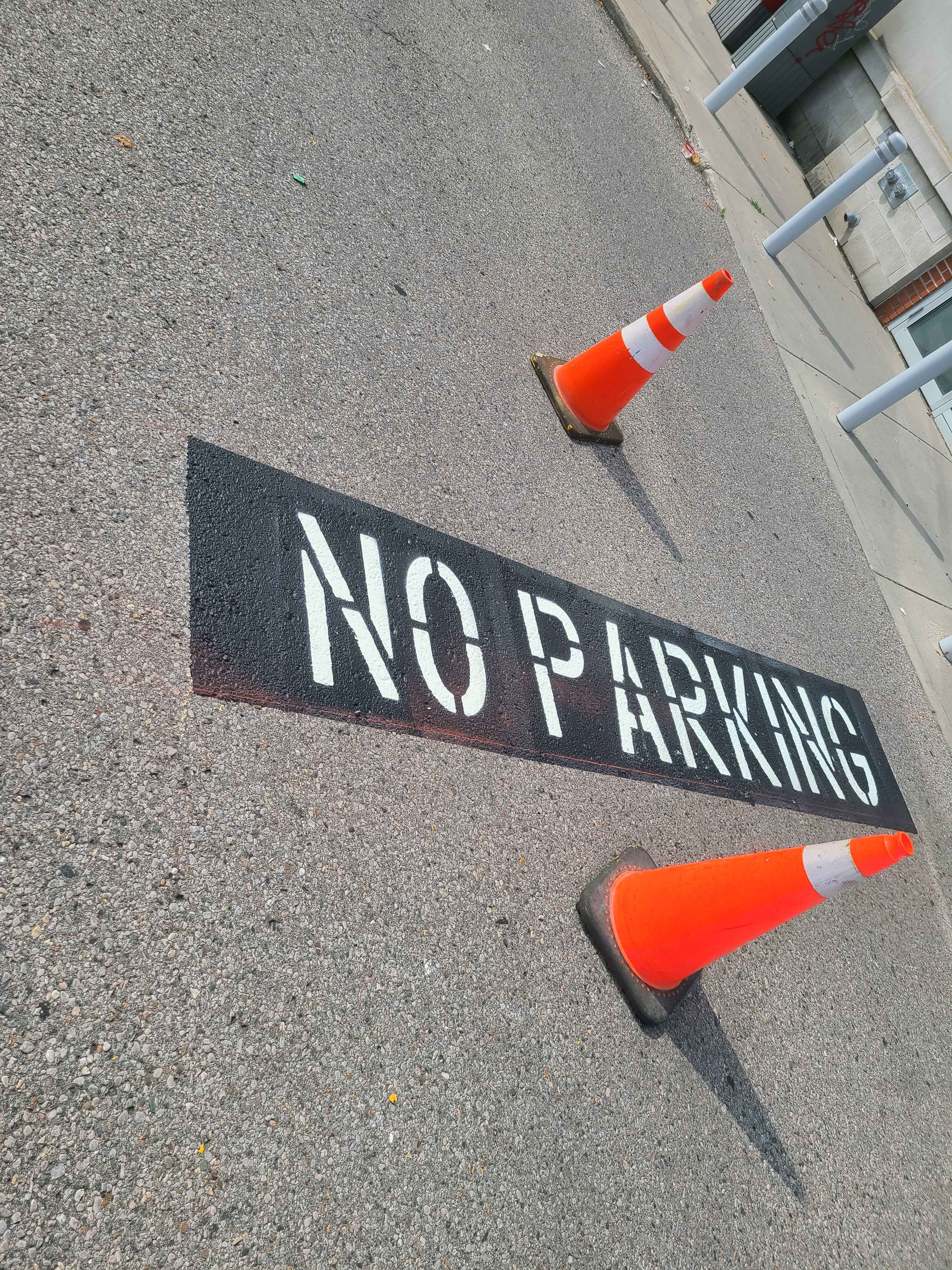
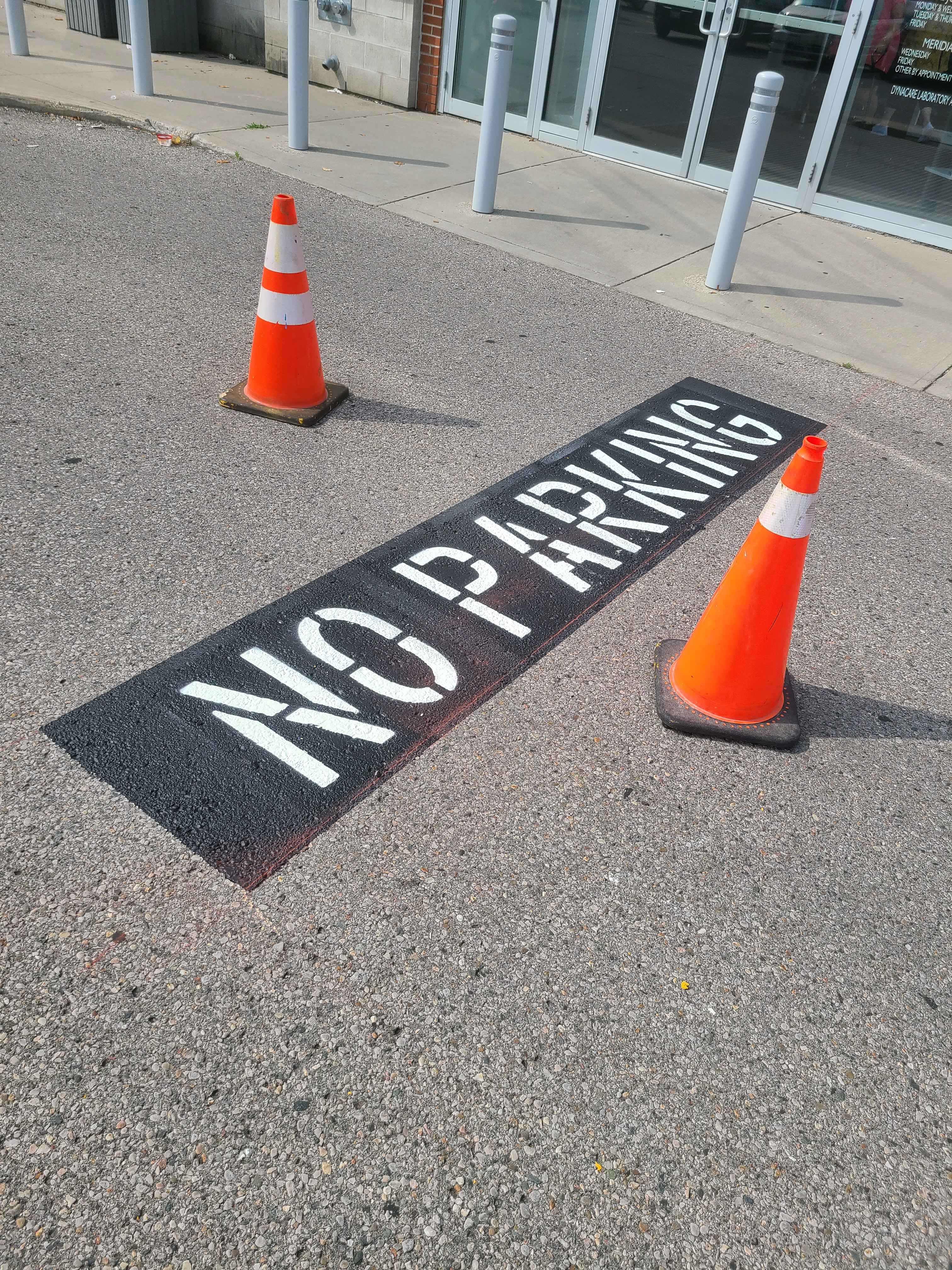
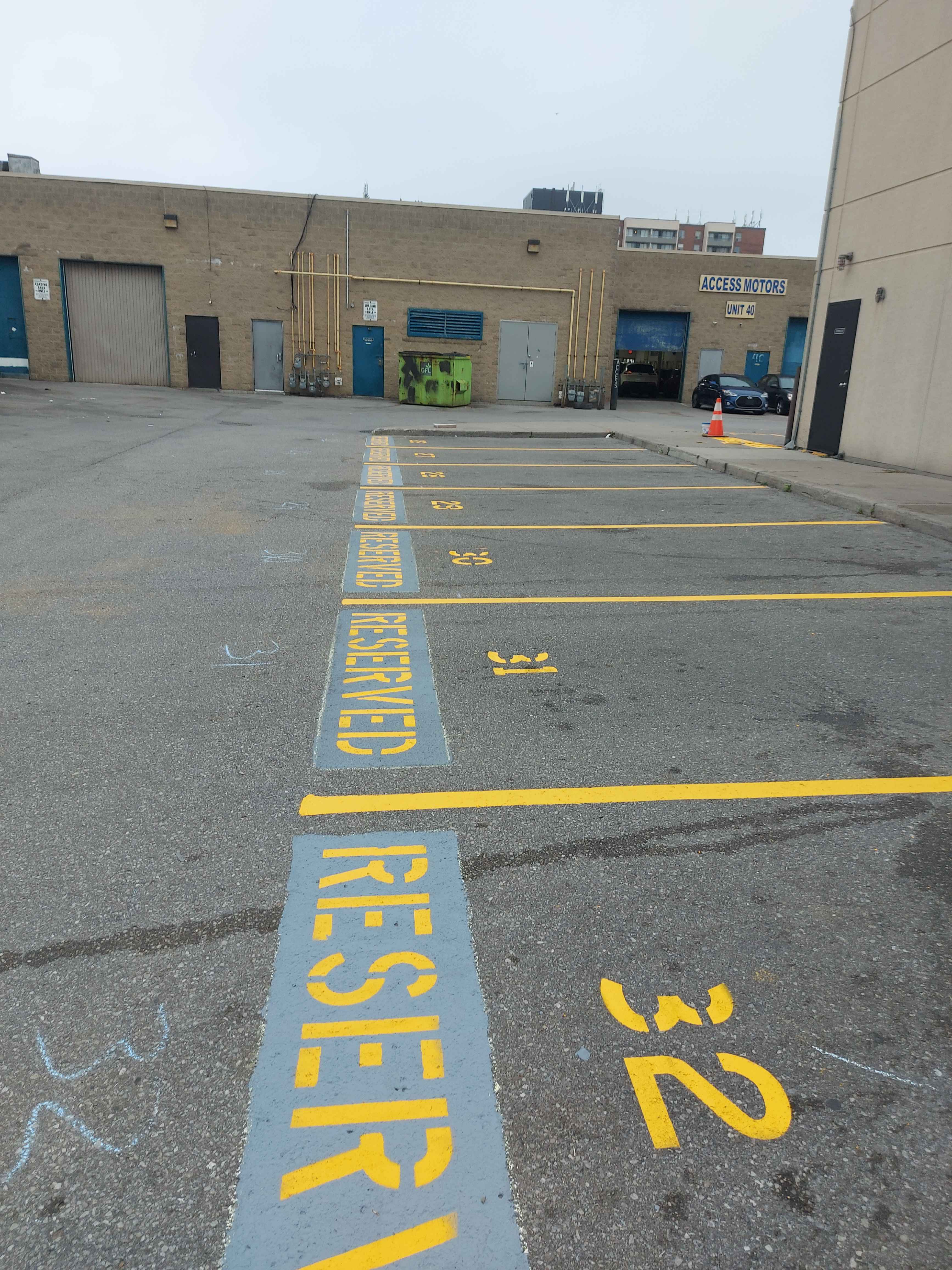
What Facility Managers Should Know About Thermoplastic Marking
Maintaining a safe, organized, and visually professional facility requires more than just regular cleaning; it requires high-performance infrastructure markings that stand the test of time.
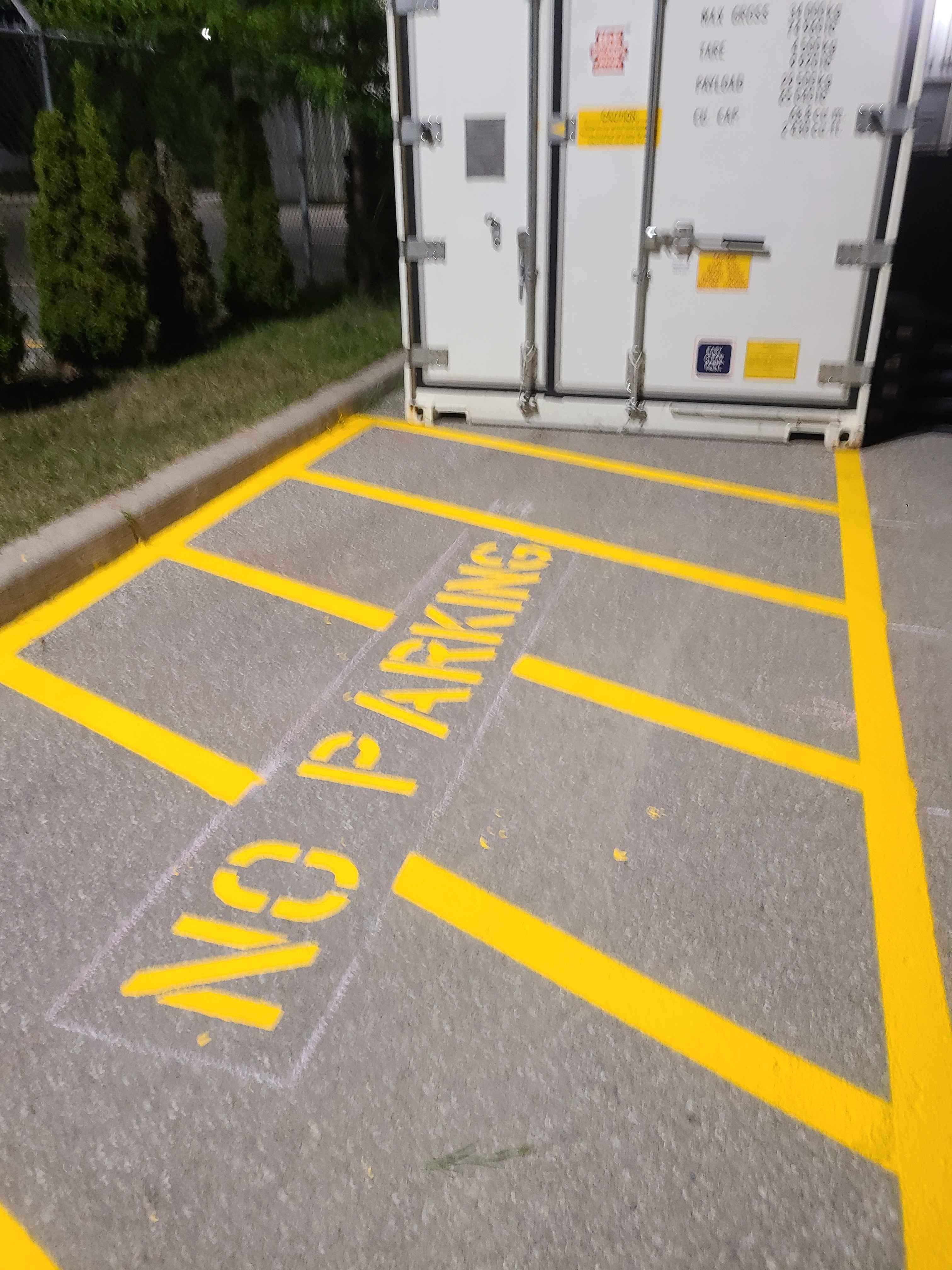
The Challenge of High-Traffic Environments
For facility managers overseeing large industrial complexes, retail hubs, or busy municipal lots in a top 30 Ontario city like Brampton, the wear and tear on pavement is relentless. Standard paints often succumb to heavy vehicle traffic, weather fluctuations, and chemical spills, leading to faded markings that compromise safety and compliance.
This is where thermoplastic marking becomes a game-changer. Unlike traditional liquid coatings, thermoplastic is a heat-applied material that fuses with the pavement surface, creating a much more resilient layer of protection and visibility.
What is Thermoplastic Marking?
Thermoplastic is a specialized material composed of thermoplastic resin, pigments, and glass beads. During the application process, the material is heated to a molten state and spread across the surface. As it cools, it hardens into a durable, thick layer that is significantly more robust than standard line painting.
At Capital Parking Lot Line Painting, we understand that facility managers need solutions that reduce the frequency of maintenance cycles. Thermoplastic provides exactly that, offering a long-term investment rather than a temporary fix.
Key Benefits for Facility Operations
Choosing the right marking method can significantly impact your operational budget and safety ratings. Here are the primary advantages of opting for thermoplastic over traditional methods:
- Extreme Durability: Resistant to heavy vehicle weight and constant friction.
- Enhanced Visibility: The integration of glass beads provides superior retro-reflectivity, crucial for nighttime safety.
- Weather Resistance: Performs exceptionally well under the harsh seasonal changes experienced in Brampton.
- Rapid Curing: Once applied and cooled, the markings are ready for traffic almost immediately, minimizing downtime.
- Color Retention: Highly resistant to UV fading, ensuring your markings stay bright for years.
Strategic Applications
Where should you prioritize thermoplastic? While it can be used for various needs, facility managers often find it most effective in these high-stress areas:
1. Pedestrian Safety Zones
Crosswalks and walkways require high-contrast, highly visible markings to prevent accidents in busy loading docks or retail entrances.
2. Traffic Control Elements
Stop bars, directional arrows, and lane dividers in high-turnover parking lots benefit from the longevity of thermoplastic.
Common Mistakes to Avoid
Even with superior materials, the application process must be precise. Facility managers should be aware of these common pitfalls:
Improper Surface Preparation: If the substrate isn't cleaned and dried properly, even the best thermoplastic will fail to bond correctly. Always ensure your contractor performs a thorough cleaning before application.
Incorrect Temperature Management: Thermoplastic requires specific heat levels to melt and fuse. Using an inexperienced team for line marking can result in brittle or uneven applications.
To avoid these issues, partnering with experts like Capital Parking Lot Line Painting ensures that every application meets strict industry standards for adhesion and thickness.
Ready to Upgrade Your Facility?
Don't wait for your current markings to fade into obscurity. Proactive maintenance with high-quality thermoplastic can prevent accidents and maintain the professional appearance of your property. Capital Parking Lot Line Painting is here to help you navigate the best options for your specific site requirements.