What Facility Managers Should Know About Thermoplastic Marking
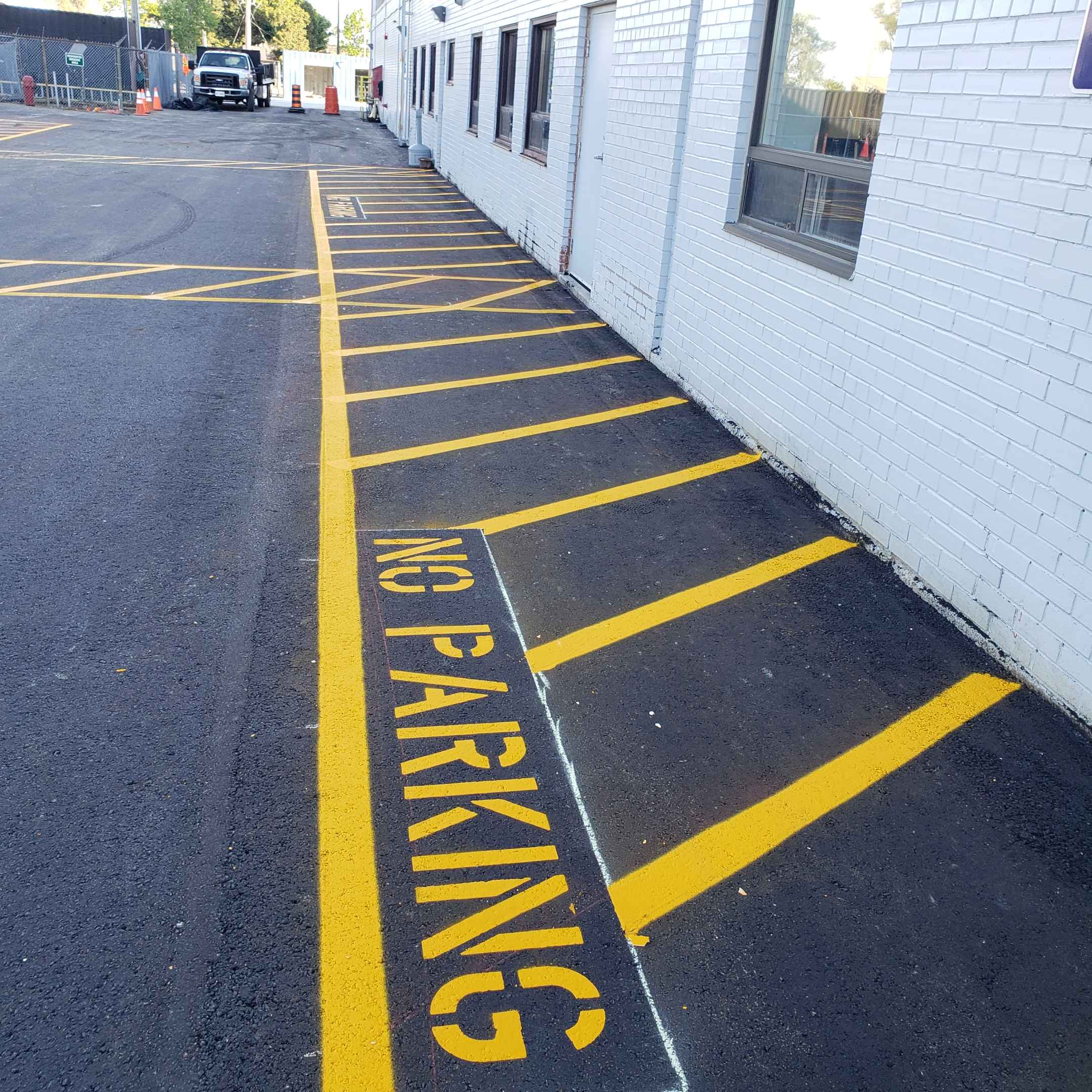
Ensuring safety, compliance, and long-term durability in high-traffic environments requires more than just a quick coat of paint. For facility managers, choosing the right material for line marking can mean the difference between a solution that lasts years and one that fades in months.
The Challenge of High-Traffic Maintenance
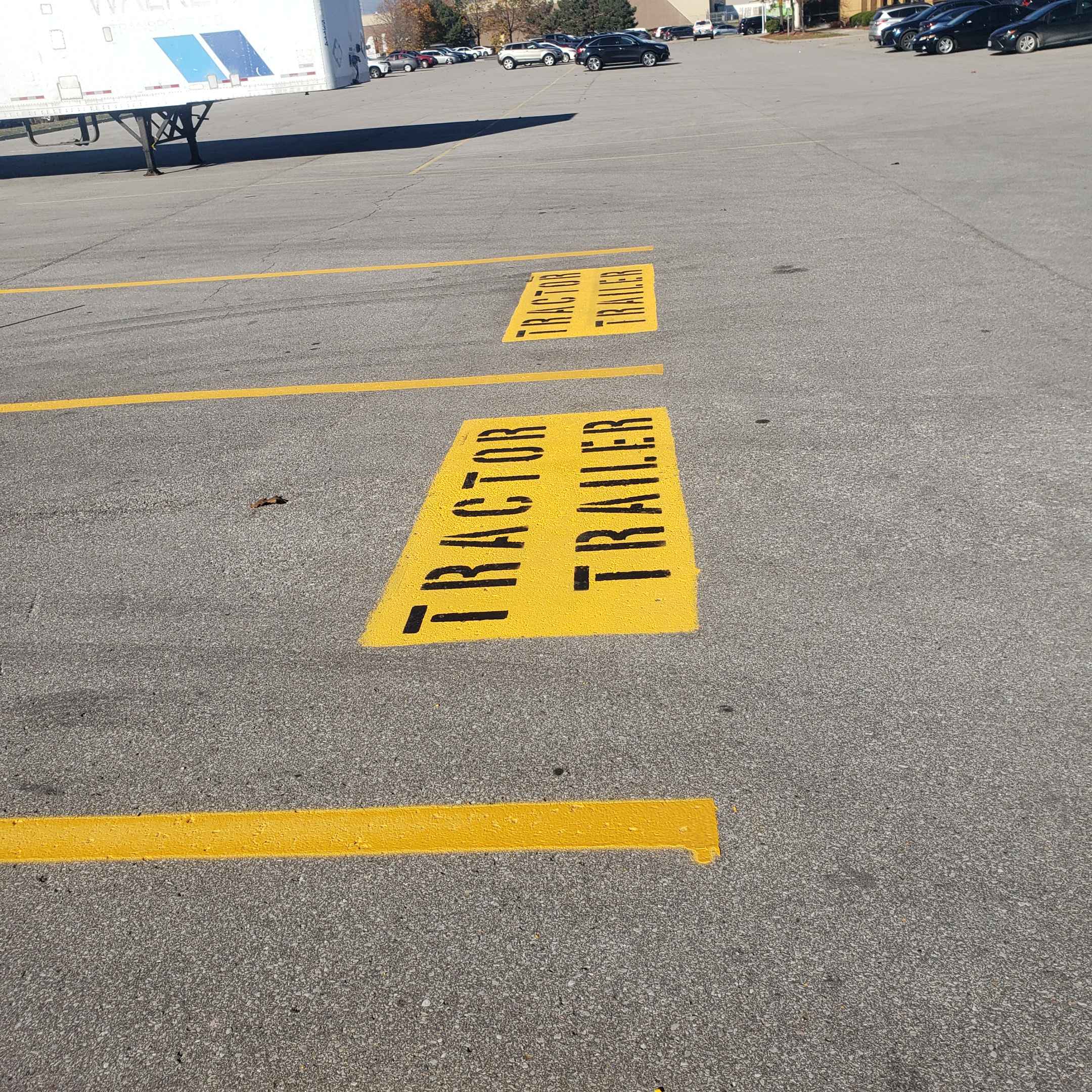
Facility managers overseeing large commercial properties, industrial complexes, or municipal spaces face a constant battle against wear and tear. In a bustling urban environment like Greater Sudbury, one of the top 30 cities in Ontario, pavement markings are subjected to extreme weather fluctuations, heavy vehicle weight, and constant friction.
Traditional line painting methods often struggle to keep up with these demands. When lines fade, visibility decreases, which directly impacts safety and increases the liability of the facility. This is where thermoplastic marking becomes a game-changer for professional property management.
What is Thermoplastic Marking?
Unlike standard liquid paints, thermoplastic is a hot-applied material. It consists of a mixture of resins, pigments, and additives that are heated to a molten state before being applied to the pavement. Once applied, it cools rapidly and bonds aggressively to the surface, creating a thick, durable layer that sits on top of the asphalt or concrete.
At Capital Parking Lot Line Painting, we recognize that facility managers need solutions that prioritize longevity. Thermoplastic is specifically engineered for high-visibility and high-durability applications, making it the gold standard for heavy-duty line marking.
Key Benefits of Thermoplastic for Facility Managers
When evaluating your maintenance budget and long-term strategy, consider the following advantages of switching to thermoplastic marking:
- Superior Durability: Because it is much thicker than standard line painting, it resists abrasion from tires and snowplows far better than liquid alternatives.
- Enhanced Reflectivity: Thermoplastic can be easily infused with glass beads, providing excellent retroreflectivity for nighttime safety.
- Rapid Curing: Once the material cools, it is immediately ready for traffic, minimizing downtime for your facility.
- Vibrant Color Retention: The chemical composition helps maintain bright, crisp colors even under heavy UV exposure.
- Safety Compliance: The thickness and texture provide better slip resistance and clearer visual cues for pedestrians and drivers.
Invest in Longevity
While some may look for the quickest fix, facility managers in Greater Sudbury know that the harsh Ontario winters demand a tougher approach. Choosing thermoplastic through Capital Parking Lot Line Painting ensures your markings withstand the freeze-thaw cycles common in our region.
Thermoplastic vs. Traditional Line Painting
It is important to understand when to use each method. Standard line painting is excellent for low-traffic areas, temporary markings, or quick aesthetic refreshes. However, for high-stress zones such as intersection crossings, loading docks, and main thoroughfares, thermoplastic is the superior choice.
For instance, in a large industrial park, the constant turning of heavy trucks will quickly erode standard paint. By utilizing the specialized services of Capital Parking Lot Line Painting, you can strategically apply thermoplastic in these high-wear zones to maximize your return on investment and reduce the frequency of re-application.
Implementation and Best Practices
Successful thermoplastic application requires precision and professional equipment. Because the material must be applied at specific high temperatures, DIY or low-grade applications often result in poor adhesion or uneven surfaces. Facility managers should ensure their contractors follow these critical steps:
- Surface Preparation: Ensuring the pavement is clean, dry, and free of oils.
- Temperature Control: Maintaining the thermoplastic at the correct molten temperature for optimal bonding.
- Precision Application: Using specialized applicators to ensure consistent thickness and crisp edges.
- Glass Bead Integration: Applying reflective beads immediately after the material is laid to ensure maximum visibility.
Conclusion
For facility managers, the goal is always to balance safety, aesthetics, and operational efficiency. Thermoplastic marking offers a high-performance solution that addresses the most difficult aspects of pavement maintenance. By investing in high-quality line marking today, you are preventing the safety hazards and high replacement costs of tomorrow.