What Facility Managers Should Know About Thermoplastic Marking
Ensuring safety, compliance, and long-term durability in high-traffic zones requires more than just a quick coat of paint.
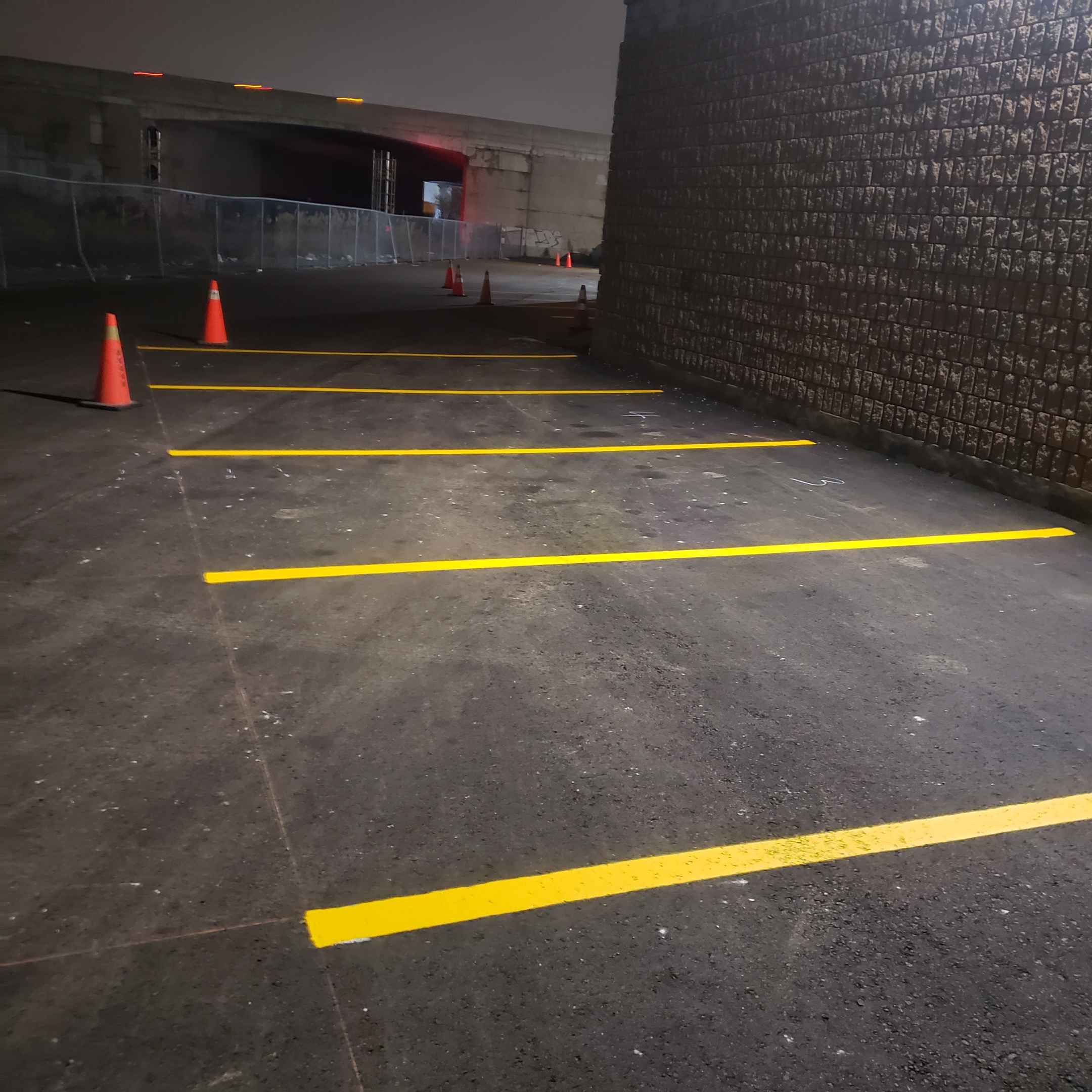
For facility managers overseeing large commercial properties, warehouses, or municipal parking structures, the upkeep of surface markings is a critical component of risk management. Whether you are managing a complex in Hamilton or a sprawling industrial park, the lines that guide traffic, designate pedestrian walkways, and mark loading zones are your first line of defense against accidents.
While traditional methods exist, professional-grade thermoplastic marking has emerged as the gold standard for high-durability requirements. At Capital Parking Lot Line Painting, we understand that facility managers need solutions that don't just look good on day one, but remain visible and intact through years of heavy vehicular and pedestrian traffic.
Understanding Thermoplastic Marking
Unlike standard liquid-based line marking, thermoplastic is a heat-fused material. It consists of a blend of thermoplastic resin, pigments, and glass beads. When applied, the material is heated to a molten state and spread onto the surface, where it quickly cools and bonds to the substrate.
This chemical and physical bond creates a much thicker, more robust layer than standard line painting. For managers in a top 30 Ontario city like Hamilton, where seasonal weather shifts can be harsh, this added thickness provides a significant advantage in resisting the elements.
Key Benefits for High-Traffic Facilities
Why should a facility manager opt for thermoplastic over more common line painting alternatives? The decision usually comes down to lifecycle value and safety performance. Here are the primary advantages:
- Exceptional Durability: The heat-fused application resists abrasion from heavy tires and heavy machinery better than almost any other marking method.
- Superior Reflectivity: The integration of glass beads ensures high visibility during nighttime or low-light conditions, which is crucial for liability reduction.
- Rapid Curing: Once applied and cooled, the markings are ready for traffic almost immediately, minimizing downtime for your facility.
- Color Retention: Thermoplastic resists fading from UV exposure, ensuring that your safety zones remain clearly defined for years.
- Thickness: The material provides a raised profile that is highly visible to drivers, even when the surface is slightly dirty.
When to Choose Thermoplastic vs. Standard Line Painting
Not every project requires thermoplastic, and part of a facility manager's role is determining the most efficient application of resources. Capital Parking Lot Line Painting recommends evaluating your specific environment based on three main factors:
1. Traffic Volume
If your facility experiences constant heavy vehicle movement—such as a logistics hub or a busy retail center—thermoplastic is the logical choice. Standard line painting may require frequent touch-ups, whereas thermoplastic stays intact much longer.
2. Environmental Exposure
In regions prone to heavy snow removal, the scraping action of snowplows can quickly strip away standard paint. Thermoplastic’s ability to bond deeply into the asphalt surface makes it far more resilient to mechanical scraping.
3. Compliance and Safety Standards
For pedestrian crossings and high-risk intersections within a facility, the enhanced reflectivity of thermoplastic is often a requirement to meet safety protocols and reduce the risk of litigation.
Common Mistakes in Surface Marking Management
Even with the best materials, improper planning can lead to premature failure. Avoid these common pitfalls:
- Ignoring Surface Preparation: No matter how good the thermoplastic is, it won't bond to a dirty or oily surface. Proper cleaning is non-negotiable.
- Inconsistent Line Marking: Using different methods (mixing paint and thermoplastic) can lead to uneven wear patterns and a disorganized appearance.
- Delaying Maintenance: Waiting until lines are completely invisible before re-marking can lead to safety incidents and higher emergency repair costs.
Partnering with Professionals
Managing a facility is a complex job with many moving parts. Outsourcing your line marking needs to specialists like Capital Parking Lot Line Painting allows you to focus on core operations while knowing your safety markings are handled with precision and professional-grade materials.
Whether you are looking to refresh an existing lot or implement a new safety layout, understanding the nuances of thermoplastic marking ensures your facility remains safe, compliant, and professional.
Ready to upgrade your facility?
Contact the experts at Capital Parking Lot Line Painting to discuss your specific marking requirements and ensure your property is equipped with the highest quality markings available.