What Facility Managers Should Know About Thermoplastic Marking
Maintaining a safe, organized, and professional-looking facility requires more than just routine cleaning; it requires high-performance infrastructure that can withstand heavy usage and harsh environmental conditions.
The Importance of High-Visibility Infrastructure
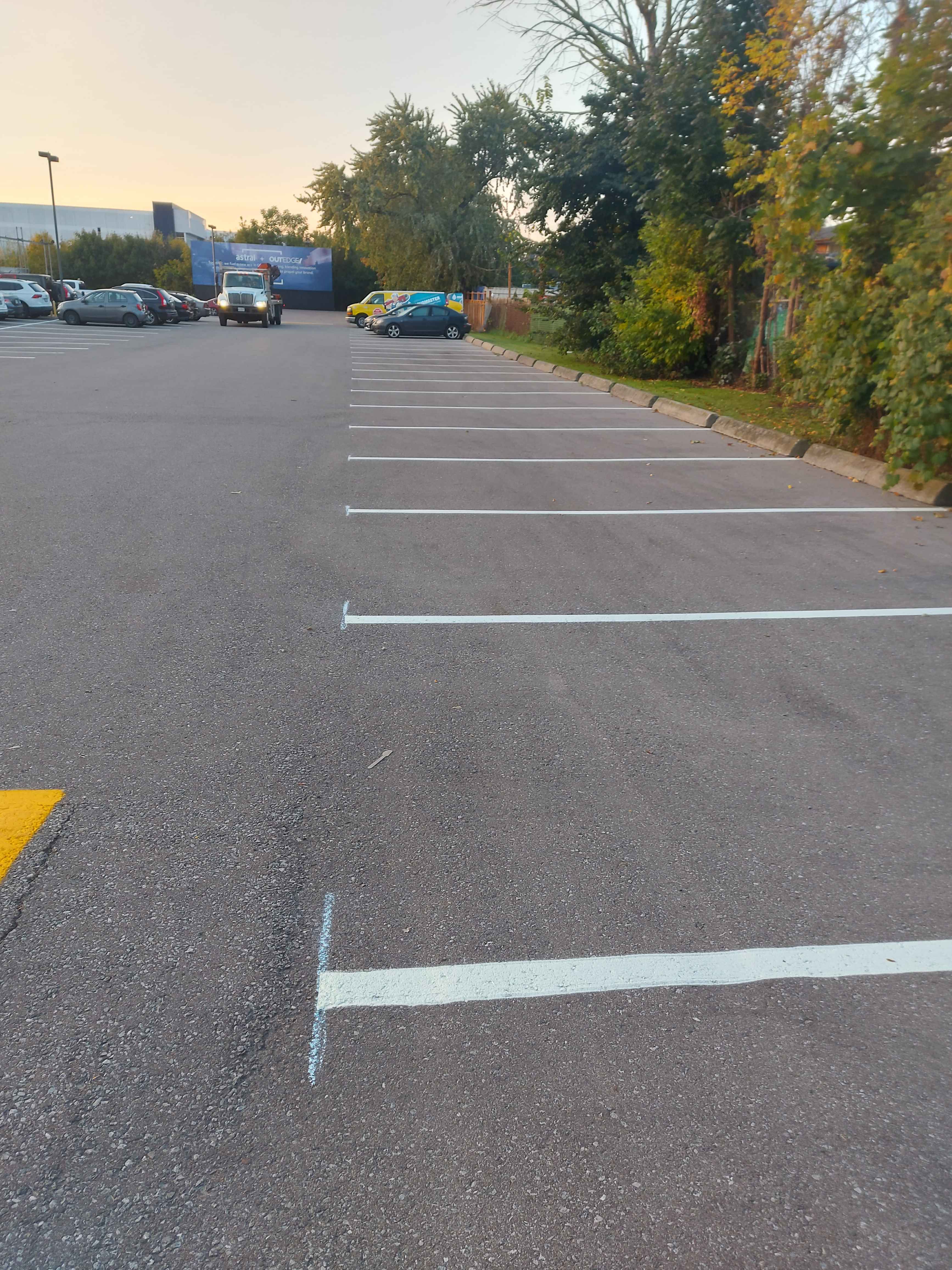
For facility managers overseeing large commercial properties, warehouses, or expansive parking lots, visibility is the cornerstone of safety. Clear markings guide pedestrians, define vehicle paths, and highlight hazardous zones. However, not all marking methods are created equal. While standard liquid paints may suffice for low-traffic residential driveways, commercial environments demand something much more robust.
This is where thermoplastic marking becomes an essential tool in your maintenance toolkit. Unlike traditional methods, thermoplastic is a heat-applied material that bonds deeply with the surface, providing a level of permanence and brightness that is difficult to match. When working in a bustling area like Newmarket, where commercial traffic is constant, choosing the right material can save significant time and labor in the long run.
What is Thermoplastic Marking?
Thermoplastic is a specialized material composed of plastic resins, pigments, and glass beads. During the application process, the material is heated to a molten state and applied to the pavement. As it cools, it hardens into a thick, durable layer that becomes an integral part of the surface.
At Capital Parking Lot Line Painting, we recognize that facility managers are looking for solutions that minimize downtime. Because thermoplastic sets almost instantly upon cooling, it allows for faster return-to-service times compared to many traditional liquid-based options, making it ideal for high-traffic zones.
Key Benefits of Thermoplastic for Commercial Facilities
Transitioning from standard line painting to thermoplastic offers several strategic advantages for property owners and managers:
- Extreme Durability: The thermal bond created during application makes it highly resistant to heavy vehicle wear and tear.
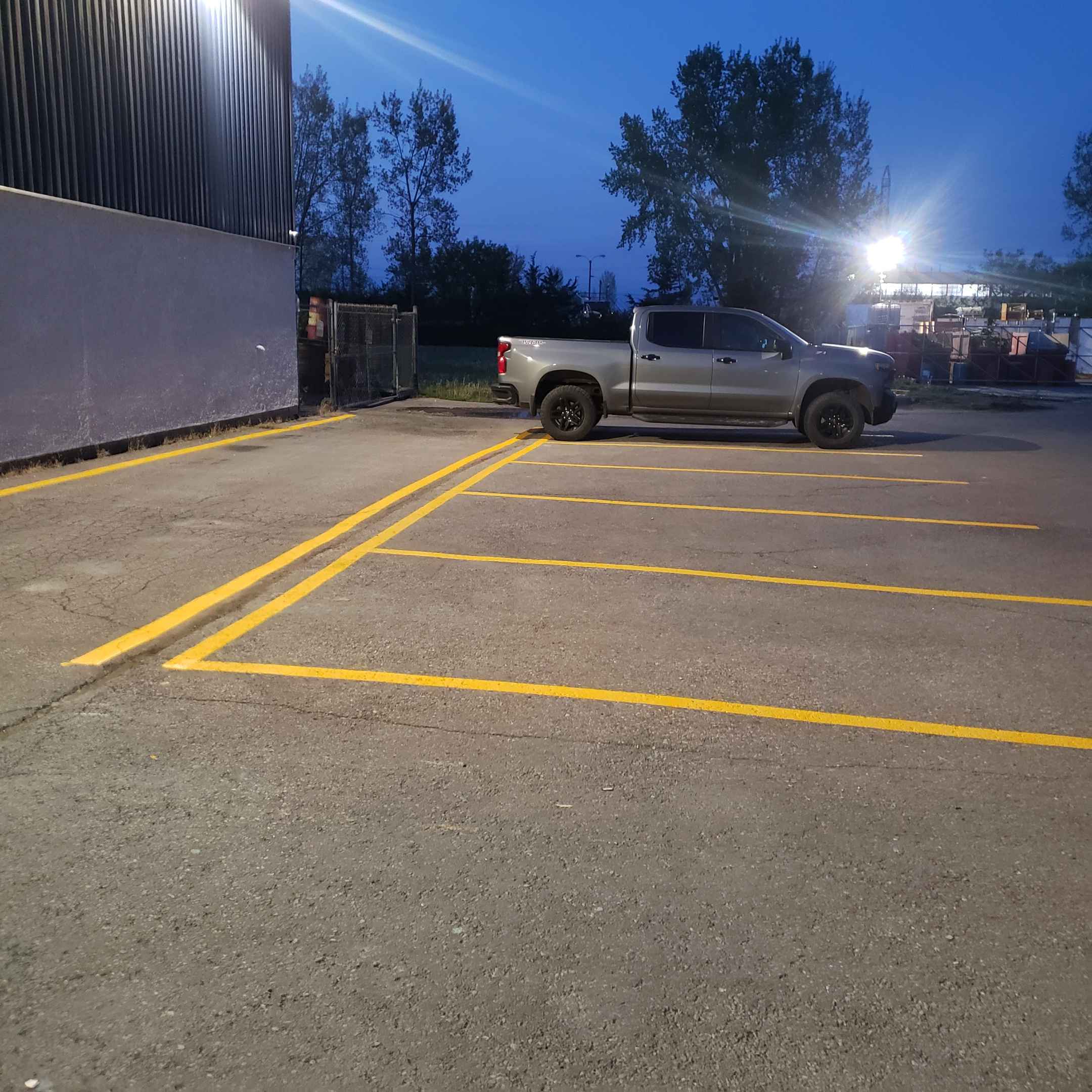
- Superior Reflectivity: The inclusion of glass beads provides excellent nighttime visibility, which is crucial for safety in large parking lots.
- Weather Resistance: Thermoplastic stands up exceptionally well to the freeze-thaw cycles common in Ontario.
- Vibrant Color Retention: The pigments used in thermoplastic are designed to resist UV fading, keeping your markings bright for years.
- Raised Profile: The thickness of the material provides a tactile element that can aid in safety compliance.
Comparing Thermoplastic to Traditional Line Painting
When evaluating your maintenance budget and long-term goals, it is helpful to compare the two primary methods. Traditional line painting is often a thin layer of pigment suspended in a liquid binder. While it is effective for quick touch-ups, it tends to wear thin quickly under heavy traffic or heavy snow removal equipment.
In contrast, thermoplastic is a heavy-duty solution. For a facility located in a top 30 city like Newmarket, where municipal standards and safety regulations are high, the longevity of thermoplastic provides a much better return on investment by reducing the frequency of re-application. Capital Parking Lot Line Painting specializes in identifying which areas of your property require the heavy-duty protection of thermoplastic versus where standard line marking might suffice.
Invest in Long-Term Safety
Don't wait for your markings to fade into illegibility. Proactive maintenance ensures your facility remains compliant with safety standards and looks professional to your clients and employees. Contact Capital Parking Lot Line Painting to discuss a comprehensive marking strategy for your property.
Common Mistakes to Avoid
Even with high-quality materials, the success of your marking project depends on execution. Facility managers should watch out for these common pitfalls:
- Poor Surface Preparation: Applying thermoplastic over dirt, oil, or loose debris will prevent a proper bond.
- Incorrect Temperature Control: If the material isn't heated to the precise temperature, it won't bond correctly.
- Ignoring Weather Windows: Applying materials during rain or extreme moisture can compromise the integrity of the application.