What Facility Managers Should Know About Thermoplastic Marking
Managing a large-scale facility requires constant attention to safety, durability, and visual clarity. For facility managers in high-traffic urban centers like Toronto, maintaining clear boundaries and pedestrian paths is not just an aesthetic choice—it is a critical safety requirement.
The Challenge of High-Traffic Environments
In large commercial properties, industrial warehouses, and expansive parking lots, the ground surface undergoes immense stress. Constant vehicle movement, heavy machinery, and varying weather conditions quickly degrade standard coatings. This is where many facility managers realize that traditional line painting may not provide the longevity required for their specific needs.
When standard markings fade, the risks increase. Blurred lane dividers, obscured pedestrian crossings, and unreadable handicap symbols can lead to accidents, liability issues, and operational confusion. To combat this, industry professionals often turn to thermoplastic marking as a high-performance alternative.
What is Thermoplastic Marking?
Thermoplastic is a specialized material composed of thermoplastic resin, pigments, and glass beads. Unlike standard liquid paints that dry through evaporation, thermoplastic is applied as a hot-melt material. It is heated to a molten state and then applied to the surface, where it quickly cools and bonds intensely with the substrate.
Capital Parking Lot Line Painting specializes in utilizing these advanced materials to ensure that every mark serves its purpose for years, rather than months. Because the material hardens into a thick, durable layer, it resists the abrasive forces of tires and heavy equipment far better than conventional options.
Key Benefits for Facility Management
Why should a facility manager prioritize thermoplastic over other methods of line marking? The advantages extend across safety, maintenance, and long-term site management.
- Superior Durability: The high-melt bond creates a physical barrier that is much harder to scrape or wear away.
- Enhanced Reflectivity: Integrated glass beads provide excellent nighttime visibility, which is essential for safety in dark parking structures.
- Rapid Curing: Once applied and cooled, the material is ready for traffic almost immediately, minimizing site downtime.
- Color Retention: The pigments used in thermoplastic are highly resistant to UV degradation, ensuring bright colors even in sunny environments.
- High Visibility: The thickness of the material provides a raised profile that is easily seen by drivers and pedestrians.
Comparing Thermoplastic to Traditional Line Painting
It is important to distinguish between the two. Standard line painting is often a cost-effective solution for low-traffic areas or temporary markings. However, for permanent infrastructure, thermoplastic is the superior investment.
Standard Line Painting
Best for residential driveways, temporary construction zones, or low-wear walkways. It is easy to apply but prone to chipping and fading under heavy load.
Thermoplastic Marking
Best for highways, busy parking lots, and industrial floors. It offers a heavy-duty bond that withstands the harsh weather patterns often found in Toronto.
Implementation: What to Expect
When working with a professional team like Capital Parking Lot Line Painting, the process is systematic. Proper surface preparation is the most critical step; any dust, oil, or moisture must be removed to ensure the thermoplastic bonds correctly to the asphalt or concrete.
The application involves heating the material to a precise temperature. If the material is too cool, it won't bond; if it's too hot, the chemical properties can change. This precision is why hiring an expert service is vital for facility managers who cannot afford errors in their site markings.
Visualizing the Quality
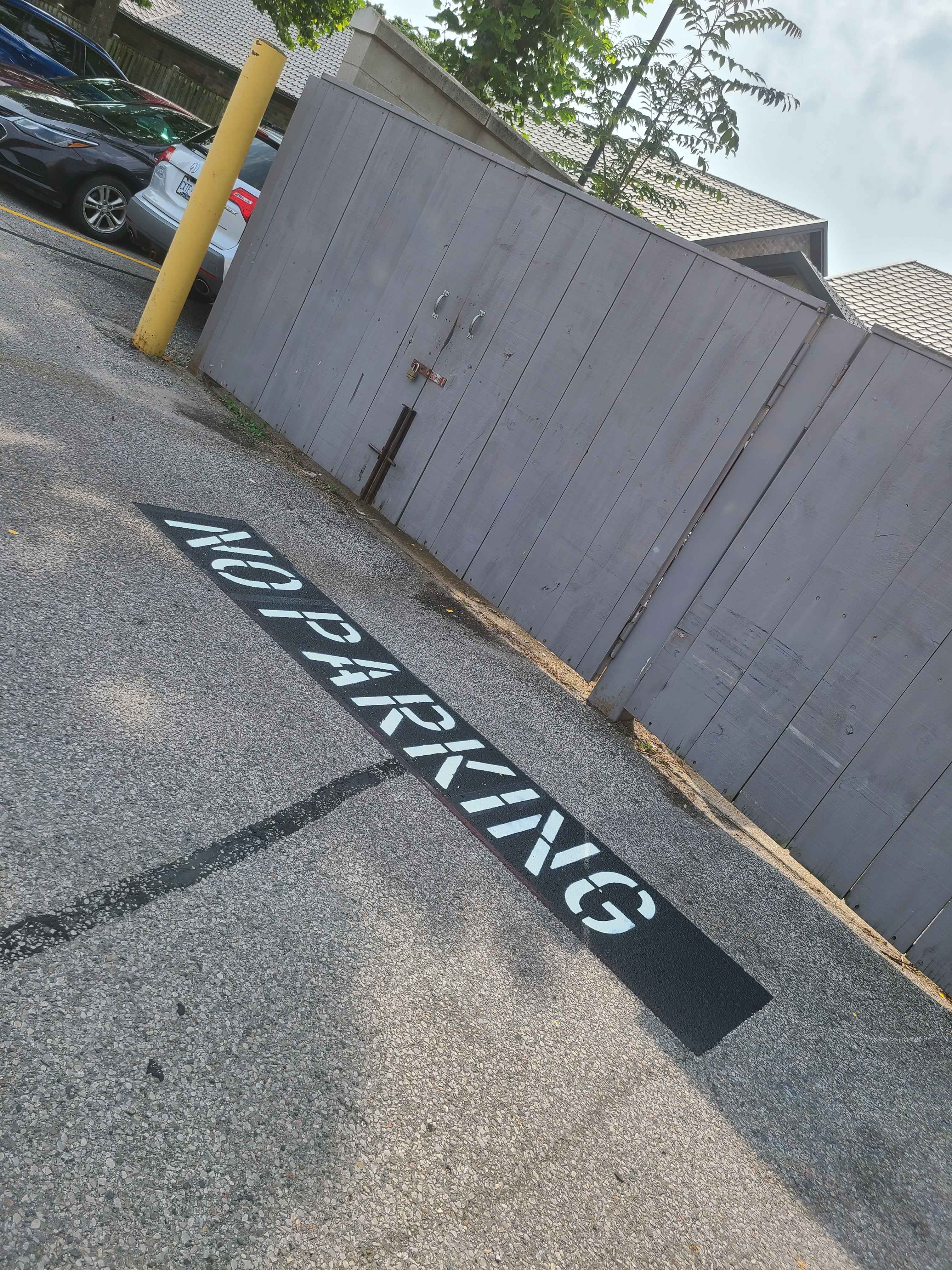
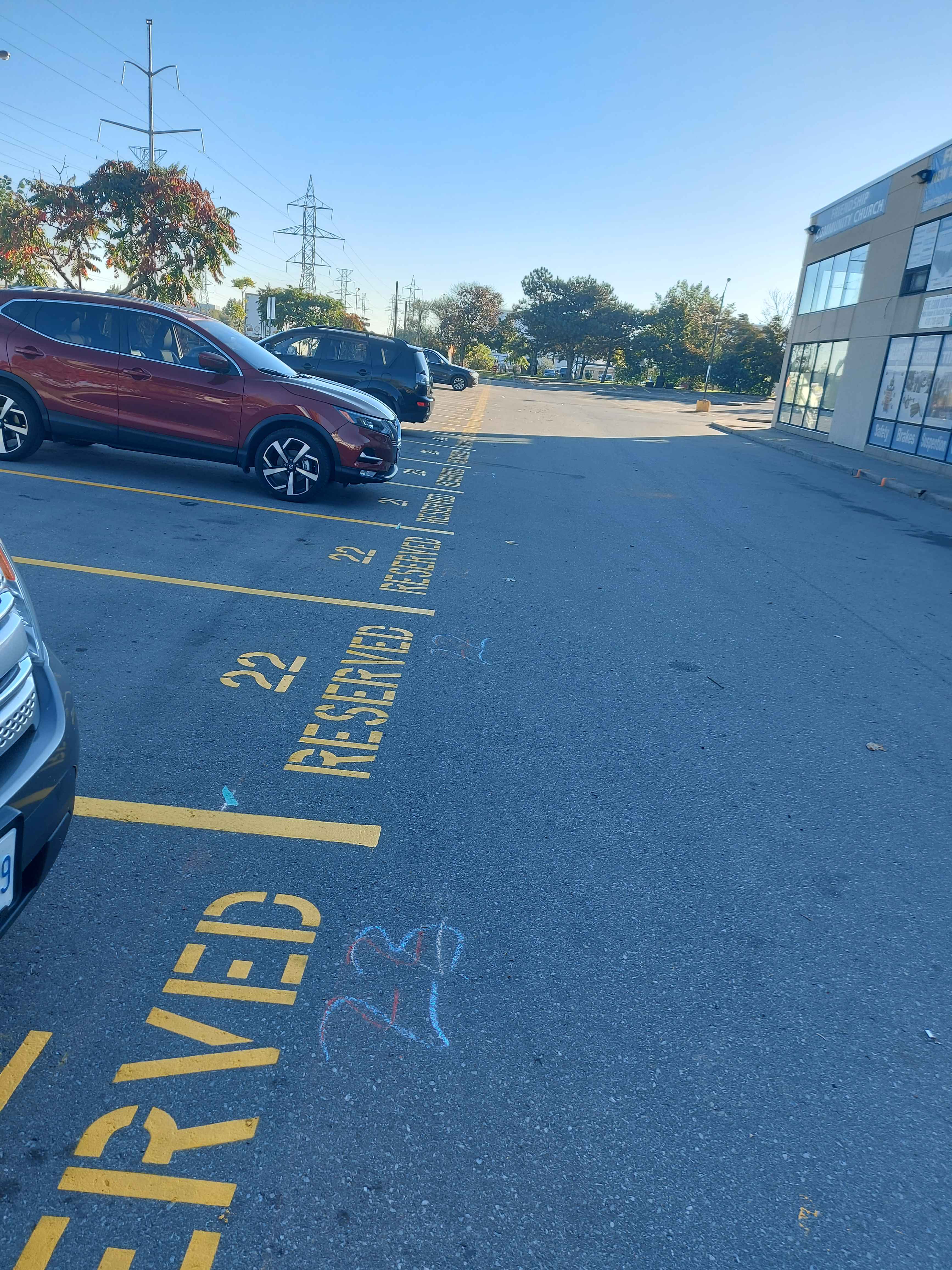
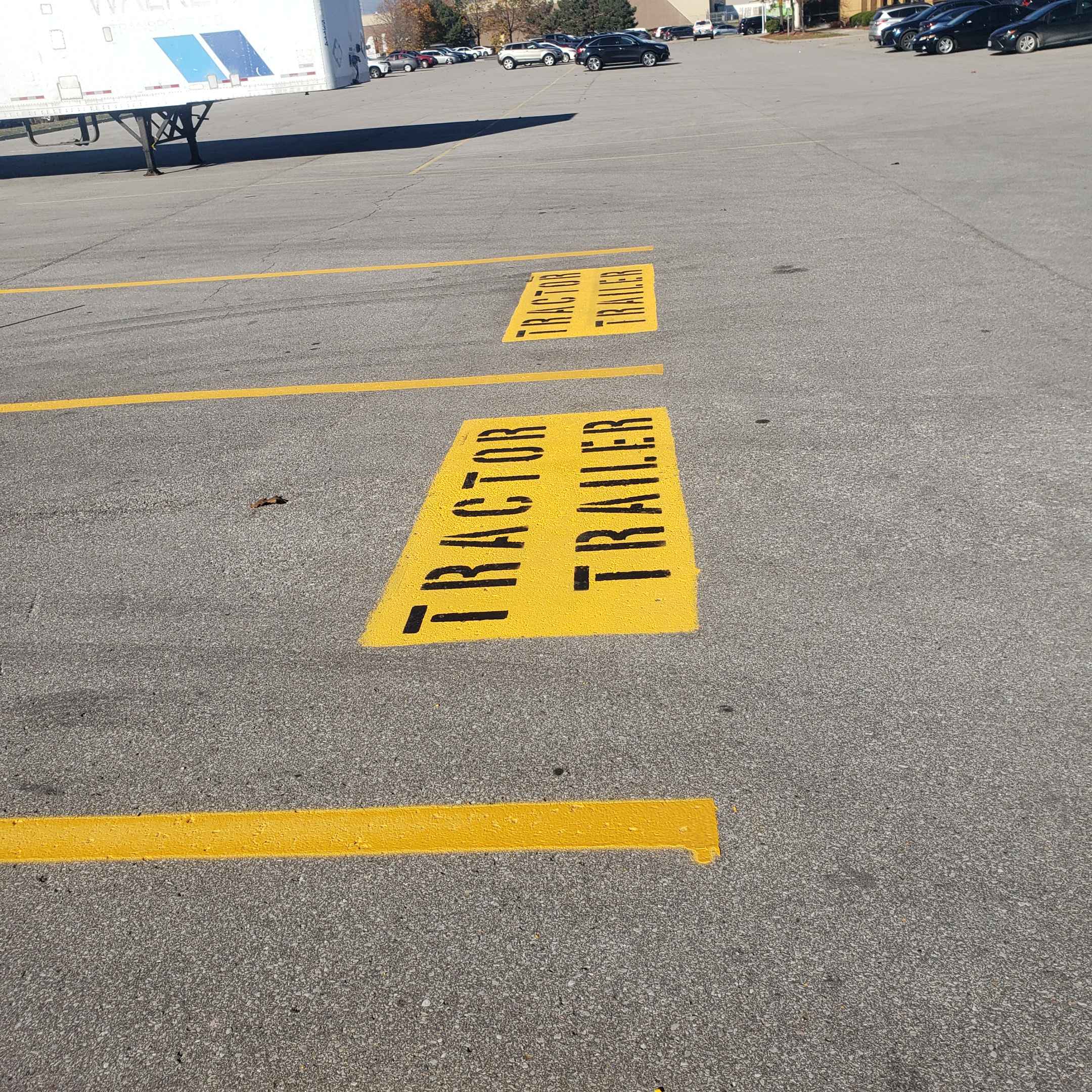
High-quality thermoplastic ensures your facility remains compliant and safe.
Conclusion
For facility managers, the goal is to reduce long-term maintenance headaches while maximizing site safety. While the initial application of thermoplastic may differ from standard methods, the longevity and visibility it provides make it the gold standard for professional line marking.
If you are looking to upgrade your facility's safety protocols, trust the experts at Capital Parking Lot Line Painting to deliver results that stand the test of time and traffic.