Top Misconceptions About Sealcoating in Commercial Lots
Maintaining a professional appearance and structural integrity for your commercial asphalt is more than just aesthetics; it is a critical component of property management.
For property owners and facility managers, the asphalt lot is the first thing customers see. It serves as the gateway to your business. However, when it comes to protecting that surface through sealcoating, a significant amount of misinformation circulates in the industry. These myths can lead to neglected maintenance, unnecessary repairs, or even premature pavement failure.
At Capital Parking Lot Line Painting, we have seen firsthand how these misconceptions can impact the longevity of commercial surfaces. Whether you are managing a retail center or an industrial complex in Cambridge, understanding the reality of asphalt care is essential for your long-term budget and safety.
Misconception #1: Sealcoating is Just for Looks
The most common myth is that sealcoating is purely a cosmetic upgrade—a way to make a gray, weathered lot look "new" and black again. While a fresh coat certainly improves the curb appeal of your facility, its primary function is protective.
Asphalt is a petroleum-based product. Over time, UV rays from the sun, water penetration, and chemical spills (like oil and gasoline) oxidize the binder that holds the aggregate together. Sealcoating acts as a sacrificial barrier, taking the brunt of environmental damage so your actual asphalt doesn't have to. Without it, the pavement becomes brittle and prone to cracking.
Misconception #2: Sealcoating Fixes Major Cracks and Potholes
It is vital to understand that sealcoating is a preventative maintenance tool, not a structural repair solution. A common mistake is expecting a layer of sealant to "fill in" deep cracks or large potholes.
If you apply sealant over significant structural damage, you are essentially painting over a problem that will continue to grow underneath. Effective maintenance requires a tiered approach:
- Step 1: Cleaning - Removing all debris, dirt, and loose aggregate.
- Step 2: Crack Filling - Using specialized hot-applied rubberized filler for deep fissures.
- Step 3: Line Marking - Ensuring safety and traffic flow with fresh Line Marking.
- Step 4: Sealcoating - Applying the protective barrier across the cleaned surface.
Capital Parking Lot Line Painting recommends addressing structural issues before the sealing process to ensure the best possible results.
Misconception #3: You Can Wait "Until It Looks Bad"
In many commercial settings, maintenance is reactive rather than proactive. Many managers wait until the asphalt is gray, crumbling, or showing significant signs of distress before calling a professional. By this stage, the damage is often deep enough that simple sealcoating will no longer suffice, and more expensive resurfacing or repaving becomes necessary.
In a bustling city like Cambridge, where seasonal temperature fluctuations can be extreme, the freeze-thaw cycle accelerates asphalt degradation. Regular maintenance intervals are key to avoiding these high-cost scenarios.
The Importance of Professional Line Marking
Once your surface is protected, the next step in professional lot management is visibility. Many people confuse the sealing process with the Line Marking process. While they often happen in the same maintenance cycle, they serve different purposes.
Fresh, bright lines are essential for:
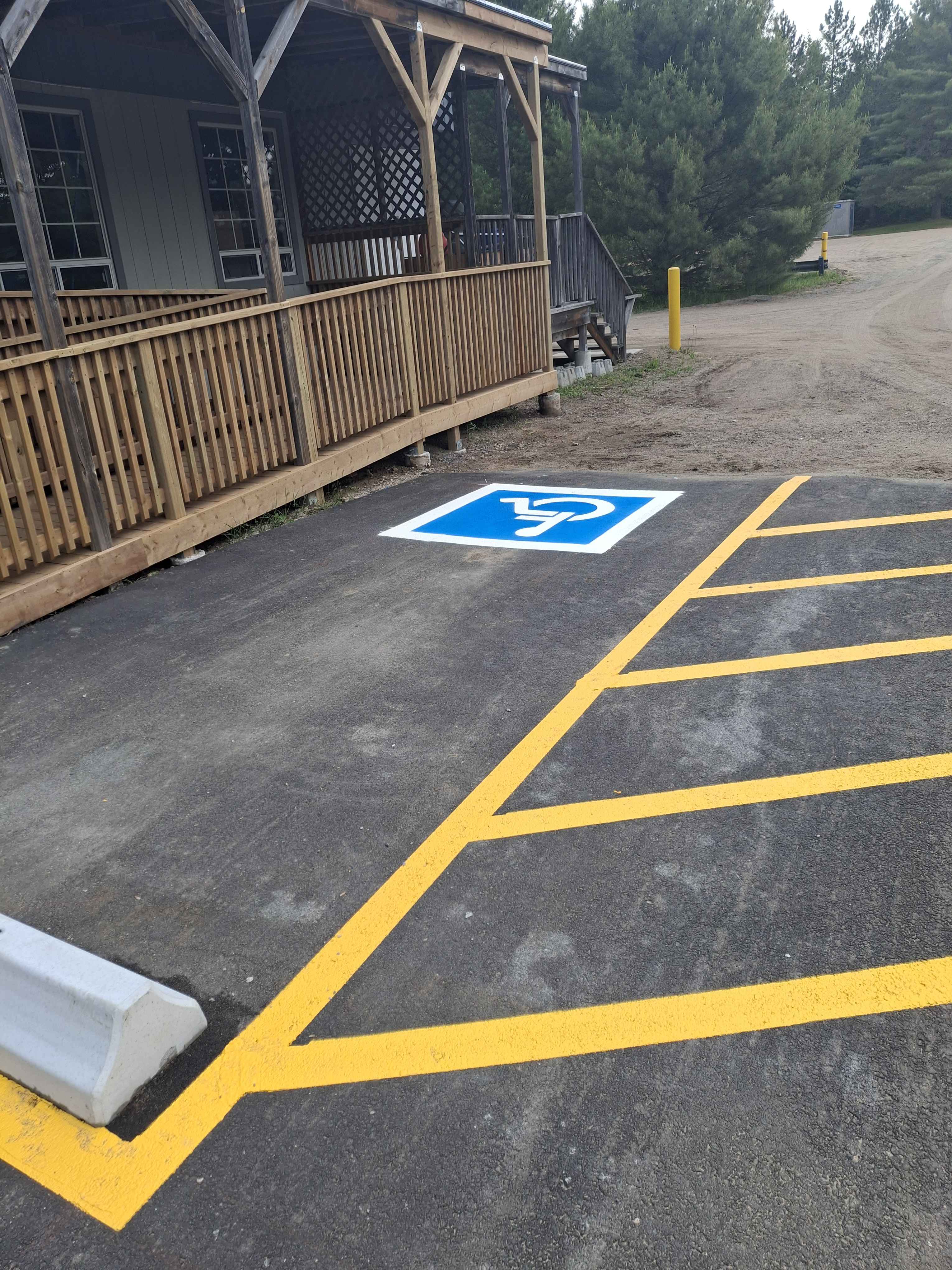
- Ensuring ADA compliance and accessibility.
- Directing traffic flow to prevent accidents.
- Defining loading zones and fire lanes.
- Enhancing the overall professional image of the property.
When Capital Parking Lot Line Painting services are combined with high-quality sealcoating, the result is a lot that is both structurally sound and highly functional.
Ready to Protect Your Investment?
Don't wait for the pavement to fail. Professional maintenance is the smartest way to manage your commercial property's lifecycle. From crack repair to precision Line Marking, our team is here to help.