Top Misconceptions About Sealcoating in Commercial Lots
Protecting your asphalt investment requires more than just periodic maintenance; it requires understanding the science behind the surface.
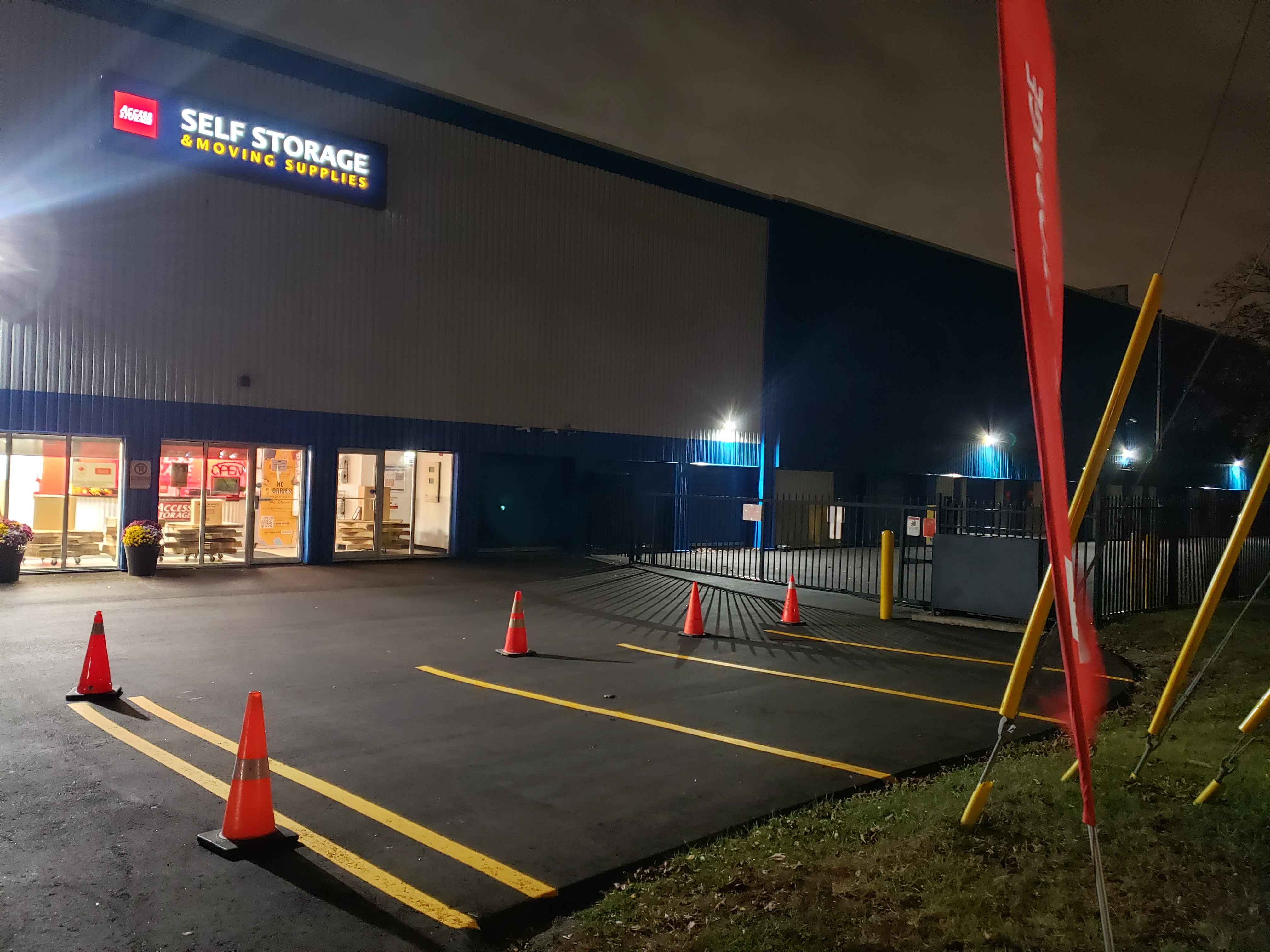
For property managers and business owners, the parking lot is often the first thing a customer sees. It serves as the gateway to your establishment. However, when it comes to maintaining large expanses of asphalt, a cloud of misinformation often surrounds the process of sealcoating. Many decision-makers in major hubs like Mississauga rely on hearsay rather than professional expertise, leading to neglected surfaces or improper application timing.
At Capital Parking Lot Line Painting, we see firsthand how these misconceptions can lead to premature asphalt failure. In this guide, we will debunk the most common myths and provide you with the facts needed to make informed decisions for your commercial property.
Myth #1: Sealcoating Is Only for Aesthetics
Perhaps the most pervasive misconception is that sealcoating is merely a "makeup" application to make an old, grey parking lot look black and new again. While a fresh coat certainly improves curb appeal, its primary function is structural protection.
Asphalt is a petroleum-based product. Over time, UV rays from the sun, salt, oil spills, and heavy traffic strip away the oils that keep the asphalt flexible. Once these oils are gone, the pavement becomes brittle and prone to cracking. Sealcoating acts as a sacrificial barrier, absorbing the environmental damage so your actual pavement doesn't have to. Without this layer, you aren't just looking at an ugly lot; you are looking at expensive structural repairs.
Myth #2: You Can Do It Yourself to Save Money
Because sealcoating products are available at big-box hardware stores, many property owners believe they can tackle the job with a rented squeegee and a bucket. This is a dangerous assumption for commercial-grade lots. Commercial sealcoating requires specific material compositions—often coal tar or high-grade asphalt emulsions—that are far more durable than consumer-grade products.
Professional crews from Capital Parking Lot Line Painting utilize industrial-grade equipment to ensure uniform thickness and proper adhesion. An uneven application can lead to "flaking," where the sealer peels off in large chunks, leaving the pavement even more vulnerable than before. Furthermore, professional application is often timed alongside Line Marking to ensure the entire lot is refreshed simultaneously for a cohesive look.
Myth #3: Sealcoating Fixes Existing Cracks and Holes
This is a critical distinction that many owners miss. Sealcoating is a preventative maintenance tool, not a repair tool. If your lot already has deep cracks, potholes, or alligator cracking, applying sealer over them is a waste of resources. The sealer will simply sink into the cracks and fail almost immediately.
A proper maintenance cycle should always follow this hierarchy:
- Step 1: Surface Cleaning - Removing all debris, dirt, and vegetation.
- Step 2: Crack Filling - Using specialized hot-rubberized fillers to seal structural gaps.
- Step 3: Patching - Addressing potholes or failed sections of the base.
- Step 4: Sealcoating - Applying the protective barrier over the repaired surface.
- Step 5: Line Marking - Refreshing the Line Painting to define stalls and walkways.
The Importance of Professional Timing
In a top 30 city in Ontario like Mississauga, the weather plays a massive role in pavement longevity. The freeze-thaw cycles common in our region are incredibly taxing on asphalt. Applying sealant too early in the spring when the ground is still damp, or too late in the autumn when temperatures are dropping, can result in a failed application.
Capital Parking Lot Line Painting understands the local climate patterns. We ensure that the temperature and moisture levels are optimal for the sealant to cure properly, creating a bond that can withstand the harsh Canadian seasons.
Ready to Protect Your Investment?
Don't wait for the cracks to become costly repairs. Contact the experts to schedule your professional assessment and maintenance plan.
Summary of Best Practices
To maximize the life of your commercial lot, remember these three pillars of maintenance:
- Inspect Regularly: Catch small cracks before they turn into potholes.
- Repair Before Sealing: Never use sealer as a substitute for crack filling or patching.
- Professional Execution: Use experts who understand both the chemistry of the sealer and the precision required for Line Painting.