Top Misconceptions About Sealcoating in Commercial Lots
Maintaining a commercial parking lot is more than just an aesthetic choice; it is a critical component of property management and asset preservation. However, many property owners fall victim to common myths that can lead to poor decision-making and unnecessary expenses.
The Importance of Professional Asphalt Care
For businesses operating in a top 30 Ontario city like North Bay, the weather can be unforgiving. From heavy snow loads to rapid freeze-thaw cycles, your asphalt undergoes immense stress throughout the year. This is where sealcoating plays a vital role. At Capital Parking Lot Line Painting, we see firsthand how regular maintenance can extend the life of a lot by years.
Sealcoating acts as a sacrificial barrier, protecting the bitumen in your asphalt from UV oxidation, water penetration, and chemical spills. When you understand the science behind it, the misconceptions begin to fade, replaced by a clear maintenance strategy.
Misconception #1: "Sealcoating is Just for Looks"
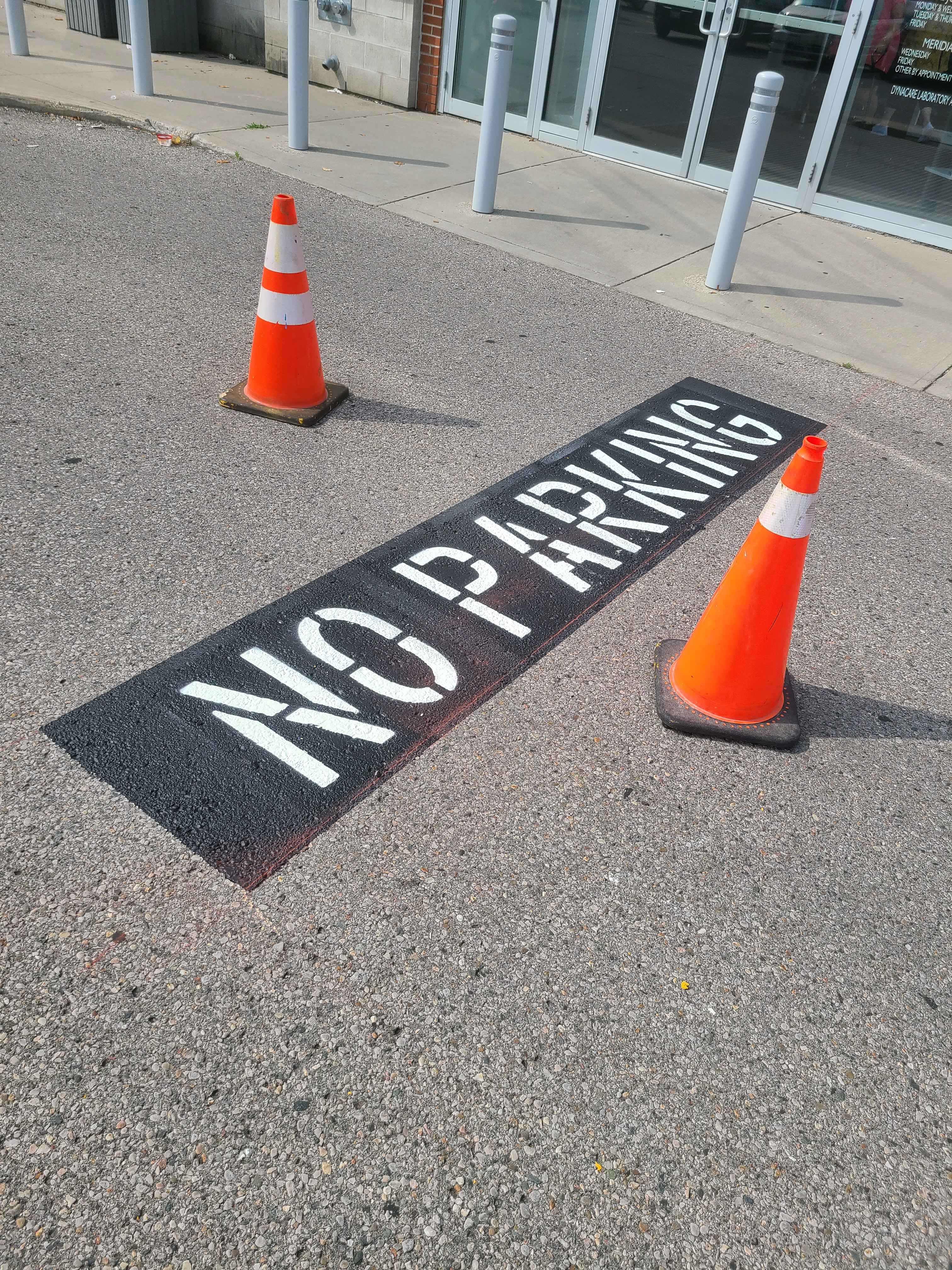
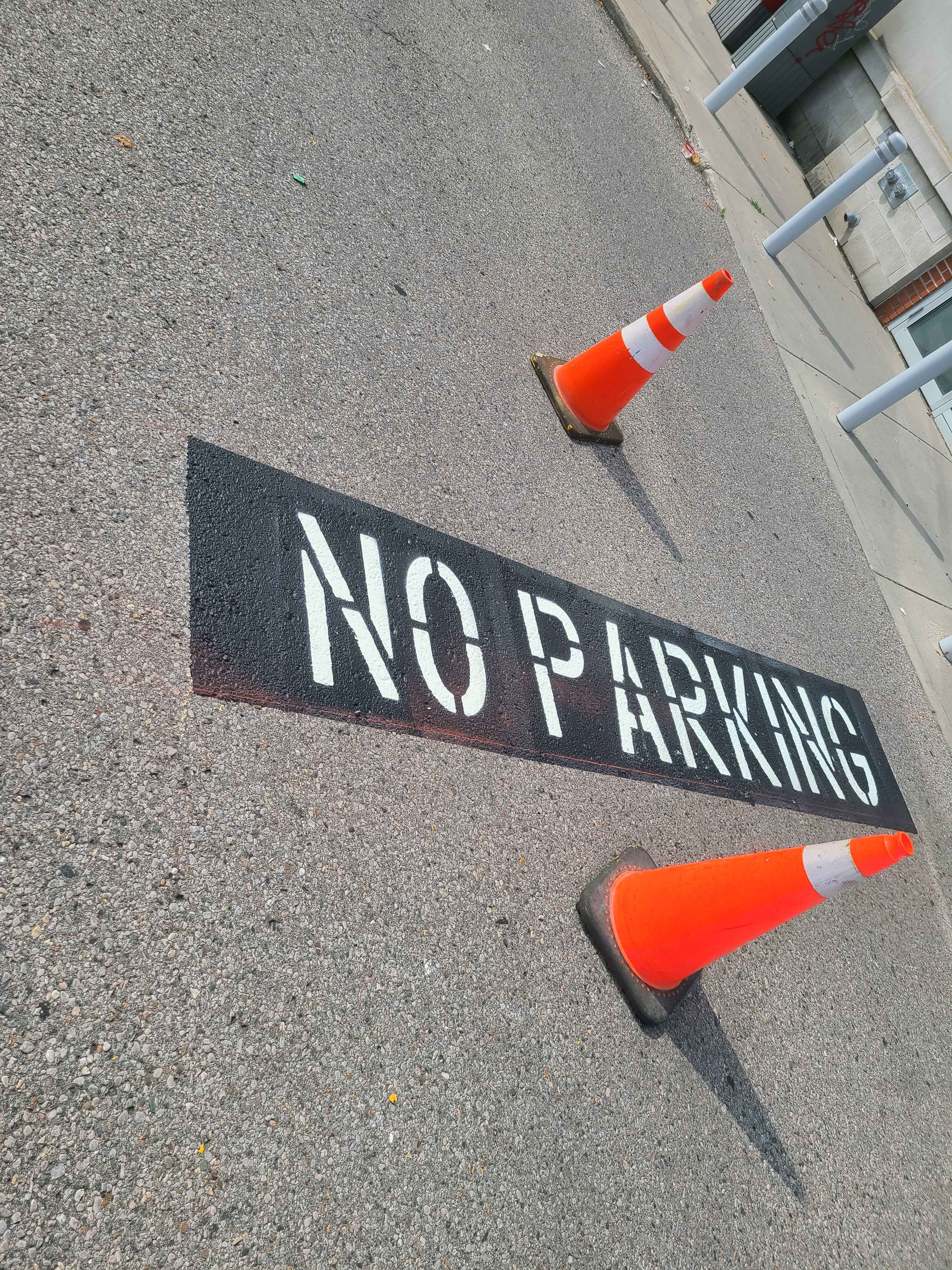
One of the most prevalent myths is that sealcoating is merely a cosmetic upgrade to make a parking lot look "new." While a fresh, dark coat certainly improves curb appeal and makes your Line Marking stand out, its primary function is structural protection.
Without a protective layer, the sun's UV rays break down the oils that keep asphalt flexible. This leads to brittleness, cracking, and eventually, potholes. By investing in sealcoating through Capital Parking Lot Line Painting, you are investing in the structural integrity of your pavement.
Misconception #2: "It Can Fix Major Cracks and Potholes"
This is perhaps the most dangerous misconception. Sealcoating is a preventative maintenance tool, not a repair tool. If your lot has significant structural failures, large cracks, or deep potholes, applying sealcoat over them will not solve the underlying issue. In fact, it may even hide the damage until it becomes much more expensive to fix.
A proper maintenance program involves several distinct steps to ensure longevity:
- Surface Cleaning: Removing all dirt, debris, and vegetation.
- Crack Filling: Using specialized hot-pour rubberized fillers for deep cracks.
- Patching: Repairing potholes and structural depressions.
- Sealcoating: Applying the protective layer once repairs are complete.
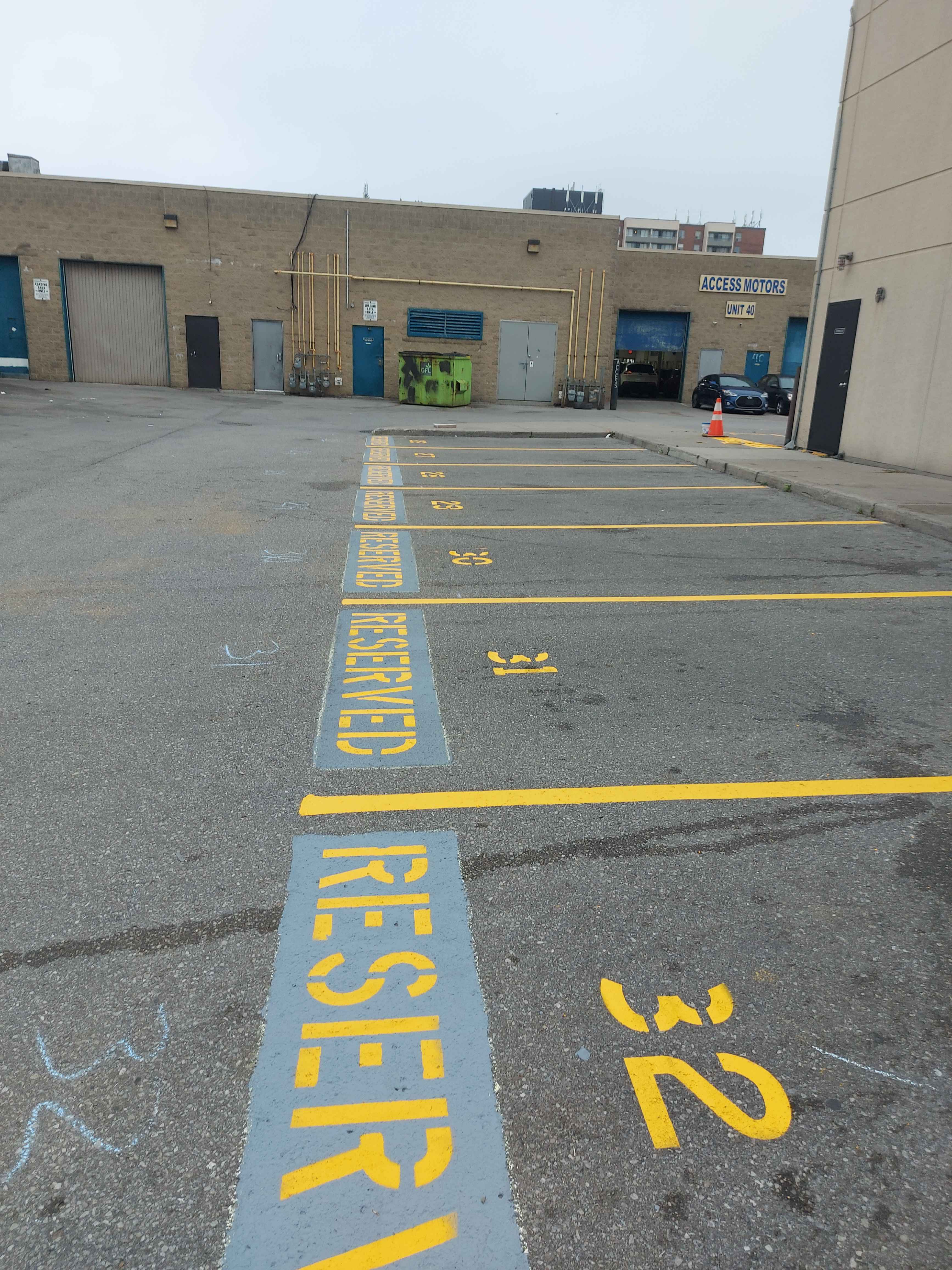
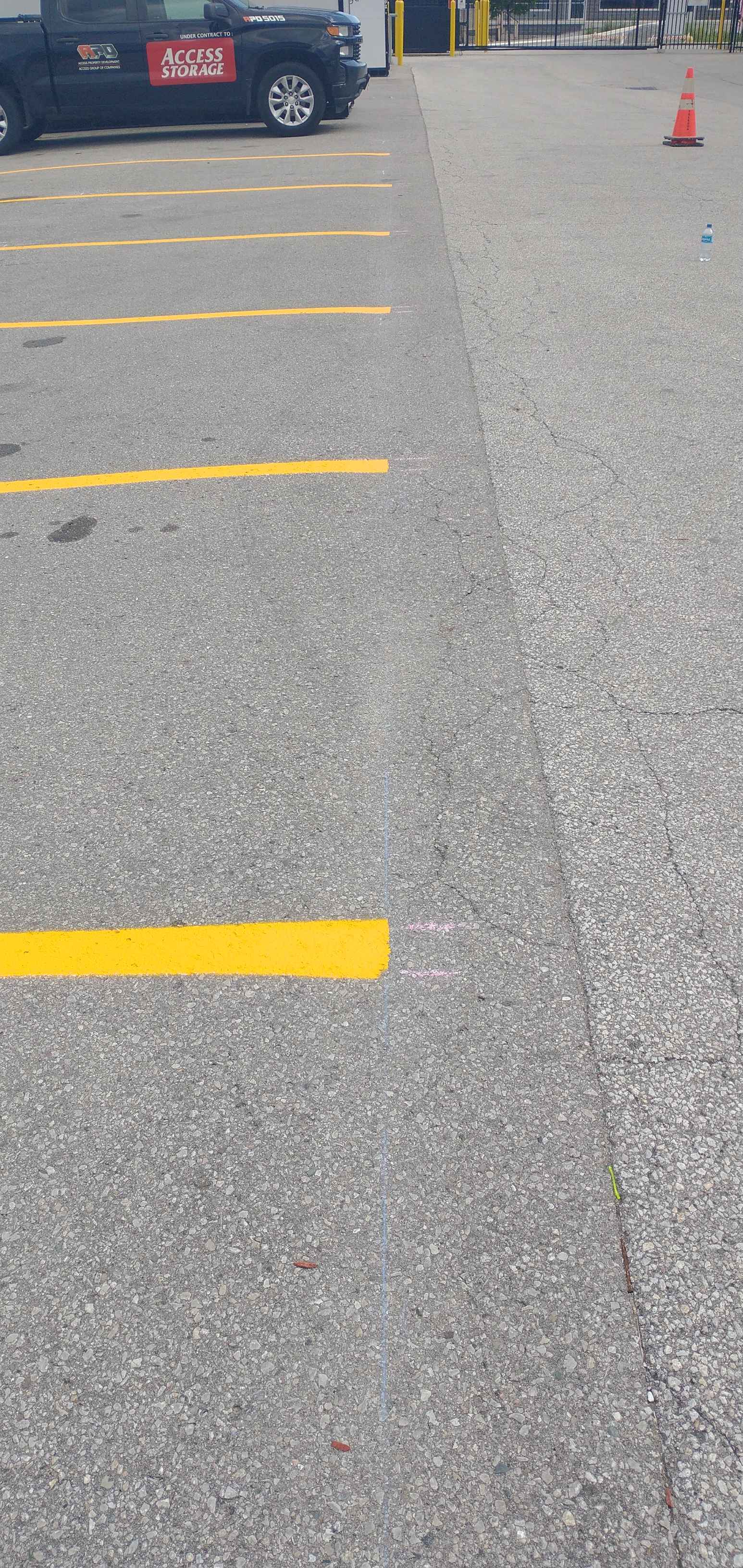
- Line Marking: Refreshing the visibility of stalls and safety zones.
Misconception #3: "I Can Do It Myself with a DIY Kit"
While retail stores sell small containers of sealcoat, commercial-grade applications require different equipment and much higher-quality materials. Commercial sealants are formulated to withstand the heavy weight of vehicles and the extreme temperature fluctuations found in North Bay. DIY applications often result in uneven thickness, which leads to premature peeling and failure.
Professional crews, like those at Capital Parking Lot Line Painting, use industrial sprayers and squeegees to ensure a uniform, durable application that a homeowner simply cannot replicate.
The Synergy of Sealcoating and Line Marking
A common mistake is treating sealcoating and Line Marking as unrelated tasks. In reality, they work best when coordinated. A fresh sealcoat provides a high-contrast background that makes your new Line Painting pop, significantly improving safety and traffic flow for your customers and employees.
Summary of Best Practices
To maximize your investment, remember these three pillars of pavement management:
- Inspect your lot annually for cracks and wear.
- Address repairs (cracks/potholes) before sealcoating.
- Schedule professional maintenance every 2-3 years.