Top Mistakes Facility Managers Make When Overlooking Cracks
Small fissures today can lead to massive structural failures tomorrow. Learn how to protect your investment.
For facility managers, the daily grind of managing large-scale properties can often lead to a "if it isn't broken, don't fix it" mentality. However, when it comes to asphalt and concrete surfaces, this philosophy is a recipe for disaster. A tiny hairline crack in a parking lot might seem insignificant, but it is often the first sign of a much larger issue lurking beneath the surface.
In bustling areas like Guelph, where weather fluctuations and heavy traffic are common, the integrity of your pavement is constantly under siege. Neglecting these early warning signs can lead to exponential increases in repair costs and potential liability issues. At Capital Parking Lot Line Painting, we see firsthand how minor oversights transform into major structural headaches.
1. Treating Cracks as Cosmetic Issues
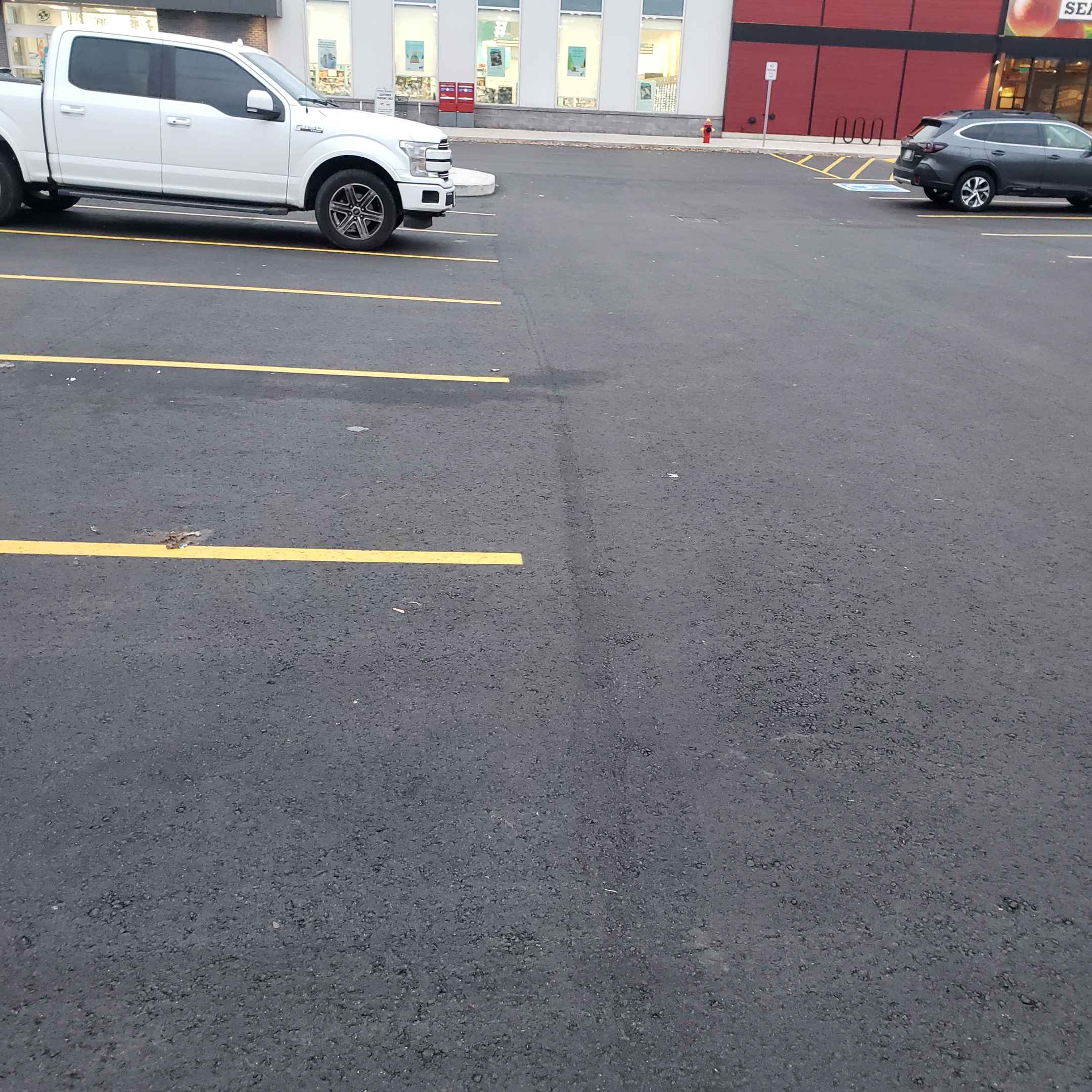
The most common mistake is viewing a crack simply as an eyesore. While a cracked lot certainly looks unprofessional, the real danger is functional. Cracks act as conduits for water, salt, and debris. Once moisture penetrates the sub-base, it begins to erode the foundation of your parking lot.
In a top 30 Ontario city like Guelph, the freeze-thaw cycle is particularly brutal. Water enters the crack, freezes, expands, and widens the gap. By the time you realize the crack is a problem, the foundation may already be compromised, necessitating a full resurfacing rather than a simple repair.
2. The "Wait and See" Approach
Many managers wait until they see large potholes before calling in a professional. This reactive approach is one of the most expensive ways to manage a facility. Reactive maintenance is almost always more costly than proactive maintenance. By the time a pothole forms, the damage has already spread significantly.
Proactive maintenance involves regular inspections and timely interventions. When you partner with a specialist like Capital Parking Lot Line Painting, you move from a cycle of crisis management to a cycle of asset preservation.
3. Using Incorrect Repair Materials
Not all crack fillers are created equal. A common mistake is attempting "DIY" fixes using hardware-store products that aren't designed for the heavy load-bearing requirements of a commercial parking lot. Using the wrong material can lead to:
- Immediate failure of the filler during the first frost.
- Adhesion issues that cause the filler to pop out within weeks.
- Chemical reactions that can actually degrade the surrounding asphalt.
- Uneven surfaces that create trip hazards for pedestrians.
4. Forgetting the Importance of Line Marking
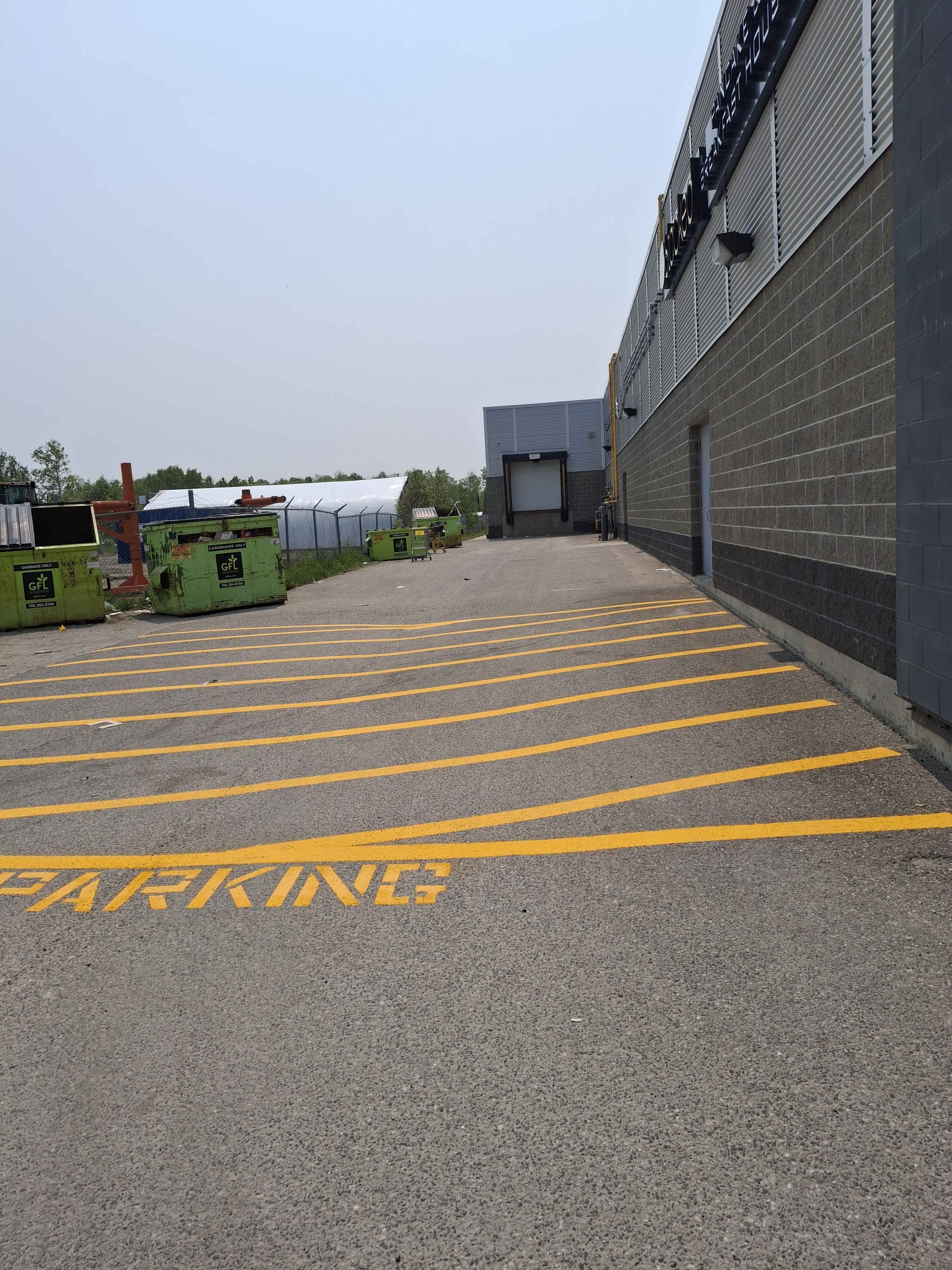
While we are discussing cracks, facility managers often overlook how surface markings play a role in overall lot health. Faded or peeling line marking can hide cracks or make it difficult for drivers to navigate safely, leading to more vehicular wear on specific parts of the lot. Keeping your line painting fresh ensures that traffic flows as intended, reducing the concentrated stress on certain areas of the pavement.
Best Practices for Pavement Longevity
To avoid these pitfalls, implement a structured maintenance plan. Here is what a successful strategy looks like:
- Annual Inspections: Conduct a walkthrough every spring to assess winter damage.
- Timely Crack Sealing: Seal cracks as soon as they are identified to prevent water ingress.
- Regular Line Painting: Ensure line marking is crisp to guide traffic and maintain a professional appearance.
- Professional Consultation: Work with experts like Capital Parking Lot Line Painting to identify underlying issues before they become visible.
Thumbnail Summary
Don't let small cracks turn into big problems. Regular maintenance and professional line painting are the keys to a long-lasting, safe, and beautiful parking facility.