Top Mistakes Facility Managers Make When Overlooking Cracks
Small fissures today can lead to massive structural failures tomorrow. Don't let neglect erode your property's value.
For facility managers, the daily grind involves a thousand small decisions. Often, the most dangerous decisions are the ones not made—specifically, the decision to ignore the small cracks appearing in the asphalt. While a hairline fracture might seem cosmetic, it is actually a symptom of a deeper issue. In a bustling economic hub like Kitchener, where weather fluctuations can be extreme, these small gaps are invitations for water, salt, and debris to wreak havoc on your infrastructure.
At Capital Parking Lot Line Painting, we see firsthand how deferred maintenance turns a simple repair job into a full-scale reconstruction. Understanding the pitfalls of neglect is the first step toward effective asset management.
1. Treating Cracks as Purely Aesthetic Issues
The most common mistake is viewing a crack as a visual nuisance rather than a structural threat. Asphalt is a flexible pavement, but it relies on its integrity to distribute loads. When a crack forms, the seal is broken. In a top 30 city like Kitchener, the freeze-thaw cycle is particularly brutal. Water enters the crack, freezes, expands, and pushes the pavement apart from the inside out.
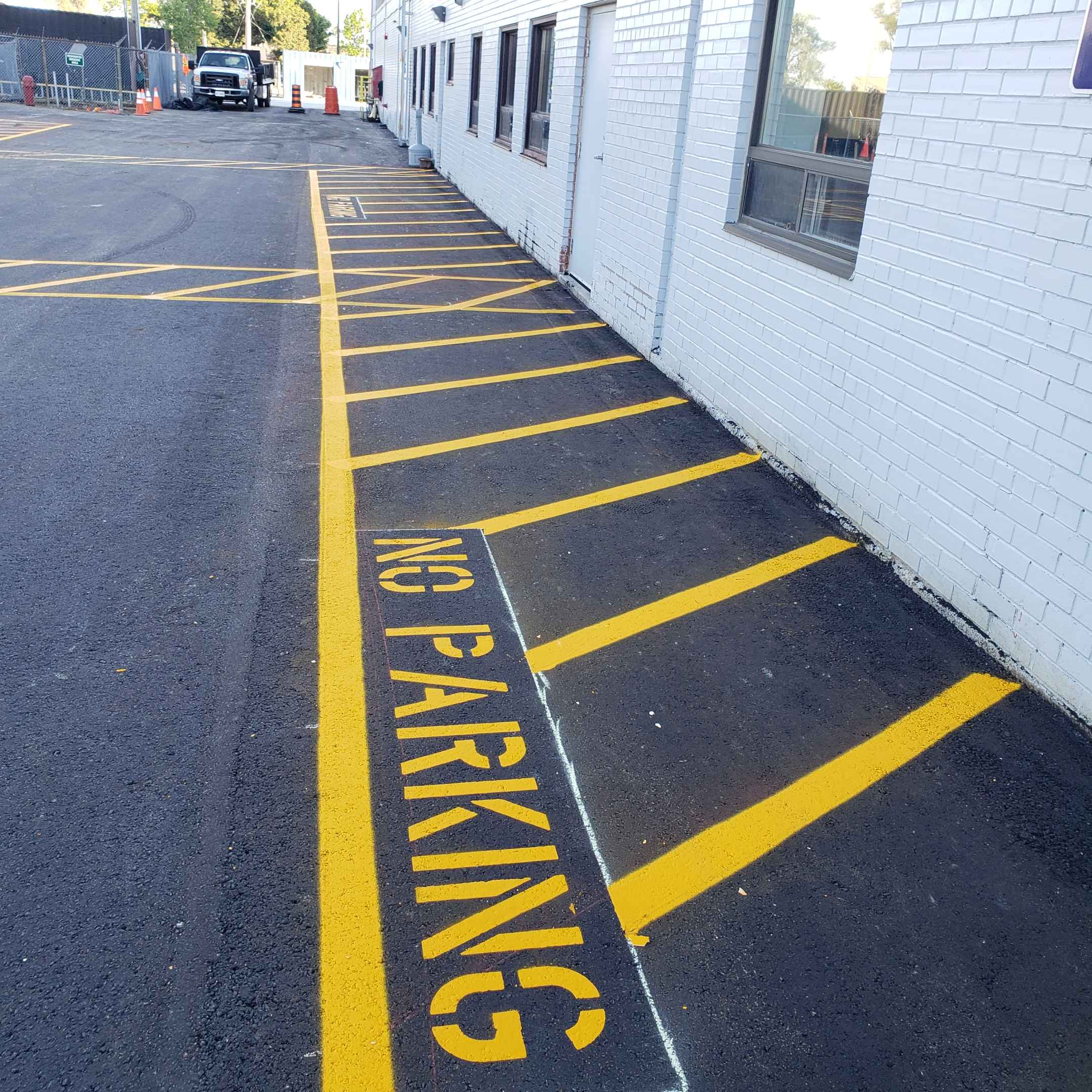
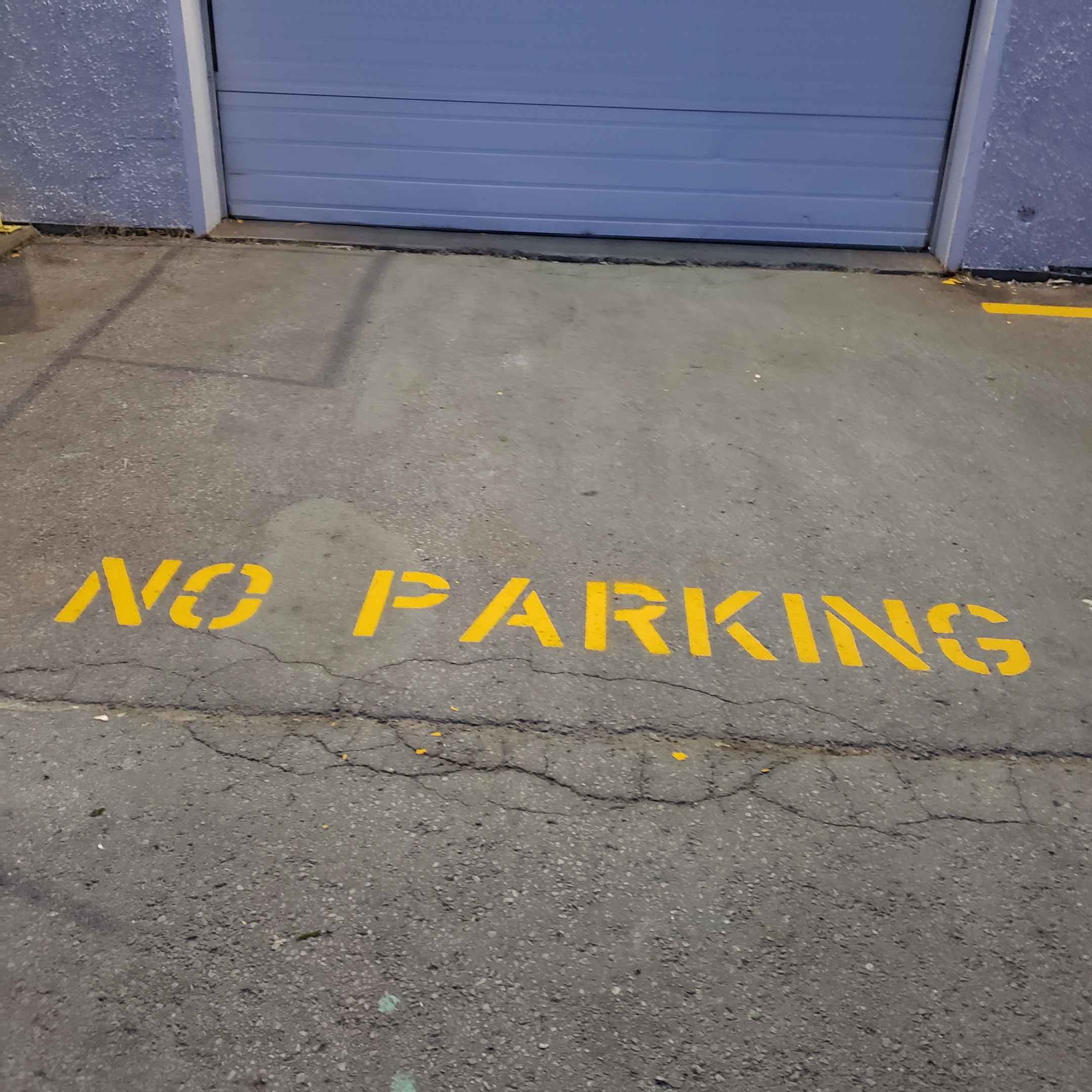
By the time the crack becomes an eyesore that affects your Line Marking visibility, the sub-base may already be compromised. Proactive sealing is much more effective than reactive patching.
2. The "Patchwork" Trap: Using Incorrect Materials
When facility managers do decide to act, they often fall into the trap of using the wrong materials. Applying a standard cold patch to a deep structural crack is like putting a band-aid on a broken bone. It might look better for a week, but it won't stop the underlying erosion.
Professional services like Capital Parking Lot Line Painting utilize specialized crack fillers designed to expand and contract with temperature changes. Using the wrong sealant leads to rapid debonding, meaning you end up paying for the same repair twice.
3. Neglecting the Connection Between Cracks and Safety
A cracked parking lot isn't just a maintenance headache; it is a significant liability. Wide cracks can catch vehicle tires, leading to damage, or worse, cause pedestrians to trip. Furthermore, as cracks widen, they often lead to potholes, which can cause sudden vehicle damage and subsequent legal claims against the property owner.
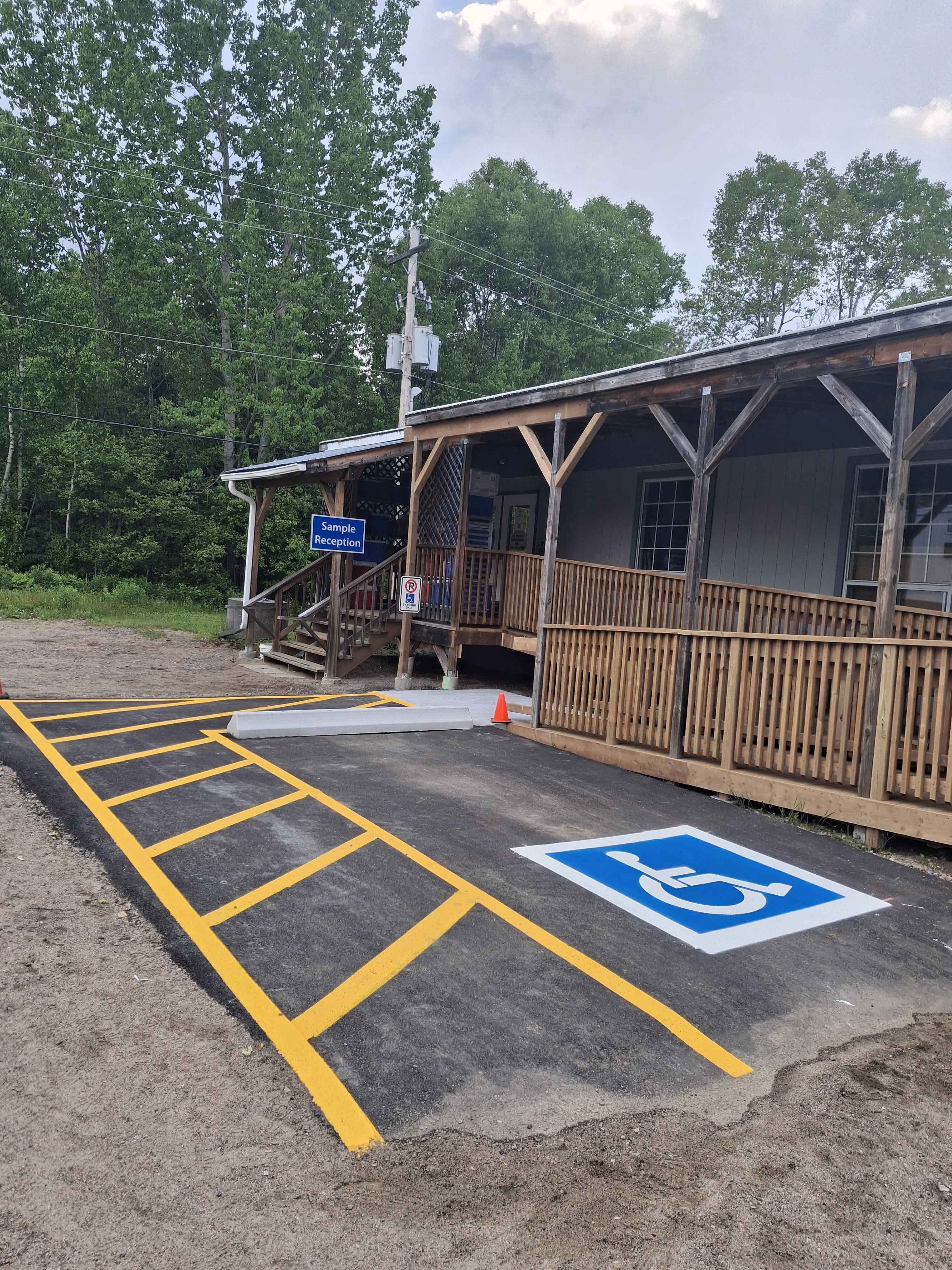
A well-maintained lot, complete with fresh Line Painting, signals to customers and tenants that the property is managed with care and attention to detail.
Common Signs You Are Overlooking Critical Damage
- Hairline Fractures: These are the early warning signs of thermal movement.
- Alligator Cracking: This looks like reptile skin and indicates a total failure of the sub-base.
- Edge Cracking: Cracks running along the edges of the asphalt, often caused by poor drainage.
- Depressions: Areas where the asphalt is sinking, often following a crack pattern.
4. Waiting for a "Perfect Time" to Repair
Many managers delay repairs because they fear the inconvenience of construction. They wait for a quiet period that never seems to come. However, the cost of waiting is exponential. A crack that costs a small amount to seal today could cost tens of thousands in resurfacing next year.
Effective facility management requires a scheduled maintenance plan. This includes regular inspections and timely Line Marking updates to ensure both safety and longevity. Capital Parking Lot Line Painting specializes in working with your schedule to minimize disruption while maximizing the lifespan of your pavement.
Summary of Best Practices
To avoid these mistakes, implement a strategy focused on prevention rather than reaction. This includes:
- Annual pavement inspections.
- Immediate sealing of new cracks.
- Ensuring proper drainage to prevent water pooling.
- Maintaining high-visibility Line Painting for safety compliance.
Don't Wait for the Breakdown
Protect your property investment and reduce liability by addressing pavement issues before they escalate. Contact the professionals at Capital Parking Lot Line Painting for a comprehensive assessment of your facility's needs.