Top Mistakes Facility Managers Make When Overlooking Cracks
Maintaining a commercial property is a balancing act of budget, aesthetics, and structural integrity. Often, the smallest issues become the largest headaches.
For facility managers in growing urban hubs like Markham, the pressure to maintain impeccable grounds is constant. One of the most deceptive challenges in property management is the humble pavement crack. What starts as a hairline fracture can quickly evolve into a catastrophic failure of the asphalt surface. When managers overlook these signs, they aren't just ignoring a cosmetic flaw; they are ignoring the beginning of a structural decline.
At Capital Parking Lot Line Painting, we have seen firsthand how deferred maintenance leads to exponential increases in repair complexity. Understanding where the breakdown in oversight occurs is the first step toward effective asset management.
1. The 'Wait and See' Approach
The most common mistake is the belief that a crack is not an emergency. Many managers adopt a "wait and see" mentality, hoping the crack will stabilize or that the next budget cycle will provide the necessary funds. However, asphalt is a flexible pavement, and cracks act as direct conduits for water.
In a climate like Ontario's, where freeze-thaw cycles are aggressive, water enters those cracks, expands as it freezes, and pushes the pavement apart from the inside. By the time a manager decides to act, a simple crack-filling job may have turned into a full-scale pothole repair or even a complete resurfacing project.
2. Confusing Cosmetic Fixes with Structural Solutions
Another significant error is attempting to mask cracks with superficial applications. Some managers believe that simply applying fresh line marking or a thin layer of paint over a cracked area will solve the problem. While fresh line painting improves the visual appeal of a lot, it does nothing to stop the underlying structural degradation.
Using line marking to hide cracks is a temporary band-aid that actually makes it harder for professional technicians to assess the true extent of the damage. True maintenance requires deep cleaning and specialized crack-filling materials before any aesthetic improvements are made.
Common Oversight Pitfalls
To help you audit your current maintenance strategy, we have compiled a list of the most frequent oversights observed in commercial properties:
- Ignoring hairline fractures during routine inspections.
- Failing to account for seasonal weather shifts in Markham.
- Neglecting the relationship between drainage issues and crack formation.
- Delaying professional assessments in favor of DIY patchwork.
- Overlooking how heavy vehicle traffic accelerates crack widening.
3. Neglecting the Intersection of Pavement and Markings
A well-maintained parking lot requires more than just solid pavement; it requires clear, visible guidance for drivers. When cracks are left unaddressed, the surface becomes uneven, causing line painting to peel or fade prematurely. If the foundation is unstable, your investment in high-quality line marking is essentially wasted.
Capital Parking Lot Line Painting recommends a holistic approach: seal the cracks to ensure a level, waterproof surface, and then apply professional line painting to ensure safety and compliance. This two-step process ensures that your lot looks professional and lasts for years.
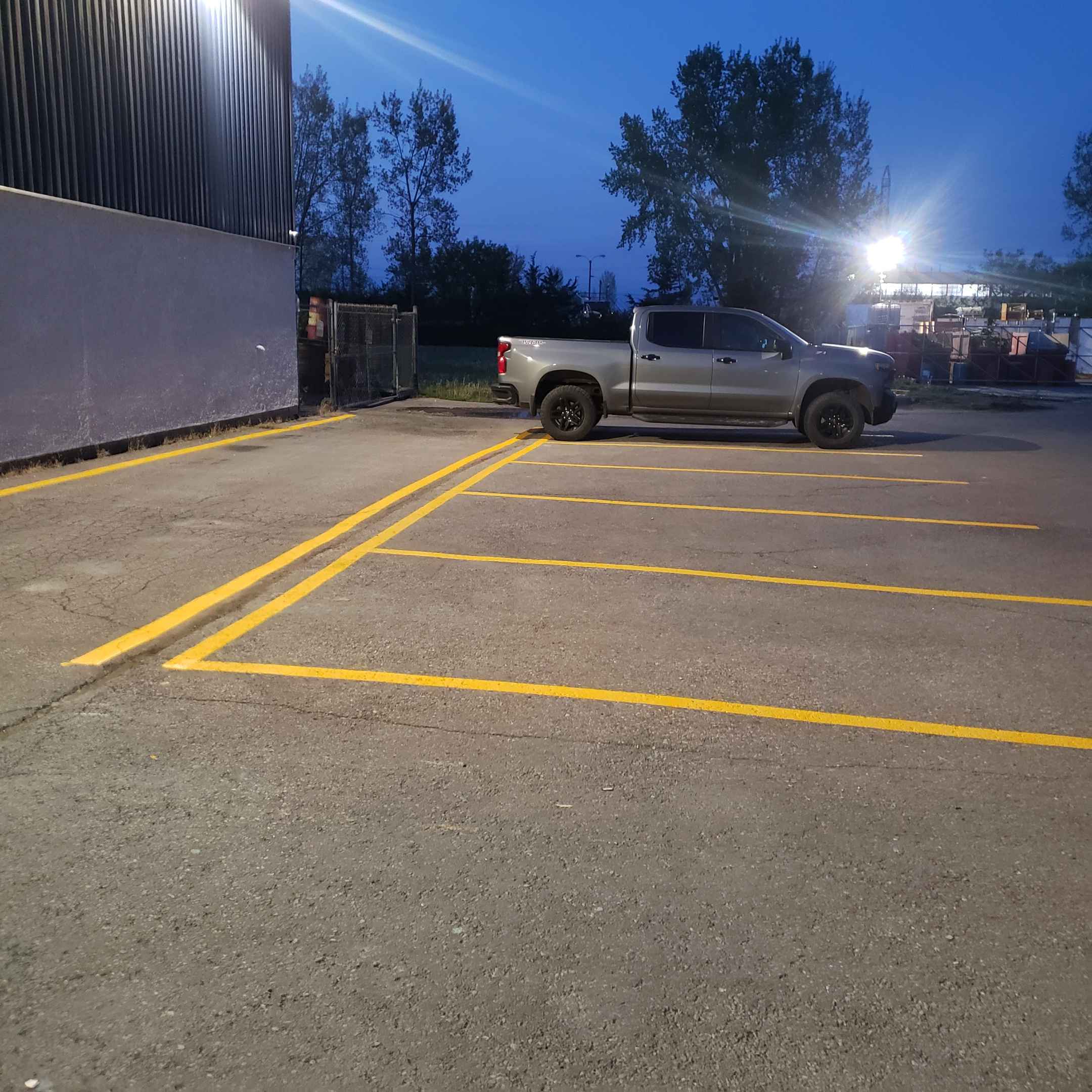
Visual Reference: Proper Surface Condition
Regular maintenance ensures your lot remains in peak condition.
How to Proactively Manage Your Assets
To avoid these mistakes, facility managers should implement a proactive maintenance schedule. This includes semi-annual inspections and working with experts like Capital Parking Lot Line Painting to identify issues before they become liabilities. By prioritizing crack sealing and regular line marking, you protect your property's value and ensure the safety of everyone who uses your facility.