Understanding the Lifecycle of Asphalt Cracks
An essential guide to identifying, managing, and preventing pavement deterioration before it becomes a costly problem.
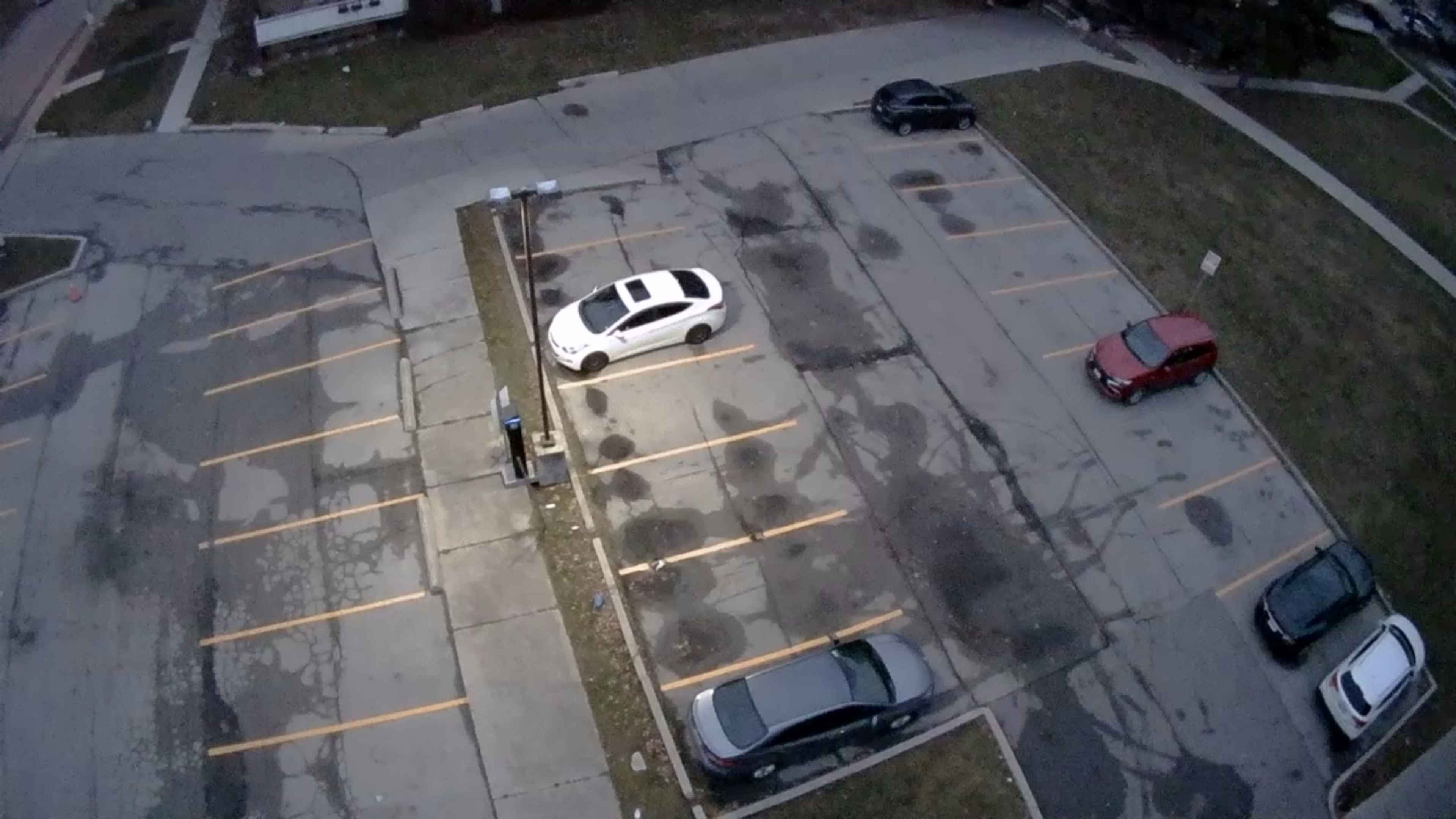
Every asphalt surface, whether it is a residential driveway or a massive commercial parking lot, undergoes a predictable cycle of aging and decay. For property owners in Ajax, a top 30 city in Ontario, the harsh Canadian climate—characterized by extreme temperature swings and heavy salt usage—accelerates this lifecycle significantly. Understanding these stages is the difference between a simple maintenance task and a complete, expensive reconstruction.
At Capital Parking Lot Line Painting, we have seen firsthand how ignoring the early signs of asphalt fatigue can lead to rapid structural failure. By recognizing the lifecycle of cracks, you can implement a proactive maintenance strategy that extends the life of your pavement for years to come.
The Four Stages of Asphalt Deterioration
Stage 1: Hairline Cracking (The Warning Sign)
The lifecycle begins with microscopic fissures, often referred to as hairline cracks. These are often barely visible to the naked eye and are typically caused by the natural oxidation of the asphalt binder. As the oils in the asphalt evaporate due to UV exposure, the surface becomes brittle. While these cracks don't pose an immediate structural threat, they are the most critical time to act. Addressing these early prevents water from seeping into the sub-base.
Stage 2: Alligator Cracking (The Structural Warning)
As the lifecycle progresses, cracks begin to interconnect, creating a pattern that looks remarkably like the skin of an alligator. This is a sign of fatigue failure. It usually indicates that the base layer beneath the asphalt is no longer providing adequate support, or that the asphalt has become too brittle to handle the load of vehicles. Once you reach this stage, Capital Parking Lot Line Painting recommends immediate professional intervention to prevent the surface from crumbling entirely.
Stage 3: Pothole Formation (The Failure Point)
When water penetrates the cracks and reaches the sub-base, the damage accelerates exponentially. In a climate like Ajax, the freeze-thaw cycle is the primary culprit. Water enters the cracks, freezes, and expands, pushing the asphalt upward. When it thaws, it leaves a void. The next heavy vehicle to drive over that void causes the asphalt to collapse, creating a pothole. At this stage, the pavement is no longer just aging; it is failing.
Stage 4: Total Surface Failure
The final stage of the lifecycle is total structural failure. The cracks have become so wide and numerous that the asphalt can no longer be patched. At this point, the only solution is a complete mill and overlay or a full reconstruction of the parking area. This is the most expensive outcome and one that could have been avoided through consistent maintenance.
How to Prolong Your Asphalt's Life
Prevention is always more effective than reaction. Here are the key steps to managing your pavement lifecycle:
- Regular Crack Sealing: Filling cracks as soon as they appear to prevent water infiltration.
- Sealcoating: Applying a protective layer to shield the asphalt from UV rays and oxidation.
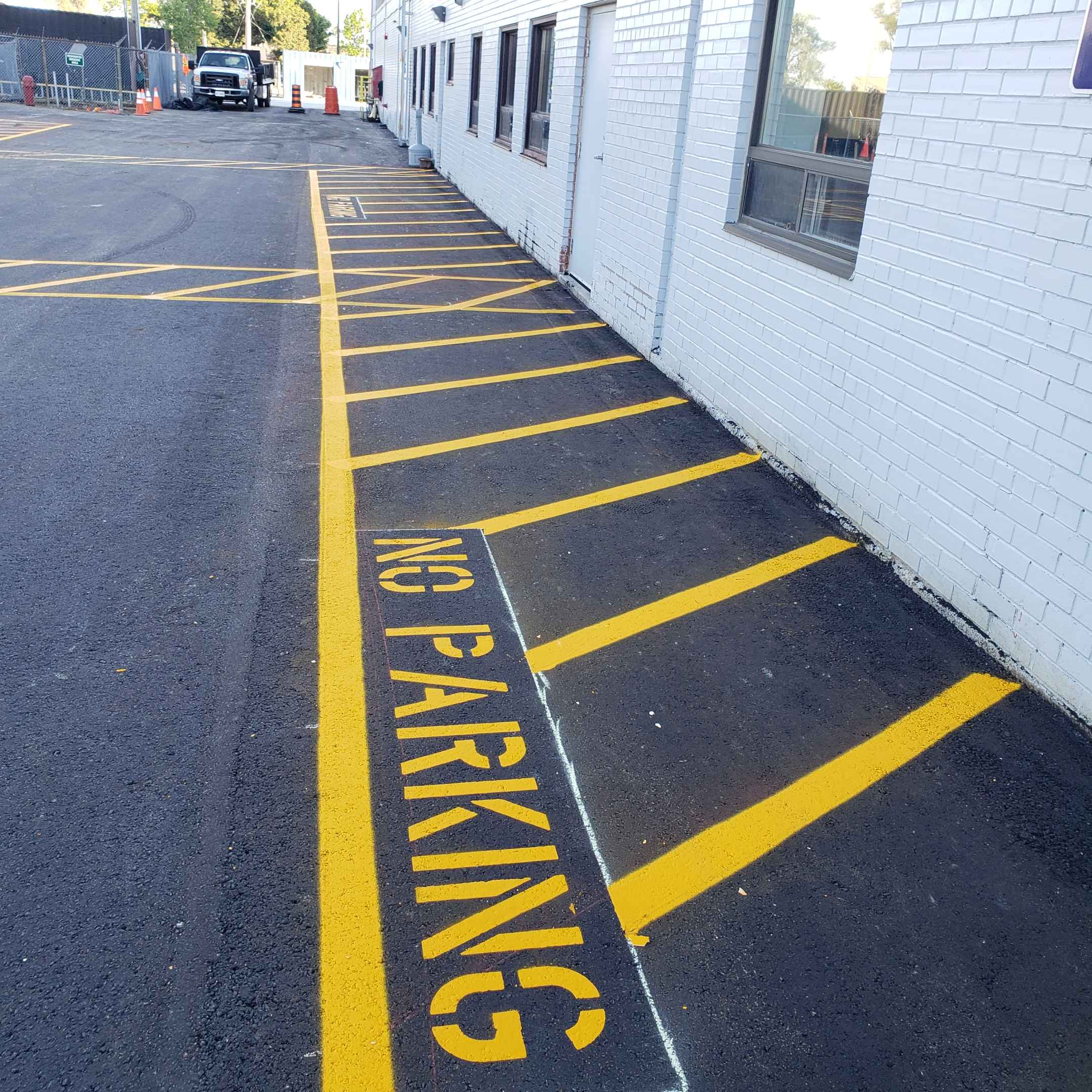
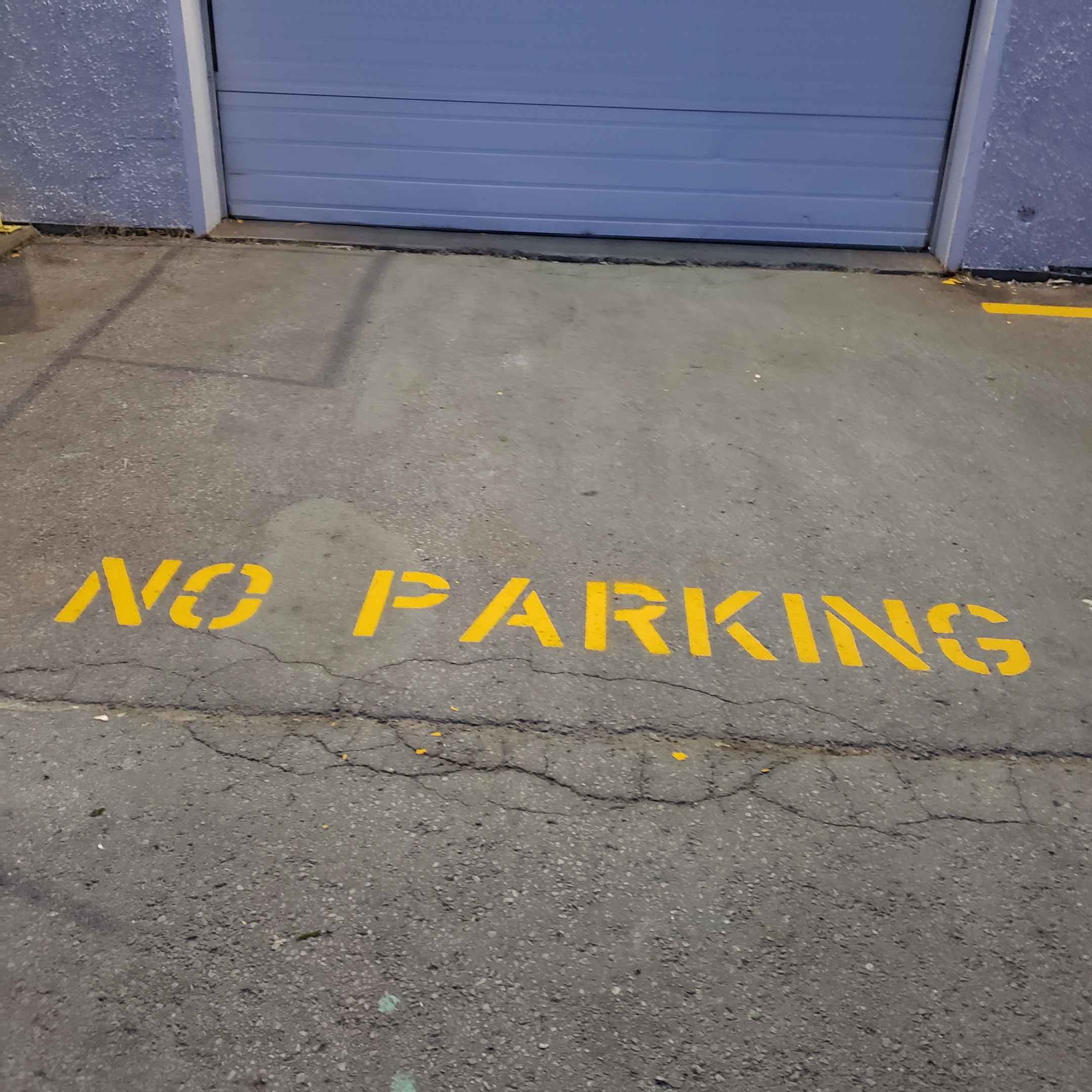
- Routine Line Marking: Ensuring clear visibility with fresh Line Marking helps direct traffic flow and prevents vehicles from driving on unmaintained edges.
- Proper Drainage: Ensuring water flows away from the asphalt surface to prevent pooling.
- Professional Inspections: Having experts like Capital Parking Lot Line Painting assess the surface annually.
The Role of Aesthetics and Safety
While structural integrity is the primary concern, the visual state of your parking lot communicates a lot about your business. A cracked, neglected lot can deter customers and suggest a lack of attention to detail. Beyond aesthetics, safety is paramount. Cracks and potholes are trip hazards and can cause damage to customer vehicles.
Part of a complete maintenance package includes Line Painting. Fresh, crisp lines not only improve the professional look of your property but also ensure that parking stalls, pedestrian walkways, and fire lanes are clearly defined, reducing the risk of accidents and liability.
Don't Wait for the Collapse
By understanding the lifecycle of asphalt cracks, you can move from a reactive mindset to a proactive one. Investing in maintenance today saves significant resources tomorrow. Whether you need crack repair, sealcoating, or professional Line Marking, staying ahead of the cycle is the key to longevity.