Understanding the Lifecycle of Asphalt Cracks
Every asphalt surface, from high-traffic commercial lots to quiet residential driveways, undergoes a predictable process of aging and degradation. Recognizing the stages of this lifecycle is the key to moving from reactive, expensive repairs to proactive, cost-effective maintenance.
The Inevitable Process of Pavement Aging
Asphalt is a flexible pavement material, meaning it is designed to move slightly under the weight of vehicles and changes in temperature. However, this flexibility comes at a price. Over time, environmental factors such as UV radiation, oxidation, and moisture infiltration begin to break down the chemical bonds within the bitumen (the "glue" that holds the rocks together).
For property owners in a top 30 city in Ontario like Guelph, the seasonal shifts are particularly aggressive. The cycle of freezing and thawing causes water to expand within the pores of the asphalt, accelerating the aging process significantly.
Stage 1: Oxidation and Surface Weathering
The first stage of the asphalt lifecycle is often invisible to the naked eye but is happening constantly. Oxidation occurs when oxygen in the air reacts with the asphalt binder. As the binder oxidizes, it loses its oils and becomes brittle.
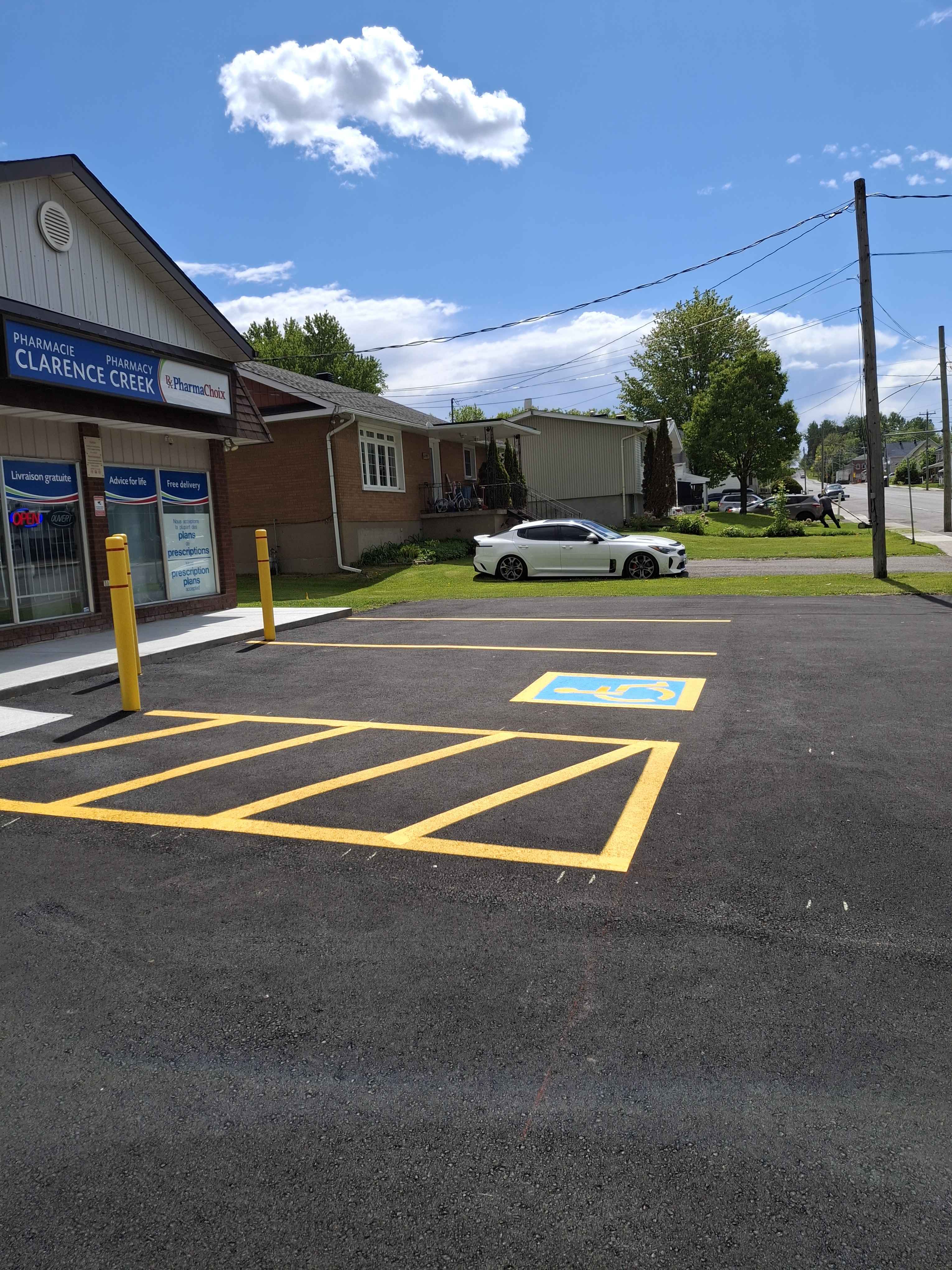
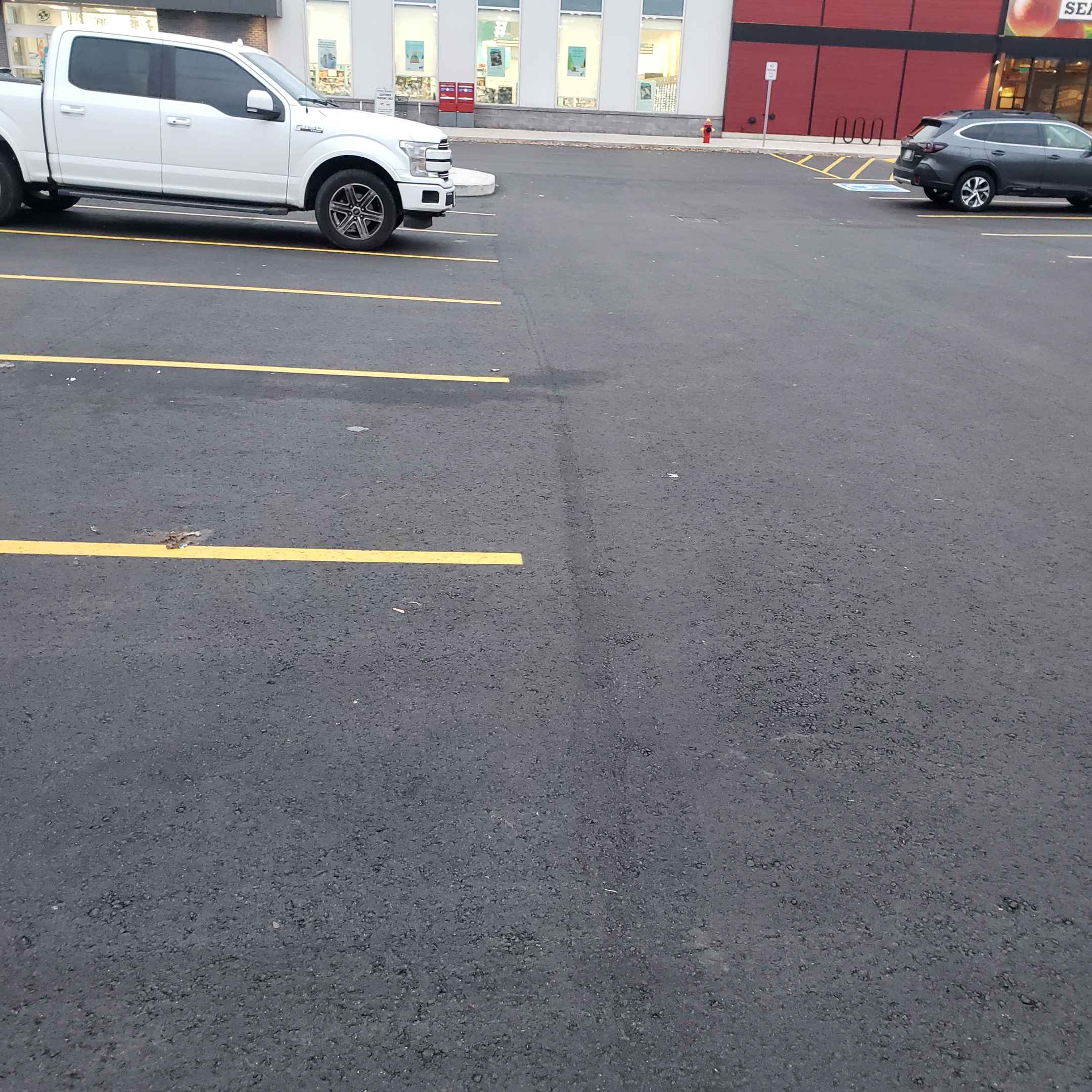
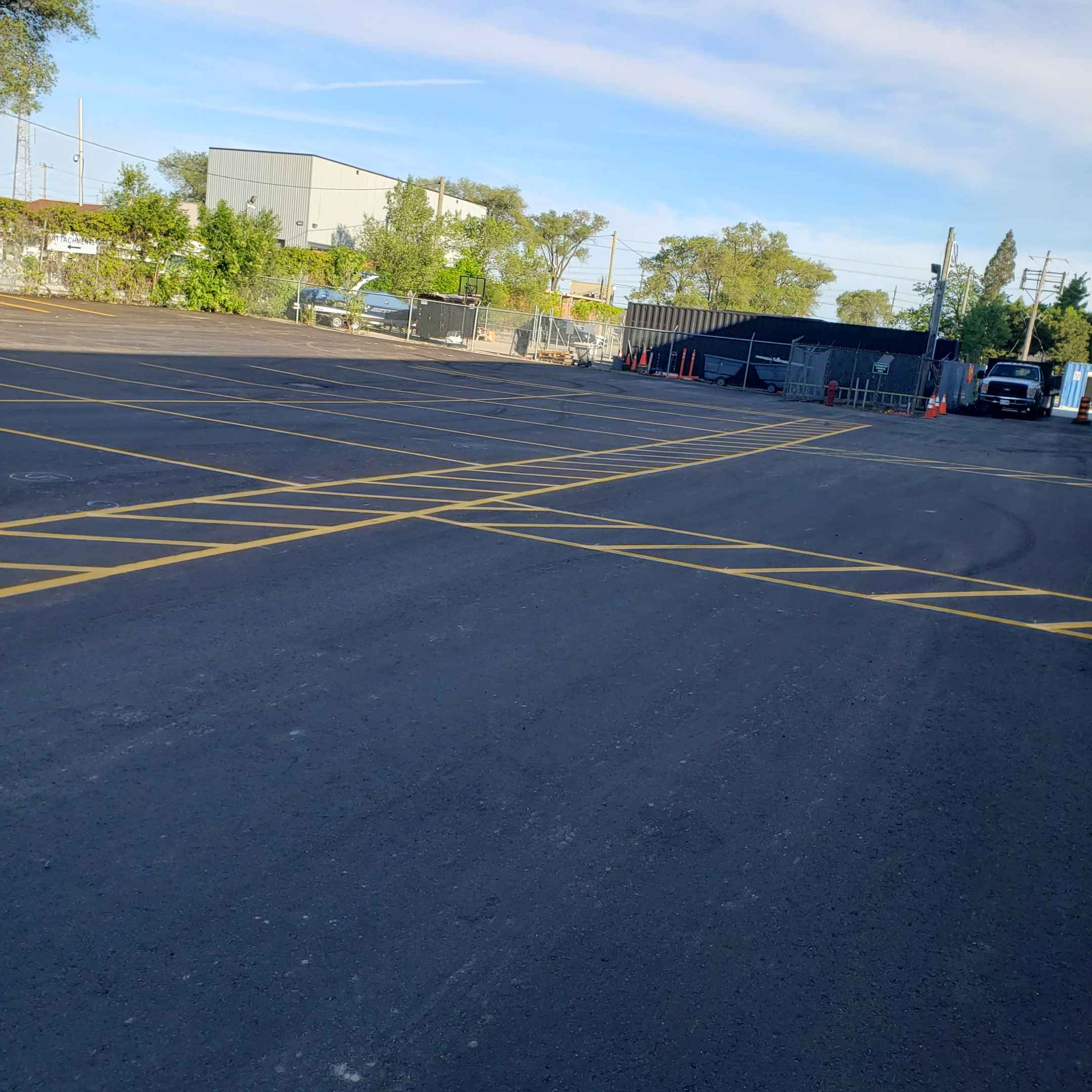
You might notice the asphalt changing color from a deep, rich black to a lighter, charcoal grey. While this is primarily an aesthetic change, it is the first warning sign that the pavement is losing its ability to remain flexible. At this stage, professional services from Capital Parking Lot Line Painting can help refresh the visual appeal of your lot through high-quality line marking, which can make a weathered surface look rejuvenated.
Stage 2: Hairline Cracking (Crazing)
As the surface continues to harden due to oxidation, it loses its ability to accommodate minor thermal expansion. This leads to the appearance of "crazing" or hairline cracks. These cracks are typically very thin and spider-web across the surface.
While these cracks may seem superficial, they represent a critical turning point. They are the entry points for water. Once water penetrates these hairline fissures, the degradation process moves from the surface to the sub-base of your pavement.
Stage 3: Alligator Cracking and Structural Failure
If the hairline cracks are not addressed, they will eventually evolve into what engineers call "alligator cracking." This pattern resembles the scales on an alligator's back and is a sign of significant structural fatigue.
At this stage, the damage is no longer just in the asphalt layer; the foundation beneath the asphalt is likely failing. This often happens due to heavy load repetition or poor drainage. When you reach this stage, simple crack filling is no longer sufficient. You are looking at a much more intensive repair process to prevent complete pavement collapse.
Key Indicators of Asphalt Distress
- Color fading from black to grey (Oxidation)
- Fine, web-like surface cracks (Crazing)
- Deep, wide cracks that allow water pooling
- Interconnected, scale-like patterns (Alligator Cracking)
- Depressions or "bird baths" where water collects
Proactive Maintenance Strategies
The goal of any property manager should be to interrupt the lifecycle before it reaches Stage 3. By implementing a regular maintenance schedule, you can extend the life of your asphalt by years. Capital Parking Lot Line Painting recommends a multi-faceted approach to pavement longevity.
Sealcoating and Crack Filling
Sealcoating acts as a sacrificial layer that protects the asphalt from UV rays and oxidation. When combined with professional crack filling, you effectively "seal" the lifecycle, preventing moisture from reaching the sub-base. This is especially vital in Guelph, where winter moisture is a constant threat.
Visual Clarity and Safety
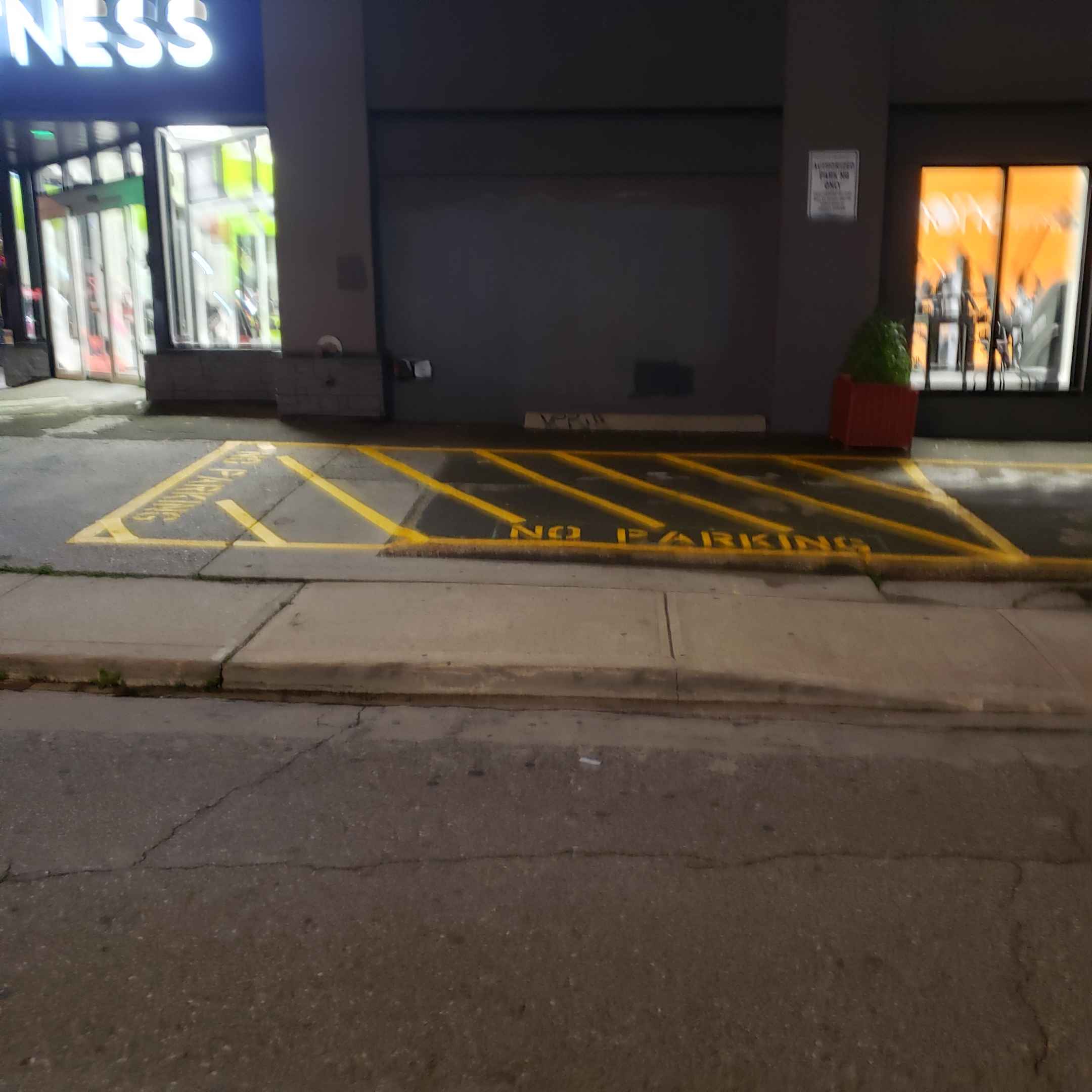
Maintenance isn't just about the structural integrity of the ground; it's about the usability of the space. As the asphalt ages, the markings often fade. Utilizing professional line painting ensures that parking stalls, pedestrian walkways, and directional arrows remain highly visible, reducing liability and improving traffic flow.
Conclusion
Understanding the lifecycle of asphalt cracks allows you to make informed decisions about your property. Don't wait for alligator cracking to appear before taking action. Regular inspections and timely interventions from experts like Capital Parking Lot Line Painting will ensure your pavement remains safe, functional, and visually appealing for much longer.
Ready to Refresh Your Surface?
Whether you need structural repairs, crack sealing, or fresh line marking, our team is ready to help you maintain your investment.