Understanding the Lifecycle of Asphalt Cracks
A guide to identifying, managing, and preventing pavement deterioration for long-lasting surfaces.
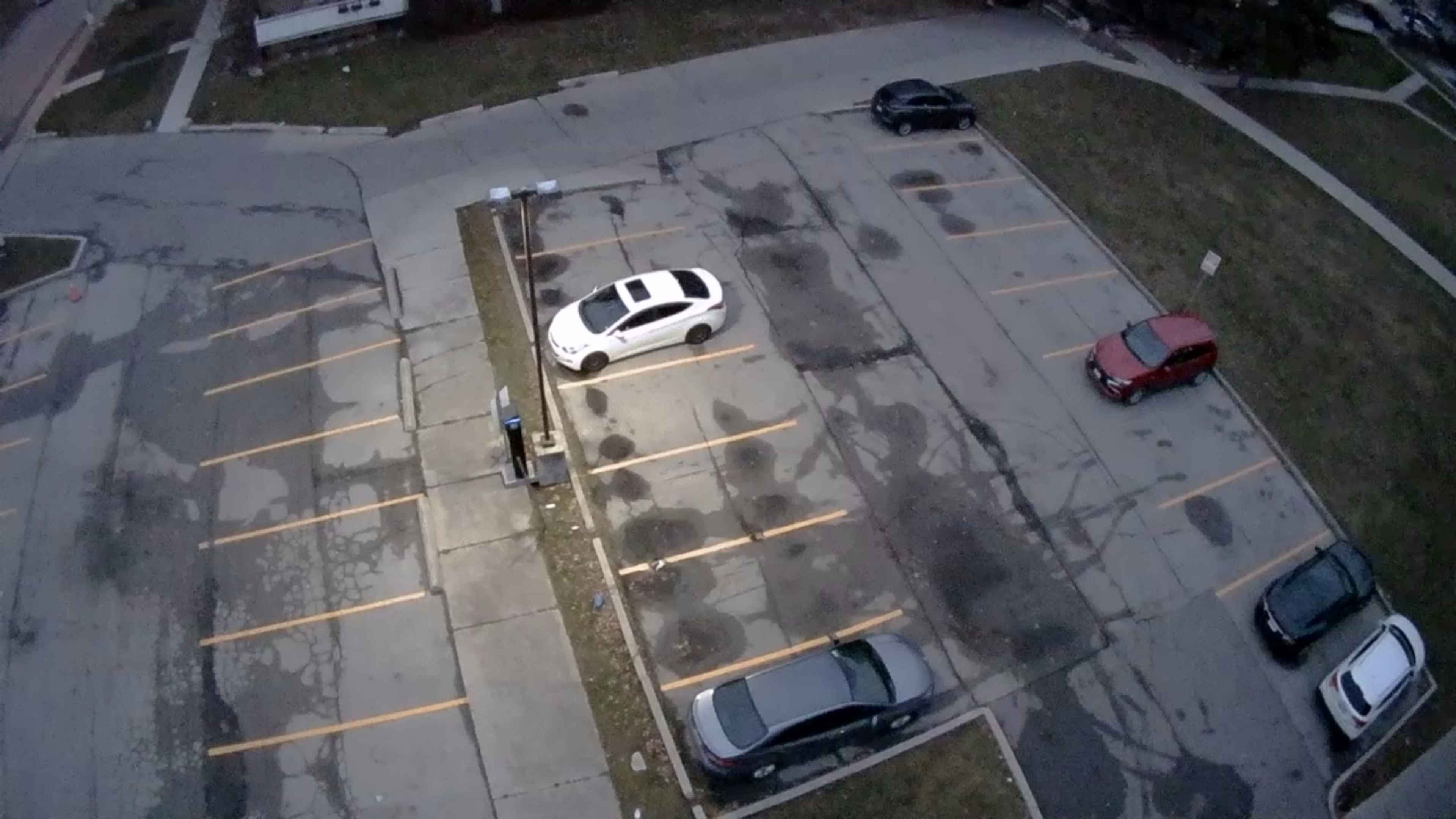
For property owners and facility managers, a parking lot is more than just a place to park cars; it is the first impression of your business. In a bustling urban center like Hamilton, where weather fluctuations can be extreme, maintaining the structural integrity of your asphalt is a constant challenge. One of the most common signs of aging is the appearance of cracks. While they may seem minor at first, cracks are part of a predictable lifecycle that, if ignored, leads to total pavement failure.
Stage 1: The Emergence of Hairline Cracks
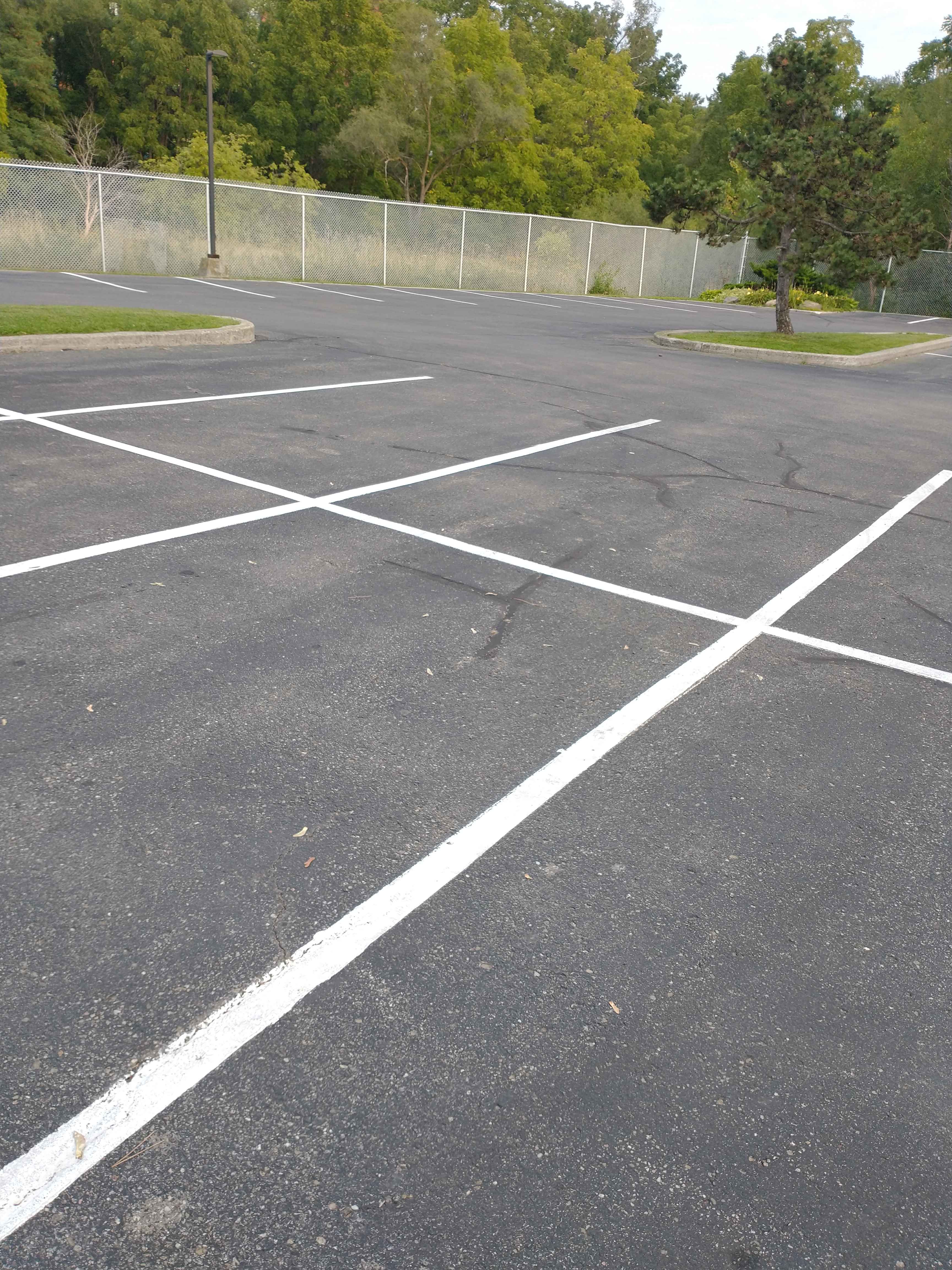
The lifecycle of an asphalt crack typically begins with hairline fractures. These are often caused by the natural oxidation of the asphalt binder. As the sun's UV rays hit the surface, the oils that keep the asphalt flexible begin to evaporate. This makes the surface brittle.
At this stage, the cracks are often so thin they are barely visible to the naked eye. However, they represent the first breach in the pavement's protective seal. During this phase, professional intervention from Capital Parking Lot Line Painting can be highly effective through preventative sealcoating, which replenishes the lost oils and prevents these tiny fissures from widening.
Stage 2: Thermal Expansion and Contraction
As we know in Hamilton, seasonal temperature shifts are significant. The cycle of freezing and thawing is one of the most aggressive enemies of asphalt. When water enters those initial hairline cracks and freezes, it expands, exerting immense pressure on the surrounding material.
This leads to the second stage: widening cracks. These cracks are now clearly visible and can often accommodate a coin or a small screwdriver. If left untreated, water will continue to seep into the sub-base of your parking lot, weakening the foundation upon which the asphalt sits.
Stage 3: Alligator Cracking and Structural Failure
If the lifecycle reaches this stage, the damage is no longer just superficial. "Alligator cracking" refers to a pattern of interconnected cracks that resemble the scales of a reptile. This is a sign of structural fatigue, meaning the base layer beneath the asphalt has failed or become saturated with water.
At this point, simple crack sealing is often insufficient. The pavement is beginning to break apart under the weight of vehicular traffic. This is where the expertise of Capital Parking Lot Line Painting becomes critical, as they can assess whether a patch repair, a full mill and overlay, or a complete replacement is necessary to restore safety and functionality.
Common Causes of Rapid Asphalt Deterioration
- UV Radiation and Oxidation
- Water Infiltration and Freeze-Thaw Cycles
- Heavy Load Stress and Traffic Patterns
- Poor Sub-base Drainage
- Lack of Regular Maintenance and Sealcoating
The Importance of Proactive Maintenance
Understanding the lifecycle allows you to move from a "reactive" mindset to a "proactive" one. Instead of waiting for the asphalt to crumble, you can intervene during the early stages. Regular maintenance not only extends the life of the pavement but also ensures that your safety markings remain clear and visible.
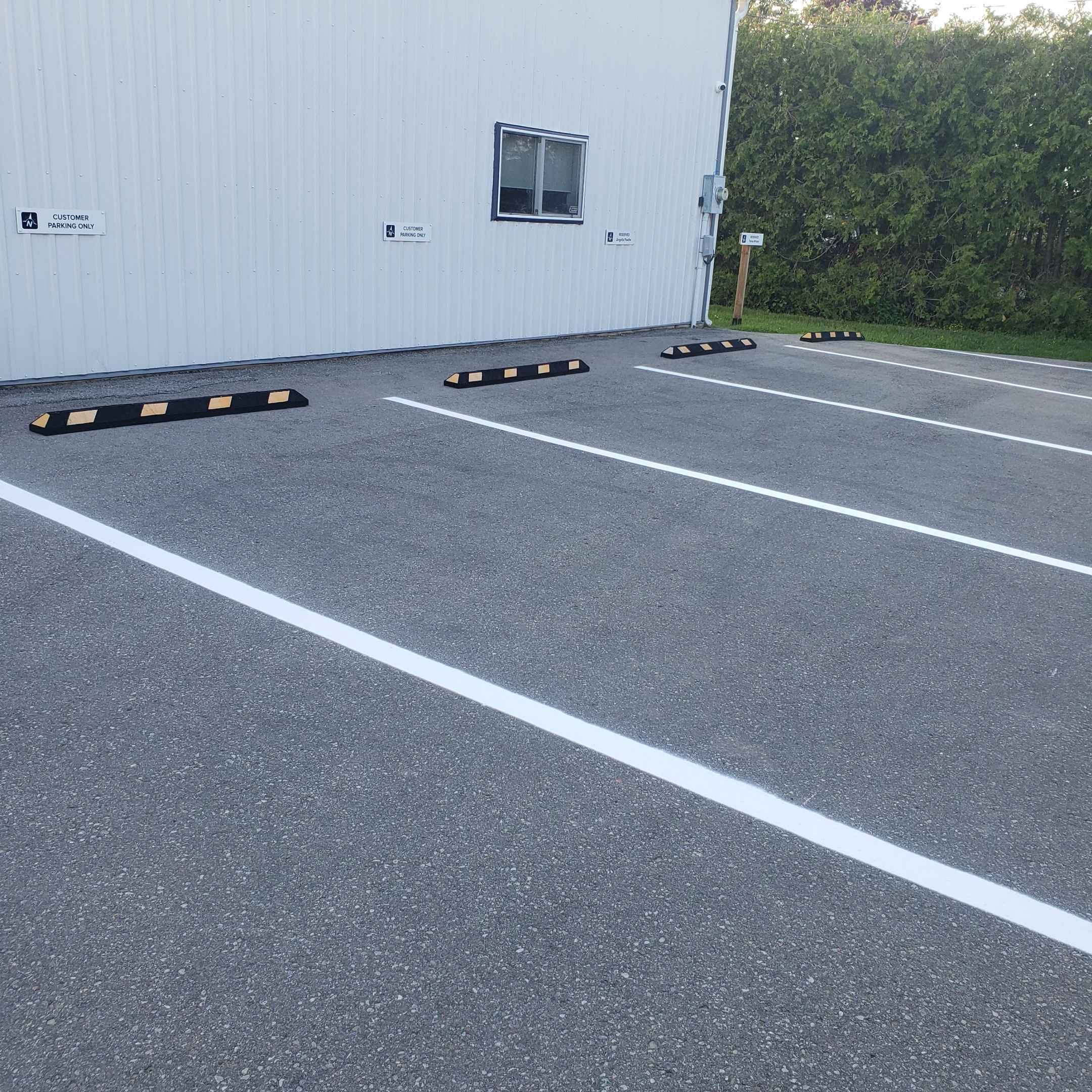
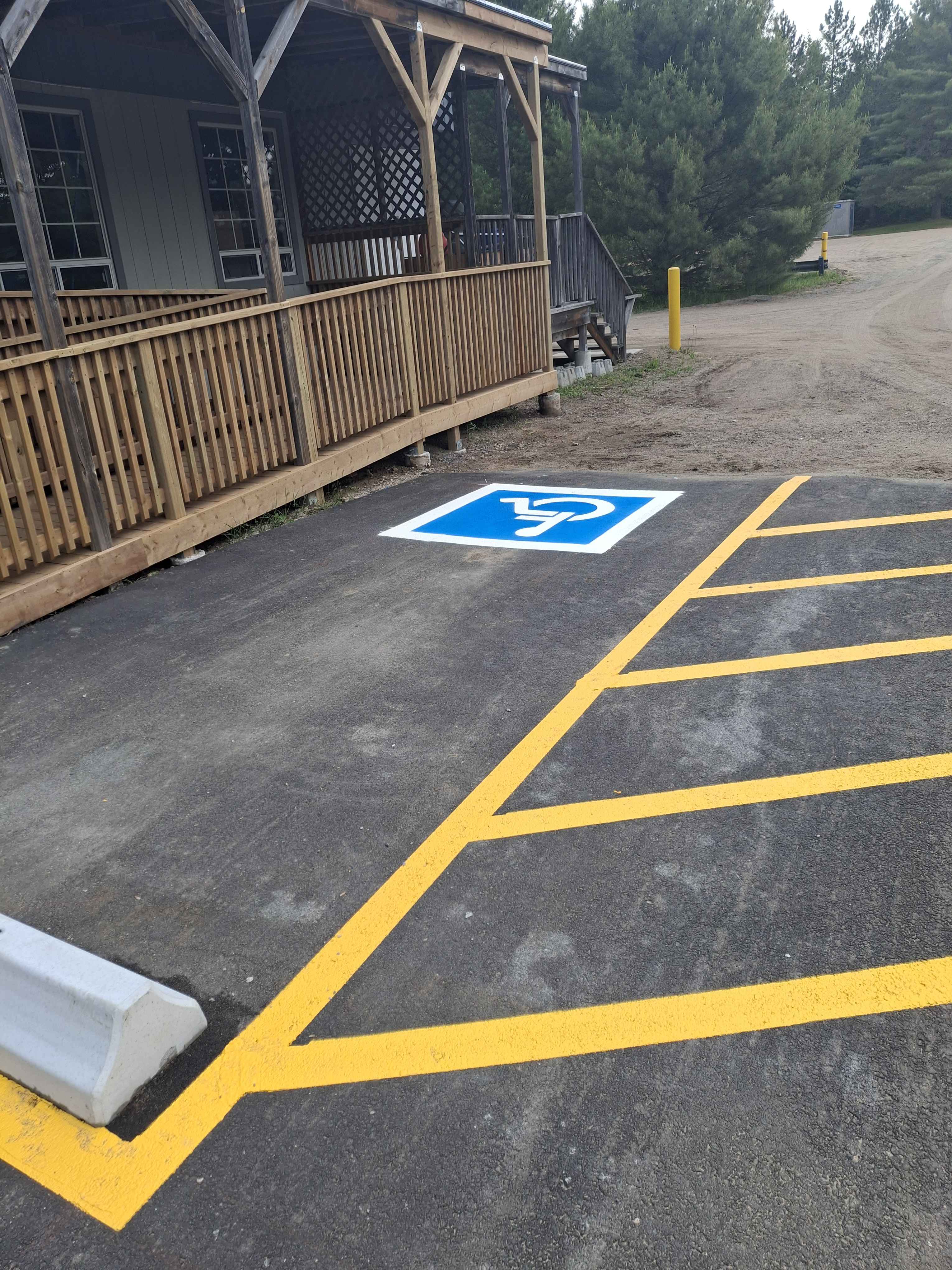
Once the cracks are sealed and the surface is stabilized, it is essential to ensure your Line Marking is up to date. Clear, bright lines guide traffic safely and prevent accidents, complementing the structural health of the lot. Capital Parking Lot Line Painting specializes in ensuring that once your surface is repaired, the visual elements of your parking lot are professional and highly visible.
Summary of Maintenance Steps
To maximize the lifespan of your asphalt, follow these general guidelines:
- Annual Inspections: Walk your lot seasonally to spot new hairline cracks.
- Sealcoating: Apply a protective layer every 3-5 years to combat oxidation.
- Crack Filling: Seal cracks as soon as they become wide enough to hold liquid filler.
- Line Marking: Refresh your Line Painting to maintain compliance and safety.
Don't let small cracks become big problems. Regular maintenance is the key to a long-lasting, professional-looking parking surface.