Understanding the Lifecycle of Asphalt Cracks
A deep dive into pavement deterioration and how to protect your investment.
Every asphalt surface, whether it is a commercial parking lot in Markham or a private residential driveway, undergoes a continuous process of aging and wear. To the untrained eye, a crack in the pavement might seem like a minor cosmetic issue. However, in the world of pavement management, cracks are symptoms of an evolving lifecycle. Understanding this lifecycle is the key to transitioning from reactive, expensive repairs to proactive, cost-effective maintenance.
At Capital Parking Lot Line Painting, we have seen firsthand how ignoring early signs of distress can lead to total pavement failure. By recognizing the stages of asphalt degradation, property owners can make informed decisions that safeguard their property's value and safety.
Stage 1: The Emergence of Hairline Fractures
The lifecycle begins almost immediately after installation. As the asphalt cures and settles, it undergoes thermal expansion and contraction. In a climate like Ontario's, where seasonal temperature swings are extreme, this movement is constant. Initially, you may notice "hairline cracks"—fractures so thin they are barely perceptible to the naked eye.
These cracks are often caused by oxidation, where the sun's UV rays strip the oils from the asphalt binder, making it brittle. While they don't pose an immediate structural threat, they represent the first breach in the pavement's protective seal. This is the ideal time to consult with professionals like Capital Parking Lot Line Painting to discuss preventative sealing.
Stage 2: Alligator Cracking and Structural Stress
If the initial fractures are left untreated, they begin to widen. As water enters these small gaps, it seeps into the sub-base of the pavement. During the winter months in Markham, this water freezes and expands, a process known as the freeze-thaw cycle. This expansion exerts tremendous pressure from beneath the surface, forcing the cracks to grow and interconnect.
Eventually, the pattern evolves into what is known as "alligator cracking." This looks like the scales on an alligator's back—a series of interconnected, small, polygonal cracks. This stage indicates that the issue is no longer just surface-level; the structural integrity of the asphalt base is being compromised. At this point, simple crack filling may no longer suffice, and more intensive repairs are required.
Stage 3: Potholes and Complete Failure
The final stage of the lifecycle is the formation of potholes. Once the sub-base is saturated and the asphalt surface has lost its cohesive strength, chunks of pavement will begin to break away under the weight of vehicle traffic. Potholes are more than just an eyesore; they are significant liability risks that can cause vehicle damage and pedestrian accidents.
Once a parking lot reaches this stage, the cost of repair increases exponentially. What could have been managed with routine maintenance now requires deep patching or even a complete resurfacing of the area.
How to Manage Your Asphalt Lifecycle
To avoid reaching the costly final stages of deterioration, property managers should follow a consistent maintenance schedule. Here are the essential steps for maintaining a healthy pavement lifecycle:
- Regular Inspections: Conduct seasonal walk-throughs to identify new hairline cracks early.
- Crack Sealing: Fill cracks as soon as they appear to prevent water infiltration.
- Sealcoating: Apply a protective layer to combat UV oxidation and moisture.
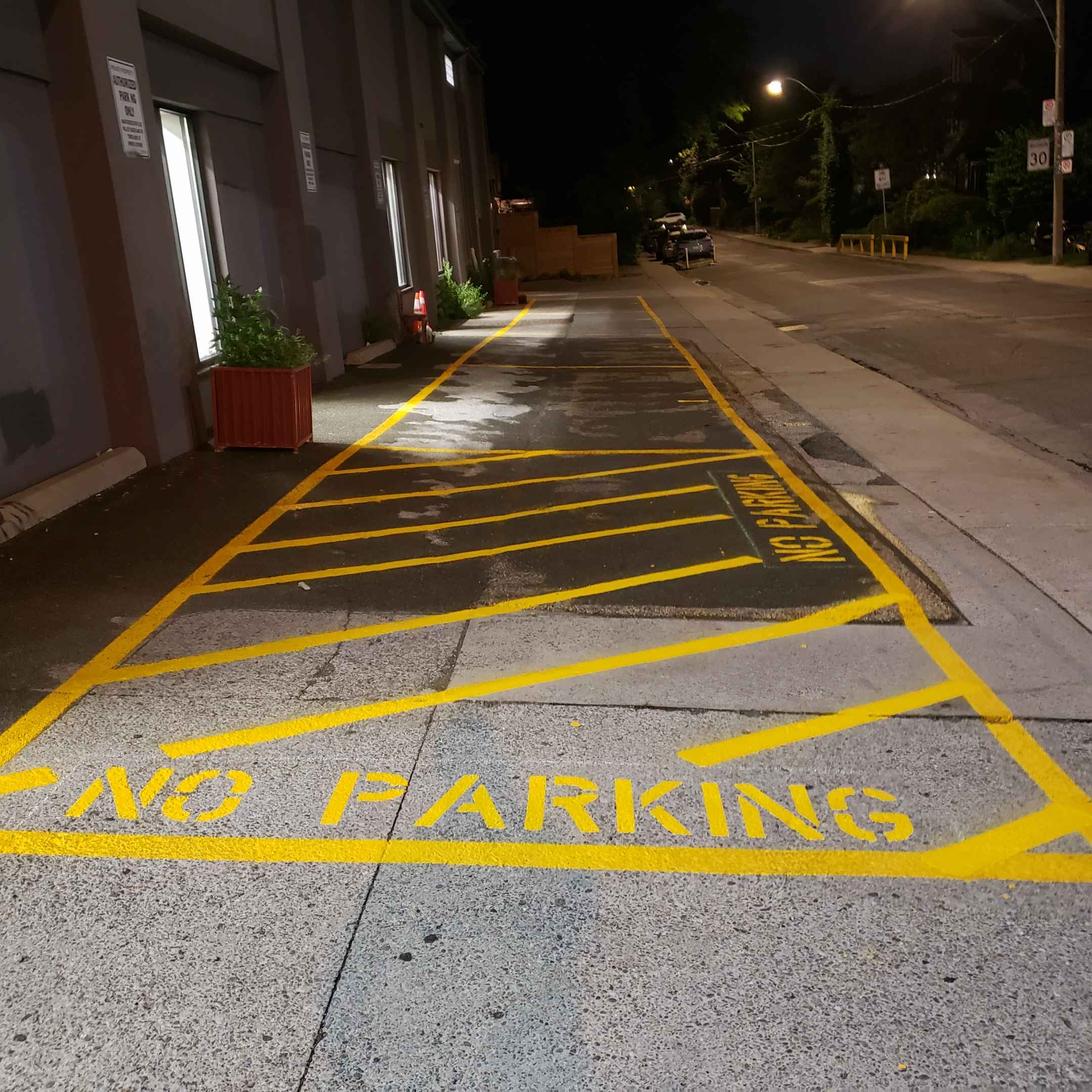
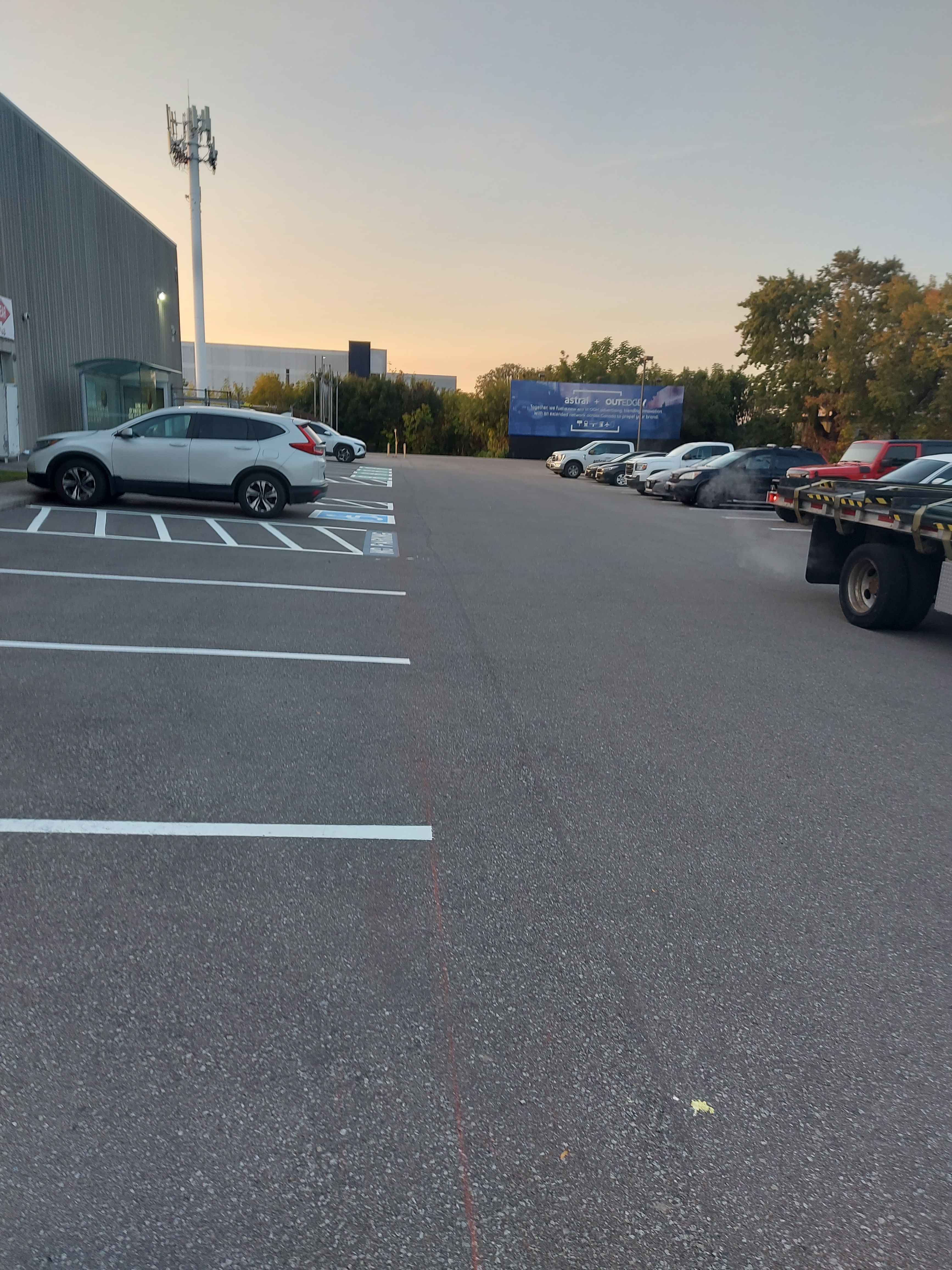
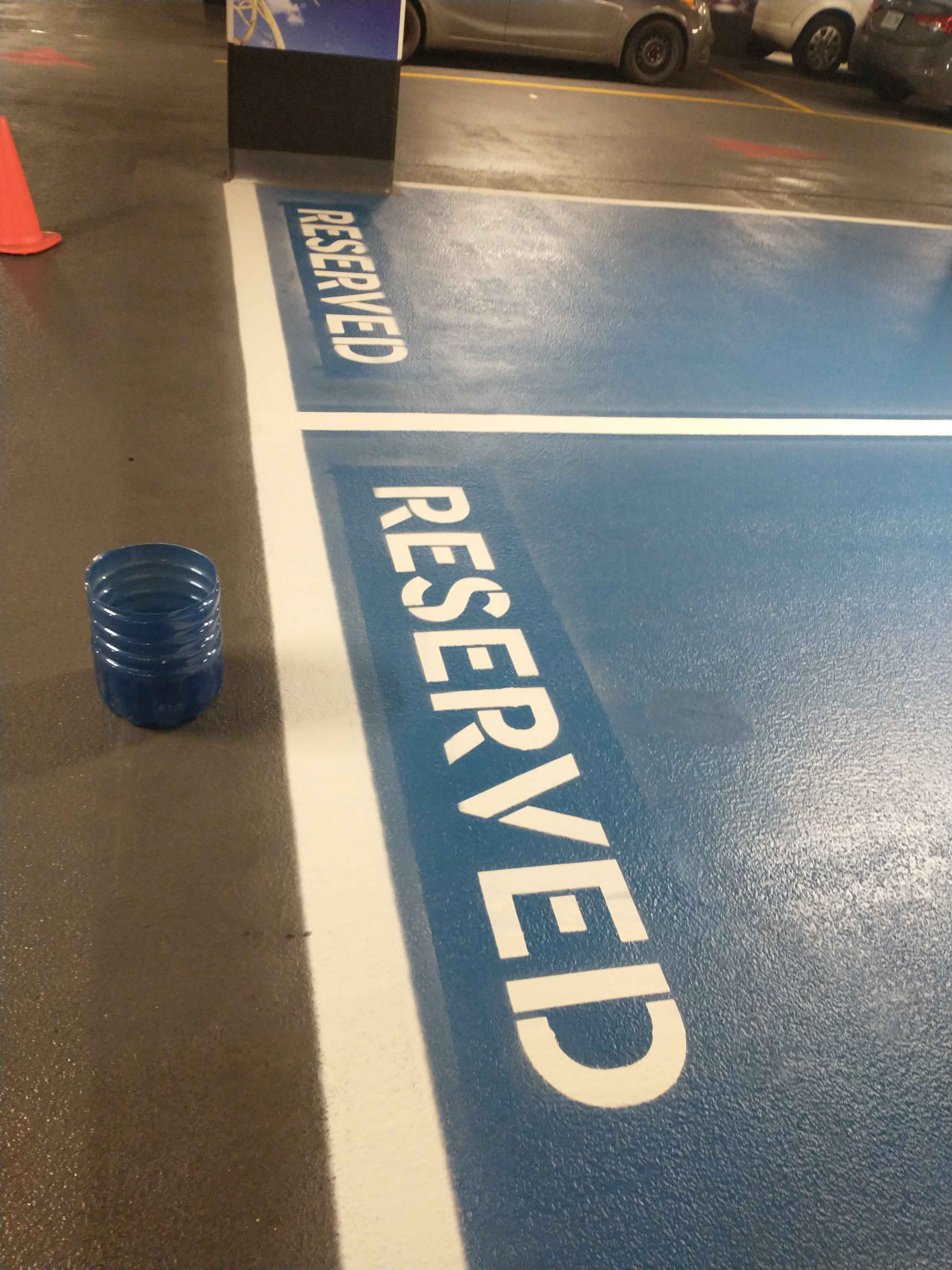
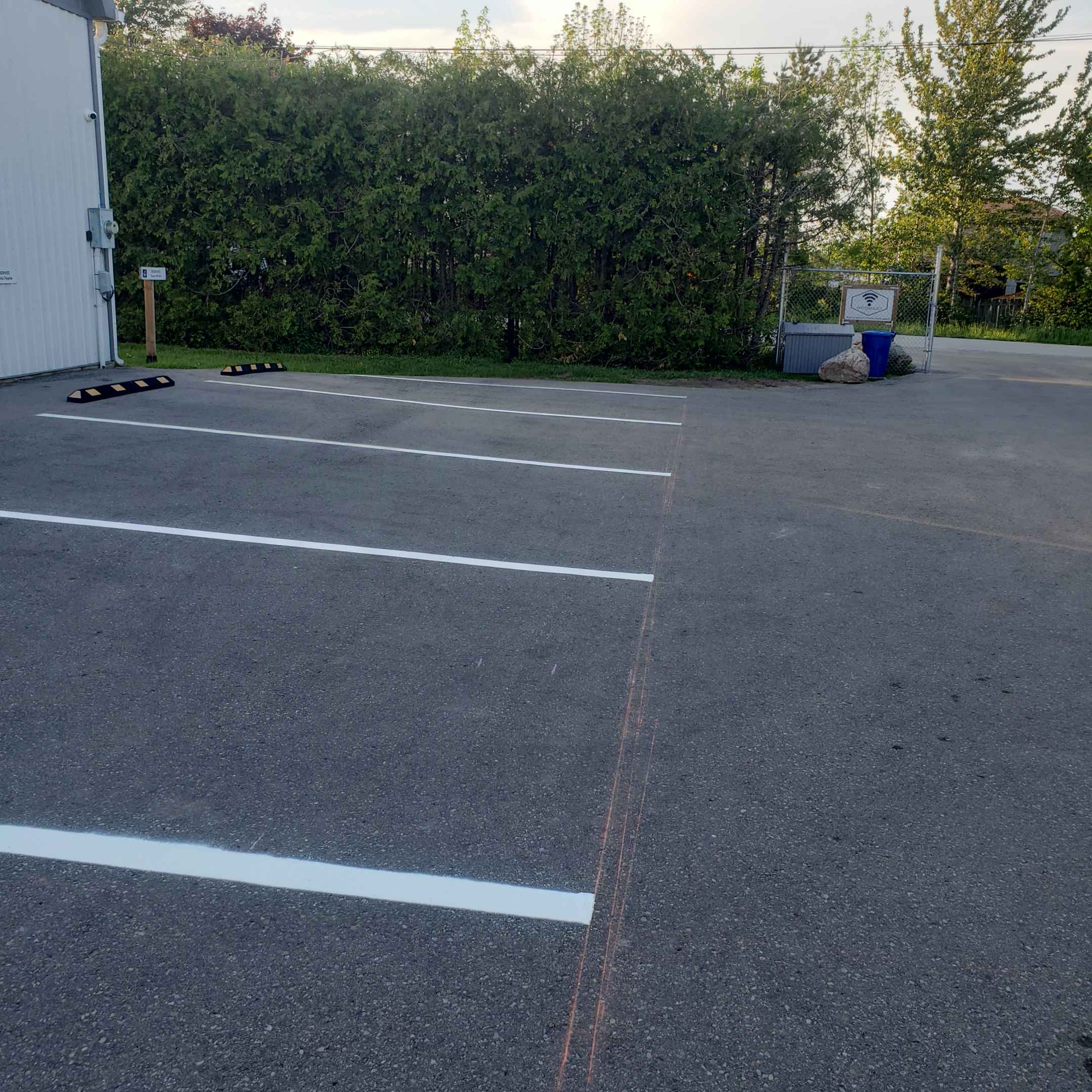
- Line Marking: Ensure your Line Marking is clear and visible to maintain safety and traffic flow.
- Professional Consultation: Work with experts like Capital Parking Lot Line Painting to create a long-term maintenance plan.
The Importance of Visibility and Safety
While managing cracks is vital for structural longevity, managing the visual aspects of your lot is equally important for safety and compliance. As the pavement ages, your Line Painting becomes harder to see. Faded lines lead to confusion in traffic patterns, increased risk of collisions, and poorly parked vehicles that can further stress the asphalt surface.
Combining structural repairs with fresh Line Marking ensures that your property is not only durable but also professional and safe for all users.