Understanding the Lifecycle of Asphalt Cracks
Every asphalt surface tells a story. From the moment it is laid, it begins a slow, inevitable process of aging, weathering, and movement. For property managers and business owners, recognizing the stages of this journey is the difference between a minor repair and a complete reconstruction.
The Inevitable Process of Asphalt Aging
Asphalt is a flexible pavement, designed to withstand heavy loads and temperature fluctuations. However, no material is immune to the elements. In regions like Newmarket, where seasonal shifts can be dramatic, the expansion and contraction of the ground place significant stress on parking surfaces. This stress is what initiates the lifecycle of a crack.
At Capital Parking Lot Line Painting, we have observed that many property owners wait until a crack is visible to the naked eye before taking action. While visibility is a key indicator, the lifecycle actually begins much earlier through oxidation and sub-surface movement.
Stage 1: Oxidation and Hairline Fractures
The first stage of the lifecycle is often invisible to the untrained eye. As asphalt is exposed to UV rays, the oils that keep the bitumen flexible begin to evaporate. This process, known as oxidation, causes the surface to turn from a deep black to a lighter grey. As the binder becomes brittle, tiny, microscopic fissures begin to form.
These hairline fractures are the warning shots of pavement failure. If caught early, they can be managed through preventative sealcoating, which replaces the lost oils and creates a protective barrier against the elements.
Stage 2: Alligator Cracking and Thermal Fatigue
As the lifecycle progresses, the hairline fractures widen and interconnect. This often results in a pattern known as 'alligator cracking'—so named because it resembles the scales on an alligator's back. This stage indicates a more serious issue, often related to the structural integrity of the base layer or repeated heavy traffic loads.
In a top 30 city like Newmarket, the freeze-thaw cycles of Ontario winters accelerate this stage significantly. Water enters the small cracks, freezes, expands, and pushes the asphalt apart, widening the gaps and weakening the foundation.
Common Causes of Rapid Crack Progression
- Improper sub-grade compaction during initial installation.
- Excessive moisture infiltration into the base layer.
- Extreme temperature fluctuations causing thermal expansion.
- Heavy vehicle loads exceeding the pavement's design capacity.
- Lack of regular preventative maintenance and sealcoating.
Stage 3: Potholes and Structural Failure
The final stage of the crack lifecycle is the transition from a crack to a pothole. Once the cracks have compromised the structural integrity of the asphalt, water can seep deep into the sub-base. This washes away the supporting material, creating a hollow space beneath the surface. When a vehicle drives over this weakened area, the asphalt collapses, creating a pothole.
At this stage, simple crack filling is no longer sufficient. Capital Parking Lot Line Painting recommends deep patch repairs or, in extreme cases, a full mill and overlay to restore the safety and functionality of the lot.
The Importance of Visual Clarity and Safety
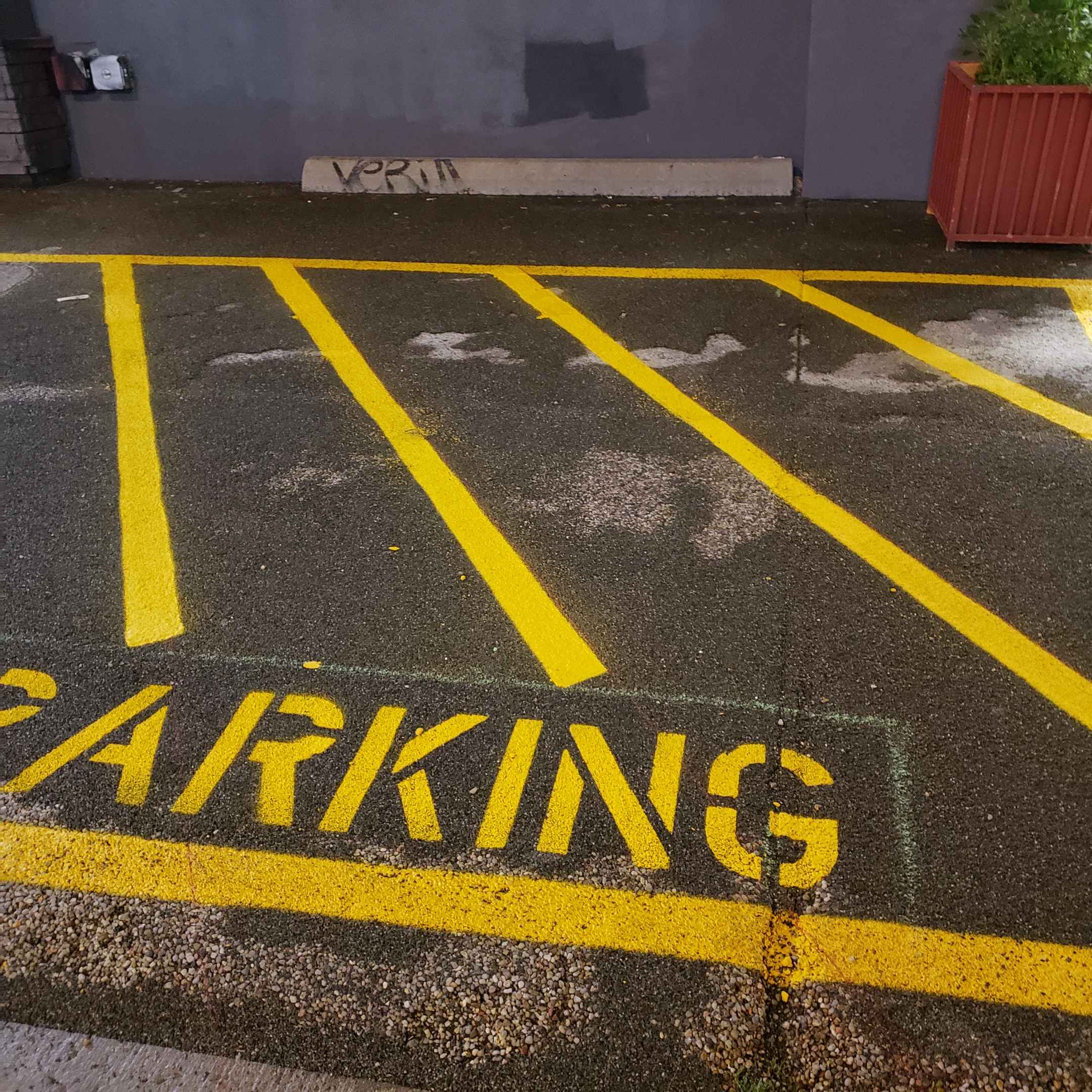
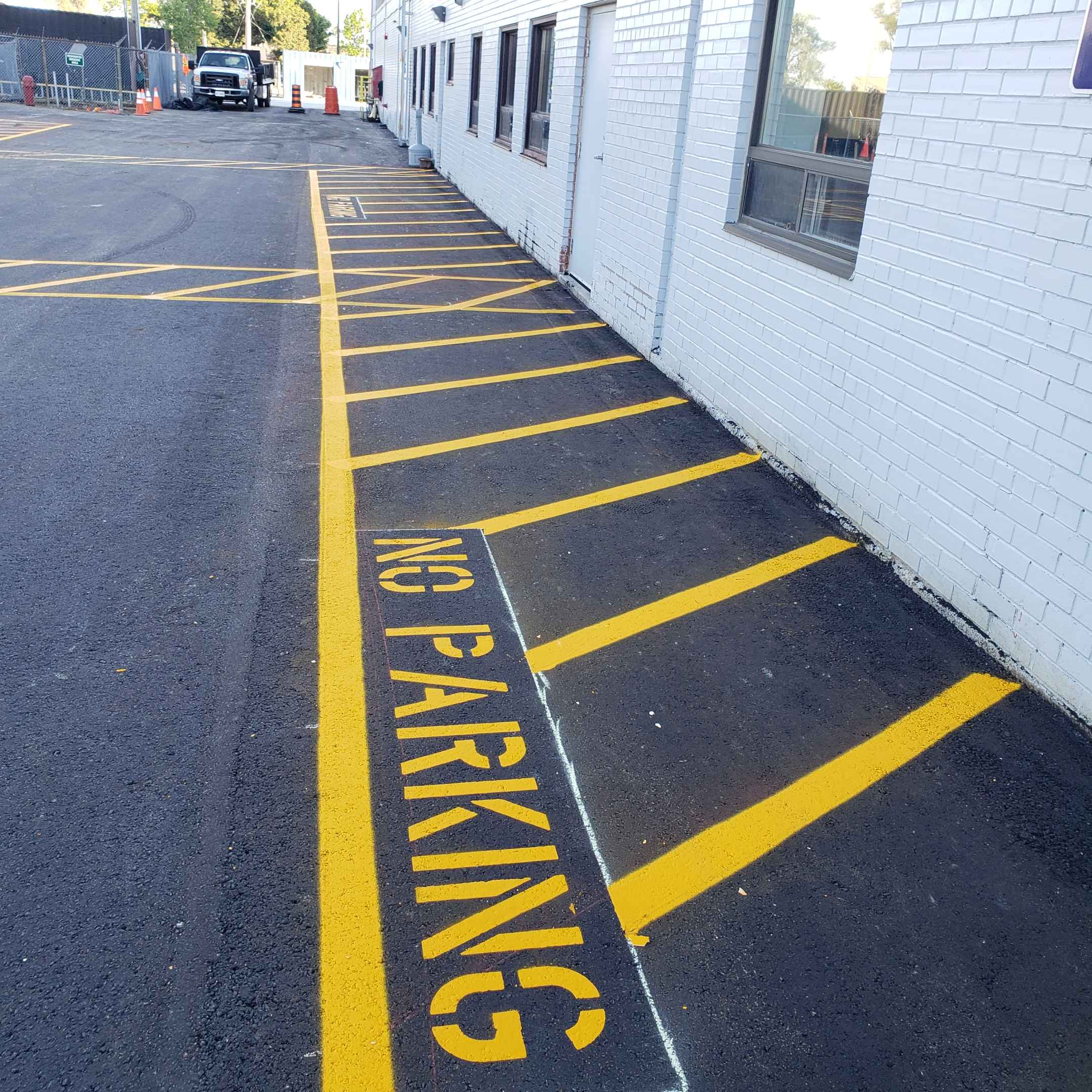
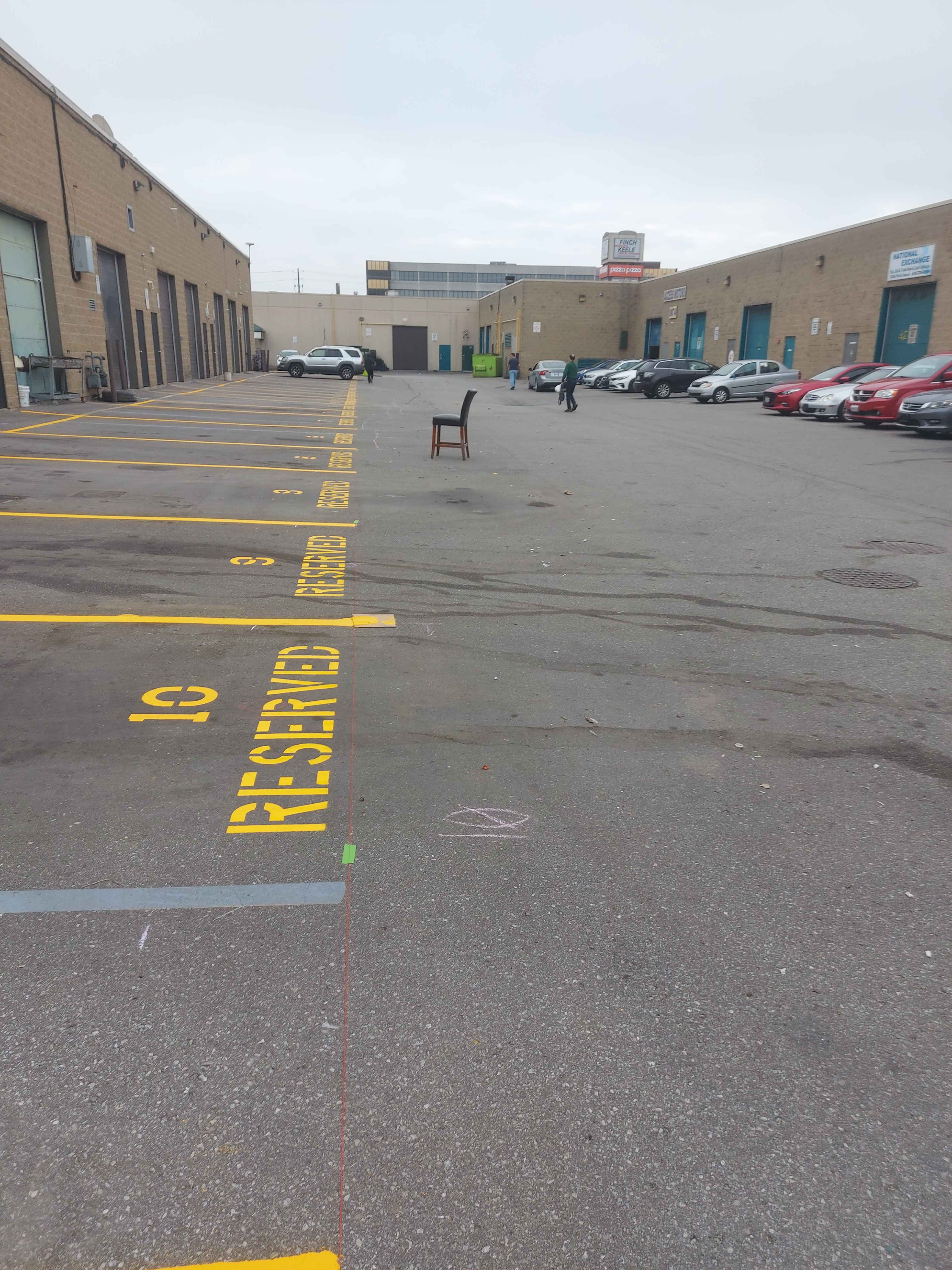
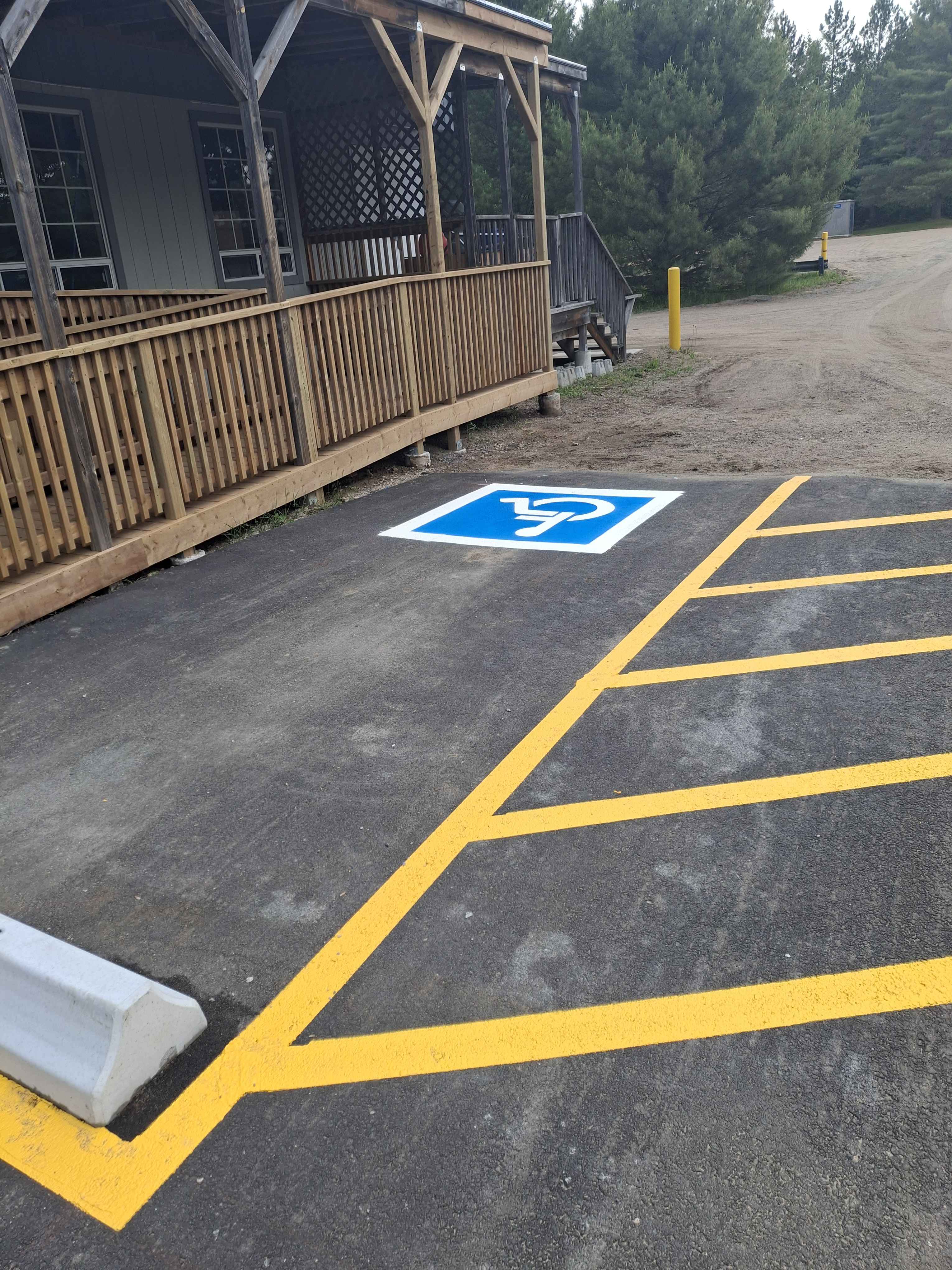
While addressing the structural health of your pavement, it is equally important to maintain the visual cues that guide traffic. A cracked and weathered lot often suffers from faded markings, which can lead to accidents and confusion. Integrating professional Line Marking or Line Painting into your maintenance schedule ensures that even as the asphalt ages, your parking lot remains organized and safe for customers.
Regularly refreshing your Line Painting not only improves curb appeal but also highlights the boundaries of repaired areas, signaling to drivers that the property is well-maintained.
Proactive Maintenance is Key
Don't wait for the lifecycle to reach its end. By working with experts like Capital Parking Lot Line Painting, you can implement a maintenance plan that includes crack filling, sealcoating, and fresh Line Marking to stop the lifecycle of decay in its tracks.