Understanding the Lifecycle of Asphalt Cracks
Every asphalt surface tells a story of environmental stress, traffic load, and the inevitable passage of time. Understanding how cracks evolve is the first step toward effective pavement management.
The Inevitability of Asphalt Deterioration
For property managers and business owners in Richmond Hill, a well-maintained parking lot is more than just a place to park cars; it is a reflection of professionalism and safety. However, no matter how high the quality of the initial installation, asphalt is a flexible pavement subject to constant movement. As the temperature fluctuates and heavy vehicles roll over the surface, the material undergoes stress that eventually manifests as cracks.
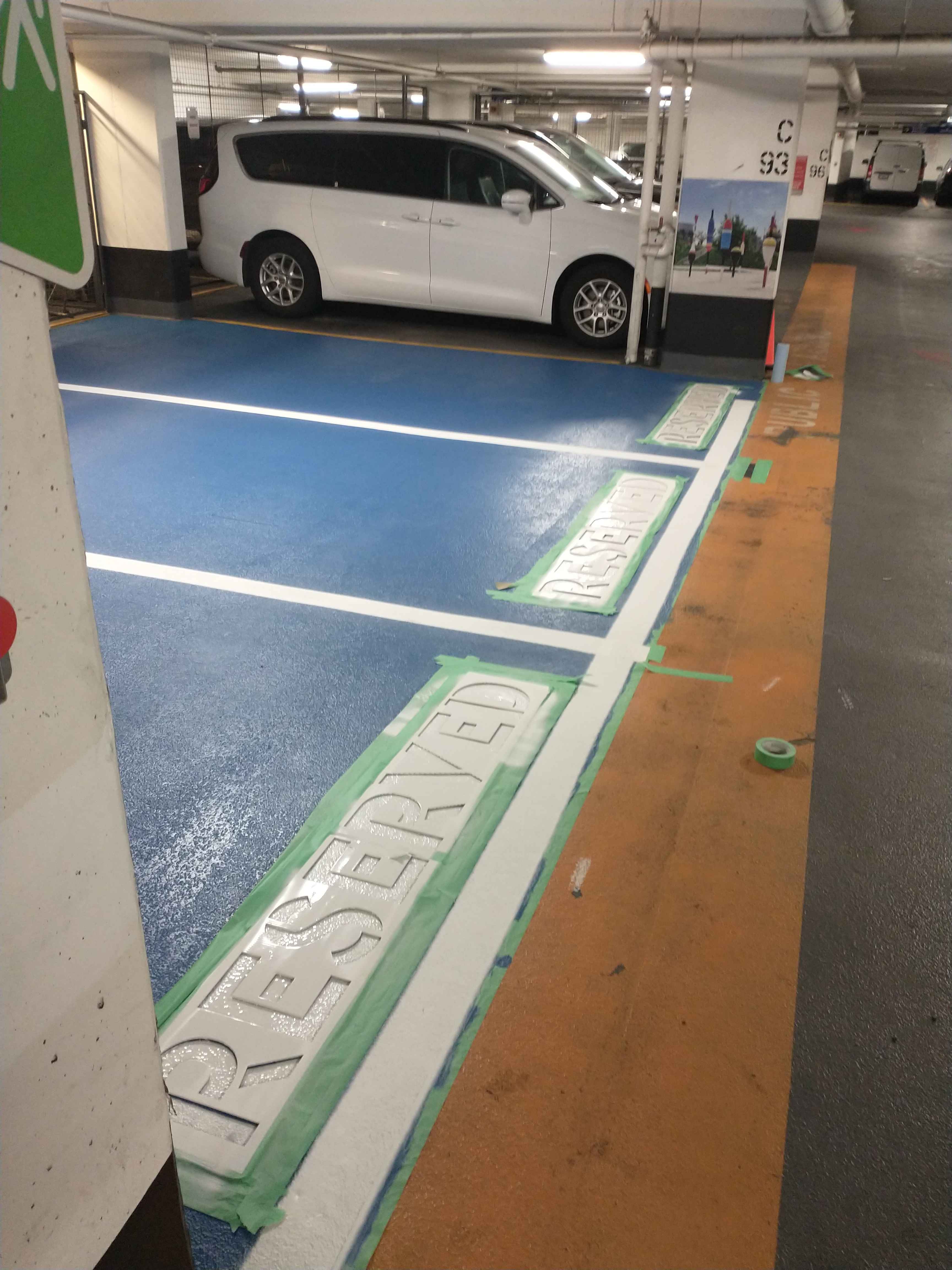
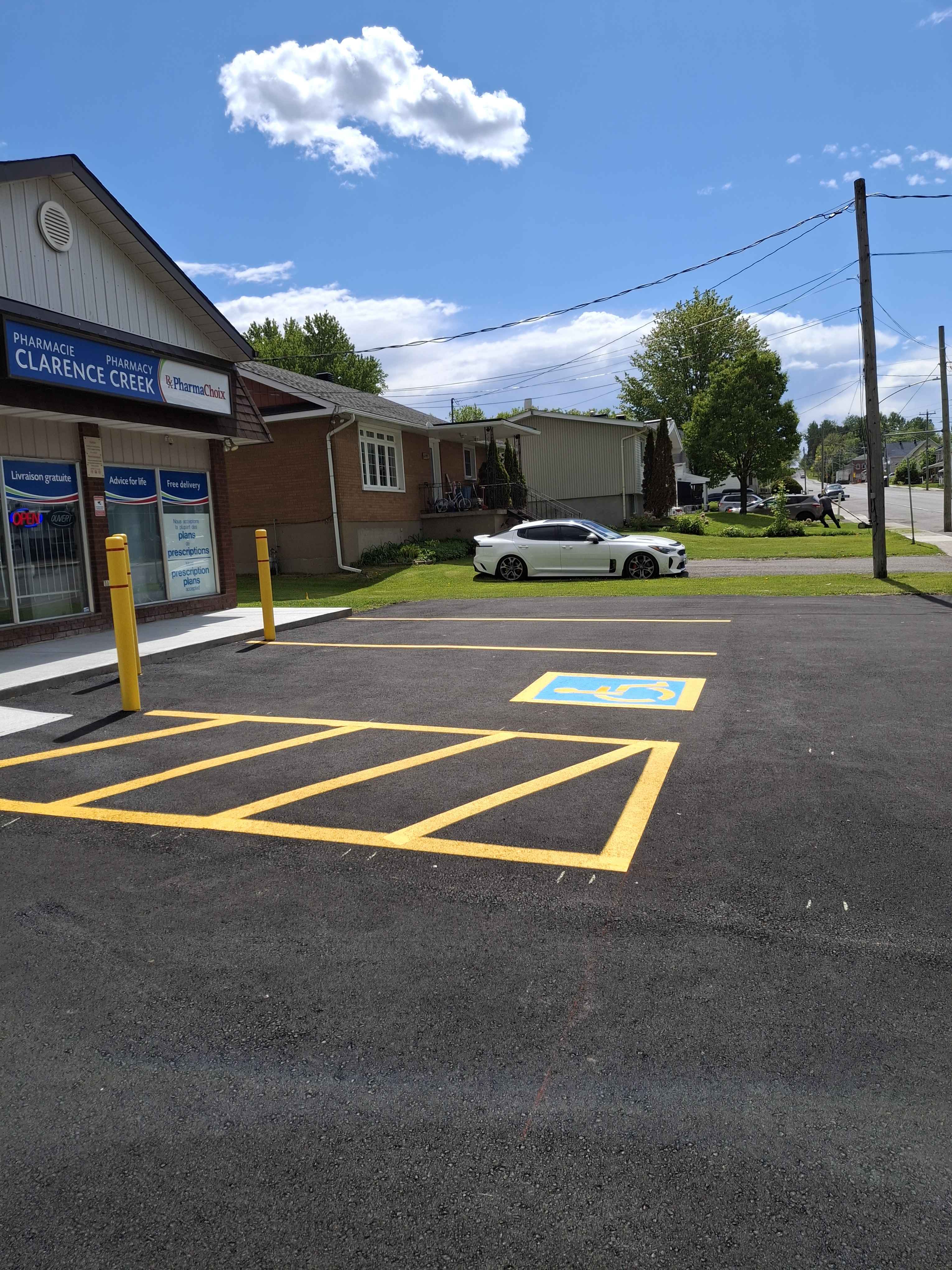
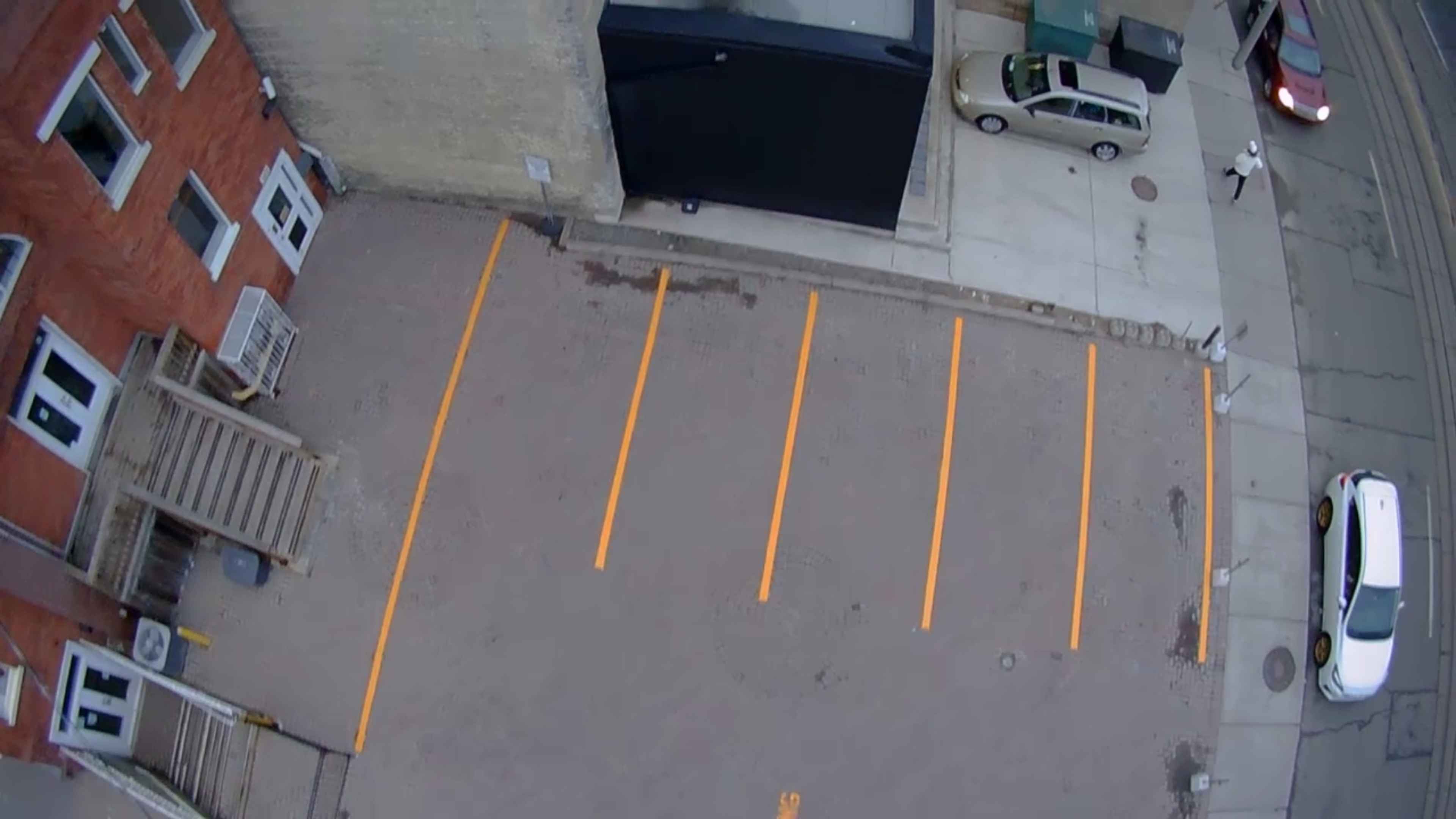
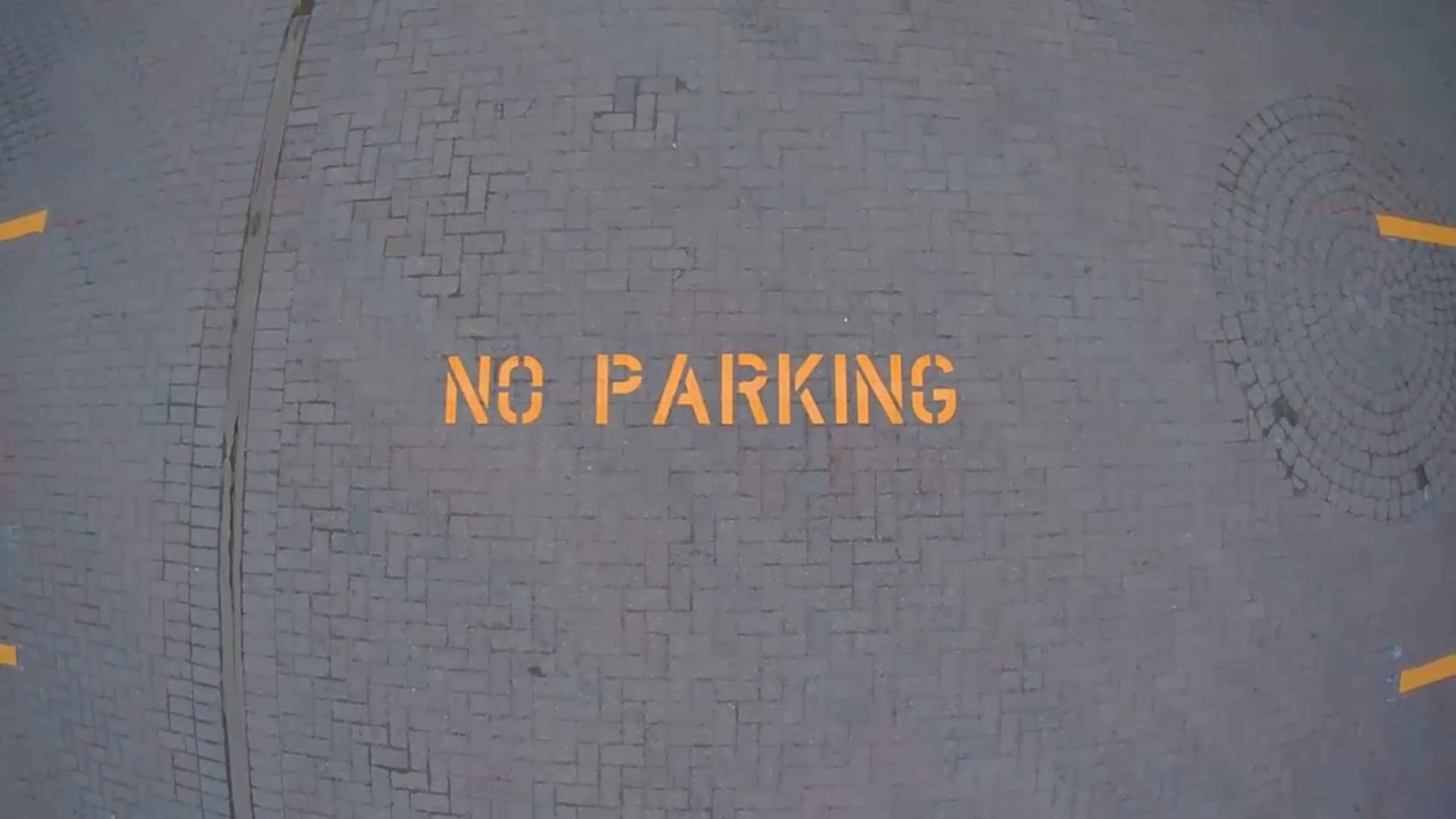
At Capital Parking Lot Line Painting, we have observed that the key to longevity isn't preventing cracks entirely—which is nearly impossible—but rather managing their lifecycle through timely intervention and professional Line Marking to ensure visibility remains high even as the surface ages.
Stage 1: The Emergence of Hairline Fractures
The lifecycle begins with what we call "micro-cracking." These are tiny, often barely visible fissures that appear on the surface. These are frequently caused by oxidation—a process where UV rays from the sun break down the chemical bonds in the asphalt binder, making it brittle.
During this stage, the asphalt is still structurally sound, but the protective seal is beginning to compromise. If you notice small, spiderweb-like patterns, this is the ideal time to consult with experts like Capital Parking Lot Line Painting to implement preventative measures before moisture can penetrate deeper.
Stage 2: Longitudinal and Transverse Cracking
As the micro-cracks expand, they begin to take on specific shapes. Longitudinal cracks run parallel to the direction of travel, often caused by poor subgrade compaction or temperature changes. Transverse cracks run perpendicular to the road, typically resulting from the expansion and contraction of the asphalt during seasonal shifts.
In a top 30 city like Richmond Hill, where seasonal freeze-thaw cycles are prominent, these cracks can widen rapidly. Once water enters these cracks and freezes, it expands, acting like a wedge that pushes the asphalt apart. This is a critical junction in the lifecycle where simple crack sealing becomes mandatory.
Stage 3: Alligator Cracking (Fatigue Failure)
Perhaps the most serious stage in the lifecycle is "Alligator Cracking." Named for its resemblance to the scales on an alligator's back, this type of cracking is a sign of structural failure. It occurs when the base or subgrade underneath the asphalt can no longer support the load of the traffic above.
When you see interconnected cracks forming a pattern of small, irregular polygons, the asphalt has lost its ability to distribute weight. At this point, surface-level treatments are often insufficient, and more significant structural repairs or a complete overlay may be required to restore the integrity of the lot.
Common Mistakes in Pavement Management
Many property owners attempt to manage cracks themselves, which often leads to accelerated deterioration. Avoid these common pitfalls:
- Ignoring small cracks: Small fissures are much easier to seal than large structural gaps.
- Using improper sealants: Using household-grade products instead of professional-grade asphalt rejuvenators.
- Neglecting Line Painting: Faded lines can lead to poor traffic flow and accidents, compounding the issues caused by physical cracks.
- Delayed Maintenance: Waiting for a pothole to form before taking action is often too late to prevent deep base damage.
The Role of Professional Maintenance
Managing the lifecycle of your asphalt requires a multi-faceted approach. It isn't just about fixing holes; it is about maintaining the entire visual and functional ecosystem of your parking area. This includes crack filling, sealcoating, and regular Line Painting to ensure safety and compliance with local regulations.
By partnering with Capital Parking Lot Line Painting, you ensure that your pavement receives specialized care tailored to the specific environmental demands of the Ontario climate. We help you transition from reactive repairs to a proactive maintenance schedule that protects your investment.
Ready to Protect Your Investment?
Don't wait for alligator cracking to compromise your property. Contact us today to schedule a professional assessment and keep your parking lot in peak condition.