What Causes Asphalt Cracks and How to Prevent Them
Maintaining a smooth, crack-free asphalt surface is essential for the safety and aesthetic appeal of any commercial or residential property. Understanding the science behind pavement deterioration is the first step toward long-term preservation.
Understanding the Root Causes of Asphalt Cracking
Asphalt is a flexible pavement, meaning it is designed to move slightly under pressure. However, when the stresses placed upon it exceed its structural capacity, cracks begin to form. For property owners in Burlington, these issues are often exacerbated by the unique local climate and heavy seasonal shifts.
1. Environmental and Weather Factors
The most common culprit for pavement failure is the freeze-thaw cycle. In Ontario, moisture seeps into small pores in the asphalt. When temperatures drop, this water freezes and expands, widening the gaps. When it thaws, it leaves behind a void, making the surface even more vulnerable to the next cycle. This process can quickly turn a hairline fracture into a significant pothole.
2. Oxidation and UV Exposure
Sunlight is a silent enemy of asphalt. Over time, ultraviolet (UV) rays cause oxidation, a chemical reaction that removes the oils that keep asphalt flexible. As the binder dries out, the pavement becomes brittle. Brittle asphalt cannot handle the natural expansion and contraction of the ground, leading to "alligator cracking"—a pattern that looks much like reptile skin.
3. Structural and Traffic Loads
If a parking lot was not designed to handle the specific weight of the vehicles using it, structural cracks are inevitable. Heavy delivery trucks or high volumes of traffic can cause subgrade failure. When the foundation beneath the asphalt shifts or compresses, the surface layer will inevitably snap.
Common Types of Asphalt Cracks
- Alligator Cracking: Small, interconnected cracks caused by fatigue or structural failure.
- Transverse Cracking: Cracks that run perpendicular to the direction of travel, often caused by temperature changes.
- Longitudinal Cracking: Cracks that run parallel to the direction of travel, often due to poor joint construction.
- Block Cracking: Large, rectangular cracks caused by long-term oxidation and aging.
Proactive Prevention Strategies
The best way to manage asphalt is to prevent damage before it becomes a costly structural issue. Capital Parking Lot Line Painting recommends a proactive approach to pavement management to ensure your property remains functional and visually striking.
Regular Sealcoating
Sealcoating acts as a protective barrier against water, oil, and UV rays. By applying a high-quality sealant, you replenish the surface and prevent the oxidation process from making the asphalt brittle. This is one of the most cost-effective ways to extend the life of your pavement in Burlington.
Crack Filling and Sealing
Never ignore a small crack. Once a crack is deep enough to allow water to reach the subgrade, the repair becomes significantly more complex. Filling cracks early prevents the freeze-thaw cycle from doing its worst. Professional services like Capital Parking Lot Line Painting can identify these vulnerabilities during routine inspections.
Professional Line Marking and Maintenance
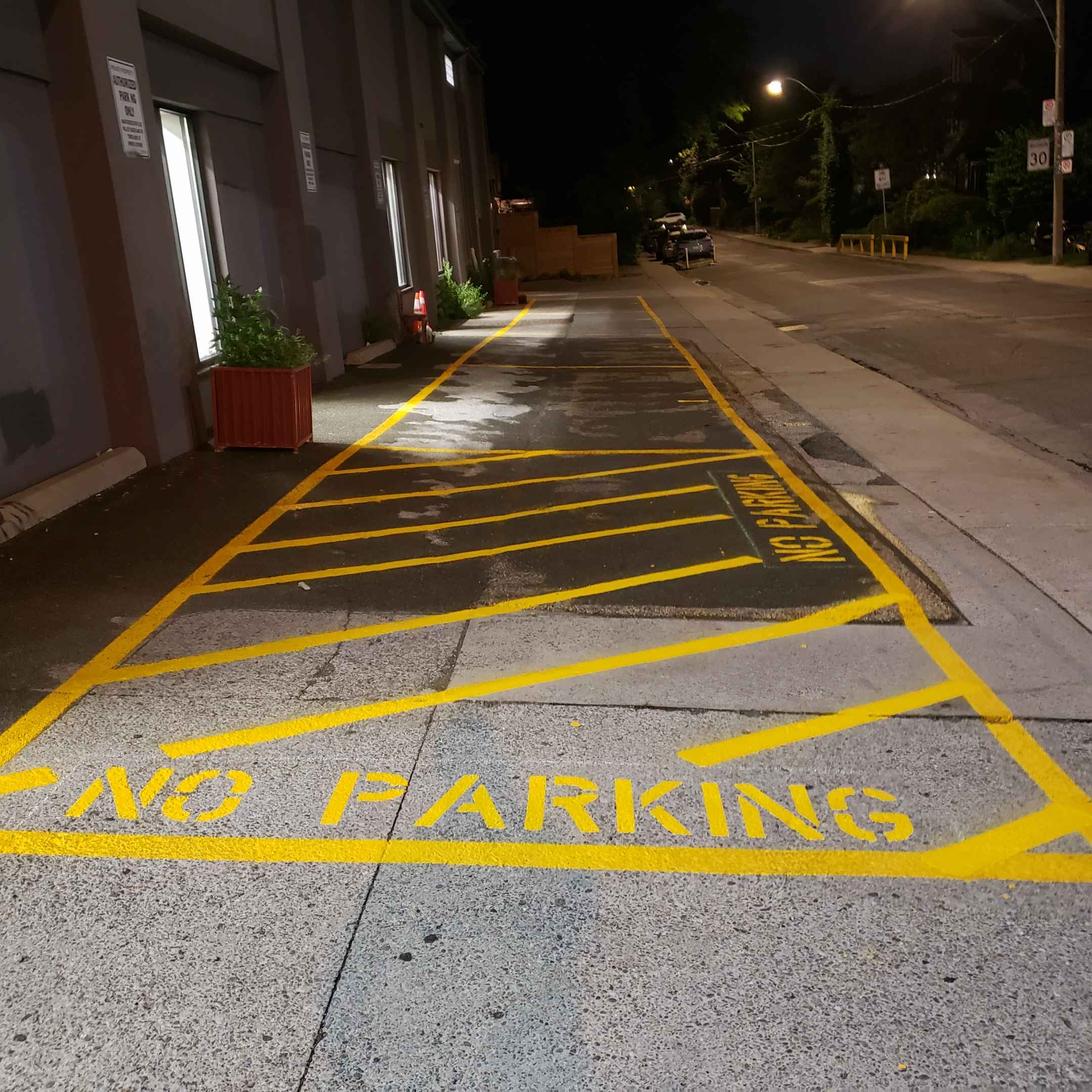
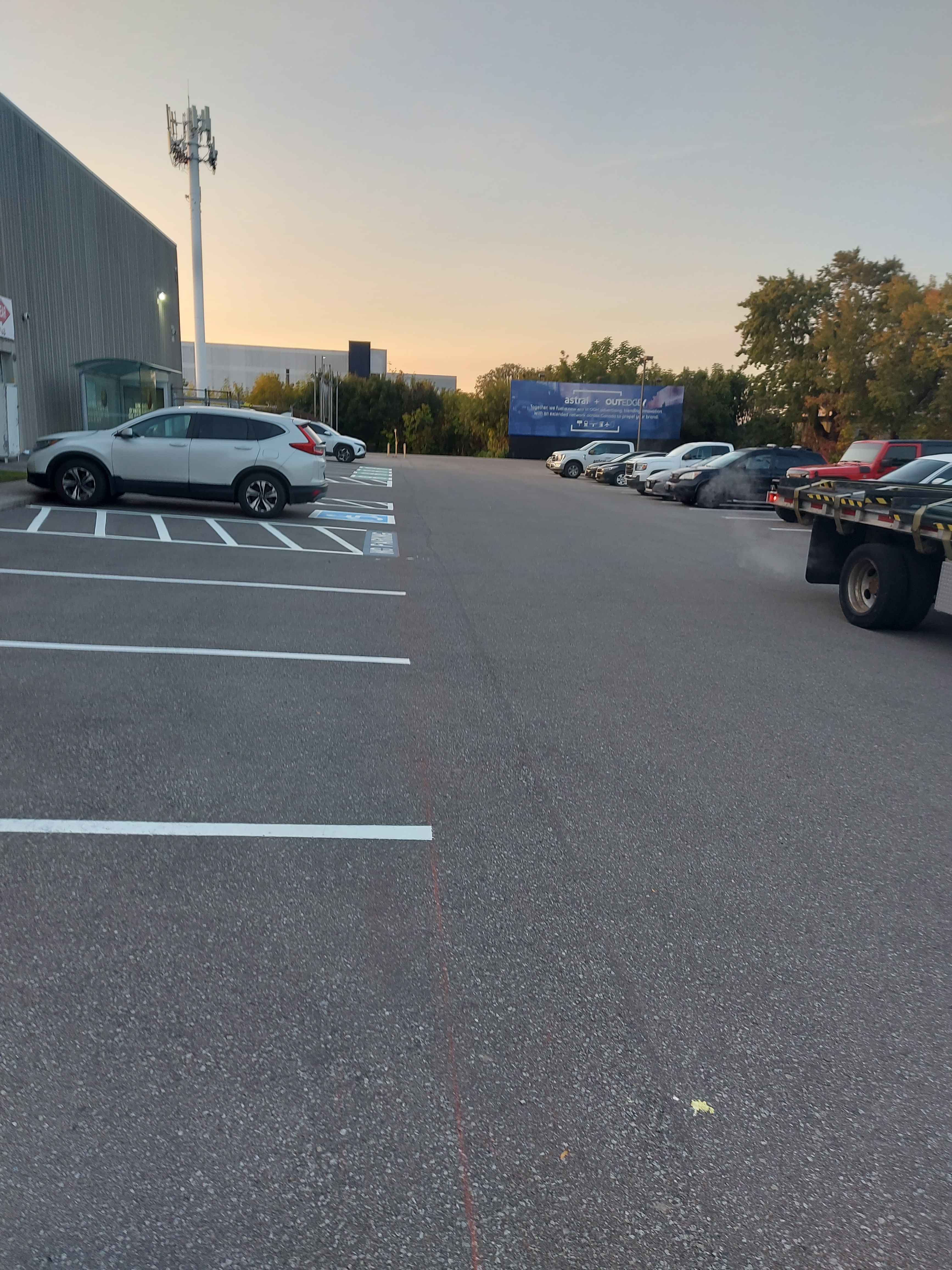
While it may seem unrelated to structural integrity, regular Line Marking is vital for safety and traffic flow. Clear, visible lines prevent vehicles from drifting into damaged areas or driving over curb edges, which can contribute to edge cracking. Keeping your markings crisp with professional Line Painting ensures your lot looks well-maintained, which indirectly prevents the neglect that leads to rapid deterioration.
Expert Care for Your Property
At Capital Parking Lot Line Painting, we specialize in comprehensive asphalt care. From structural integrity to aesthetic precision, our team ensures your parking lot stands the test of time and weather.
Summary of Best Practices
To keep your asphalt in peak condition, follow these essential maintenance steps:
- Schedule annual inspections to catch small cracks early.
- Apply sealant every 3 to 5 years depending on traffic volume.
- Ensure proper drainage to prevent water pooling.
- Refresh your Line Painting regularly to maintain safety standards.
- Avoid heavy machinery on surfaces not rated for high loads.