What Causes Asphalt Cracks and How to Prevent Them
Understanding the science behind pavement deterioration is the first step toward long-term property maintenance and cost-effective repairs.
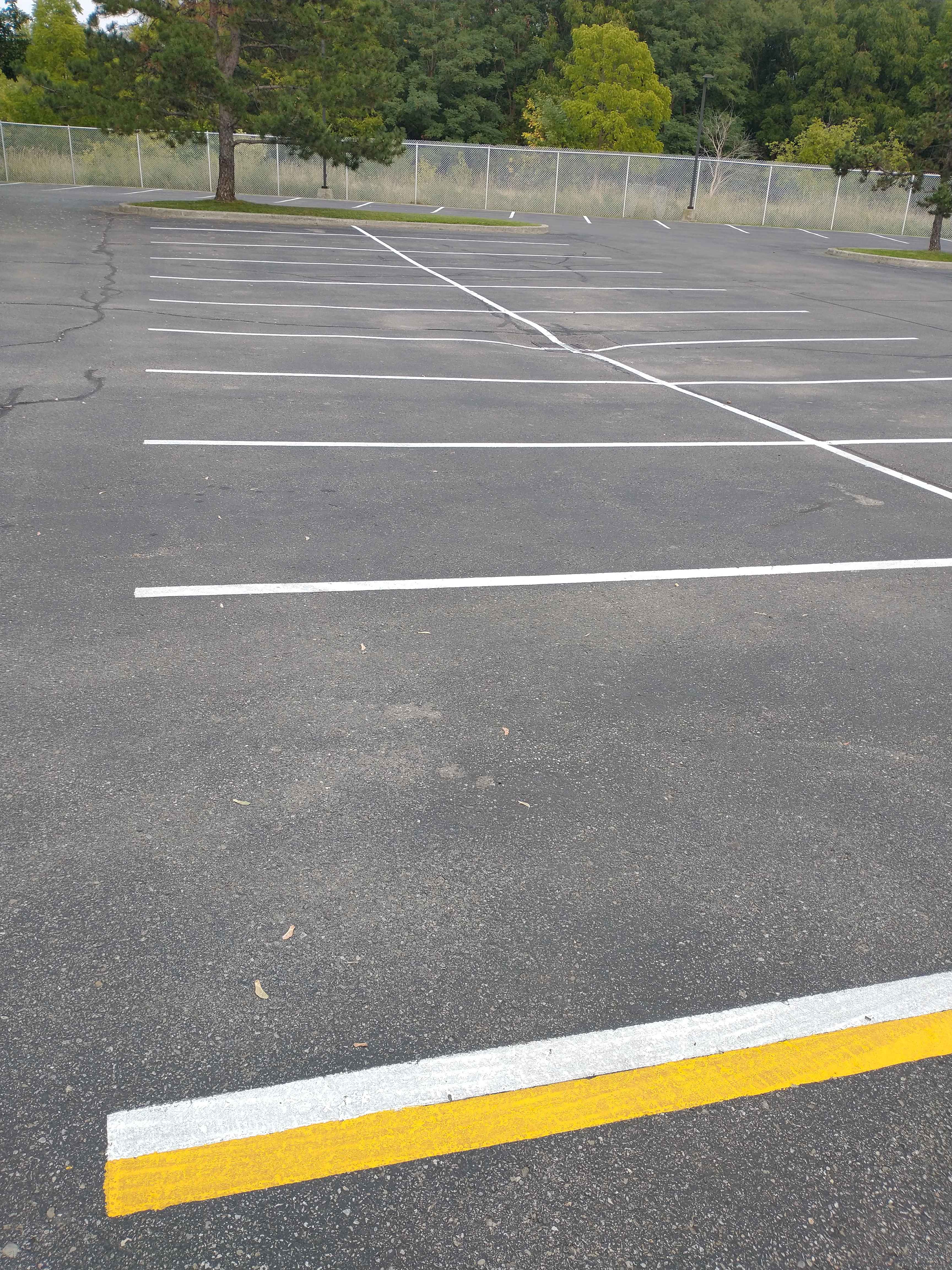
An asphalt parking lot or driveway is more than just a surface; it is a significant investment for any property owner. However, whether you manage a commercial complex in Windsor or a private residential driveway, you have likely noticed the inevitable appearance of cracks over time. While some cracking is a natural part of the aging process, ignoring it can lead to catastrophic structural failure.
At Capital Parking Lot Line Painting, we see firsthand how small fissures can evolve into massive potholes if not addressed promptly. In this guide, we will explore the biological and environmental drivers of asphalt decay and provide actionable steps to keep your surfaces smooth and safe.
Common Causes of Asphalt Cracking
Asphalt is a flexible pavement, meaning it is designed to expand and contract. When the stresses placed upon it exceed its ability to flex, cracks form. Here are the most common culprits:
1. Environmental Extremes and Temperature Fluctuations
In regions like Windsor, our pavement endures intense seasonal shifts. The cycle of extreme heat in the summer followed by freezing temperatures in the winter is devastating. When water seeps into tiny pores and freezes, it expands, creating internal pressure that widens the cracks—a process known as the freeze-thaw cycle.
2. Oxidation and UV Exposure
The sun is a silent enemy of asphalt. Ultraviolet (UV) rays cause a chemical reaction called oxidation, which strips the oils from the asphalt binder. As the binder loses its flexibility, the asphalt becomes brittle, leading to "alligator cracking," which looks like the scales of a reptile.
3. Subgrade Failure and Poor Drainage
If the ground beneath your asphalt (the subgrade) is unstable or saturated with water, the surface will eventually shift. Poor drainage causes water to pool, weakening the foundation and causing the asphalt to sink or crack under pressure.
4. Heavy Traffic Loads and Overloading
Repeated heavy loads, such as delivery trucks or heavy machinery, put immense stress on the pavement. If the asphalt was not designed for such high-frequency or high-weight traffic, structural cracks will inevitably appear.
Proactive Prevention Strategies
The best way to manage asphalt is to prevent damage before it becomes a structural issue. Capital Parking Lot Line Painting recommends a multi-tiered approach to maintenance:
- Regular Sealcoating: Applying a protective layer helps prevent oxidation and keeps moisture out.
- Crack Filling: Sealing small cracks as soon as they appear prevents water from reaching the subgrade.
- Optimized Drainage: Ensure that water flows away from the pavement through proper grading and gutter maintenance.
- Routine Line Marking: Keeping your Line Marking fresh ensures safety and helps identify areas of wear early.
- Weight Management: Restrict heavy vehicle access to areas not specifically reinforced for high loads.
The Importance of Professional Maintenance
While DIY solutions exist, professional intervention ensures that the materials used are compatible with your specific asphalt type and local climate. A professional team doesn't just patch holes; they assess the health of your entire lot.
Beyond structural repairs, aesthetic maintenance is vital for property value and safety. For instance, professional Line Painting is essential for directing traffic flow and ensuring compliance with local regulations. Capital Parking Lot Line Painting specializes in providing comprehensive services that address both the structural integrity and the visual clarity of your pavement.
Don't Wait for the Potholes to Form
Small cracks are warnings. If you ignore them, you are essentially inviting more expensive repairs in the future. By investing in preventative maintenance now, you save significant resources down the road.