What Causes Asphalt Cracks and How to Prevent Them
Understanding the science of pavement degradation is the first step toward long-term durability and safety.
A well-maintained parking lot is more than just a place to park cars; it is the first impression your business makes on every client and visitor. However, even the most robust asphalt surfaces are susceptible to the passage of time and the elements. If you have noticed small fissures or large gaps forming in your pavement, you aren't alone. In growing areas like Sarnia, a top 30 city in Ontario, the combination of heavy traffic and seasonal weather shifts can take a significant toll on asphalt integrity.
At Capital Parking Lot Line Painting, we see firsthand how neglected cracks can quickly escalate into costly structural failures. Understanding why these cracks occur is essential for any property manager looking to protect their investment.
Common Causes of Asphalt Cracking
Asphalt is a flexible pavement, meaning it is designed to move slightly under load. However, when certain stressors exceed its capacity, cracks become inevitable. Here are the most common culprits:
1. Environmental and Weather Fluctuations
In Ontario, the freeze-thaw cycle is one of the most aggressive enemies of asphalt. When water seeps into tiny pores in the pavement and freezes, it expands. This expansion exerts tremendous pressure from within, widening existing gaps and creating new ones. This cycle, repeated dozens of times a year, can turn a minor surface crack into a significant pothole.
2. Oxidation and UV Exposure
Asphalt is held together by a binder known as bitumen. Over time, exposure to ultraviolet (UV) rays from the sun causes the bitumen to oxidize. As it oxidizes, the asphalt loses its flexibility and becomes brittle. Brittle asphalt cannot handle the weight of vehicles, leading to "alligator cracking"—a pattern that resembles the skin of a reptile.
3. Subgrade Failure and Poor Drainage
The strength of your asphalt is only as good as the ground beneath it. If the subgrade (the soil and base layers) is not properly compacted or if it becomes saturated with water due to poor drainage, the asphalt will shift and crack. Standing water is a primary indicator that your lot needs professional attention.
Proactive Prevention Strategies
The key to a long-lasting parking lot is not waiting for a crisis to occur. Instead, implement a preventative maintenance schedule. Capital Parking Lot Line Painting recommends the following steps to extend the life of your pavement:
- Regular Crack Sealing: Filling small cracks as soon as they appear prevents water from reaching the subgrade.
- Sealcoating: Applying a protective sealant acts as a barrier against UV rays and oxidation.
- Optimizing Drainage: Ensure that water flows away from the pavement to prevent pooling.
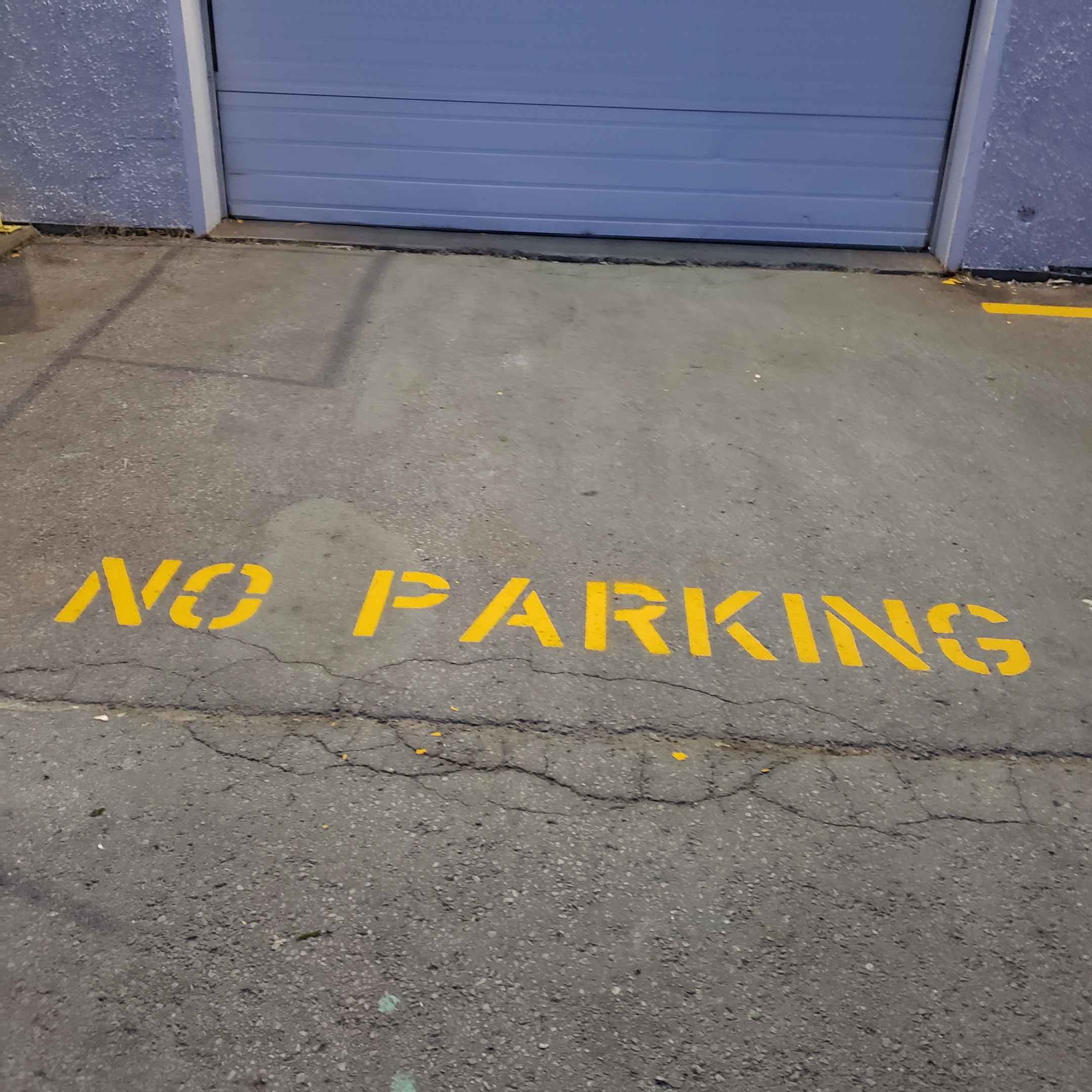
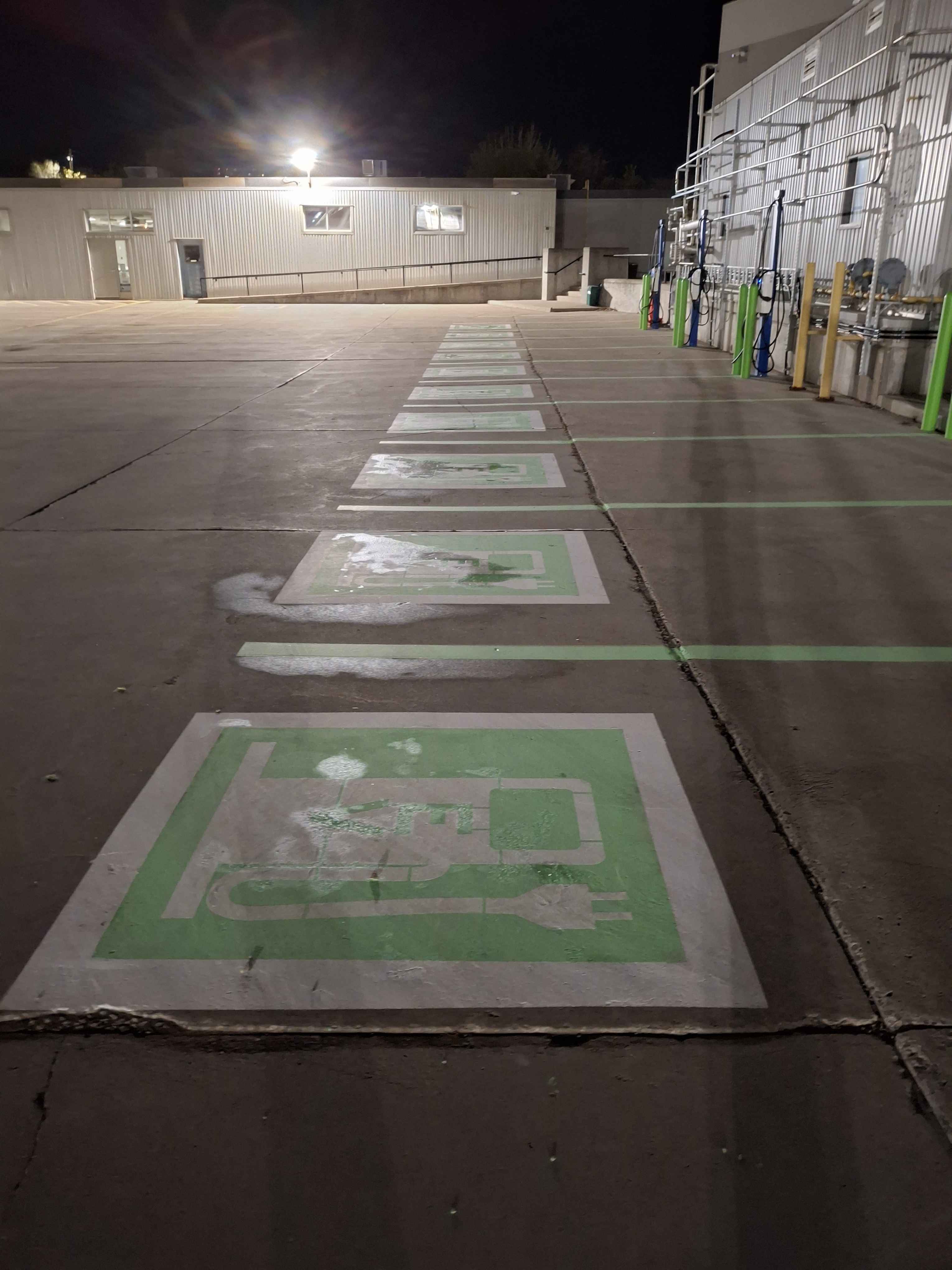
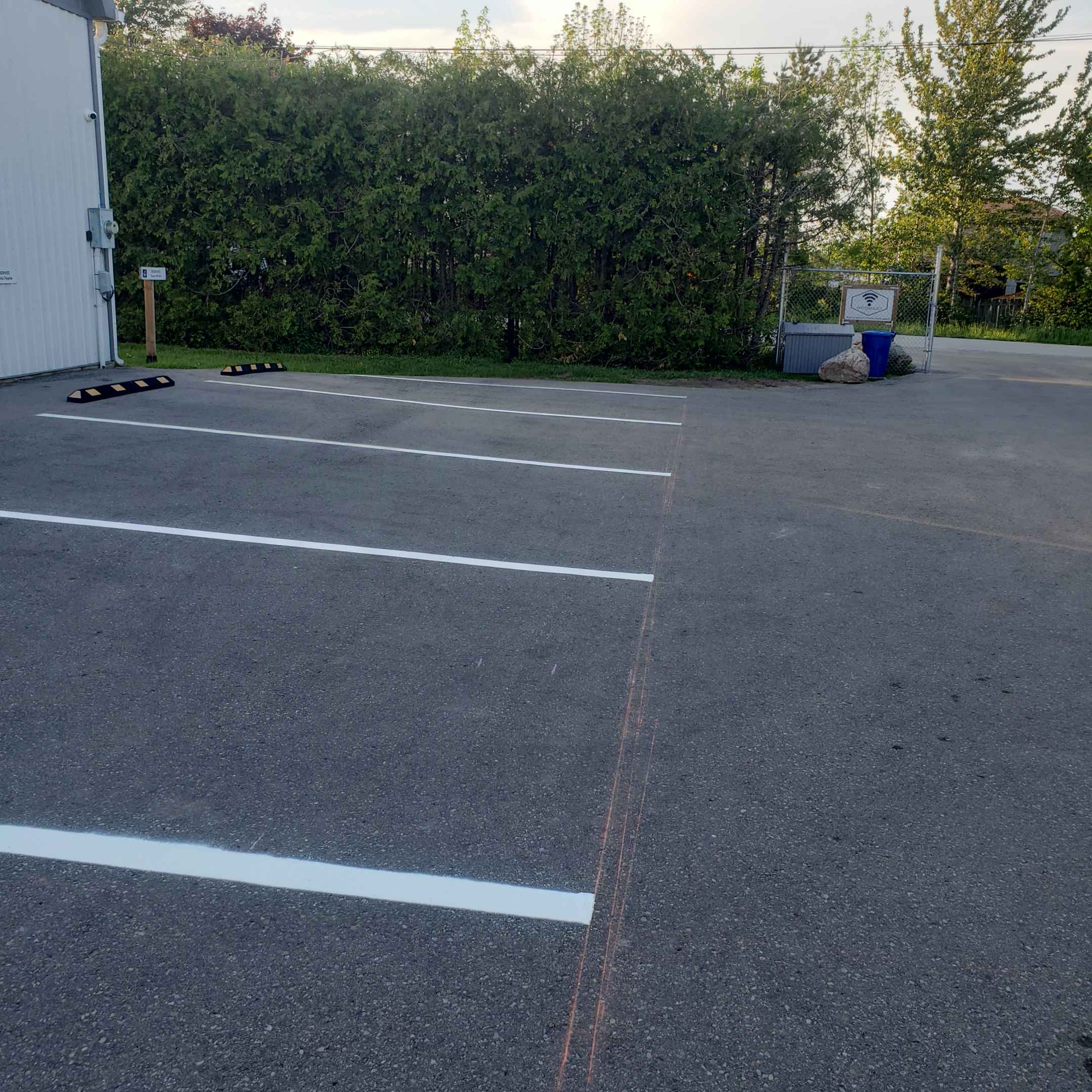
- Routine Line Marking: Keeping your Line Marking fresh ensures safety and helps define traffic patterns that reduce heavy braking in sensitive areas.
- Weight Management: Avoid allowing heavy construction equipment to traverse areas not designed for high-tonnage loads.
The Importance of Professional Maintenance
While DIY solutions might seem tempting, professional-grade materials and techniques are required for lasting results. For example, when performing Line Painting, using high-quality, weather-resistant coatings ensures that your markings remain visible through the harsh winters in Sarnia.
A professional team like Capital Parking Lot Line Painting doesn't just cover up problems; we diagnose the root cause. Whether you need a simple sealcoat or a complete resurfacing, addressing the issue early saves significant resources in the long run.
Don't Wait for the Damage to Spread
Small cracks are a warning sign. Ignoring them leads to structural degradation that can compromise the safety of your customers and the longevity of your property. Contact Capital Parking Lot Line Painting today to schedule an inspection and keep your pavement in peak condition.