What Causes Cracks to Reappear After They’re Filled?
It is one of the most frustrating experiences for property owners: you invest in professional crack repair, only to see those same fissures splitting wide open just a few months later.
Maintaining an asphalt surface—whether it is a commercial parking lot or a residential driveway—is a continuous battle against the elements. In a top 30 city in Ontario like North Bay, the seasonal shifts are particularly aggressive. When cracks reappear shortly after a repair attempt, it is rarely a matter of bad luck. Instead, it is usually a symptom of deeper, systemic issues that a simple surface-level patch cannot fix.
At Capital Parking Lot Line Painting, we see this phenomenon frequently. Understanding why these cracks recur is the first step toward implementing a maintenance strategy that actually lasts.
The Primary Culprits Behind Recurring Cracks
To fix a problem, you must first diagnose it. Cracks typically return due to one of three main categories: structural instability, environmental factors, or improper application methods.
1. Subgrade and Structural Failure
The most common reason for recurring cracks is that the problem isn't in the asphalt, but underneath it. Asphalt is a flexible pavement that relies on a stable base (the subgrade) to distribute weight. If the soil beneath the asphalt is shifting, sinking, or eroding, the asphalt will crack to accommodate that movement. No matter how much filler you apply, the movement of the earth will eventually break the seal.
2. Thermal Expansion and Contraction
In regions like North Bay, the temperature swings between freezing winters and hot summers are extreme. Asphalt expands when it gets warm and contracts when it gets cold. If the crack filler used is too rigid, it cannot move with the pavement. When the asphalt contracts during a cold snap, the rigid filler snaps, leaving the crack wide open once again.
3. Improper Cleaning and Preparation
For a crack filler to bond, the crack must be surgically clean. If dust, debris, or moisture is trapped inside the crack during the filling process, the sealant will fail to adhere to the sidewalls. This creates a hollow pocket where the filler can easily pop out or crumble.
Common Mistakes in Asphalt Maintenance
Many property owners attempt "DIY" fixes or hire low-quality contractors who use incorrect materials. Here are the most common mistakes we observe:
- Using low-grade, liquid-based sealants instead of hot-applied rubberized asphalt.
- Filling cracks that are too wide for standard crack-filling equipment (these require patching).
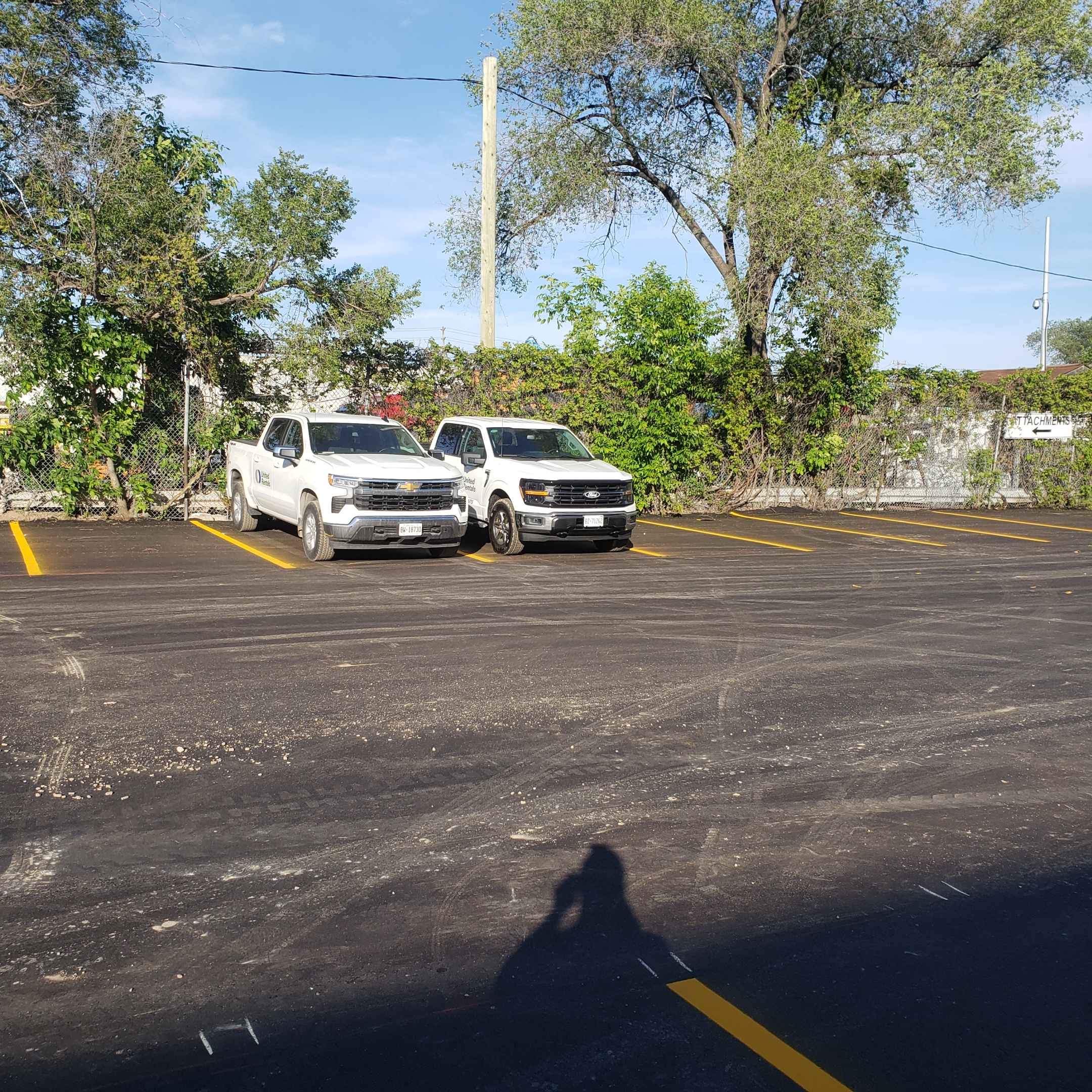
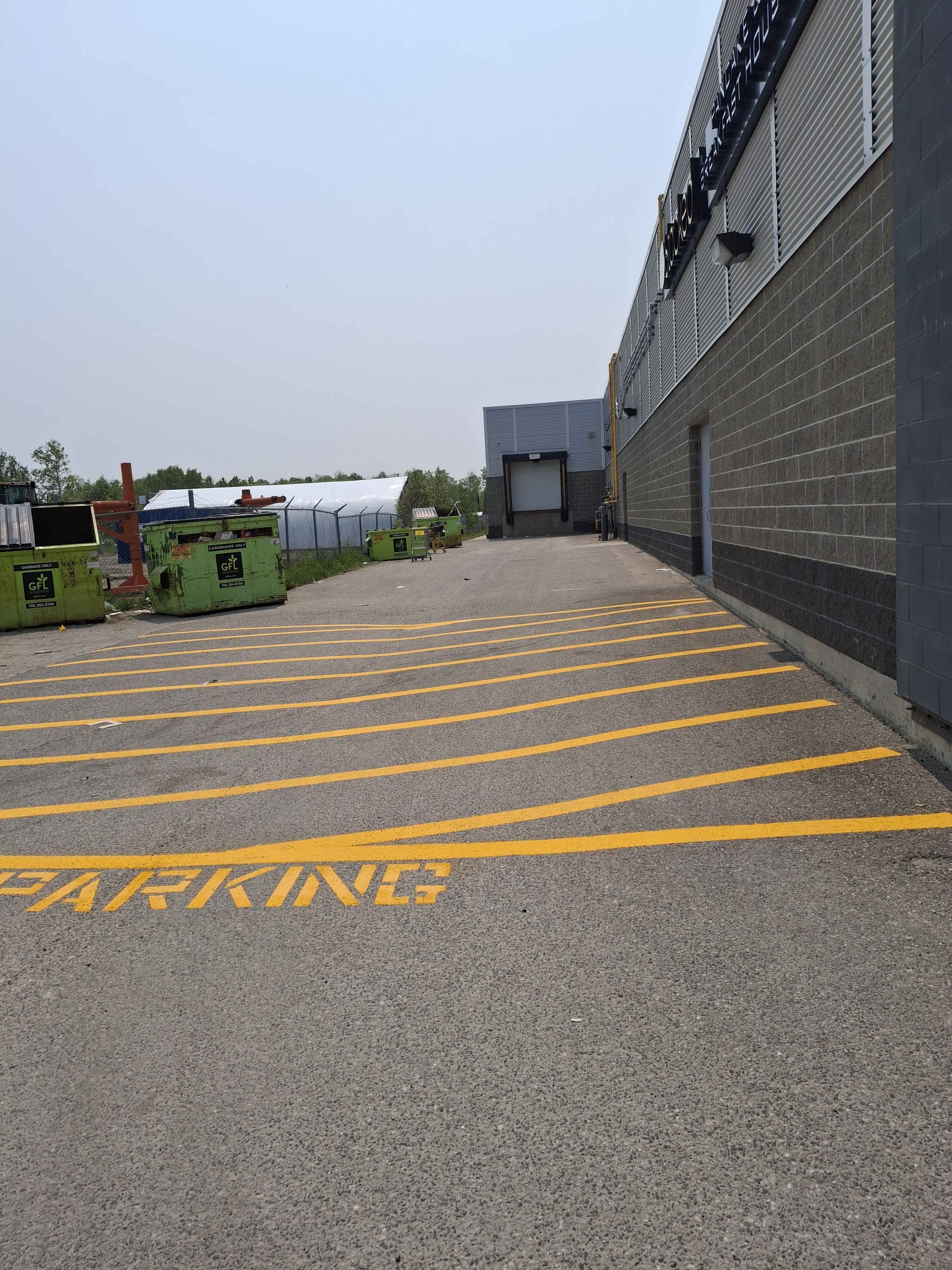
- Neglecting to perform Line Painting or Line Marking, which helps define traffic flow and prevents vehicles from driving over weakened edges.
- Applying sealant during improper weather conditions, such as when rain is imminent or the ground is too cold.
- Ignoring the "root cause," such as poor drainage that saturates the subgrade.
How to Break the Cycle of Constant Repair
Breaking the cycle requires moving away from "band-aid" solutions and toward comprehensive pavement management. Capital Parking Lot Line Painting recommends a proactive approach rather than a reactive one.
Professional Assessment
A professional crew can distinguish between a surface crack (which can be filled) and a structural crack (which may require more intensive stabilization). This prevents you from wasting resources on repairs that are destined to fail.
High-Quality Materials
Using hot-applied rubberized crack sealant is vital. Unlike cold-applied products, hot-applied materials bond deeply with the asphalt edges and possess the elasticity required to survive Ontario's harsh freeze-thaw cycles.
Comprehensive Maintenance
Regular maintenance should include more than just crack filling. It should involve periodic sealcoating to prevent oxidation and professional Line Marking to ensure your lot remains safe and organized. A well-maintained lot is a durable lot.
Ready to Protect Your Investment?
Don't let small cracks turn into expensive reconstruction projects. At Capital Parking Lot Line Painting, we specialize in identifying the true cause of your pavement issues and providing solutions that stand the test of time.