What Causes Cracks to Reappear After They’re Filled?
It is one of the most frustrating experiences for property managers and business owners: you invest in professional crack filling, only to see those same dark lines resurfacing just a few months later.
The Illusion of a Permanent Fix
When you see a technician applying a hot-pour sealant to an asphalt fissure, it looks like a permanent solution. The material fills the void, hardens, and creates a smooth surface. However, crack filling is often a preventative maintenance step rather than a structural cure. If the underlying reason for the crack isn't addressed, the pavement will continue to move, eventually breaking the new seal.
At Capital Parking Lot Line Painting, we see this frequently. Property owners often mistake a cosmetic fix for a structural one. To truly protect your investment, you must understand the forces working against your pavement.
Primary Causes of Recurring Cracks
1. Thermal Expansion and Contraction
In regions like Kingston, the weather is a primary antagonist. Ontario experiences extreme temperature swings between scorching summers and freezing winters. Asphalt is a flexible material, but it has limits. As the ground freezes and thaws, and as the asphalt itself expands in the heat and contracts in the cold, the tension can pull apart even the most recent repairs.
2. Subgrade Instability
The most common reason for recurring cracks is what lies beneath the surface. Asphalt is only as strong as the base it sits on. If the soil or gravel subgrade was improperly compacted during construction, or if water has seeped underneath and eroded the base, the ground will shift. No amount of surface sealant can stop a crack caused by a sinking foundation.
3. Water Infiltration and Hydrostatic Pressure
Water is the enemy of asphalt. When water enters a small crack and then freezes, it expands with incredible force—a process known as frost heave. This internal pressure widens the crack from the inside out. If the water isn't properly diverted away from the parking lot, the cycle of destruction continues indefinitely.
Common Mistakes in the Repair Process
Sometimes, the reappearance of a crack is due to how the repair was executed. Even professional-grade materials can fail if the application process is flawed. Here are some common mistakes to watch out for:
- Improper Cleaning: Applying sealant over dirt, oil, or loose debris prevents the material from bonding to the asphalt.
- Using the Wrong Material: Not all sealants are created equal. Using a cold-pour material for a large, high-traffic crack often leads to premature failure.
- Ignoring the Root Cause: Filling a crack that is actually a sign of a deep structural failure is a temporary band-aid.
- Poor Timing: Attempting repairs during improper temperature windows can prevent the sealant from curing correctly.
Professional Maintenance Matters
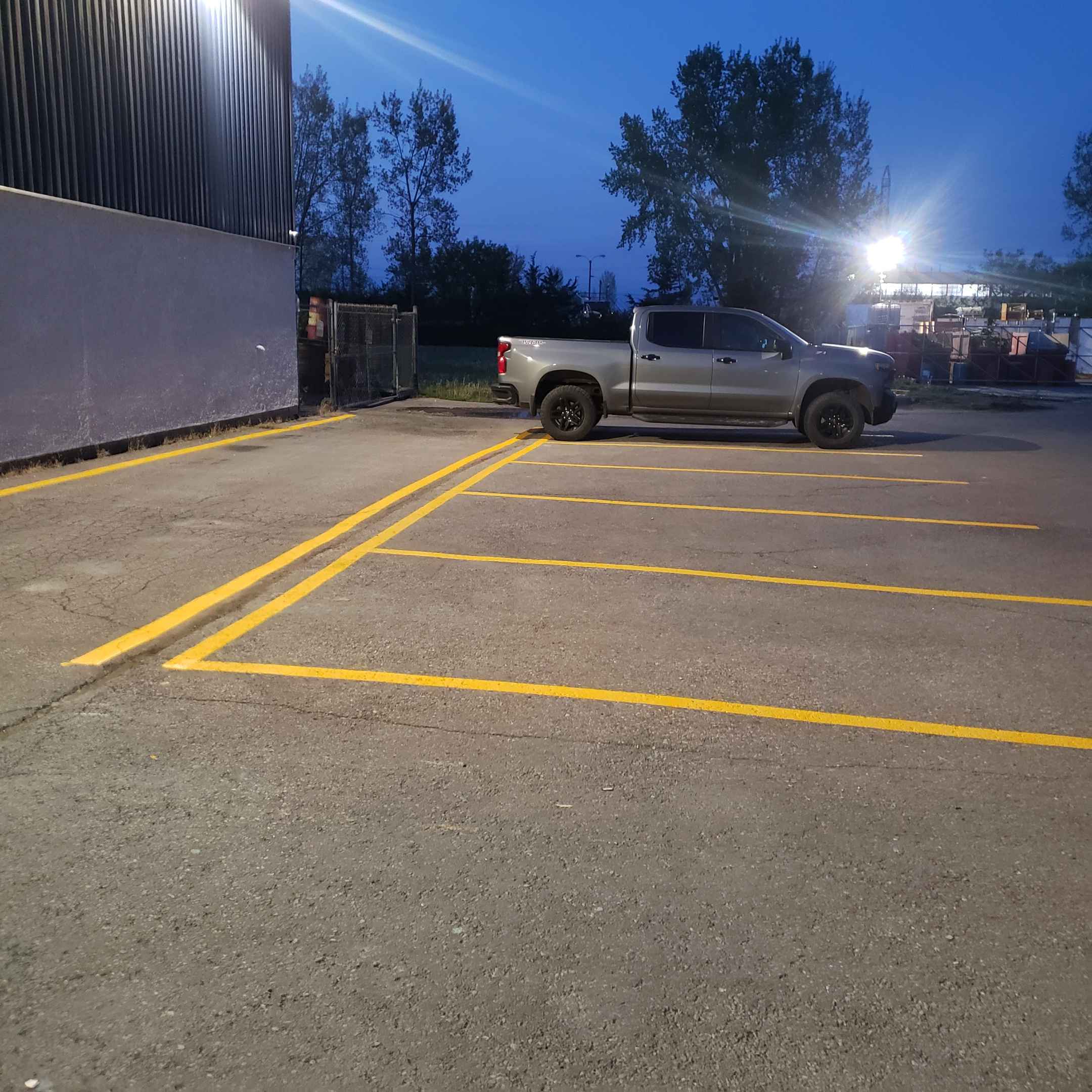
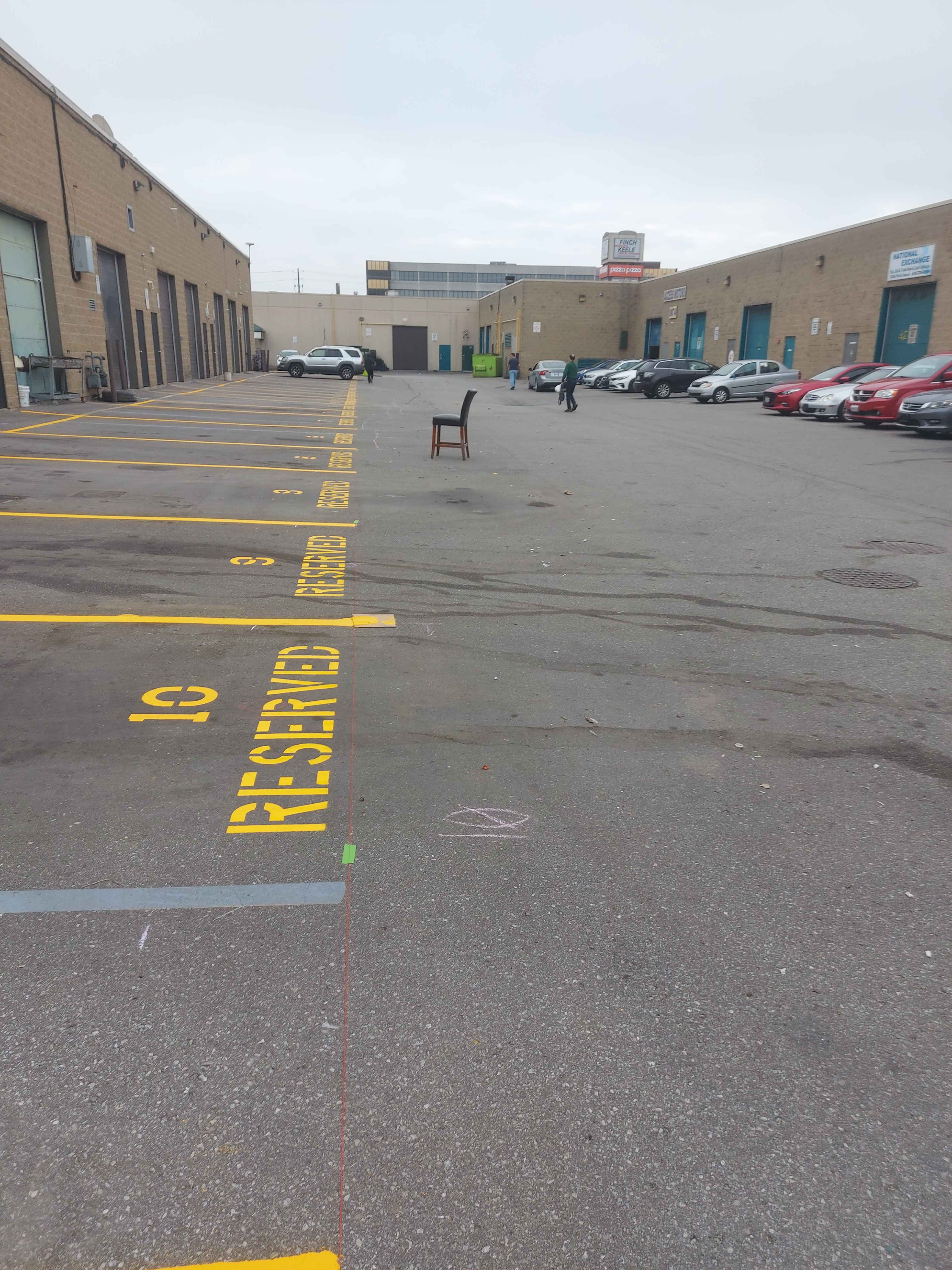
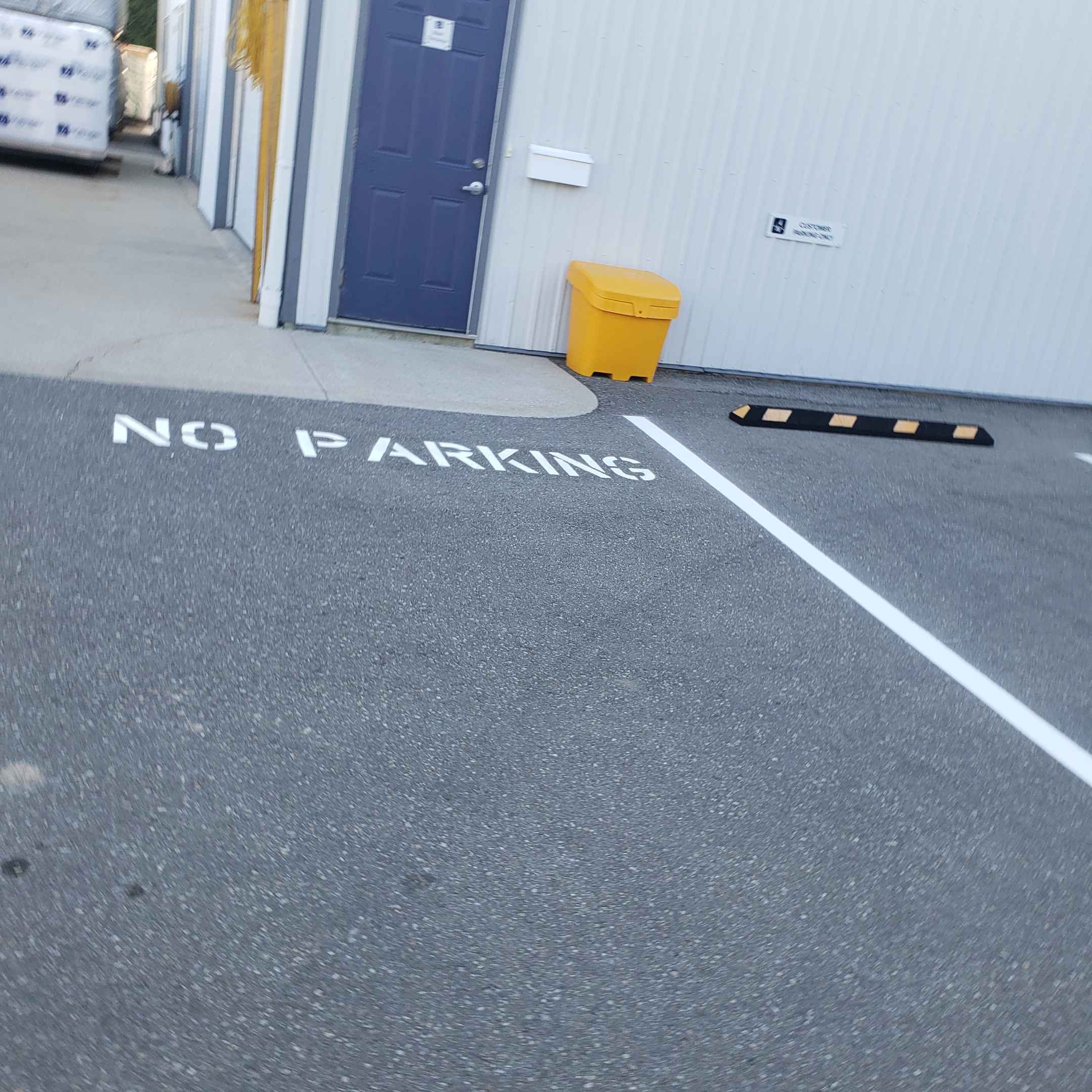
Preventing cracks from returning requires a holistic approach. This includes regular cleaning, proper drainage management, and periodic Line Marking to ensure traffic flows correctly and prevents heavy vehicles from driving over weakened areas. Capital Parking Lot Line Painting specializes in comprehensive pavement care that looks beyond the surface.
How to Protect Your Investment Long-Term
If you are managing a commercial property in a top 30 city like Kingston, your parking lot is the first thing customers see. A well-maintained lot not only prevents costly structural failures but also improves safety and curb appeal. To maximize the lifespan of your asphalt, consider these steps:
- Schedule annual inspections to catch small cracks before they become potholes.
- Ensure your drainage systems (gutters and slopes) are clear of debris.
- Invest in high-quality Line Painting to keep vehicles within designated lanes, reducing wear on the edges of the asphalt.
- Consult with experts like Capital Parking Lot Line Painting to develop a multi-year maintenance plan.
Conclusion
Cracks reappear because asphalt is a living, moving material subject to the elements and the ground beneath it. While crack filling is a vital part of the maintenance cycle, it must be paired with structural awareness and professional application to be effective. Don't just hide the problem—solve it.