What Causes Cracks to Reappear After They’re Filled?
It is one of the most frustrating experiences for property managers and business owners: you invest in asphalt repairs, only to see those same cracks resurfacing just a few months later.
The Illusion of a Quick Fix
When a crack appears in your parking lot, the instinct is often to fill it with whatever sealant is readily available. While this might look good temporarily, it often fails to address the root cause of the damage. At Capital Parking Lot Line Painting, we frequently see properties in Kitchener struggling with this exact issue. A crack is rarely just a surface-level problem; it is a symptom of something deeper occurring within the pavement structure.
To understand why cracks return, we must look beyond the surface and examine the physics of asphalt, the soil beneath it, and the environmental factors at play in Ontario.
Common Culprits Behind Reappearing Cracks
1. Subgrade Instability
The most common reason for recurring cracks is a failing subgrade. Asphalt is essentially a flexible pavement that rests on a foundation of compacted stone and soil. If that foundation shifts due to poor compaction, moisture infiltration, or erosion, the asphalt will bend and crack to accommodate the movement. No amount of crack filler can fix a shifting foundation; the crack will simply reopen as the ground moves.
2. Thermal Expansion and Contraction
In a top 30 city like Kitchener, the weather fluctuates dramatically between seasons. Asphalt is a thermoplastic material, meaning it expands when it is hot and contracts when it is cold. If the crack filler used is too rigid, it cannot move with the asphalt. When the temperature drops, the asphalt shrinks, but the rigid filler stays put, causing the bond to break and the crack to widen again.
3. Improper Cleaning and Preparation
For a repair to be successful, the crack must be surgically clean. If dust, debris, or old, crumbling sealant is left inside the crack, the new filler will bond to the debris rather than the sides of the asphalt. This creates a weak bridge that fails almost immediately under the weight of vehicle traffic.
Mistakes to Avoid During Asphalt Maintenance
Many property owners attempt to save time or resources by DIY-ing repairs, but this often leads to more expensive failures down the road. Avoid these common pitfalls:
- Using low-grade, hardware-store sealants that lack the elasticity required for Ontario weather.
- Filling cracks that are too wide for standard liquid fillers (these require specialized backer rods).
- Neglecting to address water drainage issues that are feeding the cracks.
- Applying sealer or filler over a wet or damp surface.
- Ignoring the need for professional Line Painting to clearly define traffic patterns, which helps prevent vehicles from driving over damaged edges.
How Professional Solutions Differ
When you partner with Capital Parking Lot Line Painting, we don't just "plug the holes." We evaluate the integrity of the entire surface. Professional maintenance involves a systematic approach to ensure longevity.
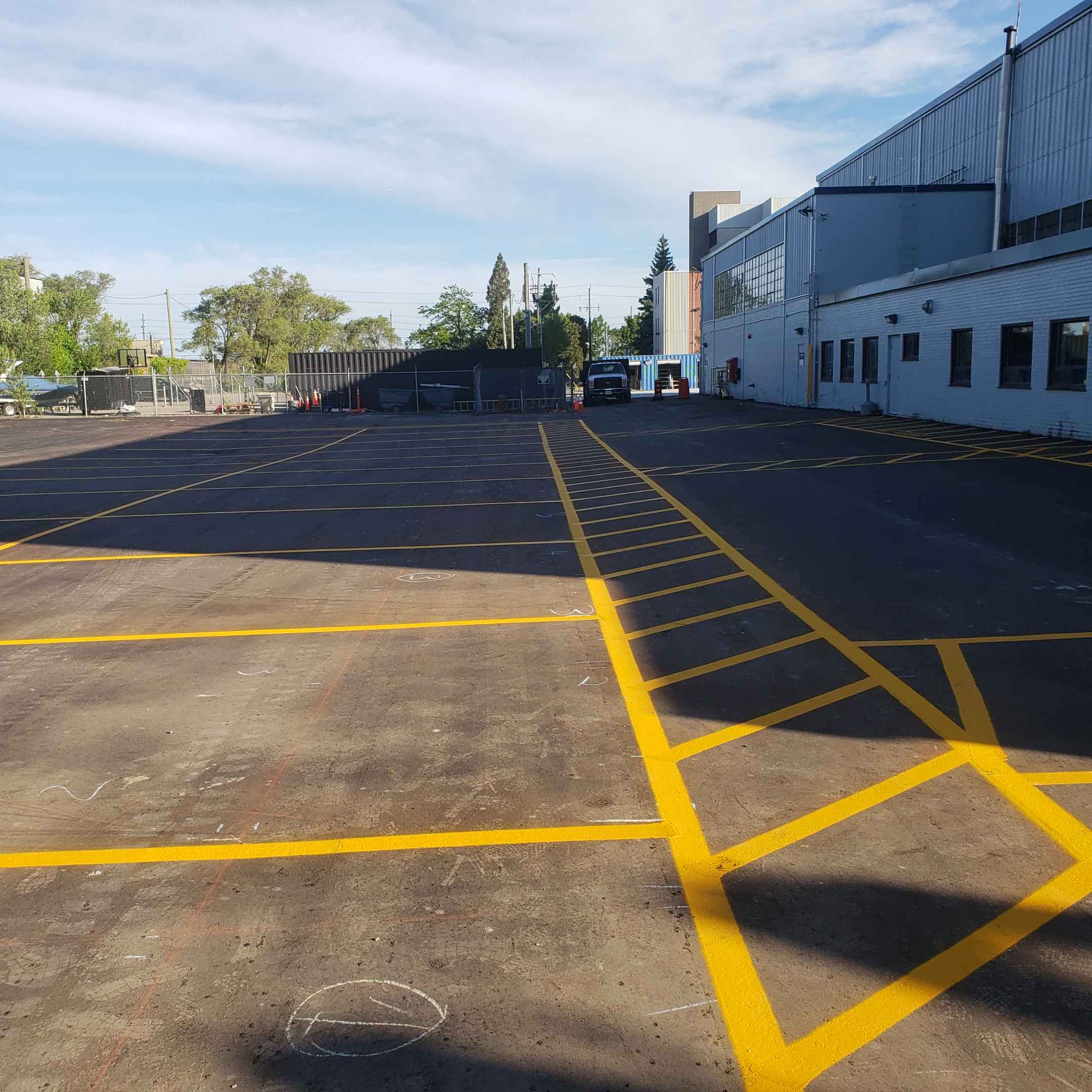
For example, when performing Line Marking, we ensure the layout is precise, which guides drivers away from deteriorating sections of the lot. Furthermore, our crack repair process involves deep cleaning, high-temperature melting of the sealant to ensure a molecular bond, and selecting products specifically engineered for the Canadian climate.
Invest in Longevity
Stop the cycle of repetitive, ineffective repairs. By addressing the root cause—whether it be drainage, subgrade, or material quality—you protect your investment and improve the safety and curb appeal of your property. Capital Parking Lot Line Painting provides the expertise needed to do the job right the first time.