What Equipment Is Used for Professional Crackfilling?
Understanding the specialized machinery and high-grade materials required to maintain durable, long-lasting asphalt surfaces.
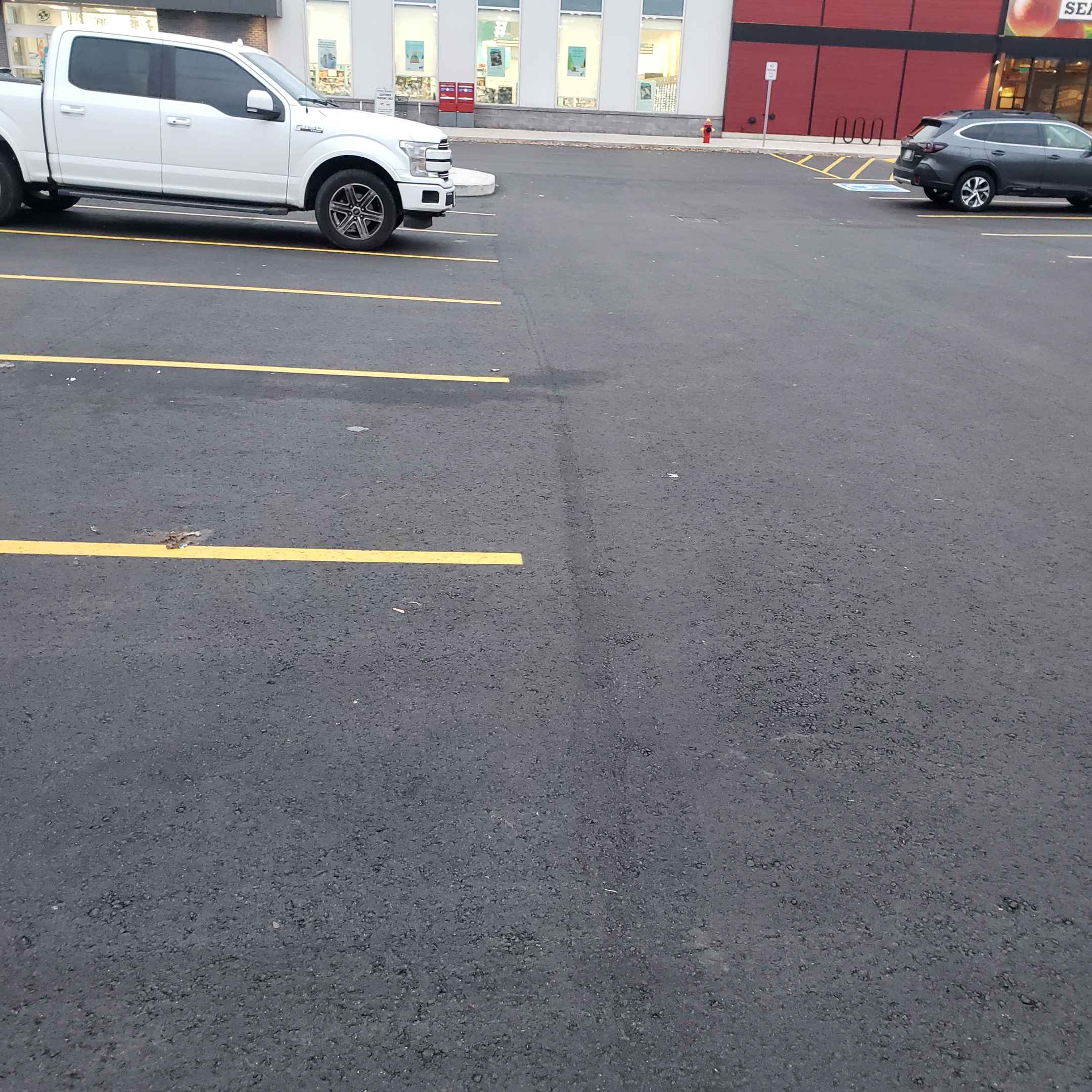
Asphalt pavement is a resilient material, but it is not invincible. Over time, the combination of heavy traffic, extreme temperature fluctuations, and water infiltration leads to the inevitable formation of cracks. If left untreated, these small fissures can quickly evolve into massive potholes, leading to expensive reconstruction projects. This is where professional crackfilling becomes essential.
For property managers and business owners in Ajax, maintaining the structural integrity of a parking lot is a top priority. Achieving a seamless, waterproof seal requires more than just a bucket of sealant; it requires a specific suite of professional-grade equipment. At Capital Parking Lot Line Painting, we understand that the quality of the repair is directly tied to the precision of the tools used.
The Core Equipment: Melting and Application
Professional crackfilling is a thermal process. Unlike DIY methods that involve pouring cold liquid into a crack, professional-grade crackfilling involves heating a specialized rubberized sealant to a molten state to ensure it penetrates deep into the fissure.
1. Melter/Applicators
The heart of any professional operation is the Melter/Applicator. This is a large, propane-fired kettle that heats the crack sealant to a precise temperature. The equipment serves two purposes: it maintains the sealant at a consistent viscosity and features a specialized wand or spout for controlled application.
Using a high-quality melter allows Capital Parking Lot Line Painting to ensure the sealant is applied evenly without overheating, which could compromise the chemical properties of the rubberized material.
2. High-Performance Sealants
While not a "machine," the sealant itself is a critical component. Professionals use hot-applied, rubberized asphalt crack sealant. This material is engineered to remain flexible even in the harsh Ontario winters, expanding and contracting with the pavement to prevent new cracks from forming at the edges of the repair.
Preparation Tools: The Key to Longevity
The most common mistake in asphalt maintenance is applying sealant to a dirty or wet crack. If the sealant cannot bond with the edges of the asphalt, it will peel away within a single season. This is why preparation equipment is just as important as the applicator.
- Air Compressors: High-pressure air blowers are used to blast out dust, debris, and loose aggregate from deep within the cracks.
- Wire Brushes and Crack Chisel: These manual tools help clean the edges of the crack and ensure the sidewalls are structurally sound.
- Industrial Blowers: For larger commercial lots, heavy-duty blowers ensure that even the smallest particles are removed, providing a clean surface for the sealant to grip.
- Heat Lancers: In some cases, a heat lance is used to dry the interior of the crack, ensuring no moisture is trapped behind the sealant.
Advanced Maintenance: Beyond Crackfilling
Once the cracks are sealed, many property owners look toward aesthetic and safety enhancements. This is where our expertise in Line Marking becomes vital. A well-maintained lot isn't just about structural integrity; it's about clarity, safety, and organization.
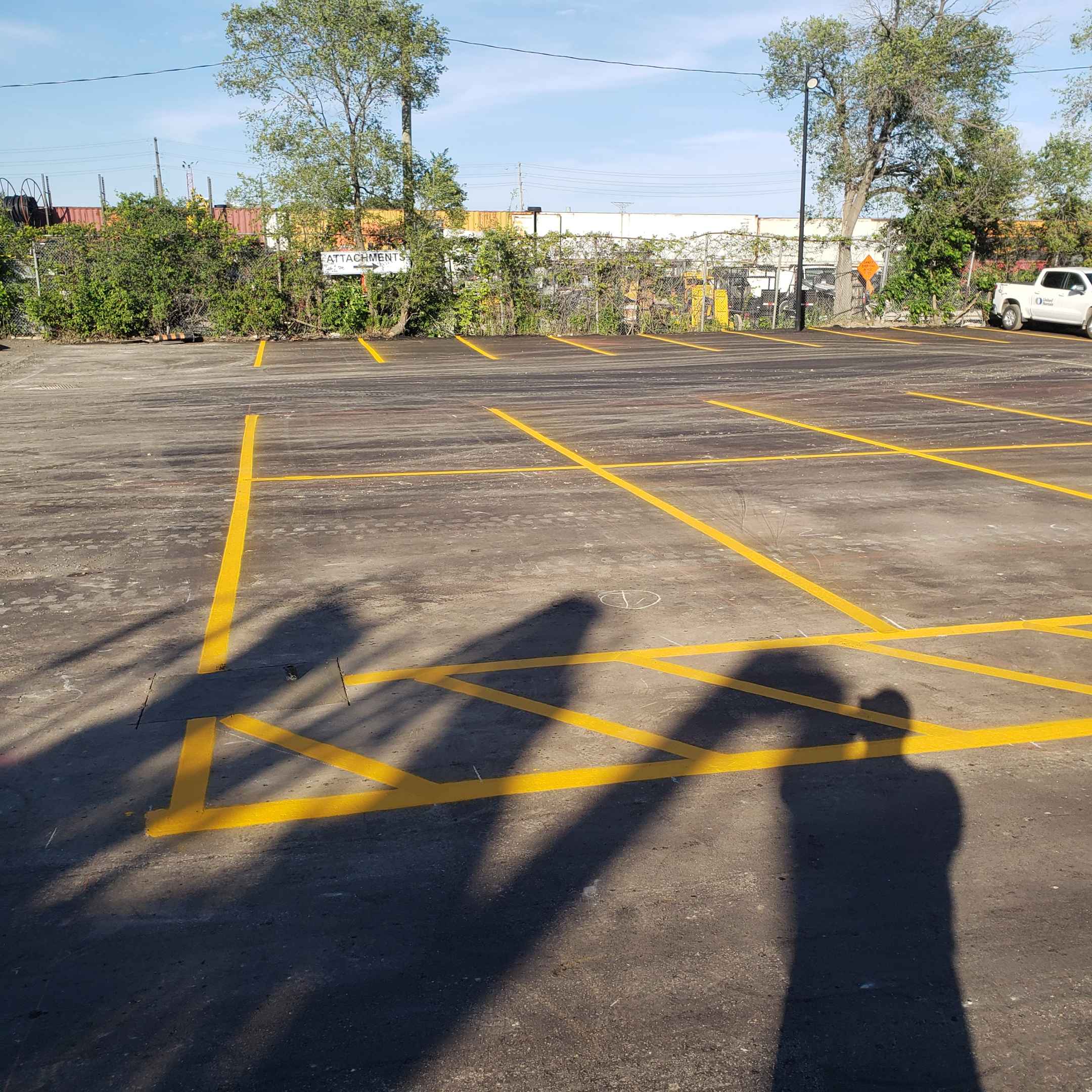
Whether you need fresh Line Painting for parking stalls or directional arrows for traffic flow, using high-visibility, durable coatings is essential. In high-traffic areas of Ajax, clearly marked lines prevent accidents and optimize the available space on your property.
Professional Results Every Time
Don't leave your pavement to chance. Capital Parking Lot Line Painting utilizes industry-leading equipment to ensure your asphalt remains durable, safe, and visually appealing for years to come.
Common Mistakes to Avoid
When attempting to manage asphalt maintenance without professional equipment, several issues often arise:
- Using Cold-Applied Sealants: These often lack the flexibility needed for Ontario's climate and tend to pop out of the cracks.
- Inadequate Cleaning: Applying sealant over dirt or moisture leads to immediate adhesion failure.
- Incorrect Temperature Control: If the sealant is too hot, it burns; if it's too cool, it won't penetrate.
- Neglecting Line Marking: Failing to refresh Line Painting can lead to traffic confusion and liability issues.