What to Expect During the Sealcoating Process
A deep dive into the professional steps required to protect and preserve your asphalt surfaces.
Maintaining an asphalt driveway or commercial parking lot is a critical component of property management. If you live or operate a business in Newmarket, you know that the seasonal weather shifts in Ontario can be incredibly harsh on pavement. One of the most effective ways to combat this wear and tear is through professional sealcoating. However, many property owners are unsure of what the actual procedure entails.
At Capital Parking Lot Line Painting, we believe that an informed client is a satisfied client. Understanding the technical stages of sealcoating allows you to prepare your site effectively and manage expectations regarding downtime and surface transformation. In this guide, we will walk you through the lifecycle of a professional sealcoating project.
Phase 1: Thorough Surface Preparation
Sealcoating is not just about spreading a black liquid over a surface; it is a scientific process that begins with cleaning. If the sealer is applied over dirt, oil, or loose debris, it will fail to bond with the asphalt, leading to premature peeling.
The first step involves a deep cleaning of the entire area. Our team utilizes high-powered blowers and industrial-grade wire brushes to remove all loose aggregate, sand, and organic matter. For properties in Newmarket that deal with heavy seasonal debris, this step is particularly vital. We also look for any existing oil or gas spills; these must be treated with degreasers, as oil prevents the sealer from adhering to the pavement.
Crack Filling and Repairs
Once the surface is clean, we inspect the pavement for structural vulnerabilities. Sealcoating is a preventative maintenance tool, not a magic fix for crumbling asphalt. Therefore, we identify cracks and potholes that require attention. Filling these cracks with a high-quality hot rubberized sealant prevents water from seeping into the sub-base, which is the primary cause of asphalt failure during Ontario's freeze-thaw cycles.
Phase 2: The Application Process
After the preparation is complete, we move into the application phase. Capital Parking Lot Line Painting uses premium-grade sealants designed to withstand heavy traffic and extreme temperature fluctuations. The application is typically done using specialized spray equipment to ensure an even, consistent coat across the entire surface.
A professional application ensures that every nook and cranny is filled, creating a seamless protective barrier. It is important to note that the thickness of the application is carefully monitored; too thin, and you lose protection; too thick, and the sealer may take an excessive amount of time to cure or may crack.
Phase 3: Line Marking and Final Touches
A freshly sealed lot looks incredible, but it is not truly complete until the navigation elements are restored. Once the sealer has reached a specific level of dryness, we move into the Line Marking phase. This is where the visual organization of your lot comes to life.
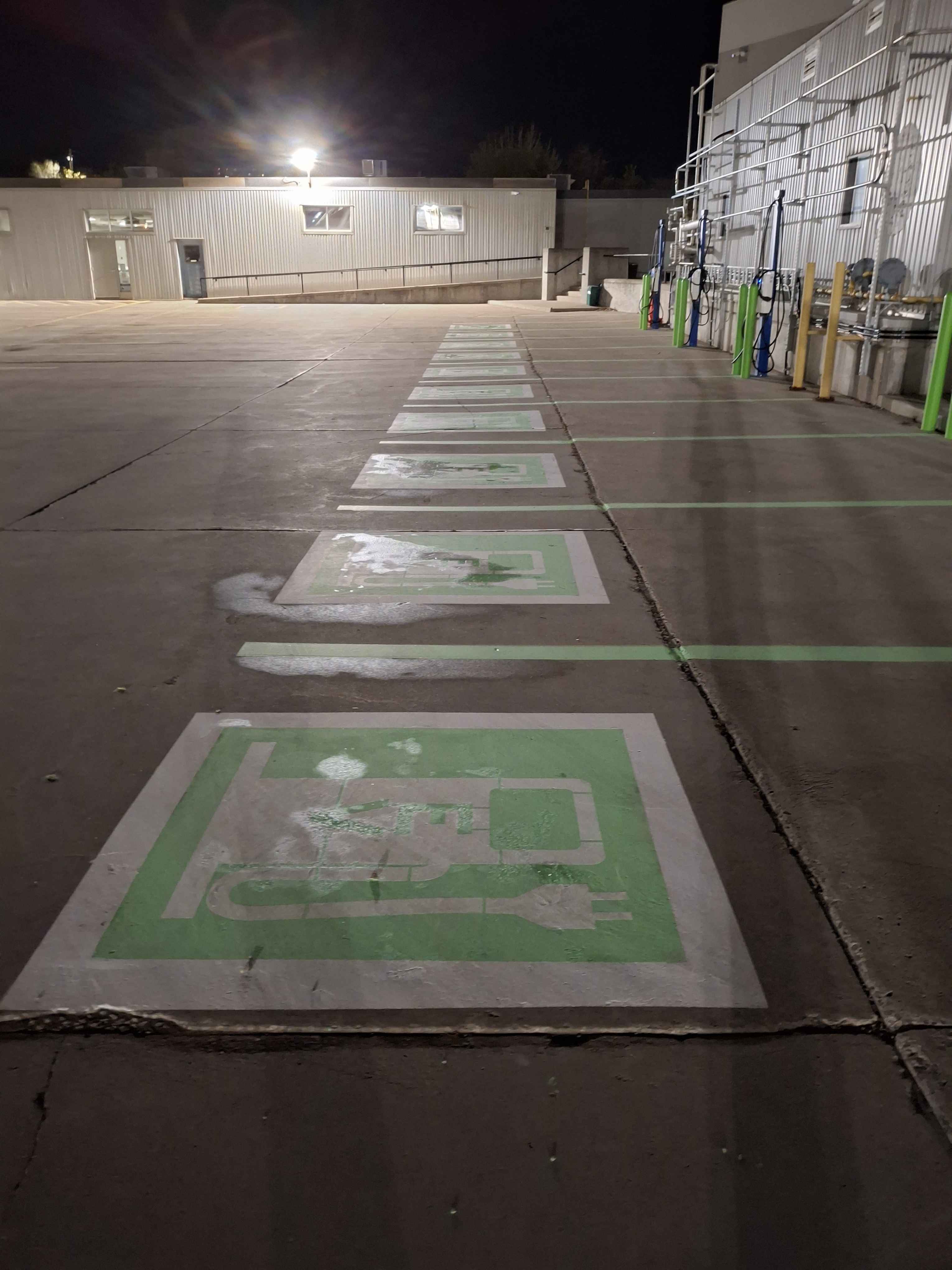
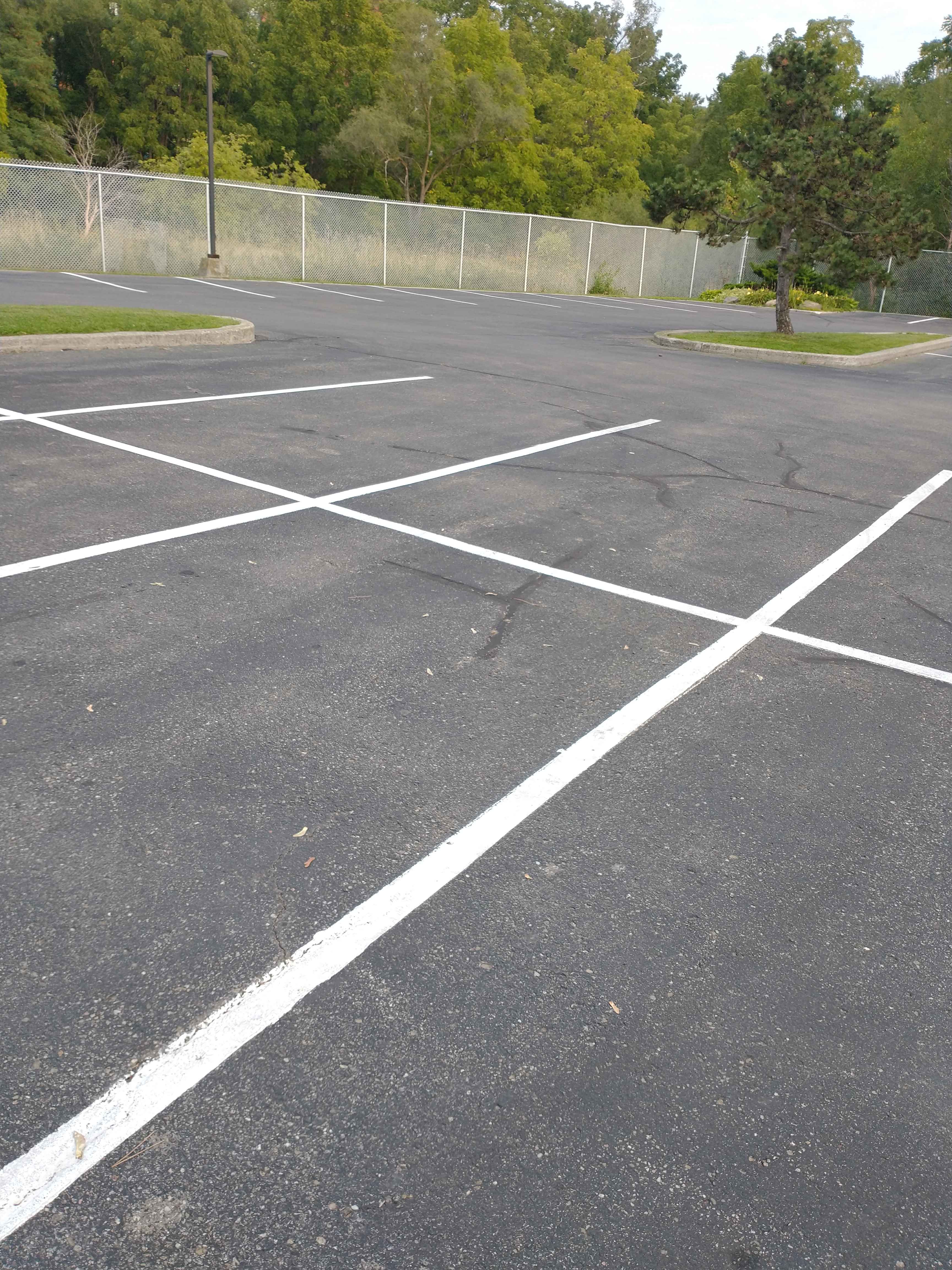
Clear, bright lines are essential for safety and traffic flow. Whether you need parking stalls, directional arrows, or handicap symbols, our Line Painting services ensure that your lot is both functional and compliant with local regulations. Combining sealcoating with professional Line Marking provides a total aesthetic and functional overhaul for your property.
Key Benefits of Regular Sealcoating
Investing in regular maintenance through Capital Parking Lot Line Painting offers several long-term advantages:
- UV Protection: Prevents the sun's rays from oxidizing and drying out the asphalt binders.
- Waterproofing: Creates a barrier against moisture, preventing cracks caused by ice expansion.
- Chemical Resistance: Protects the surface from damage caused by oil, gas, and road salts.
- Enhanced Curb Appeal: Provides a deep, rich black finish that makes your property look brand new.
- Cost Efficiency: Regular sealcoating extends the lifespan of your asphalt, delaying the need for expensive repaving.
Phase 4: Curing and Reopening
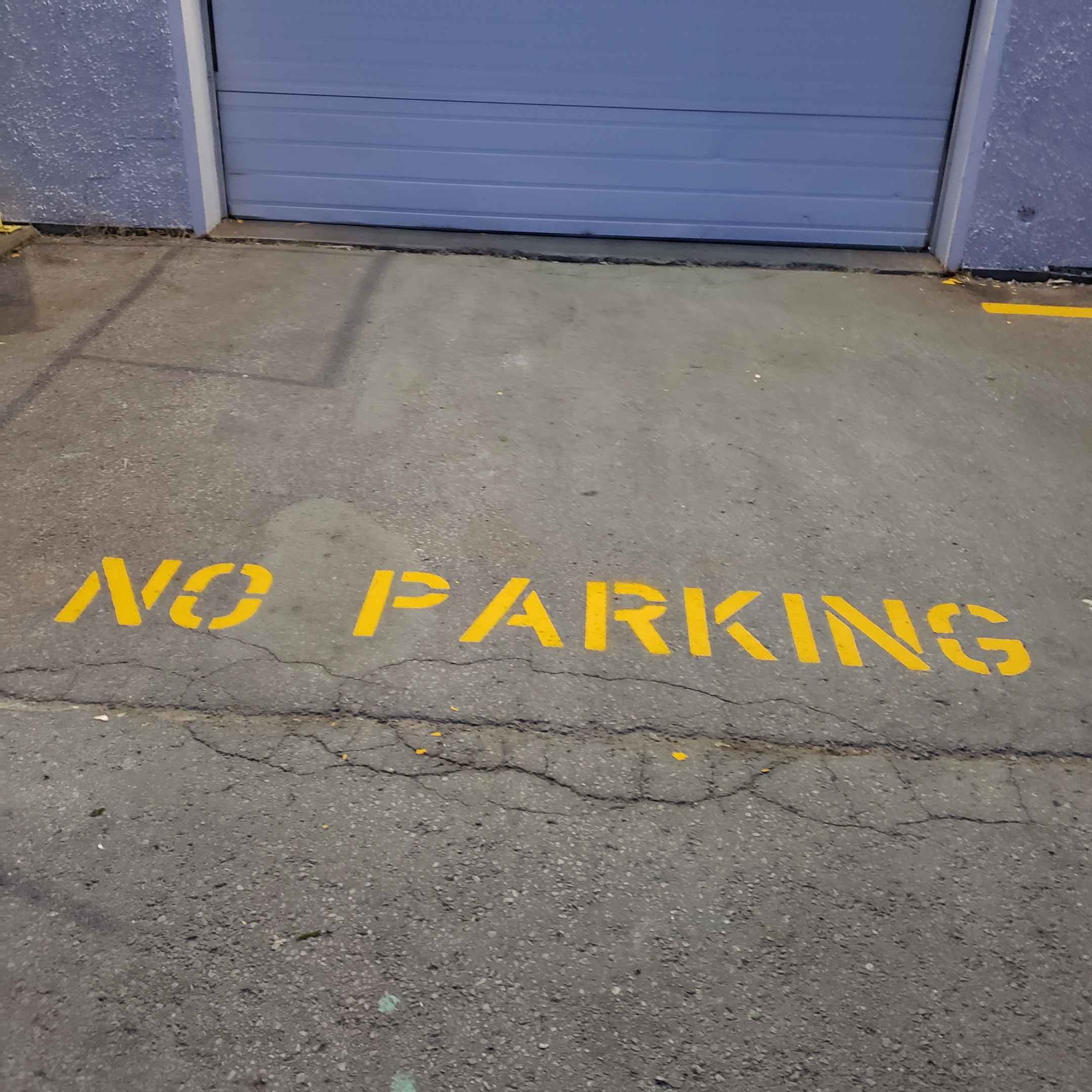
The final and most important step for the property owner is patience. The sealer needs time to cure and bond with the asphalt. Depending on the weather conditions and the specific product used, this can take anywhere from 24 to 48 hours. During this time, all vehicle and pedestrian traffic must be strictly prohibited from the area.
Walking on wet sealer can cause permanent footprints, and driving on it too early can cause the coating to smear or tear. We always provide clear signage to ensure the integrity of the finished product.
Ready to Protect Your Investment?
Don't wait for your asphalt to crumble before taking action. Professional maintenance is the key to longevity. Contact the experts at Capital Parking Lot Line Painting to schedule your consultation and keep your surfaces looking their best.