When Is It Too Late to Fill Cracks Before Winter?
As the temperatures begin to dip across Ontario, property managers and business owners face a ticking clock. The question isn't just about aesthetics; it's about structural integrity.
The Race Against the Freeze-Thaw Cycle
In cities like Markham, one of the top 30 cities in Ontario, the weather is notoriously unpredictable. We experience dramatic shifts from freezing temperatures to sudden thaws. This phenomenon, known as the freeze-thaw cycle, is the primary enemy of your asphalt pavement.
When water enters a small crack in your parking lot, it doesn't just sit there. As the temperature drops, that water turns into ice. Because water expands when it freezes, it exerts immense pressure from within the crack, pushing the asphalt apart. When the ice melts, it leaves behind a larger void, inviting even more water in. This cycle repeats dozens of times throughout a typical Ontario winter, rapidly turning minor fissures into massive potholes.
At Capital Parking Lot Line Painting, we often see the aftermath of neglected cracks in the spring. What could have been a simple preventative measure in the autumn becomes a full-scale reconstruction project by May.
So, When Is It Actually 'Too Late'?
The technical answer is: whenever the ground begins to freeze consistently. However, the practical answer is much earlier. You should aim to have your crack filling completed at least 4 to 6 weeks before the first hard frost is predicted.
Waiting until the last minute is risky for several reasons:
- Temperature Requirements: Most high-quality crack filling materials require a certain ambient temperature to bond correctly with the existing asphalt.
- Curing Time: The sealant needs time to stabilize before heavy snowplows begin scraping your lot.
- Scheduling Availability: As the season changes, professional maintenance crews become extremely busy with year-end projects.
- Moisture Levels: If the cracks are already saturated with water, the sealant won't adhere properly, making the job ineffective.
The Connection Between Crack Filling and Line Marking
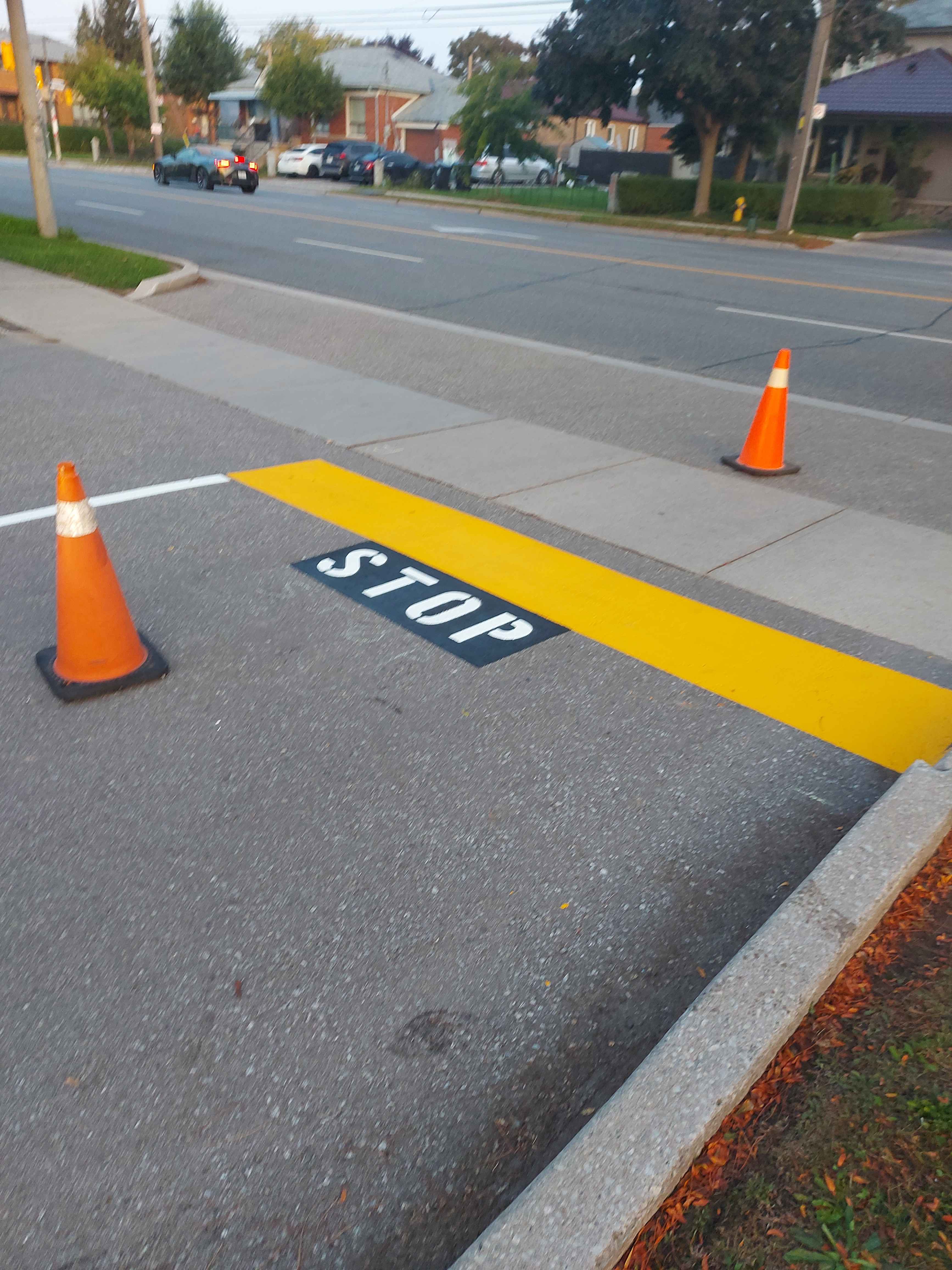
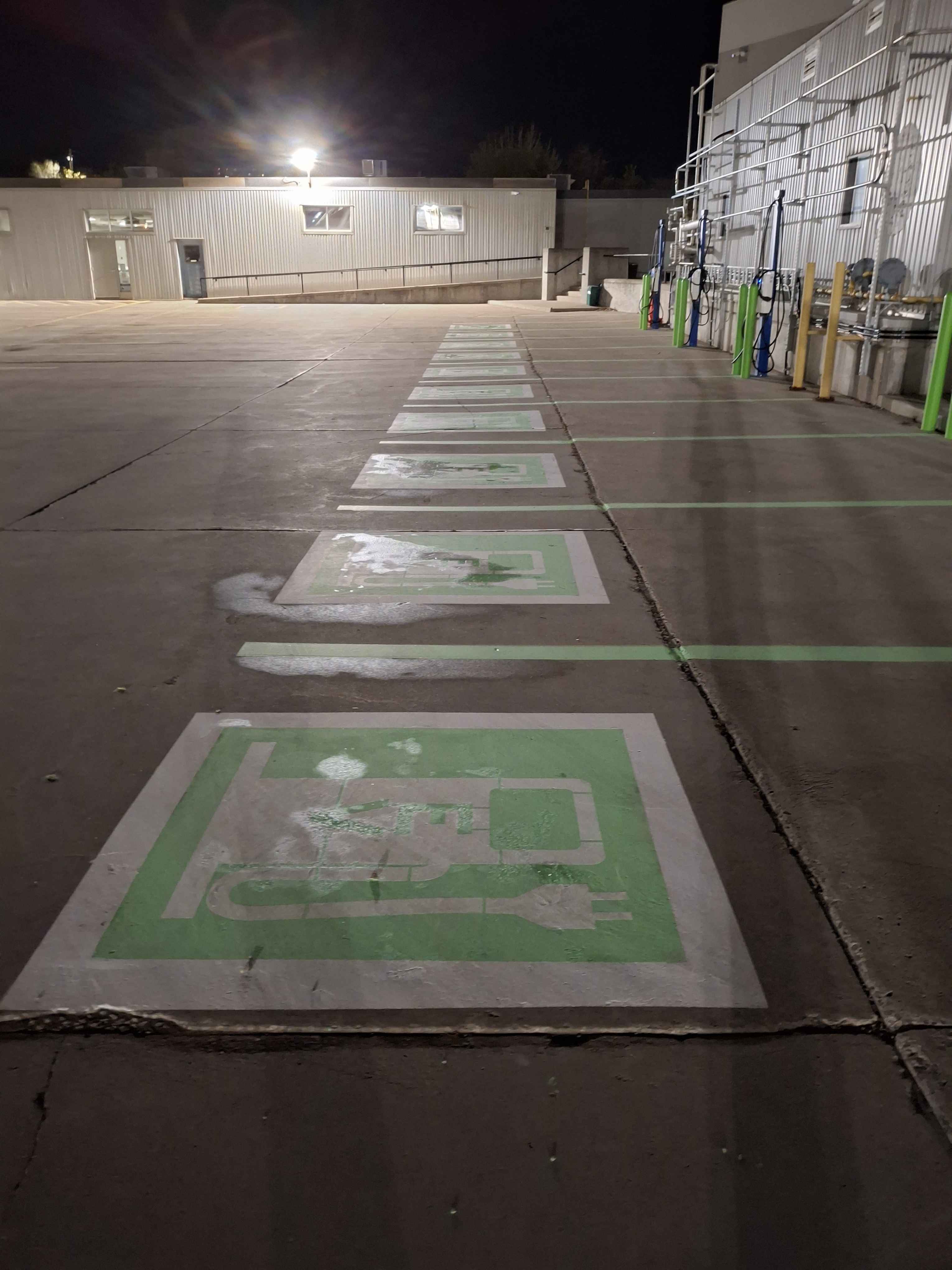
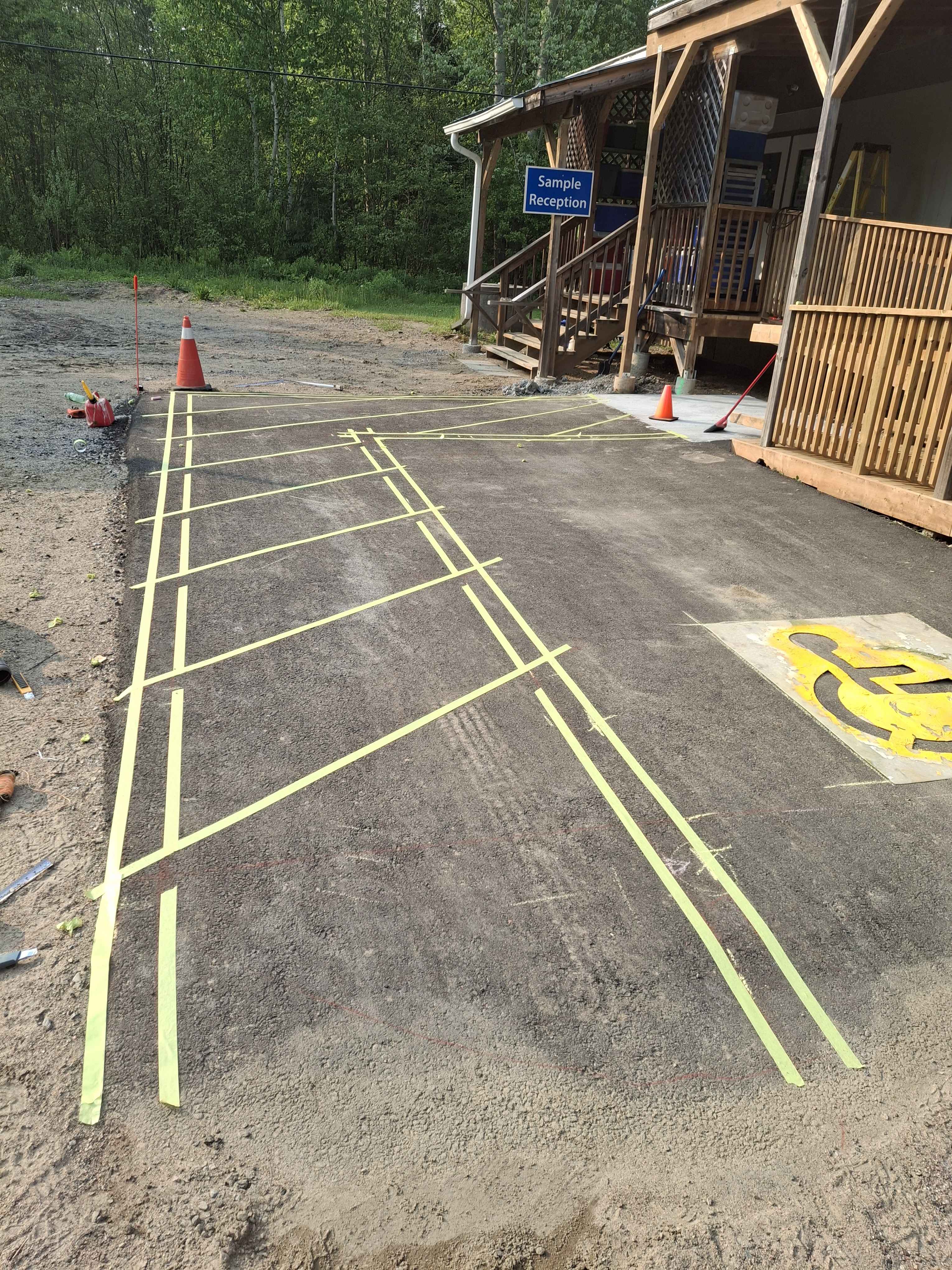
Many property owners confuse structural maintenance with visual maintenance. While filling cracks preserves the foundation of your lot, Line Marking ensures the safety and organization of the space. If you are planning to refresh your parking stalls or directional arrows, it is highly recommended to perform crack filling first.
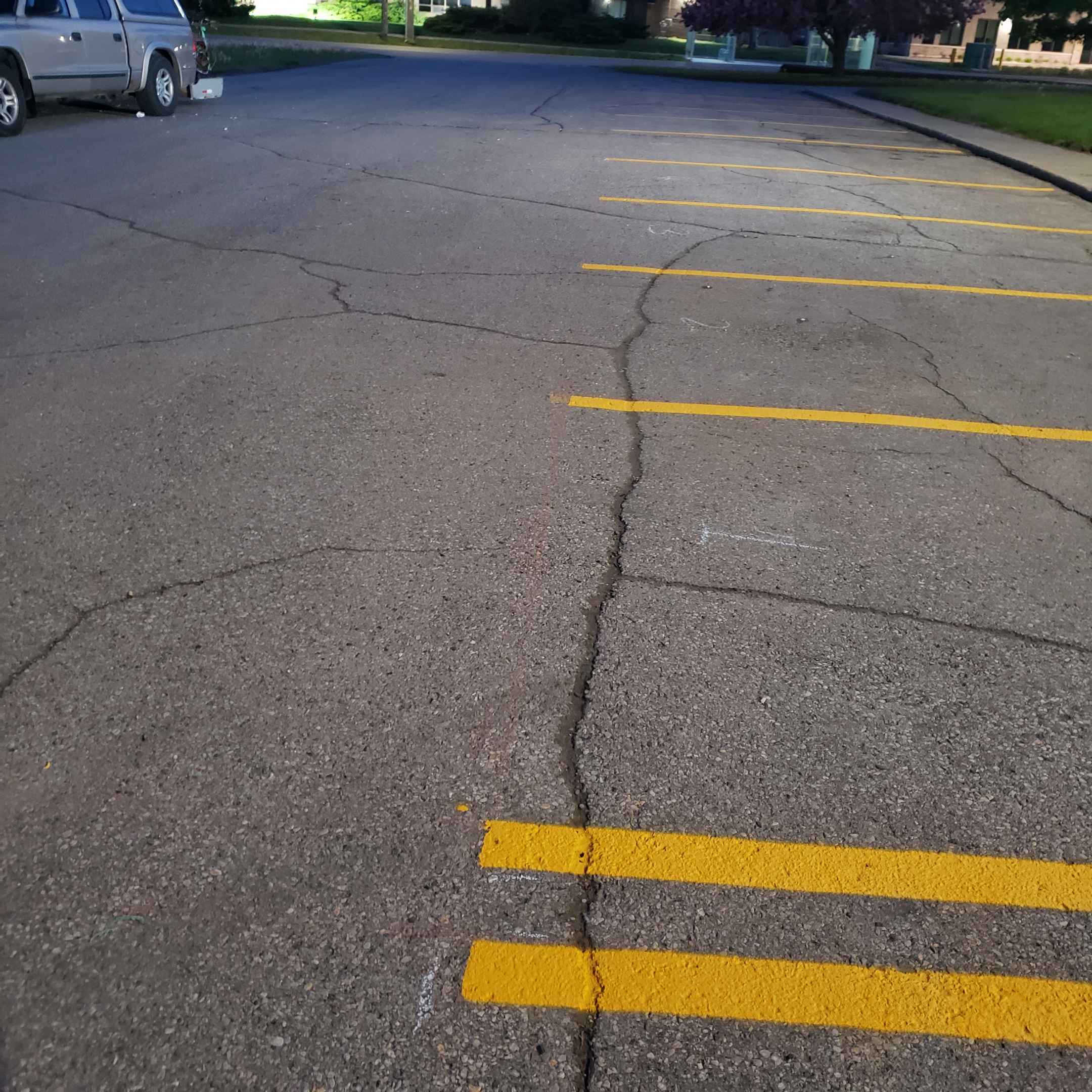
Applying new Line Painting over an unstable, cracked surface is a waste of resources. The shifting asphalt will cause the new paint to crack and peel shortly after application. By working with Capital Parking Lot Line Painting, you can coordinate these services to ensure your pavement is both structurally sound and visually professional before the winter salt and snow arrive.
Don't Wait for the Snowfall
Proactive maintenance in Markham and surrounding areas is the most cost-effective way to manage commercial property. A small investment in crack filling today prevents a massive expense in pavement replacement tomorrow.
Common Mistakes to Avoid
When preparing your lot for the Ontario winter, avoid these common pitfalls:
1. Using 'DIY' Fillers
Hardware store cans of sealant are often too thin and lack the durability required for heavy vehicle traffic. Professional-grade hot-pour rubberized asphalt is the industry standard for a reason.
2. Ignoring Small Cracks
A crack that looks like a hair is just as dangerous as a wide gap. Water finds its way into even the smallest openings. Capital Parking Lot Line Painting recommends a thorough inspection of the entire lot annually.
3. Neglecting the Perimeter
Cracks often form where the asphalt meets the curb or the grass edge. These areas are particularly vulnerable to water infiltration and should be a priority during your maintenance routine.
Conclusion
The window for effective asphalt maintenance closes much faster than most people realize. To protect your investment and ensure your parking lot remains functional through the harsh Ontario winter, act now. Schedule your inspection and crack filling before the frost sets in, and ensure your Line Painting is part of a comprehensive seasonal strategy.