When Is It Too Late to Fill Cracks Before Winter?
As the autumn leaves begin to fall and the air turns crisp, property managers and business owners across Ontario start thinking about winter preparations. One of the most critical—yet often overlooked—tasks is asphalt maintenance.
The Race Against the Frost
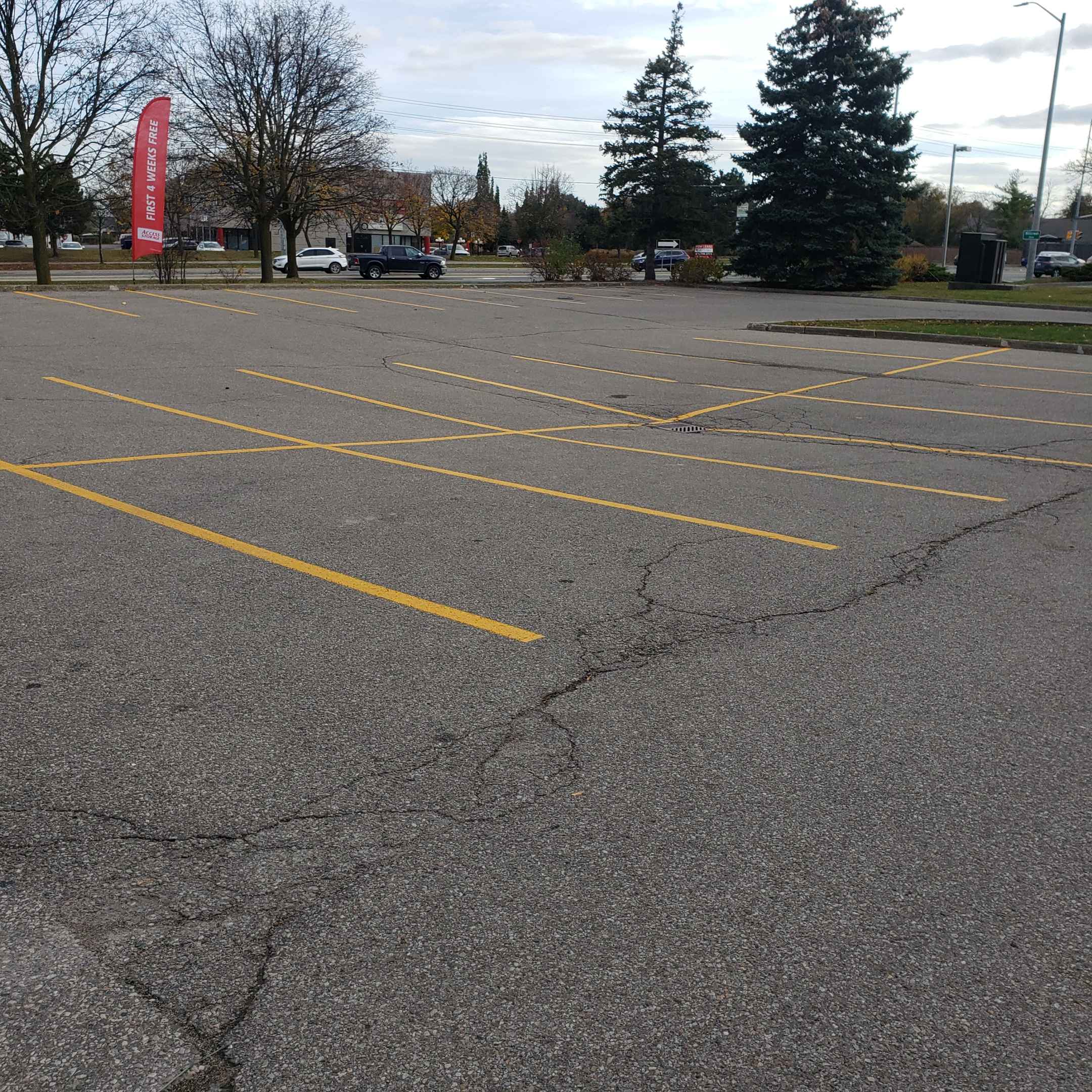
For property owners in Mississauga, the arrival of winter isn't just a change in weather; it is a direct threat to the structural integrity of your pavement. Asphalt is a flexible material, but it has its limits. When cracks are left untreated, they become gateways for moisture to enter the sub-base of your parking lot.
The real danger begins during the freeze-thaw cycle. When water enters a crack and freezes, it expands by approximately 9%. This expansion exerts massive pressure from within the crack, forcing the asphalt to separate further. By the time spring arrives, a small hairline fracture can transform into a massive pothole. This is why Capital Parking Lot Line Painting emphasizes the importance of proactive maintenance before the first hard freeze.
The Ideal Timeline: When Should You Act?
Technically, you can fill cracks any time the ambient temperature is high enough for the sealant to bond and cure properly. However, there is a "sweet spot" for scheduling.
Late Summer to Early Autumn
The best time to schedule crack filling is between late August and late October. During this window, the ground is still warm, and the weather is generally dry, allowing for optimal adhesion of the sealant. If you wait until the ground is saturated with autumn rains or the temperature begins to dip below freezing, the quality of the repair may be compromised.
If you are managing a commercial lot in a top 30 city like Mississauga, you must account for the busy seasonal transition. Scheduling your maintenance early ensures that your lot is protected before the heavy snow removal equipment begins to traverse your pavement.
Signs You Are Already Too Late
While it is never "too late" to start caring for your pavement, there is a point where simple crack filling is no longer a sufficient solution. You should seek professional guidance from Capital Parking Lot Line Painting if you notice the following:
- Alligator Cracking: If the cracks look like scales on a reptile, the base layer is likely failing, and simple filling won't help.
- Deep Potholes: If the crack has already transitioned into a hole, you require a structural patch rather than a sealant.
- Sub-base Subsidence: If the area feels "spongy" when driven over, the water has already compromised the foundation.
- Widespread Cracking: If more than 25% of your lot is showing signs of distress, a full resurfacing may be more cost-effective than repeated patching.
The Benefits of Pre-Winter Maintenance
Investing in your pavement before the snow flies provides several long-term advantages for your property:
1. Cost Savings: Filling a crack today is significantly cheaper than replacing a parking lot tomorrow. By preventing water from reaching the sub-base, you extend the lifespan of your entire investment.
2. Safety and Liability: Smooth, crack-free pavement reduces trip hazards for pedestrians and prevents vehicle damage, lowering your property's liability risks.
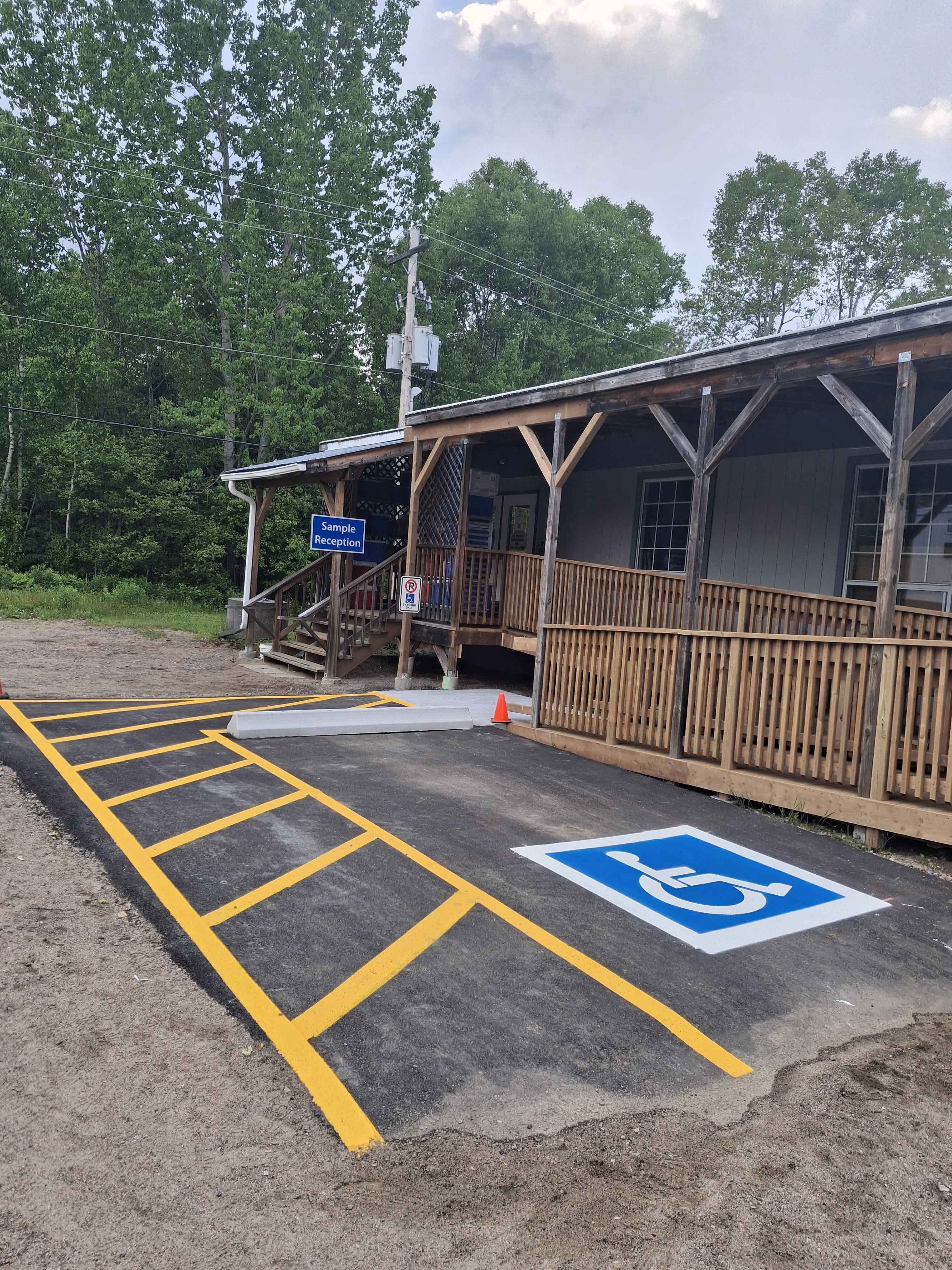
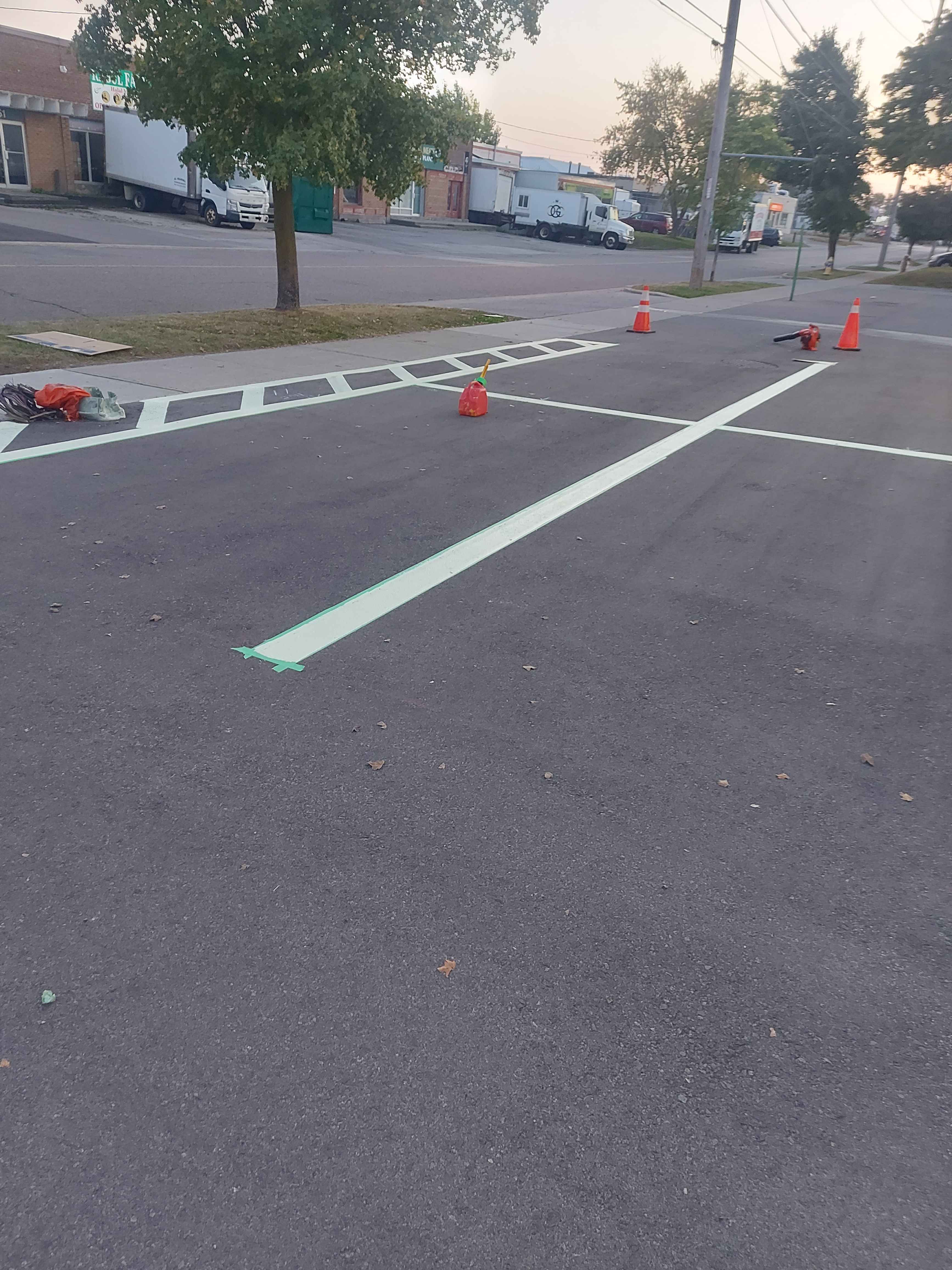
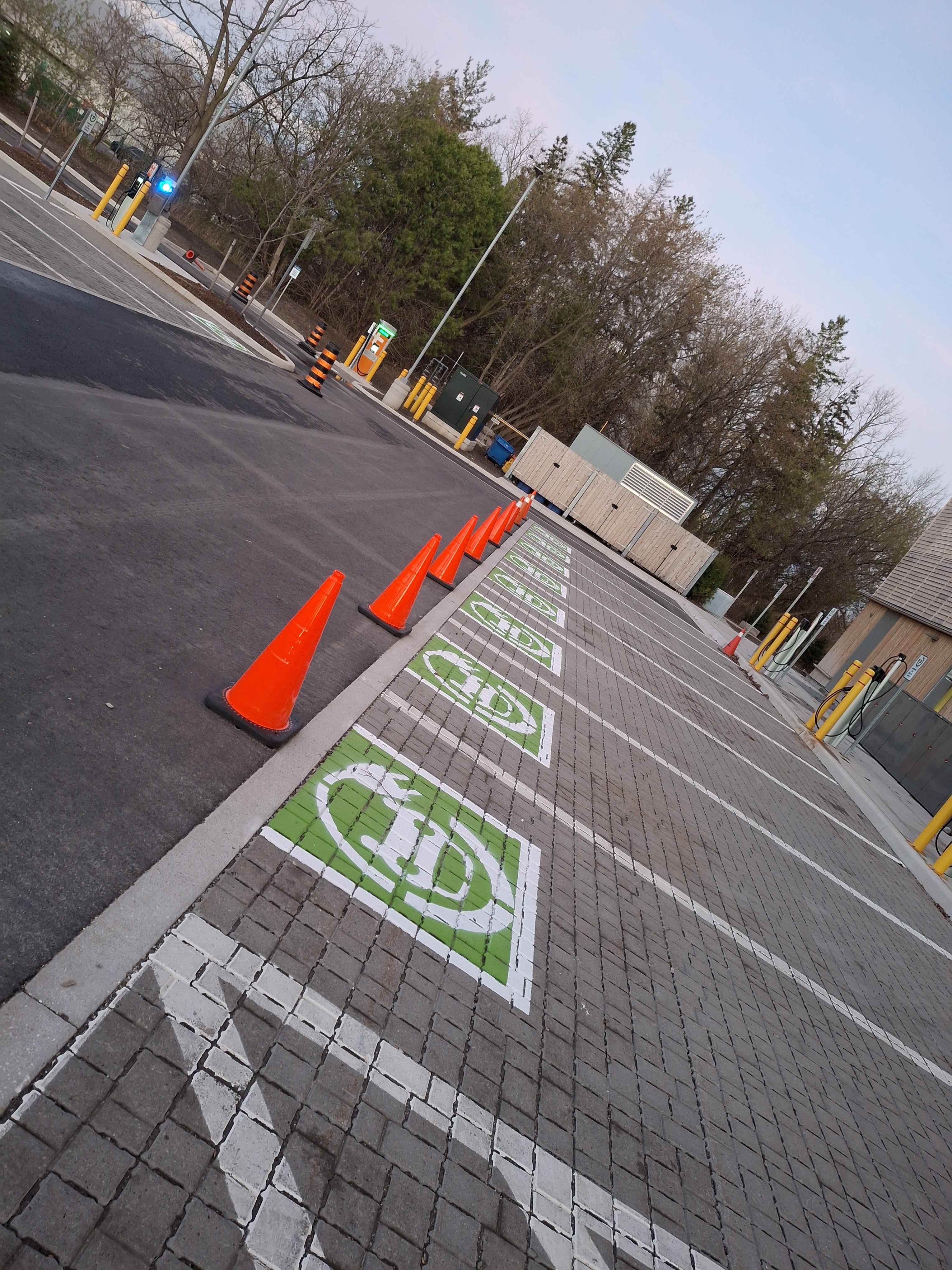
Furthermore, once the cracks are sealed, your lot is ready for aesthetic updates. Many property owners choose to combine crack filling with professional Line Marking to ensure their lot looks fresh and organized for the new year. Capital Parking Lot Line Painting specializes in providing these comprehensive services to keep your facility looking its best.
Quick Summary
Don't wait for the first frost to realize your asphalt is vulnerable. Early intervention is the key to preventing structural failure. Contact the experts at Capital Parking Lot Line Painting to secure your property before the winter season begins.