When Is It Too Late to Fill Cracks Before Winter?
Understanding the critical window for asphalt maintenance to protect your property from the harsh Ontario freeze-thaw cycle.
As the leaves begin to change and the air turns crisp, property managers and business owners in Ontario start thinking about winter preparations. While most people focus on snow removal contracts and salt supplies, there is a silent threat lurking beneath the surface of your parking lot: expanding cracks. If you are wondering, "When is it too late to fill cracks before winter?", the answer isn't just about a date on a calendar—it's about the temperature and the moisture levels in your asphalt.
At Capital Parking Lot Line Painting, we see firsthand how neglected cracks can transform from minor nuisances into major structural failures once the heavy snow and ice arrive. In a top 30 city like Richmond Hill, where seasonal transitions can be quite aggressive, timing your maintenance is the difference between a simple repair and a complete resurfacing project.
The Science of the Freeze-Thaw Cycle
To understand why timing is so critical, you have to understand how water interacts with asphalt. Asphalt is a flexible material, but it is not waterproof. When cracks form, they act as funnels, directing rainwater and melting snow deep into the sub-base of your parking lot.
When the temperature drops below freezing, that trapped water expands as it turns to ice. This expansion exerts immense pressure on the surrounding asphalt, forcing the cracks to widen and deepen. This process, known as the freeze-thaw cycle, is the primary cause of potholes and structural degradation in regions like Richmond Hill.
If you wait until the first hard frost to address these cracks, you are likely too late. The moisture is already deep within the foundation, and the expansion has already begun.
The Ideal Maintenance Window
The "sweet spot" for crack filling is typically late summer to early autumn. During this period, the ground is still relatively warm, and the weather is dry enough to ensure that the crack-filling material adheres properly to the asphalt edges.
Why Temperature Matters for Application
Professional-grade crack sealants require a certain ambient temperature to cure correctly. If the pavement is too cold, the sealant won't bond; if it's too wet, the sealant will fail. Capital Parking Lot Line Painting recommends completing all preventative maintenance before the ground temperature consistently dips below 10°C (50°F).
Benefits of Timely Crack Filling
- Prevents water from reaching the sub-base.
- Stops the expansion of existing cracks during freezing.
- Reduces the likelihood of pothole formation in the spring.
- Extends the overall lifespan of your asphalt surface.
- Maintains the aesthetic appeal of your property.
Common Mistakes to Avoid
Many property owners attempt to DIY their maintenance or wait until the very last moment. Here are the most common errors we observe:
1. Waiting for the First Snowfall
Once snow is on the ground, crack filling is no longer an option. You cannot properly clean or prep the cracks, and applying sealant over ice or snow will result in immediate failure. By this point, you are already in "damage control" mode rather than "preventative" mode.
2. Using Improper Materials
Not all sealants are created equal. Using a low-grade product from a hardware store often results in a material that becomes brittle in the cold, cracking just as quickly as the asphalt it was meant to protect. Professional services, like those provided by Capital Parking Lot Line Painting, use high-performance hot-pour rubberized sealants designed specifically for the Canadian climate.
3. Neglecting Line Marking
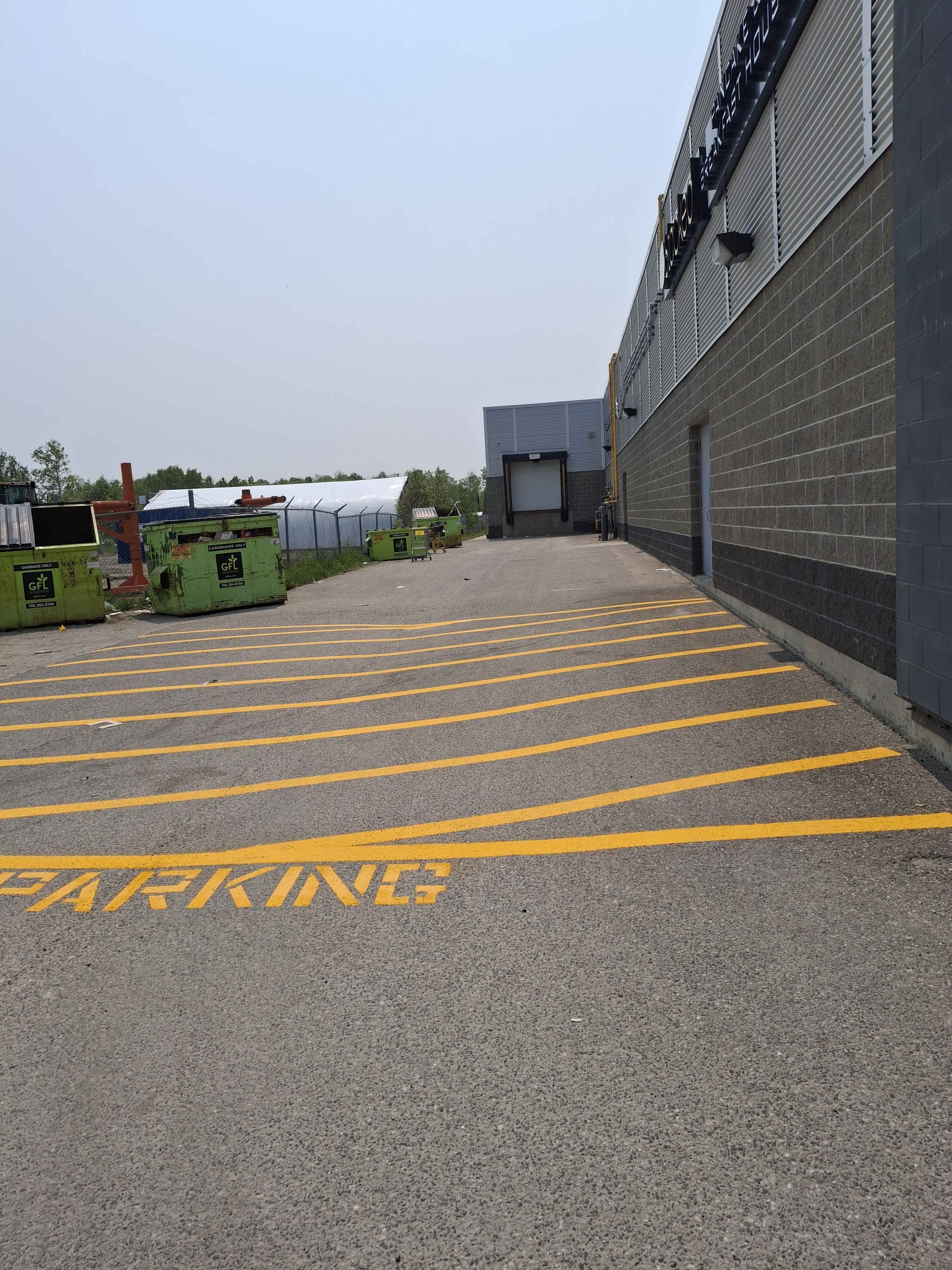
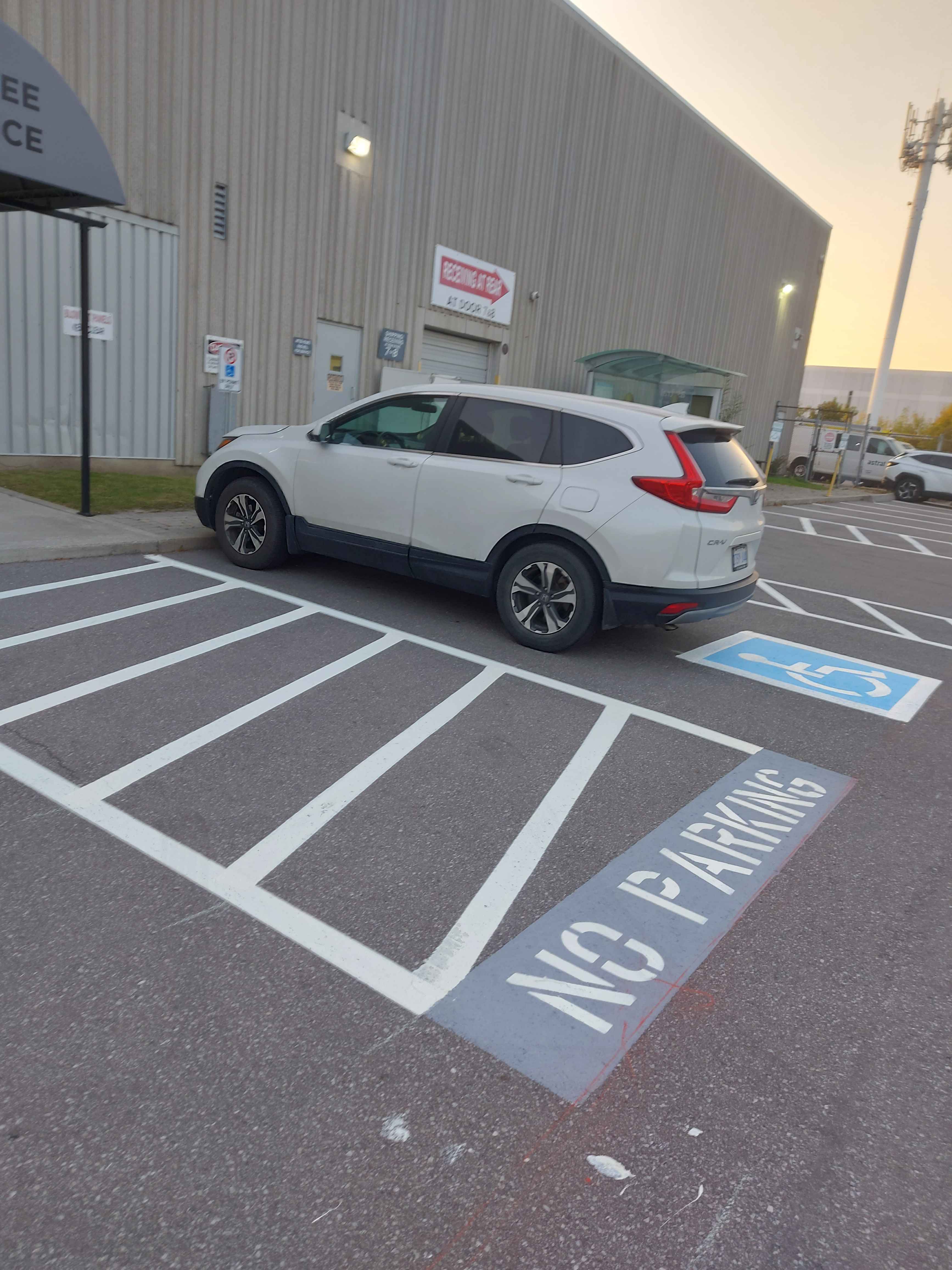
While crack filling protects the structure, maintaining visibility is equally important for safety. As part of your seasonal upkeep, ensure your Line Marking is crisp and visible. Faded lines can lead to accidents in low-visibility winter conditions. Integrating crack filling with professional Line Painting ensures your lot is both structurally sound and safe for drivers.
How to Assess Your Parking Lot
Take a walk around your property this week. Look for the following warning signs that indicate you need professional intervention immediately:
- Hairline Cracks: These are the easiest and most cost-effective to fix.
- Alligator Cracking: This looks like scales on a reptile and indicates deep structural fatigue.
- Edge Cracking: Cracks running along the perimeter of the lot, often caused by poor drainage.
- Pothole Formation: If you see small depressions, the sub-base is already compromised.
Conclusion: Act Before the Frost
In summary, the best time to fill cracks is now. Don't wait for the thermometer to drop or for the first snow to fall. By investing in preventative maintenance today, you are protecting your property from the destructive power of the Ontario winter and avoiding much larger repair bills next spring.
If you are unsure about the condition of your asphalt, contact the experts at Capital Parking Lot Line Painting. We help property owners maintain beautiful, durable, and safe surfaces year-round.
Protect your investment. Schedule your seasonal maintenance today to ensure your parking lot stands up to the winter elements.