When Is the Right Time of Year to Fill Cracks in Asphalt?
Maintaining a smooth, durable parking lot requires more than just occasional cleaning; it requires strategic timing and professional expertise to combat the elements.
If you own a commercial property or manage a residential complex, you know that asphalt is a living, breathing surface. It expands in the heat and contracts in the cold. Over time, this constant movement leads to cracks. While a small crack might seem like a minor cosmetic issue, it is actually an open invitation for water to seep into the subbase, leading to much larger, more expensive problems like potholes and structural failure.
For property owners in Brampton, understanding the local climate is essential. As a top 30 city in Ontario, Brampton experiences significant seasonal shifts, from humid summers to freezing, salt-heavy winters. This makes the timing of your asphalt maintenance a critical factor in how long your pavement will last.
The Ideal Windows for Crack Filling
Not all seasons are created equal when it comes to asphalt repair. To ensure the sealant adheres properly and lasts for years, you need specific environmental conditions.
1. Late Spring and Early Summer
As the frost leaves the ground and the pavement dries out, late spring becomes an excellent time for maintenance. The ground has stabilized, and the risk of sudden freezing is low. This allows the filler material to bond effectively with the asphalt edges.
2. Late Summer and Early Autumn
Many experts, including the team at Capital Parking Lot Line Painting, recommend late summer or early autumn as the "golden window." During this time, the asphalt has had a chance to dry out completely after the spring rains, but the temperatures have not yet dropped to the point where the sealant cannot cure. This window allows you to seal the cracks before the heavy snow and ice of an Ontario winter arrive.
Why Timing Matters: The Science of Adhesion
When you apply a crack filler, you aren't just "plugging a hole." You are creating a waterproof barrier. If the temperature is too low, the filler won't melt into the crack properly. If the ground is too wet, the moisture will be trapped under the sealant, causing it to bubble and fail prematurely.
By working with professionals like Capital Parking Lot Line Painting, you ensure that the weather conditions are monitored to provide the best possible results for your specific location in Brampton.
Common Mistakes to Avoid
Many property managers attempt to save time by performing maintenance at the wrong moment. Avoid these common pitfalls:
- Filling in the rain: Water trapped in the crack will prevent the sealant from bonding.
- Waiting for the first freeze: Once the ground begins to freeze, the expansion of ice will push the new filler right out of the crack.
- Ignoring small cracks: Small cracks become large cracks very quickly in the Ontario climate.
- DIY without preparation: Proper cleaning of the crack is just as important as the filler itself.
Comprehensive Care: Beyond the Cracks
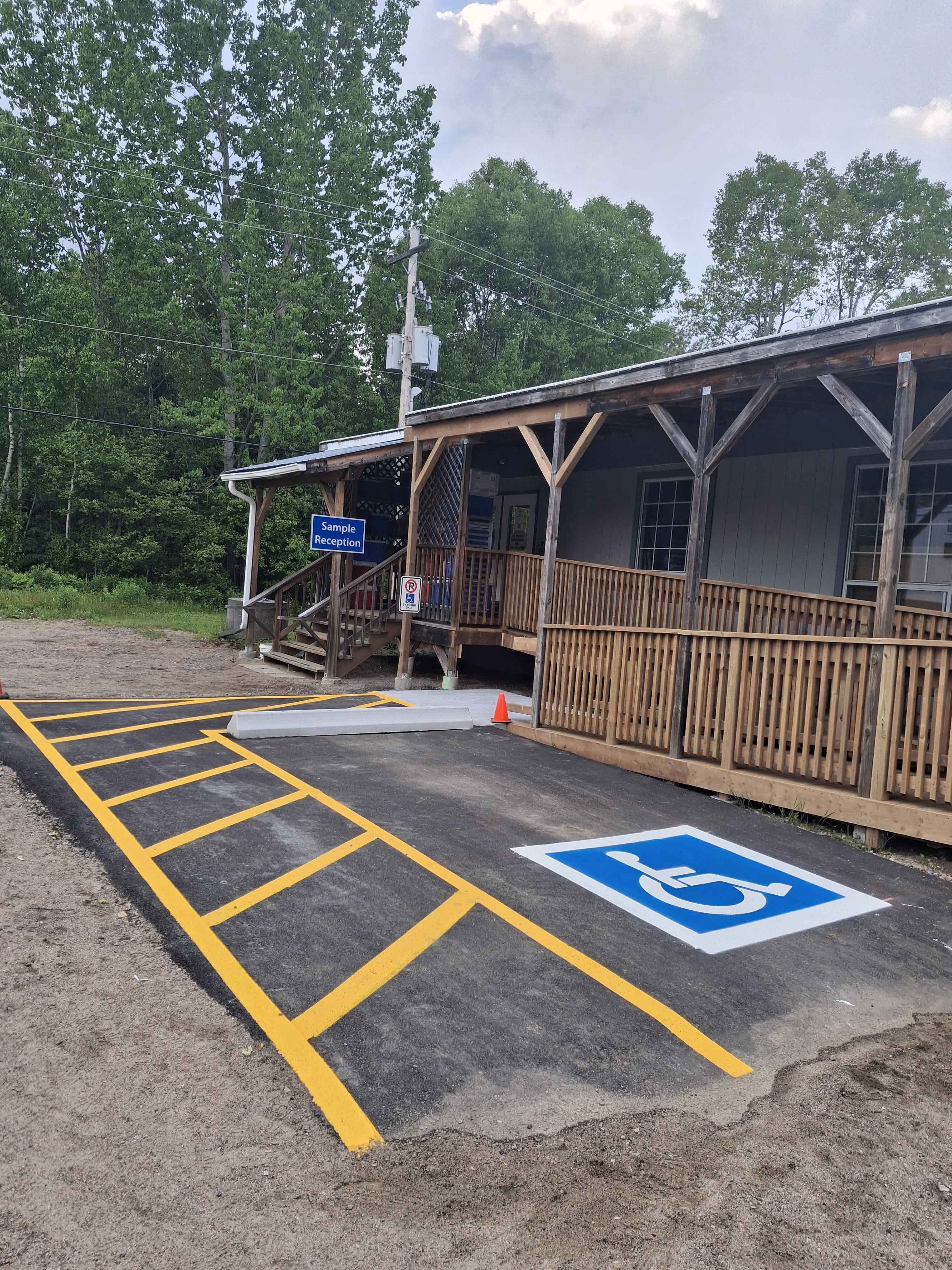
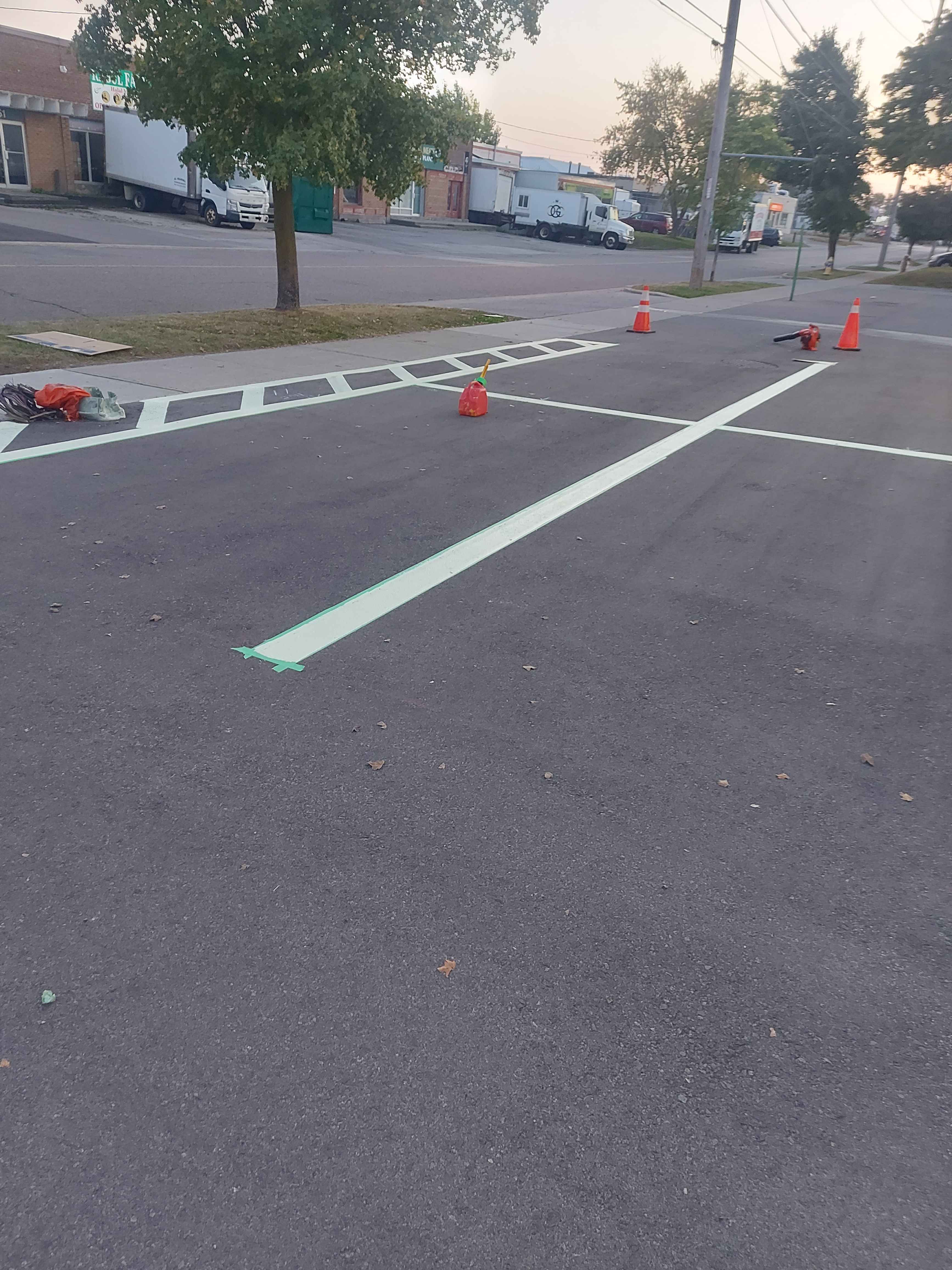
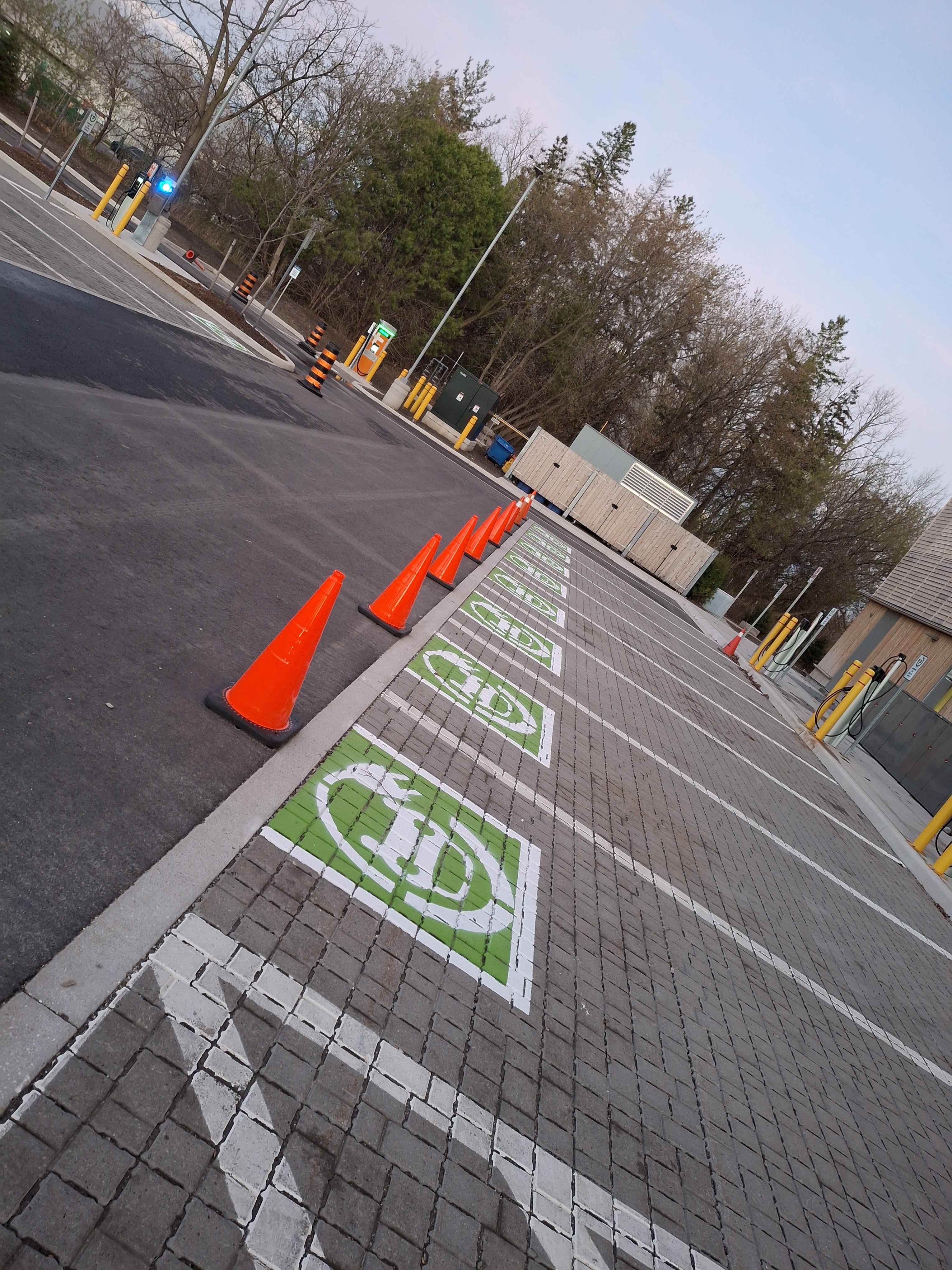
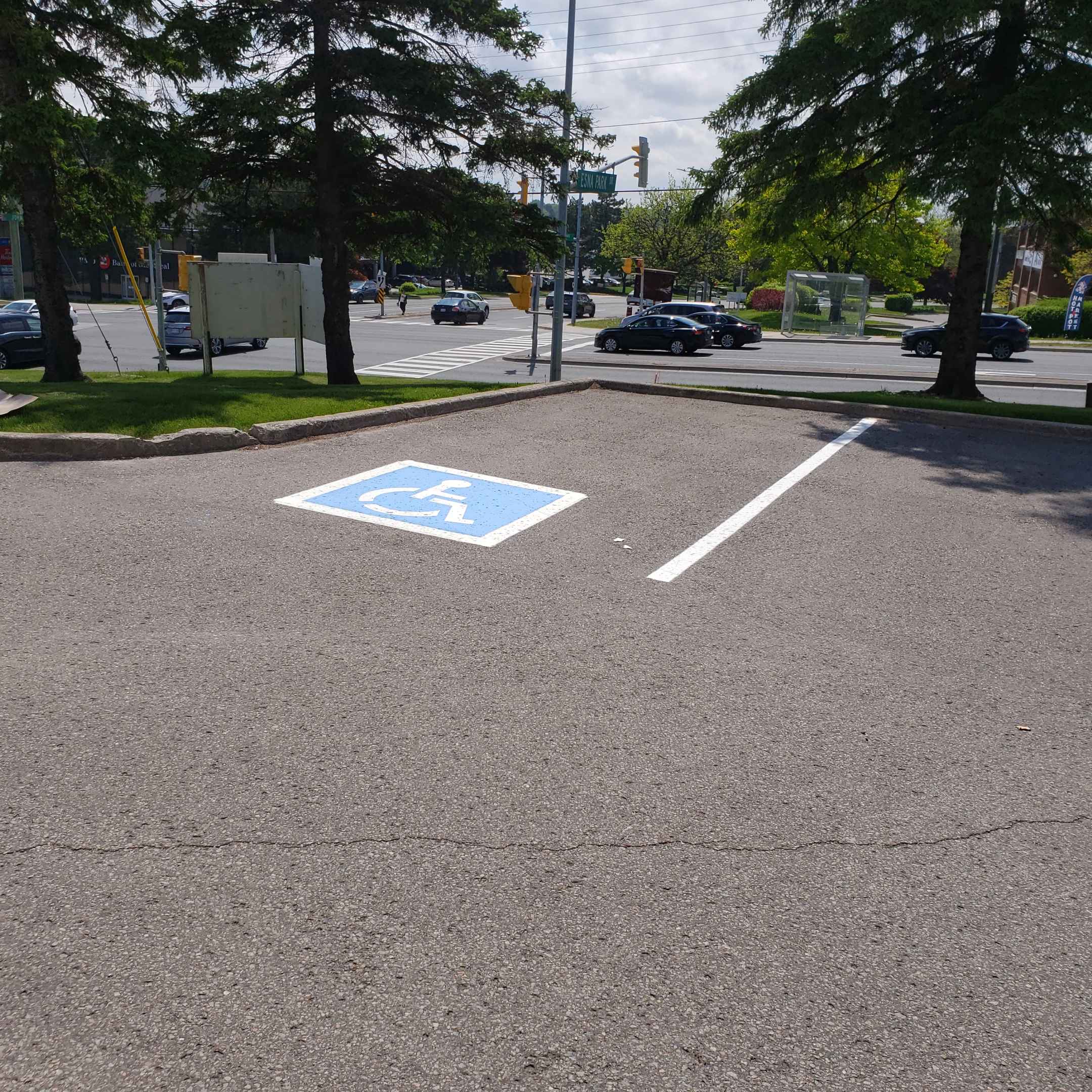
While crack filling is vital for structural integrity, a truly professional parking lot requires a holistic approach. Once the cracks are sealed and the pavement is stabilized, the next step in aesthetic and safety maintenance is often Line Marking or Line Painting.
Fresh, crisp lines guide traffic, define parking stalls, and ensure your property remains compliant with safety regulations. Capital Parking Lot Line Painting specializes in these multi-step maintenance programs, ensuring that your asphalt is not only structurally sound but also visually professional and highly functional.
Ready to Protect Your Investment?
Don't wait for a pothole to appear before you take action. Proactive maintenance is the most effective way to extend the life of your asphalt and avoid costly full-scale reconstructions.