When Is the Right Time of Year to Fill Cracks in Asphalt?
Maintaining a pristine parking lot is more than just a matter of aesthetics; it is a critical component of structural preservation. Understanding the seasonal nuances of asphalt repair can save you significant headaches in the long run.
The Importance of Seasonal Timing
If you own a commercial property in London, you are no stranger to the volatile weather patterns of Ontario. From freezing winters to humid summers, the pavement undergoes constant expansion and contraction. This thermal movement is the primary driver behind the cracks that eventually plague your asphalt surface.
Filling these cracks isn't just about stopping water from getting underneath the surface; it's about timing the application so the sealant bonds perfectly with the existing material. If the temperature is too low, the sealant won't flow properly. If it is too hot, the material may degrade before it can set. At Capital Parking Lot Line Painting, we emphasize that proactive maintenance is the most effective way to prevent total pavement failure.
The Ideal Window: Late Spring to Early Fall
For most property owners, the sweet spot for crack filling falls between late spring and early autumn. During this window, the ground has thawed, and the ambient temperature remains consistently above freezing. This allows the crack filler to achieve optimal viscosity and adhesion.
Why Spring is a Top Contender
As the snow melts in London, the asphalt begins to stabilize. Spring is an excellent time to assess the damage caused by the winter freeze-thaw cycle. Repairing cracks in the spring prevents spring meltwater from seeping into the sub-base, which is the leading cause of potholes.
The Late Summer Advantage
Late summer is another prime period. The dry weather reduces the risklet of moisture being trapped in the cracks during the application process. This ensures a much cleaner, more durable seal. Many property managers pair their crack filling with Line Marking services during this time to refresh the entire look of the lot before the winter hits.
Seasons to Avoid
While it might be tempting to squeeze in own maintenance into a busy schedule, certain times of year are detrimental to the quality of the repair:
- Deep Winter: Freezing temperatures prevent sealants from bonding, leading to immediate failure.
- Heavy Rain Seasons: Moisture in the cracks will prevent the filler from adhering to the asphalt walls.
- Extreme Heatwaves: Excessive heat can cause the sealant to become too thin, leading to runoff or uneven application.
Don't Wait for the Potholes to Appear
By the time a crack becomes a pothole, the damage to the sub-base is often already done. Regular inspections and timely crack filling by professionals like Capital Parking Lot Line Painting can extend the life of your asphalt by years.
The Connection Between Crack Filling and Line Marking
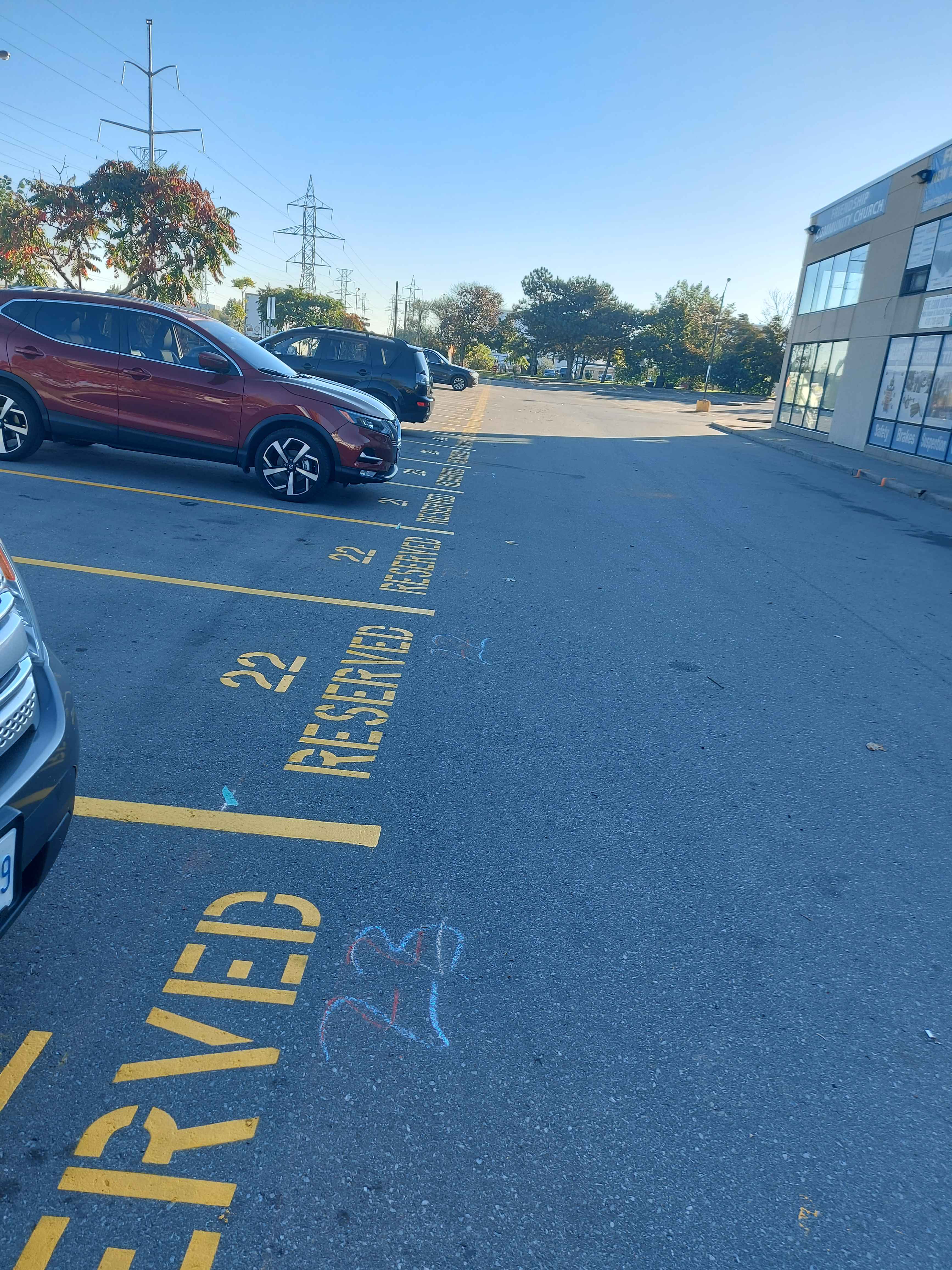
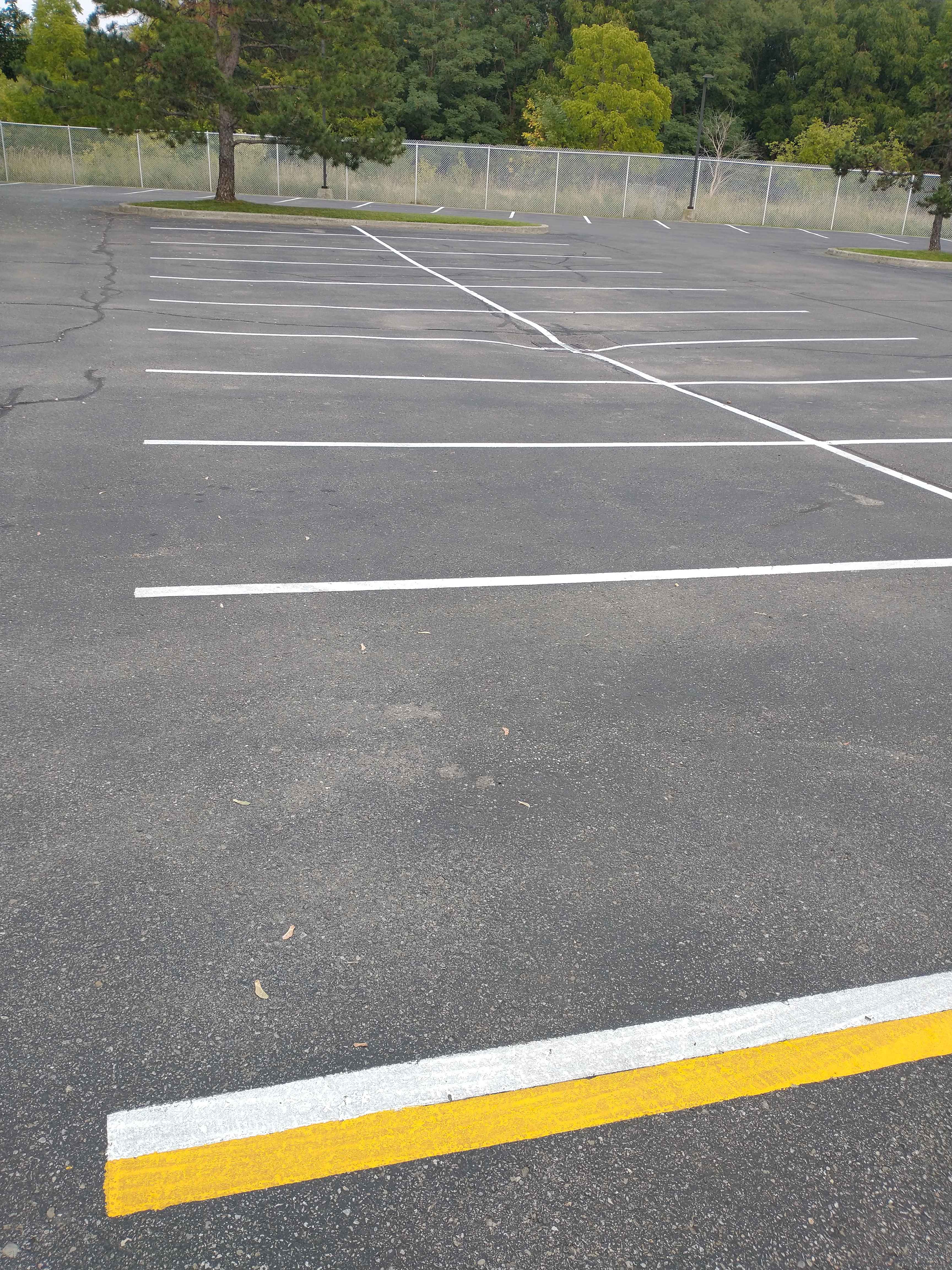
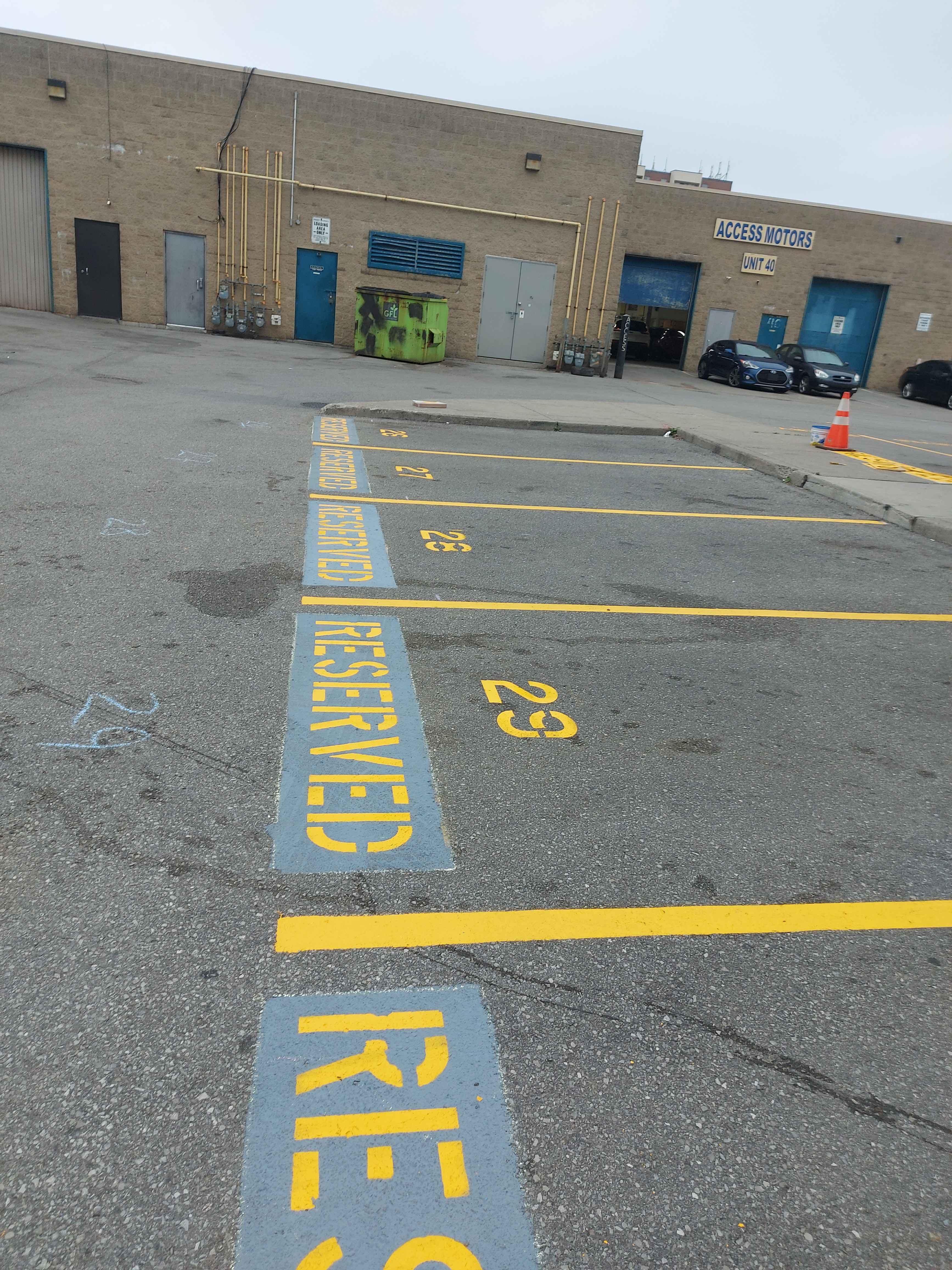
A well-maintained parking lot is a holistic endeavor. Once the structural integrity of the asphalt is secured through crack filling, the next step in professional property management is visual clarity. This is where Line Marking plays a vital role. Clear, bright lines ensure safety, proper traffic flow, and professional curb appeal.
Capital Parking Lot Line Painting recommends coordinating these two services. When you fix the cracks and refresh your lines simultaneously, you ensure that the entire surface is prepared for the upcoming season, providing a cohesive and high-quality finish that protects your investment.
Common Mistakes in Asphalt Maintenance
To ensure you get the most out of your maintenance budget, avoid these common pitfalls:
- Ignoring Small Cracks: Small cracks are precursors to large structural failures.
- Using DIY Fillers: Consumer-grade products often lack the durability required for heavy vehicular traffic.
- Poor Surface Preparation: If the crack isn't cleaned of debris and dirt, the filler will simply sit on top of the debris rather than bonding to the asphalt.
- Neglecting Drainage: Ensure that your crack filling doesn't inadvertently block natural water runoff paths.
Conclusion
In summary, the best time to fill cracks in your asphalt is during the stable, dry months of late spring through early autumn. By acting during these windows, you protect your pavement from the harsh Ontario elements and ensure your property remains safe and professional-looking.
If you are unsure about the condition of your parking lot, reach out to the experts at Capital Parking Lot Line Painting. We can help you determine the best course of action to keep your asphalt in peak condition.