When Is the Right Time of Year to Fill Cracks in Asphalt?
Understanding the seasonal rhythms of pavement maintenance is the secret to long-lasting asphalt and significant cost savings.
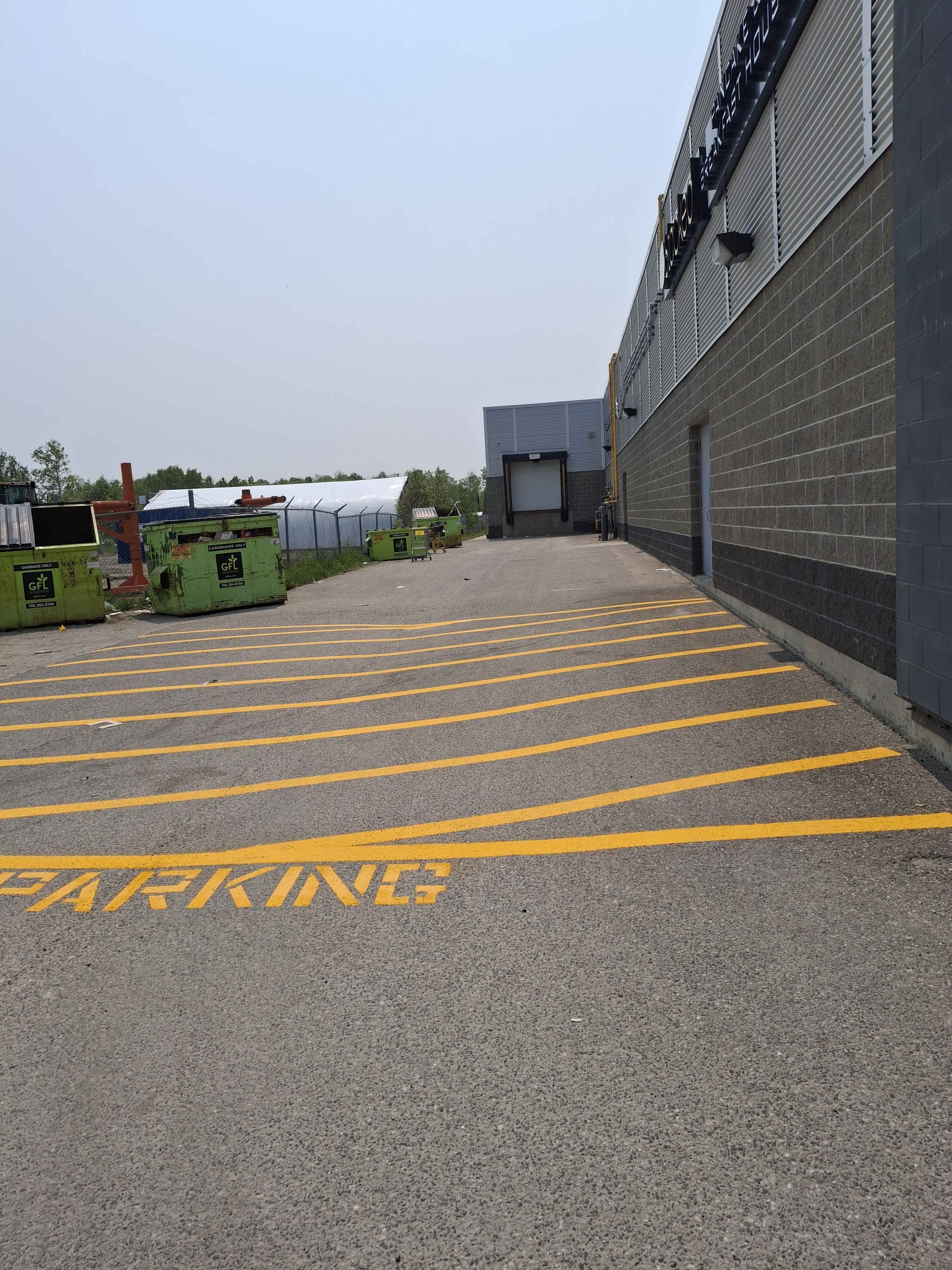
If you manage a commercial property or a large residential complex, you know that asphalt is a living, breathing surface. It expands in the heat and contracts in the cold. Over time, this constant movement leads to the inevitable appearance of cracks. While a small crack might seem like a minor cosmetic issue, it is actually an open invitation for water to penetrate the sub-base, leading to potholes and total pavement failure.
At Capital Parking Lot Line Painting, we frequently receive questions from property managers in Oshawa regarding the best window of time to perform crack filling. Because Ontario weather can be unpredictable, timing your maintenance correctly is the difference between a permanent fix and a wasted effort.
The Golden Rule: Temperature and Dryness
The most critical factor in successful crack filling isn't actually the month on the calendar, but the immediate weather conditions. For a crack filler (whether hot-applied or cold-applied) to bond effectively with the asphalt, two conditions must be met:
- Dry Surface: The cracks must be completely free of moisture, debris, and vegetation. If water is trapped in the crack when you seal it, the sealer will fail almost immediately.
- Optimal Temperature: Most high-quality sealants require a specific temperature range to cure properly. Applying material during a frost or during extreme heat can compromise the chemical bond.
- Stable Forecast: You need a window of at least 24 to 48 hours of dry weather to allow the material to set without being washed away by rain.
Seasonal Breakdown for Ontario Property Owners
Spring: The Inspection Phase
As the snow melts in Oshawa, the asphalt undergoes significant stress from the freeze-thaw cycle. This is the perfect time to conduct a thorough inspection. While spring can be a great time to assess damage, you should be cautious about immediate crack filling if the ground is still saturated from snowmelt. Waiting for a dry spell in late spring is often the best strategy.
Summer: The Peak Maintenance Window
Summer is widely considered the premier season for asphalt maintenance. The consistent warmth allows hot-applied rubberized crack fillers to flow deep into the crevices, ensuring a tight seal. During these months, Capital Parking Lot Line Painting can achieve the highest quality results because the asphalt is stable and the risk of sudden frost is minimal.
Fall: The Pre-Winter Defense
If you missed the summer window, autumn is your last chance to fortify your pavement before the heavy snow arrives. Filling cracks in the fall prevents water from entering the cracks, freezing, and expanding—the primary cause of winter pavement destruction. This is a proactive step to ensure your lot survives the upcoming winter season intact.
Winter: The No-Go Zone
We strongly advise against attempting crack filling during the winter months. Low temperatures prevent the sealant from adhering, and the presence of ice or snow makes it impossible to prepare the surface correctly. Attempting maintenance in these conditions is essentially throwing resources away.
Common Mistakes to Avoid
Even when the timing is right, improper execution can lead to premature failure. Avoid these common pitfalls:
- Ignoring small cracks (they will become large cracks very quickly).
- Failing to clean out debris and weeds before applying filler.
- Applying sealant over damp or wet asphalt.
- Neglecting to pair crack filling with professional Line Marking to maintain safety and organization.
Why Professional Maintenance Matters
While DIY kits are available at local hardware stores, they often lack the durability required for high-traffic commercial lots. Professional crews use industrial-grade, hot-applied materials that are engineered to withstand the heavy loads of vehicles and the extreme temperature fluctuations of the Ontario climate.
When you partner with Capital Parking Lot Line Painting, you aren't just getting a quick fix; you are getting a long-term maintenance strategy. From crack repair to precision Line Painting, our goal is to extend the life of your asphalt and keep your property looking professional and safe.
Ready to Protect Your Pavement?
Don't wait for a pothole to appear before taking action. Contact the experts at Capital Parking Lot Line Painting to schedule your seasonal inspection and maintenance plan.